

Mint Green Tiles for Bathrooms, Kitchens and Children's Rooms in India
Loading designs...
-
10623-D 300x450Glossy -
10623-D 300x450Glossy -
10623-HL 300x450Glossy -
10623-HL 300x450Glossy -
10658-D 300x450Glossy -
10724-HL 300x450Glossy -
10782-HL 300x450Glossy -
10783-HL 300x450Glossy -
10784-HL 300x450Glossy -
10785-HL 300x450Glossy -
10786-HL 300x450Glossy -
10787-HL 300x450Glossy -
10790-D 300x450Glossy -
10790-HL 300x450Glossy -
10790-L 300x450Glossy -
10802-HL1 300x450Glossy -
10803-HL2 300x450Glossy -
10805-HL1 300x450Glossy -
10805-HL2 300x450Glossy -
10805-HL3 300x450Glossy




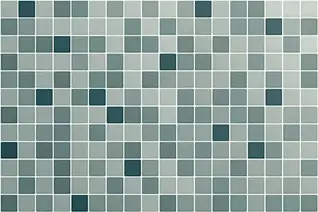
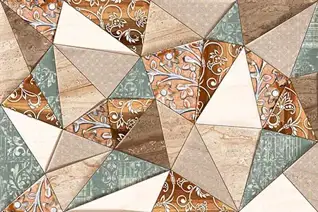








Mint green is the only green tile colour with a blue undertone that is also light and fresh. Emerald has a blue cast, but it is saturated and deep. Mint carries the blue-green quality at a low saturation, where the colour reads as airy and clean rather than vivid. That combination makes mint one of the most recognisable tile colours in India, both in its historical form as the small square ceramic tile that covered millions of Indian bathroom walls from the 1960s through the 1990s, and in its current form as a matte GVT in larger formats paired with contemporary fittings.
The blue undertone is the practical property that separates mint tiles from other light greens in the Indian home. Under warm yellow bulbs, which remain the most common light source in Indian bathrooms and kitchens, most pale and light greens shift towards white-green or olive-green. Mint shifts less because the blue component in the colour partially counteracts the yellow of the light source. The colour stays closer to its true blue-green character under warm light than a comparable pale green or sage would.
The complete green tile range, covering all tones and undertones across the full saturation scale, sits under green tiles. Mint's position within that range is specific: it is the only cool-toned light green, and the buying decisions for it differ from those for any other green in the cluster.
Mint vs Light Green and Pastel Green: Where the Tones Differ
Mint and light green are the two most commonly conflated tones in the green tile range. Light green tiles cover a broad category of desaturated greens with neutral or warm undertones: pale green, mid-saturation green, and lime. Mint is more specific than that: it is a blue-green, and the blue component is what gives mint its distinct cool, fresh character. A pale green tile and a mint tile can appear almost identical in a product photograph, but in a room under warm Indian lighting, the pale green will shift towards white-green while the mint will hold more of its blue-green quality.
Pastel green tiles sit closer to pale green on the undertone scale and are sometimes used interchangeably with mint in Indian tile catalogues. The distinction is gradual: the more blue in the tile, the closer it is to mint. The more neutral or warm, the closer it is to pastel or pale green. Buyers looking for a cool, fresh bathroom colour should select tile samples and view them under the room's actual lighting before ordering, since the difference between a mint and a pale green can be significant in a finished room, even when the two tiles look similar side by side in a showroom.
Mint Green in Indian Bathrooms: Retro Revival and Contemporary Use
Mint green has a specific history in Indian bathroom design that no other colour in the green tile range has. From the 1960s through the 1990s, mint green ceramic wall tiles in 150x150mm or 200x200mm were standard in Indian bathrooms across price segments. The combination of mint green tiles, white ceramic sanitaryware, and terrazzo or mosaic floors defined what an Indian bathroom looked like for three decades. Many Indian homes built in this era still have these original mint bathrooms, and some buyers today are specifically seeking to restore or replicate that aesthetic using current tile products. Among vintage tiles, mint green ceramic in small square formats is one of the most requested colours for period-accurate bathroom restoration projects.
Contemporary Indian interiors use mint green differently. In matte GVT at 300x300mm or 300x600mm, paired with matte black fixtures, unlacquered brass taps, and natural wood vanity units, mint green reads as a deliberate retro revival rather than a dated leftover. The same colour that looks dated in a small ceramic square with white grout and chrome fittings reads as a considered design decision in a large-format matte GVT with brass hardware. The tile colour is identical; the framing changes everything.
Body Types and Finishes for Mint Green Tiles
| Body Type | Water Absorption | Floor? | Wall? | Sizes | Rs. per sq.ft |
|---|---|---|---|---|---|
| GVT matte | Below 0.05% | Yes | Yes | 300x300 to 800x1600mm | Rs. 65 to Rs. 150 |
| GVT glossy | Below 0.05% | No | Yes | 600x600 to 800x1600mm | Rs. 80 to Rs. 165 |
| PGVT Polished Glossy | Below 0.05% | No | Yes | 600x600 to 800x1600mm | Rs. 110 to Rs. 200 |
| Porcelain matte | 2% to 5% | Yes (light indoor) | Yes | 300x300 to 600x1200mm | Rs. 55 to Rs. 120 |
| Mint green ceramic tiles | 12% to 16% | 300x300 only | Yes | 300x300, 300x450, 300x600mm | Rs. 40 to Rs. 90 |
| Glass mosaic | Below 1% | No | Yes | 50mm to 100mm | Rs. 150 to Rs. 280 |
Mint green ceramic tiles at Rs. 40 to Rs. 90 per sq ft are wall-only in all sizes above 300x300mm. The 300x300mm format is the one exception that can go on bathroom floors in light use, which is why it remains the most common specification for the retro Indian bathroom aesthetic, where small square ceramic tiles on the floor match the wall tiles. For any floor with regular wet use, GVT matte in 300x300mm with water absorption below 0.05% under IS 15622:2006 is the correct and safer choice.
Note: PGVT and GVT glossy mint green tiles are for walls only. Glossy finish must not be used on bathroom floors, kitchen floors, or any wet surface, regardless of body type. For all floor applications, GVT or porcelain in matte finish only.
Mint Green Tile Formats
Subway and Herringbone
The mint green subway look is the most searched format for mint green kitchen backsplash applications in India. A subway look tile in ceramic or GVT replicates the rectangular tile pattern with printed grout lines on a standard tile face, giving the backsplash a fresh, structured quality that suits mint's clean character. The herringbone look in mint green gives the same surface more directional energy, the V-shaped printed pattern reads as a more deliberate design decision than a plain subway layout, and it suits the retro-revival aesthetic that many Indian buyers are working with when they choose mint. The herringbone look suits larger kitchens where the backsplash wall is visible from across the room.
Square and Floor Formats
Mint green square tiles in 300x300mm (1x1) GVT matte are the standard floor specification for Indian bathrooms in this colour. The 300x300mm tile size fits most Indian bathroom floor areas well and allows cutting around toilet bases and floor drains without significant waste. In ceramics, the same size is used for both floor and wall in the retro bathroom aesthetic, where matching floor and wall tiles give a period-accurate result. Mint green floor tiles at 400x400mm (16x16) in GVT are used in larger bathrooms where a slightly bigger square format suits the room proportions.
Mosaic
A mint green mosaic look tile in ceramic or GVT carries a printed surface of small tile clusters and grout line patterns on a standard tile face. The mosaic design concentrates the mint colour into a visually dense pattern that reads differently from a plain solid tile. The printed grout lines in white or off-white within the design create an internal contrast that suits mint's fresh, clean character particularly well. On a bathroom feature wall, a shower surround, or a kitchen backsplash accent panel, the mosaic look gives the surface a layered quality without requiring any specialist installation. GVT matte in the mosaic look is floor-safe with water absorption below 0.05%, making it a practical choice for bathroom floors where the geometric surface design adds visual interest to a functional specification.
Mint Green Marble Tiles
Mint green marble tiles are GVT or PGVT tiles with a marble-effect surface design in mint or blue-green tones with white or grey veining. In the Indian market, these are produced as large-format GVT in 600x600mm or 600x1200mm in matte or polished glossy finish. GVT matte versions are floor-safe; PGVT polished versions are walls only. The marble effect in a mint-green colourway is less common than in white or grey marble tones, but is available from Morbi manufacturers who produce mint-toned stone-look GVT for the Indian market. Price runs Rs. 90 to Rs. 180 per sq ft for GVT matte and Rs. 130 to Rs. 220 per sq ft for PGVT polished.
Mint Green Tiles Across Different Spaces
Bathrooms
In Indian bathrooms, mint green tiles work in two distinct ways. For a retro aesthetic that references the Indian bathroom of the mid-twentieth century, 300x300mm ceramic in a plain or subway look with white grout and period-accurate fittings recreates that familiar character. In large-format GVT matte at 600x600mm (2x2) or 600x1200mm (2x4) on walls and 300x300mm on the floor with dark grey epoxy grout and brass hardware, the same colour reads as a contemporary interior decision. Both approaches are cohesive; the fittings and grout determine which era the room is referencing. Water absorption below 0.05% in GVT means the tile body does not absorb bathroom moisture or cleaning products over the tile's lifetime.
Kitchens
On kitchen backsplash walls, a mint backsplash in subway or small square format gives an Indian kitchen a colour that reads as clean and fresh without the visual weight of a darker green. The blue undertone in mint makes it more compatible with stainless steel appliances and chrome or nickel fittings than sage or olive, which suit warmer hardware. For matte black hardware, mint green reads as a strong contemporary contrast. For brass hardware, mint reads as a warmer, more vintage combination. Epoxy grout in white or off-white is the practical choice for any mint green kitchen tile where grout staining from cooking is a concern.
Children's Rooms
Mint green is one of the most used colours for children's room walls across Indian homes. The tone reads as fresh, cheerful, and non-aggressive without the high saturation of primary colours. In kids room tiles, mint green ceramic in 300x300mm or 300x600mm is used for feature wall cladding in children's bedrooms and play areas. The blue-green quality reads as engaging for children without the overstimulation of brighter colours. GVT matte in mint green on children's room floors in 300x300mm or 400x400mm is safe and easy to maintain.
Specifications and Pricing for Mint Green Tiles in India
Mint green GVT tiles from Morbi, Gujarat, are produced in matte and glossy finishes across 300x300mm (1x1), 400x400mm (16x16), 600x600mm (2x2), and 600x1200mm (2x4). Water absorption below 0.05% under IS 15622:2006 makes them suitable for bathroom floors, kitchen floors, and covered outdoor surfaces. Retail prices at the showroom level in most Indian cities run Rs. 65 to Rs. 110 per sq ft for GVT matte in 600x600mm and Rs. 95 to Rs. 150 per sq ft for 600x1200mm. The blue undertone in mint GVT is consistent within the same production batch from Morbi manufacturers, which matters when combining floor and wall tiles from the same colour family.
Mint green ceramic tiles comply with IS 13630, carry water absorption of 12% to 16%, and are produced in 300x300mm, 300x450mm, and 300x600mm for wall use in Morbi. At Rs. 40 to Rs. 90 per sq.ft, ceramic remains the entry-level price for mint green wall tiles in Indian bathrooms and kitchens. For buyers restoring a period Indian bathroom where ceramic mint tiles are the authentic material, the 300x300mm ceramic format is still produced in Morbi, Gujarat and is the closest match to the original tile specification. For outdoor covered surfaces in monsoon-prone areas of India, where the monsoon season brings sustained humidity and rainfall, GVT GHR finish in mint green is the correct specification; ceramic mint tiles must not be used outdoors.
Vintage Revival or Contemporary Fresh: Choosing Your Mint Green Specification
Mint green works in two completely different room directions, and the specification changes significantly between them. The retro approach uses small ceramic square tiles, warm white grout, and chrome or period-style fittings. The contemporary approach uses large-format matte GVT, dark grey epoxy grout, and brass or matte black hardware. Both use the same tile colour. On TilesFinders, mint green tiles are listed by body type, format, size, and finish so the correct specification for either direction can be identified and compared before ordering.
FAQs
Mint green has a blue undertone that gives it a cool, fresh quality that pale green and light green do not have. Pale green is white-leaning with a neutral undertone. Light green is a desaturated green without a strong directional undertone. Mint carries a distinct blue-green character that makes it cooler than any other light green tile. Under warm Indian home lighting, mint resists the warm shift better than pale or light green because the blue component counteracts the yellow of the bulb.
GVT in matte or GHR finish with water absorption below 0.05% is the correct body type for mint green bathroom floor tiles. The 300x300mm (1x1) GVT matte is the standard size for Indian bathroom floors in mint green. Mint green ceramic tile in 300x300mm is an option for light-use bathroom floors at a lower cost, but GVT is the stronger choice for any floor that gets wet regularly. Ceramic mint tiles in all formats larger than 300x300mm are wall-only.
Mint green is one of the few cool tile colours that holds its tone reasonably well under warm Indian home lighting. The blue undertone in mint partially offsets the yellow shift that warm bulbs cause in most greens. Under warm yellow light, mint reads as a slightly muted blue-green rather than a true mint. Under cool white LED, it reads most accurately. In natural daylight, the colour is most vivid. Buyers should always view a mint tile sample under the room's actual light source before ordering.
White or off-white epoxy grout works best with mint green tiles for a clean, high-contrast result on walls and floors. Warm grey grout adds a tonal quality that suits darker mint or sage-leaning mint tones. Light blue-grey grout reinforces the blue undertone in mint and gives a cohesive, cool palette. Epoxy grout is recommended over cement grout for all bathroom and kitchen mint tile applications to prevent moisture ingress and grout staining.
White, off-white, warm wood, light gold, and soft brass pair well with mint green tiles in Indian homes. Mint's blue undertone makes it compatible with both warm neutrals and cool tones, depending on which direction the room palette is going. Against warm white sanitaryware and wood vanity units, mint reads as fresh and botanical. Against chrome or matte black fittings and cool grey surfaces, mint reads as more contemporary and architectural.
Yes. Mint green tiles in ceramic or GVT work well on walls in children's bedrooms and playrooms. The fresh, cool tone reads as cheerful without being as bold as bright green or yellow. Mint green square tiles in 300x300mm or small mosaic formats in ceramic are used as feature wall tiles in children's rooms. For floors in children's rooms, GVT matte in mint green is safe and anti-skid.
Mint green ceramic tiles run Rs. 40 to Rs. 90 per sq ft for wall formats. Mint green GVT tiles range from Rs. 65 to Rs. 150 per sq.ft. Mint green mosaic tiles in GVT or glass run Rs. 120 to Rs. 250 per sq.ft. Mint green marble-look GVT runs Rs. 90 to Rs. 180 per sq.ft. Prices vary by body type, format, and city across India.
Mint green sits in both categories in India. From the 1960s through the 1990s, mint green was one of the most common bathroom tile colours in Indian homes, paired with white sanitaryware in small square ceramic tiles. That association makes it a retro reference. Contemporary Indian interiors use mint green in larger formats, matte GVT, and paired with matte black or brass fittings, which reads as a deliberate revival rather than a throwback. Both approaches are valid depending on the room and the surrounding design.