

Porcelain Wall Tiles: Finish Freedom, Feature Walls, and Pairing With Your Floor
Loading designs...
-
 10013
10013 -
 10018
10018 -
 Biscuit
 -
 Classic Oak
 -
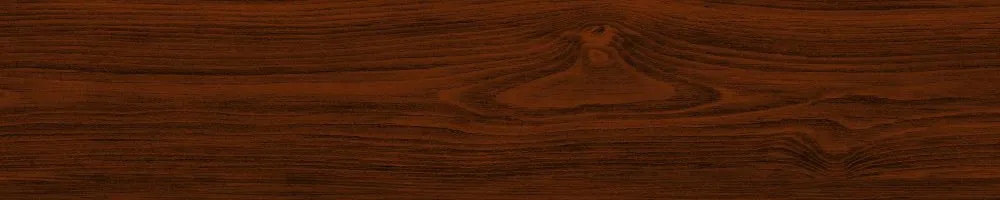 Wenge Wood
 -
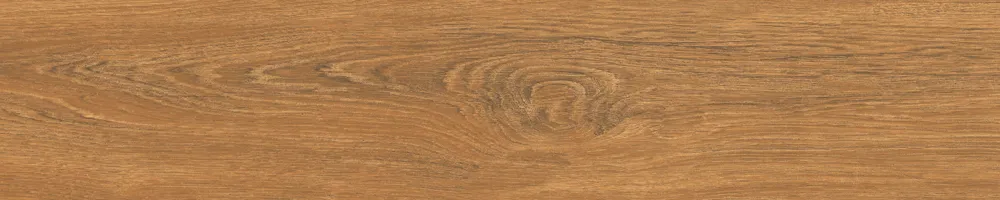 Pecan
Pecan -
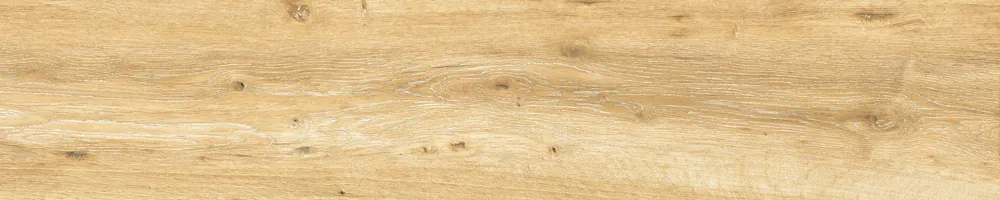 Satin Wood
 -
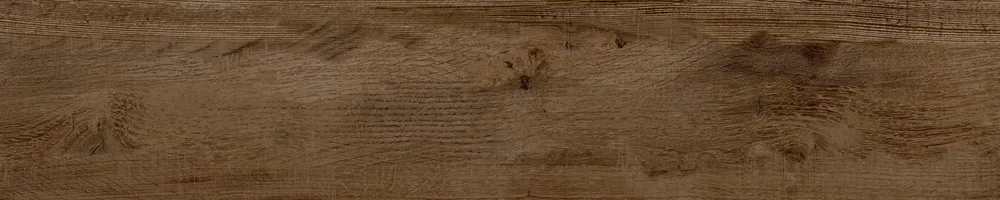 Marfil Choco
 -
 Bucak Light
 -
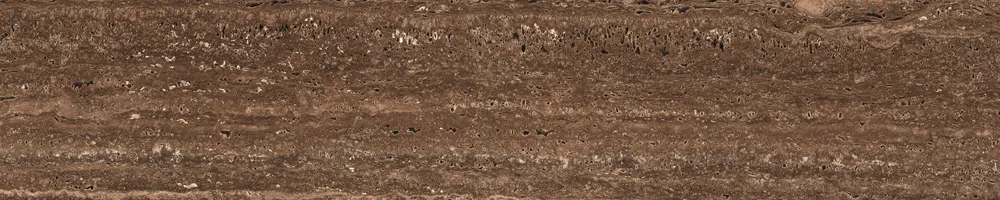 Classic Roman
 -
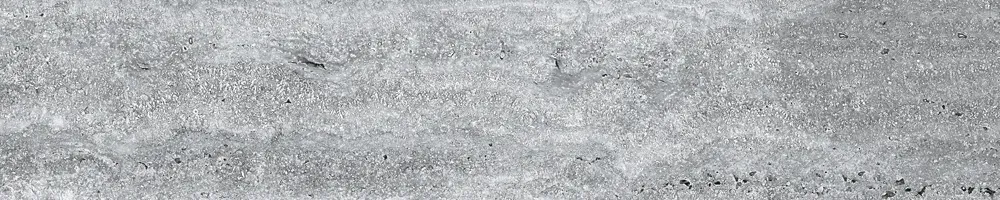 Noir Honed
 -
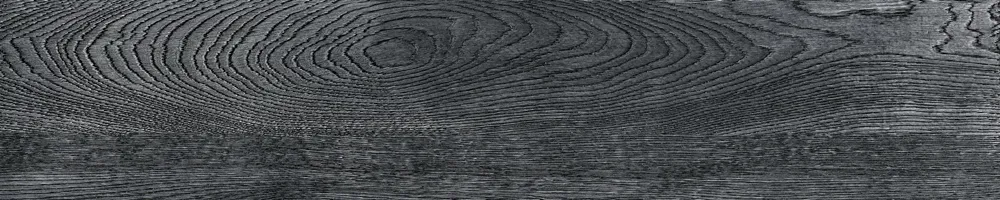 Midnight Ink
 -
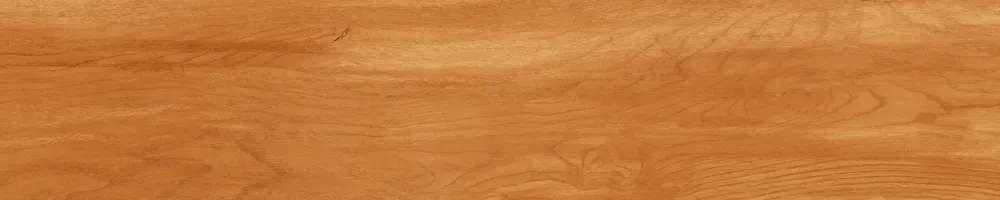 Beech
Beech -
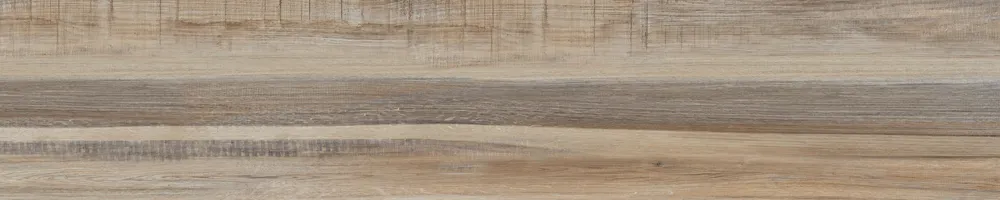 Afara
Afara -
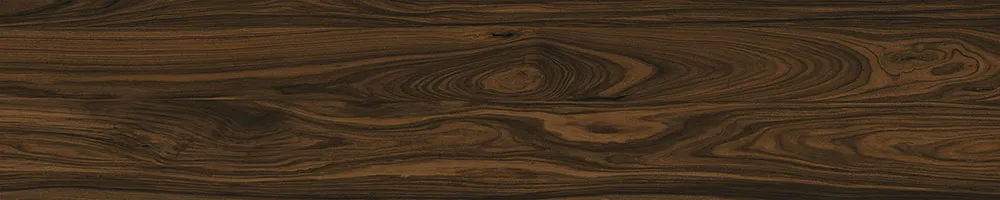 Jacobean
 -
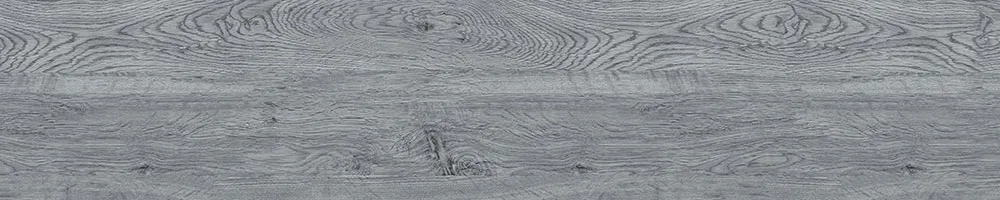 Impirial Grey
 -
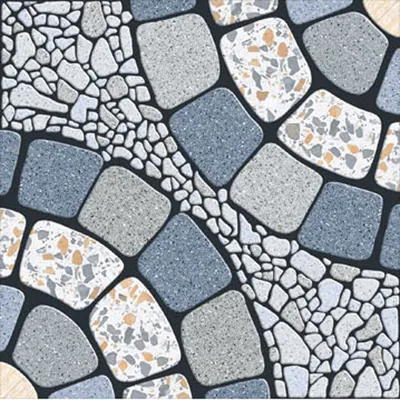 P 1203
 -
 Zic Zak 01
 -
 Nexus 03
 -
 603
603
Porcelain wall tiles use the same semi-vitrified body covered on the main porcelain tiles page, but a wall never carries foot traffic or standing water the way a floor does, which frees this body's glaze and finish choices to focus on appearance rather than slip resistance. TilesFinders lists this wall product in glazed, textured, and plain white finishes, suited to bathrooms, kitchens, and living room feature walls.
This page focuses specifically on what changes when this body goes on a wall rather than underfoot, including finish freedom, large format feature wall coverage, and how a porcelain wall pairs with a porcelain floor in the same room.
Prices range from Rs. 40 to Rs. 90 per sq.ft from Morbi and Gujarat manufacturers, depending on finish and size. Given the added weight over ceramic, larger wall tiles in this body need a wall-rated adhesive and, in some cases, additional mechanical support to stay securely fixed over years of use.
Why a Wall Frees Up This Body's Full Finish Range
A wall never bears weight or standing water, so a tile of this kind can be finished glossy or polished without the slip concern that rules out the same finish on a floor. This is the main practical difference between choosing this body for a wall versus a floor, since durability still matters on both, but grip only matters on one.
This body remains a genuine upgrade over ceramic tiles specifically for higher traffic wall zones, such as a corridor, a commercial reception area, or a stairwell where accidental impact from furniture or equipment is more likely than in a typical bedroom. The denser, lower absorption body resists chipping and cracking from this kind of impact better than a standard ceramic wall tile does.
Glazed and Textured Finishes for a Wall Specifically
Glazed porcelain wall tile carries a printed or coloured glass layer fired onto the surface, giving sharp colour and pattern definition similar to what a GVT tile offers, but on the denser porcelain base rather than a fully vitrified one. This remains the most common finish choice for a bathroom or kitchen wall wanting a bright, easy-to-clean surface.
Textured wall tiles of this kind use a structured surface for visual depth and tactile interest rather than for grip, since a wall does not need the slip resistance a textured floor tile provides. This texture works particularly well on a feature wall under angled lighting, where the surface creates genuine shadow and dimension rather than a flat printed pattern.
White Walls and When to Choose Them
White wall tiles of this kind remain the most requested colour for this application, valued for reflecting light and making a bathroom or kitchen feel brighter and larger than a darker tone would. A glazed white wall tile suits a clean, easy-to-maintain kitchen backsplash, while a matte or textured white version suits a softer, more contemporary bathroom wall.
Feature Walls in the Living Room: Fewer Joints, More Impact
Wall tiles of this kind for living room use typically cover a single feature wall behind a television unit, a sofa, or a fireplace, rather than the entire room, using the material's strength and finish range to create a focal point. Large format tiles are especially effective here, since fewer grout lines across a feature wall let the pattern or colour read as one continuous surface rather than a repeating grid.
A feature wall using this body works well alongside a plainer painted wall elsewhere in the same room, since concentrating the material and finish on one focal surface generally reads as more deliberate and considered than covering every wall the same way. Living room feature walls in a marble or stone-look pattern remain particularly popular, borrowing the same premium design range this body offers for floors.
Matching or Contrasting With the Floor Below
Wall and floor tile searched together, as one word and with an ampersand, describes buyers planning a coordinated bathroom or kitchen scheme using this body for both surfaces rather than mixing it with ceramic. A matching approach, using a similar tone for both wall and floor, generally reads as calmer and more cohesive, particularly in a smaller bathroom.
A contrasting approach, pairing a patterned or darker wall with plain, lighter porcelain floor tiles, tends to draw the eye upward and can make a room feel taller, an effect worth considering in a room with a lower ceiling. Buyers combining wall and floor tiles in this body should confirm both are available in coordinating tones and, ideally, from the same production batch before finalising either order.
Installing a Heavier Body on a Vertical Surface
The added density compared with ceramic means a wall installation, particularly a large format feature wall, needs a wall-rated adhesive specifically formulated for the tile's weight rather than a standard lightweight ceramic wall adhesive. Skipping this step is one of the more common causes of a heavy wall tile eventually loosening or detaching over time, particularly through a humid monsoon season when adhesive performance is tested most.
Large wall tiles of this kind above a certain size sometimes need additional mechanical support, such as anchoring clips, alongside adhesive, particularly on a full height feature wall or in a commercial project with more stringent safety requirements. Epoxy grout is recommended for any wall installation in a kitchen or bathroom, since it resists staining from oil, soap, and daily cleaning products better than standard cement grout.
What a Porcelain Wall Actually Costs
Plain and glazed wall tiles of this kind are priced from Rs. 40 to Rs. 65 per sq.ft from Morbi and Gujarat manufacturers, the most accessible tier for a full bathroom or kitchen wall. Textured and large format feature wall tiles cost more, from Rs. 55 to Rs. 90 per sq.ft, reflecting the additional tooling or panel size involved.
Buyers planning a coordinated wall and floor scheme in this body should budget both surfaces together from the outset, since ordering the floor separately at a later date risks a shade mismatch between production batches. GST, freight from Gujarat, and epoxy grout should all be budgeted separately from the base tile price.
The Standard Behind This Wall Tile
Genuine porcelain wall tiles carry water absorption between 2 and 6 percent, the same Indian market classification covered in more depth on the main porcelain tiles page, which is more than sufficient for a vertical surface that never sits in standing water the way a floor would. Most porcelain wall tiles sold in India are manufactured in Morbi, Gujarat, and dispatched to dealers nationwide.
Price for this wall product spans Rs. 40 to Rs. 90 per sq.ft depending on finish and size, with plain glazed designs at the lower end and large format or heavily textured feature wall tiles toward the upper end. Buyers outside Gujarat should confirm freight costs separately, particularly during the monsoon months when transit timelines can shift.
Choosing the Finish and the Pairing
Choosing porcelain wall tiles usually comes down to deciding finish, whether glossy, matte, or textured, and whether the wall pairs with a matching or contrasting porcelain floor in the same room. TilesFinders lists this wall product from Morbi and Gujarat manufacturers with finish, size, and colour confirmed on every listing.
A well-specified wall of this kind, whether a glazed white bathroom wall, a textured feature wall, or a large format living room accent wall, brings durability and a wider finish range than a standard ceramic wall tile can offer at a similar price point.
FAQs
Both use the same semi-vitrified body, but a wall tile can be glossy or polished without the slip risk a floor faces. Floor tiles need a matte or textured, rated finish instead. The underlying water absorption and strength are otherwise the same.
This describes using porcelain for both the wall and the floor in the same room, typically a bathroom or kitchen. Buyers should confirm both are available in coordinating tones. Ordering from the same production batch avoids a shade mismatch.
Yes, porcelain wall tiles for living room use typically cover a single feature wall behind a television unit or sofa. Large format tiles work particularly well here, since fewer grout lines let the pattern read as one continuous surface. Full room coverage is less common than a single feature wall.
Glazed porcelain wall tile carries a printed or coloured glass layer fired onto the surface, similar to a GVT finish but on a denser base. This is the most common finish for a bright, easy-to-clean bathroom or kitchen wall. It offers sharper colour and pattern definition than an unglazed surface.
Porcelain wall tiles typically cost between Rs. 40 and Rs. 90 per sq.ft in India. Plain glazed designs sit at the lower end, while textured and large format feature wall tiles cost more. Prices vary by finish, size, and dealer.
Yes, the added weight compared with ceramic means a wall-rated adhesive is needed. Very large tiles sometimes need additional mechanical support such as anchoring clips. Always confirm the correct adhesive and fixing method with the installer.
No, texture on a wall tile is for visual depth rather than grip, since a wall does not face the slip risk a floor does. Non-slip floor tile is specifically tested and rated for underfoot grip instead. The two serve different practical purposes despite both using texture.