

Porcelain Paving: What Works Outdoors, What Does Not, and How to Choose
Loading designs...
-
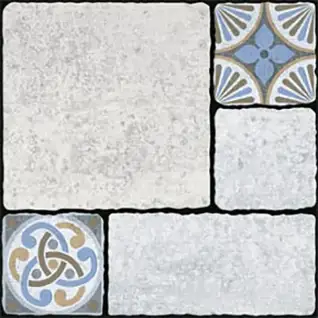
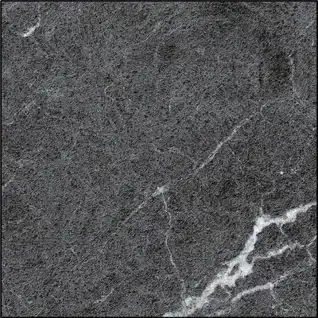 LAPATO-003-D
 -
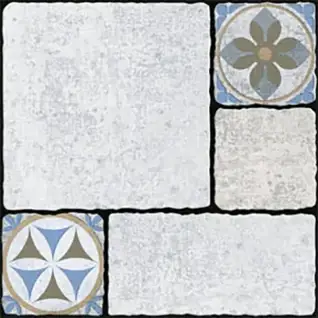
 LAPATO-003-L
 -
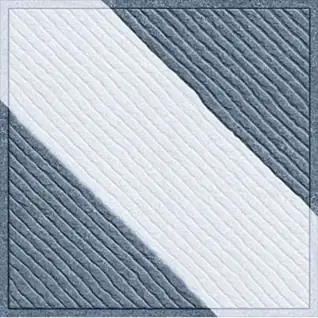
LAPATO-029
-
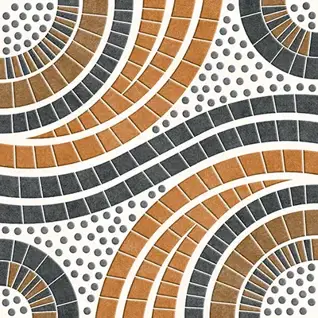
SIGMA-001
-
LAPATO-003-D
-
LAPATO-003-L
-
LAPATO-029
-
3066
-
3102 A
-
3102 B
-
5004
-
Active 011
-
Cotto 006
-
Crystal 001
-
Crystal 002
-
Crystal 003
-
Crystal 010
-
D1 P 1104
-
D1 P 1104 L
-
D2 P 1104
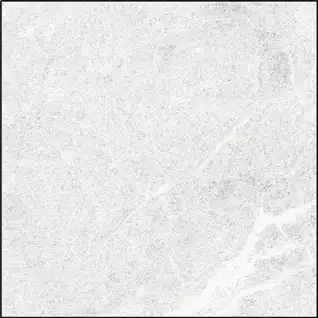

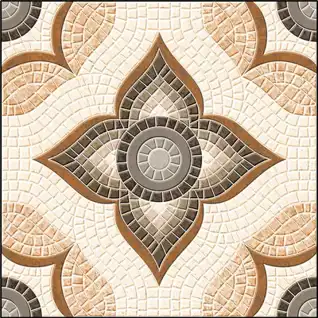
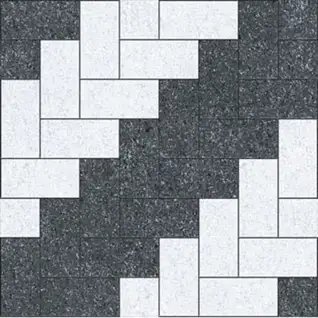
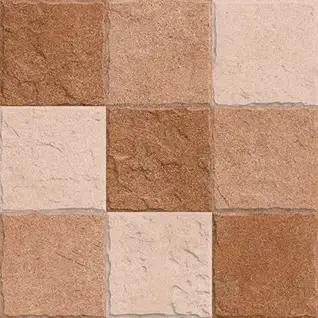



Porcelain tiles used for outdoor paving are not the same product as standard indoor floor tiles. The outdoor environment asks more of a tile than any indoor surface: direct sun heats the tile surface to 55 to 65 degrees Celsius in Indian summers, monsoon rain saturates the ground beneath the tile, and daily foot traffic wears the surface without the protection of rugs or furniture. A tile that works on an indoor bedroom floor will fail on a terrace or garden path within one to two monsoon seasons if it is not rated for outdoor use.
This page covers porcelain as a material choice for outdoor paving in India: what makes it suitable, which sizes and finishes are correct for outdoor tiles, how it compares to other outdoor tile options, what the 20mm thickness term means and whether it applies to the Indian market, and what buyers need to check before ordering tiles for any outdoor surface.
Why Porcelain Works for Outdoor Paving
Porcelain tiles have a water absorption rate of 2% to 5% as per IS 13630. That is significantly lower than ceramic (12% to 16%) and lower than many natural stone options like sandstone or Kota. Lower water absorption matters outdoors for two reasons specific to the Indian climate.
First, standing water during the monsoon. Outdoor paving sits in contact with water for extended periods during the rainy season, not just during rain but also from retained moisture in the substrate below. A tile that absorbs more water expands as it absorbs, then contracts as it dries. That repeated movement cracks adhesive bonds and eventually lifts the tile off the substrate. Porcelain's lower absorption reduces this cycle.
Second, heat stress. In Indian summers, tile surfaces reach temperatures that indoor tiles are never exposed to. A tile with higher water content in its body heats and cools unevenly, which stresses the tile body. Porcelain's denser fired body handles this temperature range better than ceramic.
Porcelain is also harder to cut than ceramic, which matters when planning layouts around garden edges, steps, or drainage channels. Factor in the cost of a wet-saw tile cutter for outdoor porcelain cuts; a standard score-and-snap cutter will chip the tile body.
Porcelain Paving Tile Sizes for Indian Outdoor Areas
Porcelain for outdoor paving in India is available in four standard sizes. Each suits a different outdoor area type and scale:
| Size | Alias | Best Outdoor Use | Grout Lines in a 10x10 ft Area (approx.) | Wastage Allowance | Key Consideration |
| 300x300 | 1x1 | Small balconies, steps, narrow paths | High joint count; many cuts near edges | 10% | Smallest format; works where larger tiles produce too much wastage |
| 400x400 | 16x16 | Garden paths, terrace edges, utility outdoor areas | Moderate joint count | 10% | Good for areas with irregular boundaries or curves |
| 500x500 | 20x20 | Mid-size terraces, courtyard paving, poolside | Fewer joints than 16x16 | 10% | Strong balance between joint count and cutting flexibility |
| 600x600 | 24x24 (2x2) | Large terraces, open garden paving, building entrance areas | Lowest joint count for porcelain; reads clean and continuous | 12% | Needs a flat, level substrate; any unevenness in the base reads through a larger tile |
| 600x1200 | 2x4 | Large terraces, modern garden paths, commercial outdoor areas | Fewest joints; large slab look | 15% | Requires very flat substrate; heavier to handle; higher adhesive consumption |
The outdoor porcelain tile 24x24 (600x600) is the most commonly specified size for Indian terraces and open outdoor areas. It gives enough tile runs in both directions to minimise cut wastage and looks proportional on a terrace from 80 sq.ft upward. For smaller balconies under 50 sq.ft, the 500x500 or 400x400 is more practical because cuts at the edges are smaller and less wasteful.
20mm Porcelain Tiles: What the Thickness Term Means
The term 20mm porcelain tiles comes from the European outdoor paving market, where extra-thick porcelain pavers (20mm body thickness versus the standard 8 to 10mm for indoor tiles) are manufactured specifically for outdoor use. These thicker tiles are designed to be laid on a sand or gravel bed without adhesive, similar to how natural stone pavers are laid in garden landscapes.
In the Indian tile market, 20mm thick porcelain outdoor pavers are not standard production. The outdoor porcelain tiles available from Indian manufacturers in Morbi and Rajkot are standard body thickness (8 to 10mm) but are rated for outdoor use by their water absorption and finish specification. These tiles must be laid on a cement mortar or polymer-modified adhesive bed, not on a loose sand bed.
If a buyer specifically needs the 20mm thick outdoor paver format (for a landscaping project, a loose-laid garden path, or a project specifying European-standard pavers), those products need to be sourced from importers rather than standard Indian manufacturer catalogues. For buyers looking at garden path and patio tile options within the standard Indian range, the garden tiles page covers those specifications in detail.
For most Indian outdoor paving applications, including terraces, garden paths, poolsides, and building entrance areas, standard thickness porcelain in matte finish on a cement mortar or adhesive bed gives a more durable long-term result than loose-laid 20mm pavers, because the fixed bond resists the ground movement that Indian clay soils undergo with seasonal moisture variation.
Which Finish Is Safe for Porcelain Paving Outdoors
Finish is the single most important decision for outdoor porcelain tiles, more important than colour or size. The wrong finish makes an outdoor paved area dangerous in the rain and difficult to maintain in direct sunlight.
| Finish | Outdoor Safety | Best Outdoor Zone | Maintenance | Avoid When |
| Matte | Safe; anti-skid surface; suitable for all outdoor areas | Terraces, garden paths, entrance areas, poolside | Easy; sweeps and mops clean; does not show every dust mark | Never avoid outdoors; the default safe choice |
| GHR (Glaze High Resistance) | Excellent; stone-like textured surface with highest slip resistance | Poolside, areas that stay wet after rain, high-traffic entrance zones | Easy; textured surface grips the mop; resists wear well | Not needed in dry sheltered outdoor areas where matte is sufficient |
| Rain Drops | Good; raised drop texture provides grip even when wet | Covered outdoor areas, porticos, sheltered terraces | Moderate; dust and fine debris collect between drops; needs brush cleaning | Open areas exposed to falling leaves or heavy debris |
| Sugar | Moderate; safe in dry conditions but less grip when wet | Covered terraces, dry verandas with roof | Easy to clean; non-demanding surface | Open paving that gets direct rain or stays wet after monsoon |
| Glossy / Polished / Satin Matte | Not safe outdoors | None | Not applicable | All outdoor areas without exception |
Note: Glossy, high glossy, satin matte, and semi-polished finishes must never be used for outdoor paving. These surfaces become extremely slippery when wet and pose a fall risk on any outdoor surface exposed to rain, dew, or poolside water. This applies to all tile bodies including porcelain.
White Porcelain Paving: What to Check Before Buying
White porcelain paving is one of the most searched outdoor tile specifications in India, particularly for rooftop terraces, poolside areas, and modern garden landscapes where a clean, light surface is part of the design. White reads bright in direct sun and makes outdoor spaces feel larger and more open. On a terrace that connects visually to the interior, white tiles can carry the indoor floor colour outdoors without a visible break.
Three things to check specifically when buying white porcelain paving slabs for outdoor use:
- UV stability of the glaze: not all white tile glazes are formulated for prolonged direct sun exposure. A glaze that is not UV-stabilised yellows over two to three years of Indian sun. Ask the manufacturer or supplier specifically whether the white glaze is UV-stable before ordering for a south-facing or open rooftop area.
- Finish: white outdoor porcelain must be in matte or GHR finish. White gloss or polished white porcelain is dangerous outdoors in rain and the gloss surface shows every footprint, water mark, and dust ring far more visibly than matte. White matte hides marks between cleans better than white gloss outdoors.
- Grout colour: white tiles with white grout on an outdoor surface read as a single continuous plane, which is the intended look. White tiles with grey grout make every joint visible and the surface reads as a grid. On a large open terrace, white with white grout is harder to maintain because staining from bird droppings, leaves, and monsoon soil shows on both the tile and the grout. A light grey or off-white grout is easier to maintain while still keeping the light, pale look.
White porcelain in 600x600 matte finish for outdoor use runs from Rs. 65 to Rs. 130 per sq.ft. White porcelain paving in 600x1200 runs from Rs. 90 to Rs. 160 per sq.ft. Prices vary by brand and UV-stability specification.
Porcelain vs Other Outdoor Paving Options in India
Buyers choosing outdoor paving tiles in India typically compare porcelain against three alternatives: natural stone, GVT tiles (Glazed Vitrified Tiles), and parking tiles (Kota or rough ceramic). Here is how porcelain sits against each:
| Property | Porcelain (Matte) | GVT (Matte/GHR) | Natural Stone (Sandstone/Kota) | Parking / Rough Ceramic |
| Water absorption | 2% to 5% | 0.05% | 3% to 15% depending on stone type | 5% to 12% |
| Slip resistance outdoors | Good in matte; excellent in GHR | Good in matte; excellent in GHR | Varies by stone and surface dressing | Good; rough surface |
| Heat resistance (Indian summer) | Good; handles 55 to 65 degree surface temp | Excellent; very low expansion coefficient | Varies; sandstone can flake with heat cycles | Good |
| Colour range | Wide; stone, concrete, plain colour looks | Widest range; closest to indoor tile looks | Limited to natural stone colours | Very limited; mostly red, grey, or buff |
| Maintenance | Easy; mops clean; periodic re-sealing not required | Easy; no sealing; wipes clean | Annual sealing recommended for most natural stones | Easy but rough surface holds dirt more |
| Price range (Rs./sq.ft) | Rs. 55 to Rs. 160 | Rs. 80 to Rs. 200 | Rs. 40 to Rs. 200+ depending on stone | Rs. 25 to Rs. 60 |
| Best outdoor use | Terraces, poolside, garden paths | Terraces, entrance areas, large outdoor spaces | Garden paths, traditional courtyard paving | Driveways, parking areas, heavy vehicle zones |
GVT in matte or GHR finish has lower water absorption than porcelain (0.05% vs 2% to 5%) and a wider colour range, which makes it the better technical choice for most premium outdoor terrace applications in India. Porcelain sits in the practical mid-range: better than natural stone for maintenance, more affordable than premium GVT, and available in enough colours and looks to suit most residential outdoor projects.
For driveways and areas that take vehicle load, neither porcelain nor standard GVT is the right specification. Both are rated for foot traffic, not vehicle weight. Parking areas and driveways need rough parking tiles or granite, which are specifically rated for vehicular load.
Note: Standard porcelain tiles are not rated for vehicle traffic. Do not use outdoor paving porcelain in driveways or areas where cars, motorcycles, or heavy vehicles will park or move over the surface.
Laying Porcelain Tiles Outdoors: What Is Different from Indoor Fixing
Outdoor porcelain paving is fixed differently from indoor floor tiles in three important ways. Getting these wrong is the most common reason outdoor tiles crack, lift, or develop hollow spots within the first monsoon season.
Slope for drainage
Every outdoor porcelain-paved surface must slope toward a drain or an open edge. The minimum slope is 1 in 80 (approximately 12mm fall per metre). Without slope, water pools on the surface, seeps into grout joints, and gets under the tile. In Indian conditions where monsoon rain comes in heavy bursts, a surface with no drainage slope retains standing water that weakens the adhesive bond below over multiple monsoon seasons.
The slope must be built into the screed or mortar bed below the tile, not into the tile itself. Do not try to slope an outdoor surface by laying tiles at different heights; the grout joints will be uneven and the surface will look and feel wrong underfoot.
Adhesive and joint width
Use a C2 grade polymer-modified tile adhesive for outdoor porcelain. C2 adhesive has higher flexibility than C1 and can handle the thermal expansion and contraction that an outdoor tile surface goes through between summer heat and monsoon cooldown. In Indian conditions where surface temperatures can swing from 15 degrees Celsius in winter to 55 to 65 degrees on the tile surface in summer, this flexibility matters.
Joint width for outdoor porcelain should be a minimum of 3mm, and 5mm is better for sizes above 600x600. A wider joint allows for thermal expansion without the tiles pushing against each other and cracking. Use a polymer-modified or epoxy grout that is rated for outdoor use. Standard cement grout without a polymer additive cracks and crumbles at outdoor grout joints within two to three monsoon seasons.
Substrate preparation
The single biggest cause of outdoor tile failure in India is a poorly prepared substrate. Outdoor porcelain laid over a cracked, uneven, or inadequately cured screed will develop hollow spots, then cracks at grout lines, within the first year. The screed below outdoor paving must be cured for a minimum of 28 days before tiling, must be flat within 3mm over 2 metres for sizes up to 600x600, and must have adequate falls built in for drainage before the tile is laid.
For rooftop terraces specifically, the waterproofing membrane below the screed must be intact and correctly applied before the screed is poured. Tiling over a terrace with a compromised waterproofing layer is one of the most expensive renovation mistakes in Indian construction: the entire tile surface must be removed to fix the waterproofing.
Choosing the Right Porcelain Paving for Your Outdoor Area
| Outdoor Area | Recommended Size | Recommended Finish | Colour Guidance | Price Range (Rs./sq.ft) |
| Open rooftop terrace | 600x600 or 600x1200 | Matte or GHR | Light grey, beige, or off-white; avoid dark colours that absorb heat | Rs. 65 to Rs. 160 |
| Covered terrace or verandah | 600x600 or 500x500 | Matte or Sugar | Any; covered areas have less heat and rain stress on the glaze | Rs. 55 to Rs. 130 |
| Poolside | 400x400 or 500x500 | GHR | Light or mid tone; avoid dark colours near water; check UV stability for white | Rs. 70 to Rs. 140 |
| Garden path | 400x400 or 500x500 | Matte or GHR | Natural stone look in beige, grey, or brown reads well in garden settings | Rs. 55 to Rs. 120 |
| Building entrance/lobby approach | 600x600 or 600x1200 | GHR | Mid-grey, charcoal, or stone look; GHR handles heavy foot traffic well | Rs. 80 to Rs. 160 |
| Small balcony (under 50 sq.ft) | 300x300 or 400x400 | Matte | Light tones to keep the small space feeling open | Rs. 55 to Rs. 100 |
For any outdoor area in India that is open to direct rain, matte or GHR is the only safe finish specification. Sugar and structured finishes work in covered areas. Gloss and polished finishes must not be used outdoors under any conditions.
Browse Porcelain Paving Tiles
Outdoor paving is one area where the specification on the box matters more than how the tile looks in a showroom. Porcelain paving tiles for terraces, garden paths, poolside areas, and building entrances are listed on TilesFinders with finish, size, and water absorption clearly shown for every product. Matte and GHR options are available from Rs. 55 per sq.ft for 400x400 up to Rs. 160 per sq ft for 600x1200 in premium finishes. All products meet IS 13630 standards. Use the outdoor area filter to narrow to tiles rated for your specific application before shortlisting.
FAQs
Yes, with the right finish and size. Porcelain in matte or GHR finish handles Indian outdoor conditions well: the 2% to 5% water absorption is low enough for most residential outdoor applications, the fired body handles temperature swings from winter to peak summer, and the sealed surface does not require annual re-sealing the way natural stone does. Use matte or GHR finish only; gloss porcelain is not safe outdoors.
600x600 (24x24) is the most common and practical size for Indian terraces. It gives a clean surface with manageable joint lines, suits terraces from 80 sq.ft upward, and works on a standard screed base without requiring the very high flatness tolerance that 600x1200 demands. For large open terraces above 200 sq.ft with a good flat base, 600x1200 gives a more continuous, modern look with fewer joints.
The 20mm specification refers to tiles that are 20mm thick rather than the standard 8 to 10mm. These are designed for loose-laid outdoor paving on sand or gravel beds, a method common in European garden landscaping. Standard Indian manufacturers produce outdoor porcelain at standard body thickness (8 to 10mm) for fixed adhesive installation. True 20mm outdoor porcelain pavers need to be sourced from importers in India and are significantly more expensive. For most Indian residential outdoor projects, standard thickness porcelain on a fixed adhesive bed gives a more durable result.
Yes, but check two things before ordering. First, confirm the white glaze is UV-stable; some white glazes yellow after two to three years of direct Indian sun. Second, use matte finish only; gloss white is dangerous outdoors when wet and shows every mark in direct sunlight. A light grey or off-white grout maintains the pale, open look while being easier to keep clean than pure white grout on an exposed rooftop.
GVT has lower water absorption (0.05%) compared to porcelain (2% to 5%). In practice, both perform well for residential outdoor terraces and garden paths in India. GVT offers a wider colour and look range and is the better technical choice for premium outdoor applications. Porcelain is the more affordable option with adequate performance for most residential outdoor areas. For poolside or areas with constant water exposure, GVT in GHR finish is the safer specification.
Minimum 3mm for sizes up to 500x500. For 600x600 and above, 5mm is the better specification outdoors. Wider joints allow the tiles to expand and contract with temperature changes without pushing against each other. Use a polymer-modified or epoxy grout rated for outdoor use. Standard cement grout without additives cracks at outdoor joints within two to three monsoon seasons in most Indian climates.
Yes, every outdoor tiled surface needs a drainage slope. The minimum is 1 in 80, or about 12mm of fall per metre. The slope must be built into the screed below the tiles, not into the tile laying. Without slope, water pools on the surface, seeps into joints, and weakens the adhesive bond. In heavy monsoon rain this process accelerates and tiles begin to lift within one to two seasons.
Yes, in GHR finish. Poolside areas need the highest slip resistance available, and GHR (Glaze High Resistance) finish gives a stone-like textured surface that maintains grip even when continuously wet. Size 400x400 or 500x500 is more practical near a pool than 600x600 because smaller tiles cut around curved pool edges with less wastage. Check that the grout used is epoxy or polymer-modified and rated for continuous water contact.