
Best Parking Tiles for Heavy Vehicles: What Actually Works?
Stop parking tile cracks before they start. Prioritize 10-16mm vitrified tiles and anti-skid text...


Loading designs...

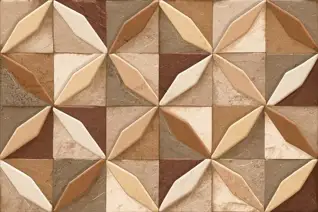



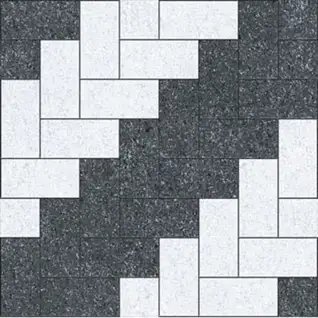
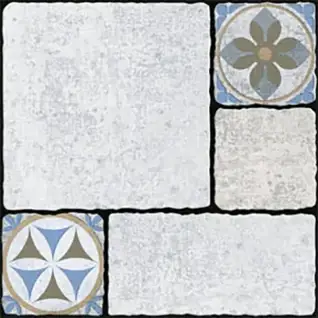
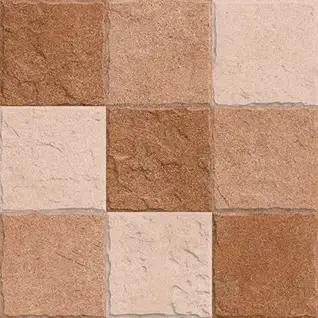

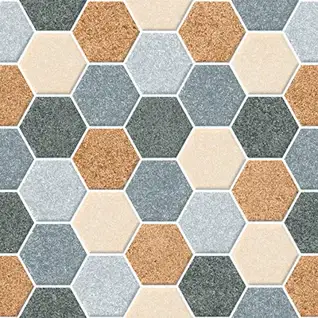
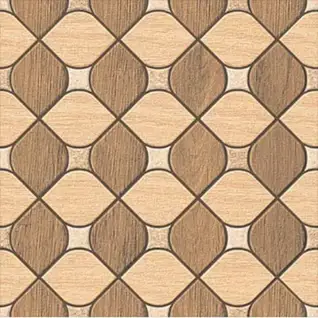
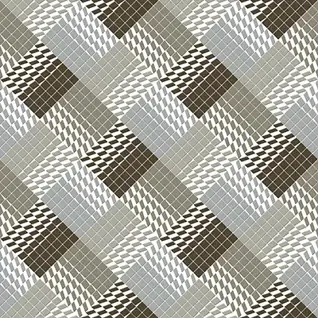






Ceramic parking tiles are a common search. The honest answer is that ceramic tiles work in some parts of a parking area but not on the floor itself. Understanding where ceramic is the right call, and where it is the wrong one, saves money, prevents tile failure, and avoids a cracked or lifted floor within the first monsoon season.
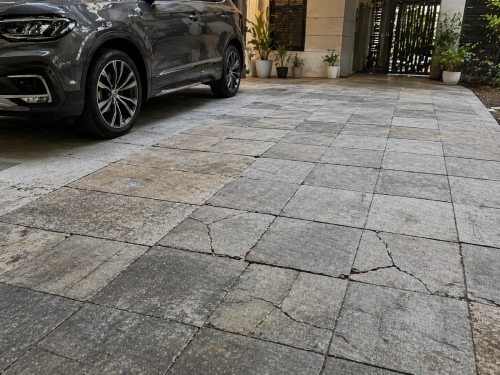
Ceramic tiles have 12% to 16% water absorption. That number is what rules them out for outdoor parking floors. An outdoor floor absorbs rain, holds standing water, and goes through daily wet and dry cycles. A tile that takes in that much water will expand, crack, and eventually lift from the adhesive bed. GVT (Glazed Vitrified Tiles) and full-body vitrified tiles at 0.05% water absorption are what the parking floor needs.
Ceramic tiles for parking work on compound boundary walls, gate pillars, and covered parking bay side walls. They must not be used on outdoor parking floors because their water absorption of 12% to 16% causes cracking and lifting in outdoor Indian conditions. For parking floors, use GVT matte or full-body vitrified matte tiles.
This is the most important fact on this page. Ceramic tiles have a fired clay body with natural pores. The manufacturing process does not fully vitrify the body the way GVT or full-body vitrified tiles do. The result is a tile that absorbs 12% to 16% of its weight in water.
On an outdoor parking floor in India, this creates four problems:
Hard Rule: Ceramic tiles must not be used on outdoor parking floors. This applies regardless of whether the tile has a matte finish. The water absorption of 12% to 16% is the disqualifying factor, not the finish alone.
Ceramic tiles are the right choice for several surfaces in a parking area that are not outdoor floors. In these locations, the water absorption is either irrelevant or manageable, and the lower cost of ceramic tiles makes them a practical choice.
The compound wall surrounding the parking area is vertical. Rainwater runs off it rather than pooling on it. A ceramic tile on a vertical compound wall faces far less water stress than a horizontal parking floor tile. Ceramic tiles in 300x300, 300x450, or 300x600 in a matte or glossy finish work well for boundary wall cladding in parking areas.
The wide colour and pattern range in ceramics is an advantage here. Compound wall cladding tiles carry the visual identity of the home entrance. A ceramic tile in a stone-look, terracotta, grey, or brick-pattern finish gives the boundary wall a strong visual anchor for Rs. 25 to Rs. 70/sq.ft, which is far below the cost of a GVT or full-body tile in the same design.
Browse the full ceramic tile range on Tilesfinders for compound wall and boundary cladding options by colour and finish.
Gate pillars in Indian homes are vertical surfaces that take car door contact, gate hinge stress, and rain splash at the base. Ceramic tiles in 300x300 or 300x450 in a stone-look or brick pattern are widely used for gate pillar cladding. The glaze on ceramic tiles resists surface abrasion from gate contact better than unglazed stone. Use a matte or semi-matte finish rather than glossy on gate pillars to avoid showing fingerprints and gate friction marks.
In a covered parking bay or basement parking space, the side walls are not exposed to rain. A ceramic tile on a covered parking bay wall handles the humidity of a closed space without the wet-dry stress of an outdoor wall. Ceramic tiles in 300x450 or 300x600 in glossy or matte finish work well on covered bay walls. The lower cost and wider design range make ceramic the practical choice over GVT for covered wall cladding in parking areas.
For covered parking bay walls where more light reflection is needed to brighten the space, ceramic tiles in a white or off-white glossy finish bounce overhead light across the wall surface effectively at Rs. 30 to Rs. 60/sq.ft.
The riser (the vertical face of a step) at the entrance from the parking area into the home is another valid location for a ceramic tile. The riser does not take floor load or pooling water. A ceramic tile in 300x150 or 300x300 cut to riser height works as a clean finish at the step face. Match the colour to the parking floor tile or the interior floor tile at the threshold.
This table makes the difference clear for every part of a parking area.
| Surface | Ceramic Tile | GVT or Full Body Vitrified |
| Outdoor parking floor | Not safe. 12% to 16% water absorption causes cracking and lifting. | Yes. 0.05% water absorption. IS 15622:2006 compliant. Matte or GHR finish. |
| Sloped driveway floor | Not safe. Same water absorption problem, worsened by pooling on the slope. | Yes. GHR o matte GVT. Highest anti-skid rating for slopes. |
| Covered basement parking floor | Not recommended. Still takes a vehicle load without vitrified strength. | Yes. Full body vitrified matte or GVT matte. |
| Compound boundary wall | Yes. 300x300, 300x450, 300x600. Wide colour and pattern range. | Yes, but at a higher cost for the same cladding purpose. |
| Gate pillar cladding | Yes. Stone-look or brick-pattern ceramic in 300x300 or 300x450. | Yes, but at a higher cost for a vertical surface. |
| Covered parking bay wall | Yes. Ceramic glossy or matte in 300x450 or 300x600. | Yes. GVT or PGVT glossy if light reflection is needed. |
| Entrance step riser | Yes. Ceramic in 300x300 or cut to riser size. | Yes, but ceramic is the more common and cost-effective choice. |
| Outdoor exposed compound wall | Yes, with caution. Seal grout joints. Avoid in very high-rain areas. | Yes. Lower water risk at joints. |
Key Point: The surface type determines the tile type. Outdoor floors need vitrified tiles. Vertical and covered surfaces can use ceramic. This one rule covers every decision in a parking tile layout.
For parking boundary walls and compound cladding, 300x300 (1x1), 300x450 (12x18), and 300x600 (12x24) ceramic tiles are the standard sizes. These three sizes cover all ceramic category tiles. 300x450 and 300x600 are wall-only sizes and must never be used on floors. 300x300 can be used on floors in bathrooms only, but is commonly used for parking compound wall cladding.
| Size | Alias | Parking Wall Use | Parking Floor Use | Best Application in Parking Area |
| 300x300 mm | 1x1 (12x12) | Yes | Never on outdoor parking floors | Gate pillar cladding, entrance step risers, and compound wall bottom band. |
| 300x450 mm | 12x18 | Yes | Never on any floor | Compound boundary wall. The most used ceramic wall tile size in India. |
| 300x600 mm | 12x24 (1x2) | Yes | Never on any floor | Compound and bay walls. Vertical layout adds height to the wall panel. |
Hard Rule: 300x450 (12x18) and 300x600 (12x24) ceramic tiles must never be laid on floors of any type, including parking floors, driveways, or step treads. These are wall-only sizes with no exceptions.
Parking area walls are not wet zones in the same way as a bathroom wall is. The finish choice on a parking wall is about looks, ease of cleaning, and how well the tile handles occasional rain splash and cleaning with a hose.
Every buyer who searches for ceramic parking tiles is looking for a tile that works on a parking floor. The correct answer is GVT matte or full body vitrified matte. Here is a comparison of the right tile options for an outdoor parking floor.
| Tile Spec | Water Absorption | Anti-Skid (Matte) | IS 15622 Compliant | Price (Rs./sq.ft) | Best Use |
| GVT 16x16 Matte | 0.05% | Yes | Yes | Rs. 55 to Rs. 95 | Standard home car porch, single or double garage. |
| GVT 16x16 GHR | 0.05% | Very High | Yes | Rs. 60 to Rs. 105 | Sloped driveway, ramp, high-rain area. |
| GVT 20x20 Matte | 0.05% | Yes | Yes | Rs. 65 to Rs. 115 | Larger home driveway, double car porch. |
| Full Body 2x2 Matte | 0.05% | Yes | Yes | Rs. 95 to Rs. 220 | Commercial parking, basement car park, heavy SUV load. |
| Ceramic (any size) | 12% to 16% | Matte only, but still unsafe outdoors | No outdoor rating | Rs. 25 to Rs. 80 | Wall cladding only. Not for any outdoor parking floor. |
For the correct outdoor parking floor tile, browse the GVT anti-skid parking tile range on Tilesfinders, filtered by size and finish for outdoor use.
The parking area entrance is the first surface a visitor sees. The compound wall, gate pillars, and boundary cladding together create the visual first impression of the home. Ceramic tiles in the right colour and pattern make this work at a much lower cost than vitrified alternatives.
Grey, sandstone, or slate-look ceramic tiles in 300x450 or 300x600 matte finish give the compound wall the appearance of natural stone cladding. At Rs. 30 to Rs. 65/sq.ft, this is the most cost-effective way to achieve a stone exterior look. Pair with a GVT matte stone-look tile in the same colour family on the parking floor to tie the entrance together.
Textured ceramic tiles in a red brick or charcoal brick pattern on gate pillars give a bold, architectural look to the home entrance. The 300x300 size suits square gate pillars. The 300x450 size works on wider pillar faces. Use a matching mortar-coloured grout to complete the brick look. This combination reads as exposed brick from the street at a fraction of the cost of real brick cladding.
White ceramic glossy tiles in 300x450 or 300x600 on covered parking bay walls reflect overhead lighting and make the parking space feel larger and brighter. The glossy surface cleans easily with a damp cloth or hose. At Rs. 30 to Rs. 55/sq.ft, white ceramic is the most practical spec for covered bay wall cladding in apartment buildings and villa parking bays.
Terracotta-toned or warm beige ceramic tiles on the compound wall suit homes with warm-coloured plaster exteriors, red brick, or laterite stone elevation cladding. The earthy tone bridges the parking area with the home exterior. Use GVT matte in a beige or warm grey for the parking floor to match.
Use GVT matte or GHR for the parking floor. Use ceramic for the compound wall, gate pillars, and covered bay walls. Keep the colour family consistent across both. This approach gives the correct tile spec for each surface and keeps material cost lower on the walls where vitrified tiles are not needed.
1. Fix the parking floor first. Choose GVT matte or GHR in 16x16 or 20x20. The floor is the most safety-critical surface and must use vitrified tiles with 0.05% water absorption.
2. Choose the compound wall ceramic tile in a colour that sits in the same family as the floor tile. If the floor is concrete grey GVT, the compound wall ceramic can be grey stone-look or dark charcoal. If the floor is beige GVT, the wall ceramic can be sandstone or warm grey.
3. For gate pillars, pick a ceramic tile in a pattern rather than a plain colour. A brick or stone pattern on a gate pillar reads as intentional cladding rather than a plain painted surface.
4. For covered bay walls, go with glossy white or off-white ceramic to maximise light reflection in the enclosed space. Keep the grout joints thin at 2 to 3mm and use a white or light grey grout.
5. Seal the grout on outdoor ceramic wall tiles (compound walls) after laying. Ceramic tiles themselves do not need sealing, but the grout joints on an outdoor vertical surface benefit from a grout sealer to prevent algae staining and water ingress at the joint.
6. Buy all tiles from one lot number. Even in one order, ceramic tiles from two different production batches can show shade variation. In a continuous compound wall, the shade difference between tiles is clearly visible.
Ceramic tiles in 300x300, 300x450, and 300x600 for parking compound walls, gate pillars, and covered bay walls, alongside GVT and full-body vitrified tiles in matte and GHR finish for parking floors, are all listed on Tilesfinders with water absorption data, finish type, and size alias on every product. Use the filters on this page to narrow by category, size, and finish, and see the full parking tile collection to plan floor and wall surfaces together.
No. Ceramic tiles have 12% to 16% water absorption. On an outdoor parking floor, this causes the tile to absorb rain, expand and contract with wet and dry cycles, and eventually crack or lift from the adhesive. They also lack the body strength needed for vehicle load. GVT matte or full body vitrified matte tiles, both with 0.05% water absorption, are the correct spec for any outdoor parking floor.
Ceramic tiles work on compound boundary walls, gate pillars, covered parking bay side walls, and entrance step risers. These are vertical or covered surfaces where the tile is not exposed to standing water or direct vehicle load. In these locations, ceramic tiles in the right colour and finish give the same visual result as vitrified tiles at a lower material cost.
Ceramic tiles come in three sizes: 300x300 (1x1), 300x450 (12x18), and 300x600 (12x24). All three work for parking compound walls and gate pillar cladding. 300x450 and 300x600 are wall-only sizes and must never be used on floors. 300x300 is the most common size for gate pillar cladding and step risers.
Ceramic tiles for parking compound walls and boundary cladding start at Rs. 25/sq.ft for plain matte or glossy in 300x450 and go up to Rs. 80/sq.ft for stone-look or brick-pattern designs. For a standard 30-metre compound wall at 6 ft height (approximately 168 sq.ft of wall area), material cost for ceramic cladding tiles runs from Rs. 4,200 to Rs. 13,400. Prices vary by design and region.
Matte finish works best for outdoor compound walls. It does not glare in direct sunlight, hides dust and water marks better than glossy, and shows less streaking from rain. A stone-look or brick-pattern matte ceramic tile on a compound wall reads as natural material cladding from the street. A glossy ceramic finish is better for covered parking bay walls where light reflection is more important than sun glare management.
Keep the colour family consistent across the floor and the wall. If the parking floor is concrete-grey GVT matte, use a grey stone-look or charcoal ceramic on the compound wall. If the floor is beige GVT, use a sandstone or warm grey ceramic on the wall. The finish does not need to match exactly. A matte ceramic wall with a matte GVT floor in the same colour family reads as a composed, planned entrance rather than two separate material choices.
For compound wall cladding, ceramic is more cost-effective than vitrified because the wall does not need 0.05% water absorption or vehicle-load strength. Ceramic at Rs. 25 to Rs. 80/sq.ft gives the same visual result as GVT at Rs. 55 to Rs. 160/sq.ft for this specific use. The design range in ceramics is also wider for wall patterns like stone-look, brick, and terracotta tones. Save vitrified tiles for the parking floor where the specs actually matter.