

Ceramic Roof Tiles: Flat, Anti-Skid Tiles for a Rooftop Terrace
Loading designs...
-
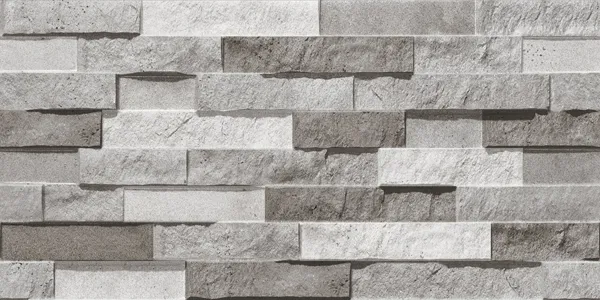 W Rockline 03
 -
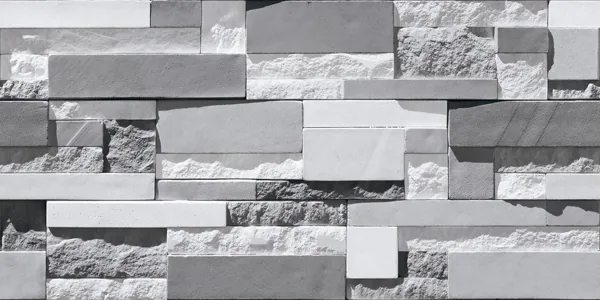 Lyon 03
 -
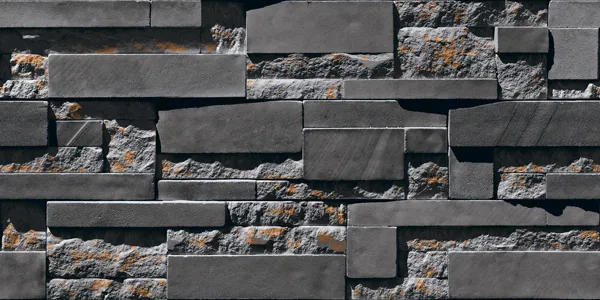 Lyon 06
 -
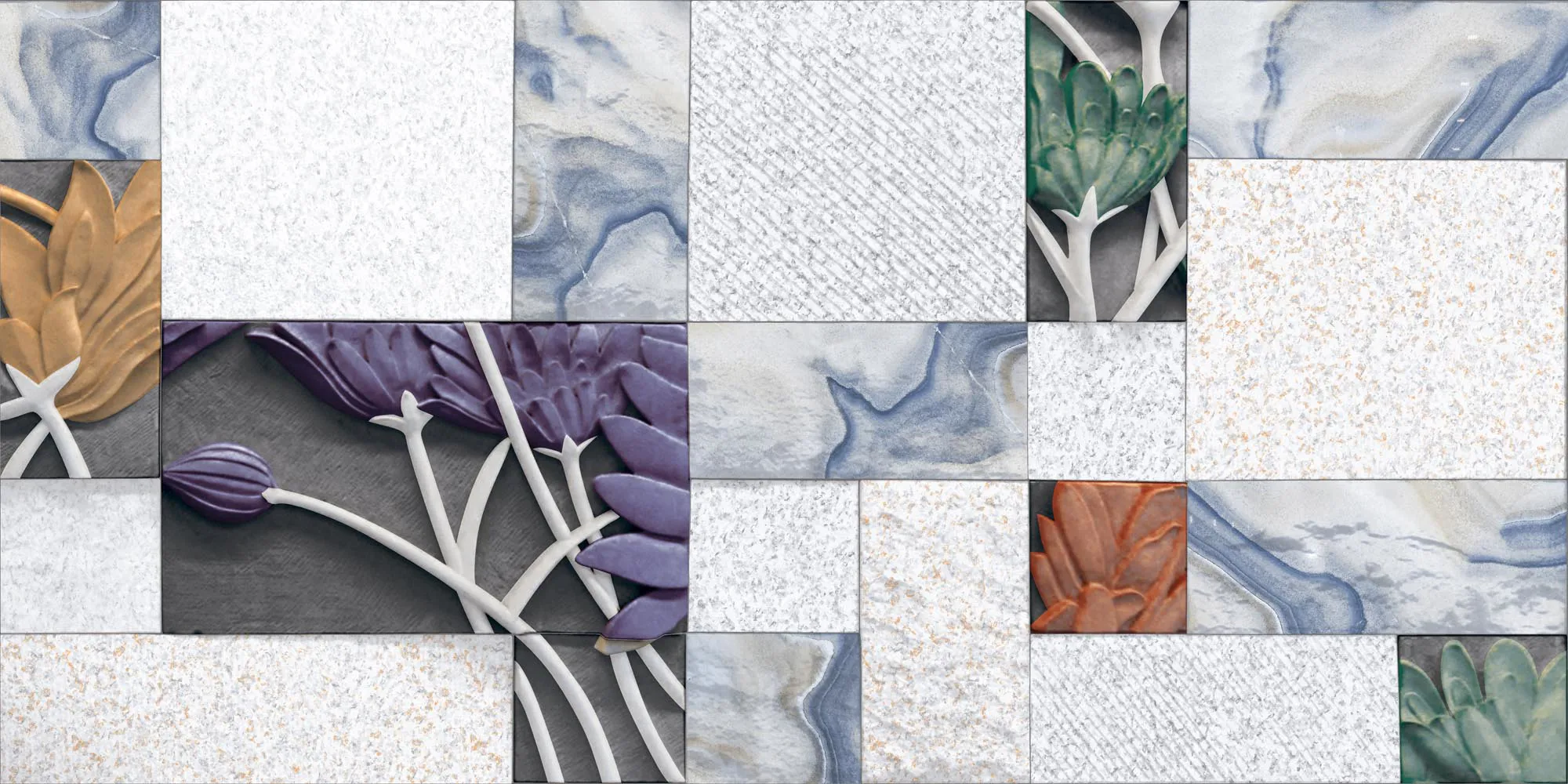 W 7813
 -
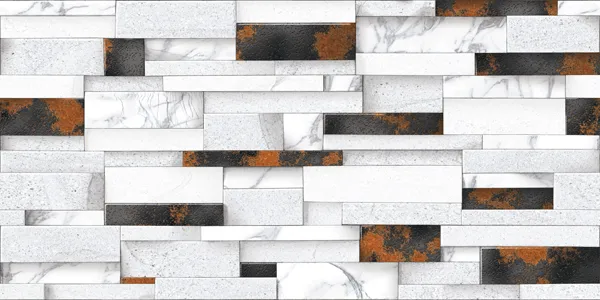 W Adam 10
 -
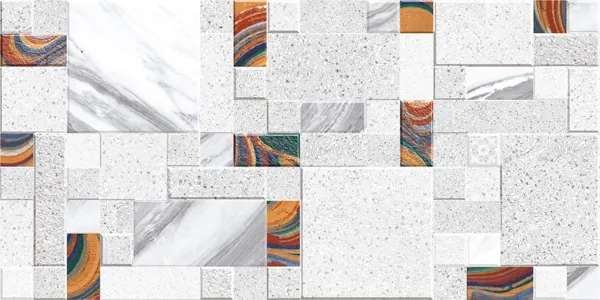 w 7613
 -
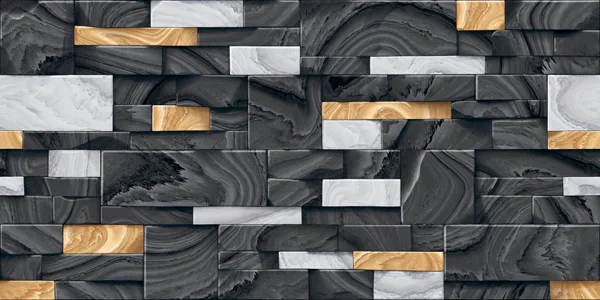 W Costa 12
 -
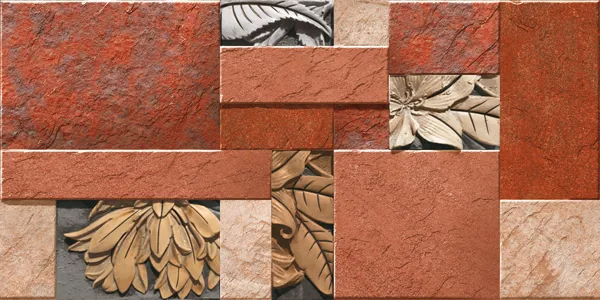 W Rio 07
 -
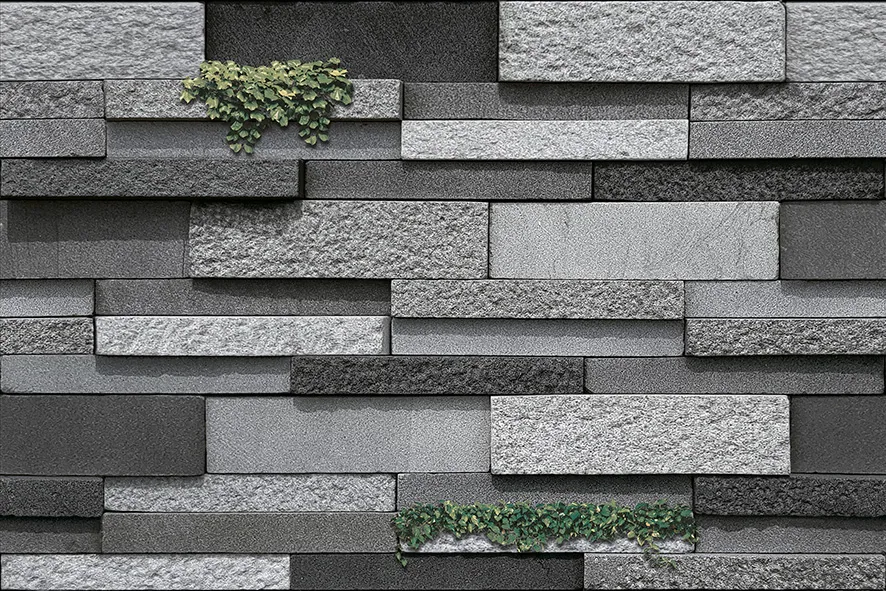 3217
3217 -
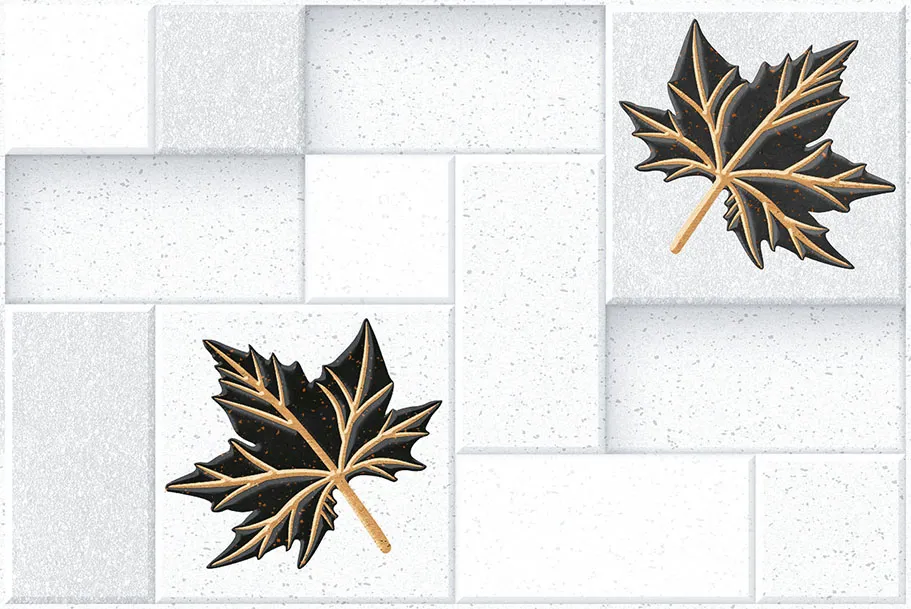 3806
3806 -
 2001
2001 -
 1501 HL 1
 -
 1835 HL
 -
 1836 HL 1
 -
 3045 HL 1
 -
 3049 HL 1
 -
 10644-D
 -
 10644-HL
 -
 10644-L
 -
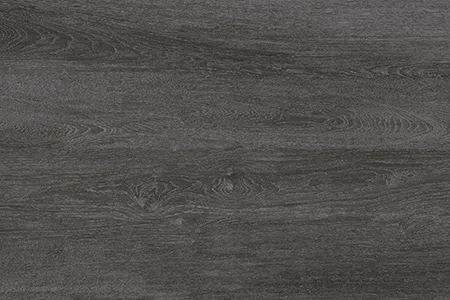 10648-D
Ceramic roof tiles on TilesFinders refer to flat, glazed ceramic tiles or vitrified tiles rated for use on a walkable rooftop terrace or deck, not the traditional interlocking clay Mangalore pattern tile used on a sloped roof. This is an important distinction, since the two are entirely different products, and TilesFinders' range covers only the flat, factory-glazed terrace tile.
This tile type is manufactured and finished the same way as an outdoor-rated floor tile elsewhere on this site, in colours including terracotta-inspired red, blue, grey, black, and white, fixed flat with adhesive over a waterproofed and sloped concrete roof slab. Anti-skid or GHR finish is standard for this application, given a rooftop's constant exposure to monsoon rain and direct sun.
Prices for ceramic roof tiles range from Rs. 45 to Rs. 100 per sq.ft from Morbi and Gujarat manufacturers, depending on colour and finish. Buyers specifically looking for traditional interlocking clay tiles for a sloped roof, verandah, or chhajja should note this is a separate, unglazed clay roofing product that TilesFinders does not currently stock.
What This Tile Actually Is, and What It Isn't
A flat concrete rooftop slab, common on Indian homes and apartment buildings, is usually left as bare concrete, painted with a waterproofing coat, or tiled over with a flat, outdoor-rated ceramic tile product for a more finished, walkable terrace surface. This is the specific application this tile type is built for, distinct from a pitched or sloped roof structure.
Genuine ceramic roof tile in this sense is manufactured identically to an outdoor-rated floor tile, pressed flat and glazed for colour, then fired to the same water absorption standards as any other ceramic floor product. It is fixed flat to the roof slab with tile adhesive, not interlocked or laid on battens the way a traditional sloped roofing tile would be.
Rooftop Terrace or Sloped Roof: Two Different Products
Ceramic tiles for rooftop is a search phrase that can mean either a flat terrace covering or a traditional interlocking roofing tile, and confirming which project applies avoids ordering the wrong product entirely. TilesFinders' ceramic roof tile range covers only the flat, adhesive-fixed terrace tile described throughout this page.
Choosing a Colour for an Exposed Terrace
Blue and grey glazed roof tiles are popular choices for a rooftop terrace, giving a cooler, more contemporary look than plain concrete while still working with most exterior colour schemes. Black glazed tiles suit a more formal, high contrast terrace, though darker colours absorb more heat under direct sun than a lighter shade would.
White and light grey tiles reflect more heat than darker colours, a genuine practical advantage on an exposed rooftop that receives direct sun for most of the day, keeping the terrace surface noticeably cooler underfoot in peak summer. Whatever colour is chosen, the finish rating matters just as much as heat reflection, a topic covered in more depth on our non-slip ceramic tiles page. Terracotta inspired red, a printed colour on a glazed ceramic body rather than genuine unglazed clay, remains popular for buyers wanting a traditional look without the maintenance real clay would need.
Waterproofing Comes Before the Tile, Not After
Waterproofing the concrete slab underneath this tile matters more on a rooftop than on a ground-level patio, since a leak here can travel down into the structure and living spaces below rather than simply pooling on the ground. A dedicated waterproofing membrane or coating should always be applied and allowed to cure before any tile adhesive goes down, and this waterproofing layer should never be skipped to save time or cost on a rooftop project.
The concrete slab also needs a slope, typically a gentle fall toward one or more drainage outlets, built in before the tile is laid, so monsoon rainfall drains away rather than pooling on the finished terrace surface. Standing water on a rooftop both shortens the life of the tile and grout and increases the risk of water finding its way through even a properly waterproofed surface over time.
Installing Tile That Has to Survive Direct Sun
Installation on an exposed rooftop needs to account for far greater temperature swings than an indoor floor or a shaded patio experiences, since direct sun can heat a dark tile surface considerably more than an equivalent indoor floor ever would. Expansion joints, spaced according to the installer's recommendation for the specific tile size and roof area, allow the tiled surface to expand and contract with this heat cycle without cracking.
Epoxy grout is strongly recommended for a rooftop installation, since it resists the combination of intense UV exposure, monsoon moisture, and temperature cycling far better than standard cement grout over the tile's lifetime. An anti-skid finish should never be substituted with a glossy or polished surface on this application, given the safety risk a wet, smooth rooftop surface presents.
Keeping a Tiled Terrace in Good Shape
Periodic cleaning of a tiled rooftop terrace prevents algae and monsoon staining from building up in the same way it would on any exposed outdoor surface, particularly in shaded or poorly drained corners of the roof. Checking that drainage outlets remain clear of debris before and during the monsoon season protects both the tile installation and the waterproofing membrane underneath it.
Cracked tiles or failed grout joints should be repaired promptly, since a compromised surface on a rooftop risks water reaching the waterproofing membrane and eventually the structure below far more directly than a similar issue would on a ground-level patio. Keeping a small stock of matching terrace tiles from the original order simplifies this kind of repair years after the initial installation.
What a Terrace Project Actually Costs
Standard glazed ceramic roof tiles for a terrace are priced from Rs. 45 to Rs. 75 per sq.ft from Morbi and Gujarat manufacturers, broadly in line with other outdoor-rated ceramic floor products. Darker colours and larger sizes generally sit toward the upper end of this range.
Waterproofing membrane, slope screed work, and epoxy grout should all be budgeted as separate line items alongside the tile price itself, since these are essential to a rooftop installation rather than optional extras. GST and freight from Gujarat should also be added to the base tile cost when planning a full rooftop terrace project.
The Standard This Product Is Tested Against
Genuine ceramic roof tiles for terrace use follow the same IS 13630 or IS 15622:2006 standards as other ceramic and vitrified floor products, depending on body type, keeping the tile stable through India's monsoon humidity and summer heat when correctly installed over a waterproofed slab. Most tiles of this type sold in India are manufactured in Morbi, Gujarat, and dispatched to dealers nationwide.
Price for this product spans Rs. 45 to Rs. 100 per sq.ft depending on colour and finish, broadly similar to other outdoor-rated ceramic floor tiles. Buyers should order ahead of the monsoon season, since waterproofing and tiling work is best completed during a dry weather window.
Confirming Your Roof Shape Before You Order
Choosing ceramic roof tiles for a terrace starts with confirming the project is a flat, walkable rooftop rather than a sloped roof needing a traditional interlocking tile, since TilesFinders' range covers only the flat, glazed terrace product. TilesFinders lists this tile alongside other outdoor ceramic tiles from Morbi and Gujarat manufacturers, with anti-skid finish and water absorption confirmed on every listing.
A correctly waterproofed, sloped, and tiled rooftop terrace, finished in a genuinely rated anti-skid tile, gives years of safe, usable outdoor space on top of an Indian home without the leaks or slip risk a poorly planned installation would create.
FAQs
No, ceramic roof tiles on TilesFinders are flat, glazed tiles for a walkable rooftop terrace, fixed with adhesive. Traditional interlocking clay Mangalore pattern tiles are a separate, unglazed roofing product for a sloped roof. TilesFinders does not currently stock the traditional interlocking roofing product.
No, this tile type is manufactured flat and fixed with adhesive, not designed to interlock or sit on battens like a sloped roof tile needs. A sloped roof needs a dedicated interlocking clay tile instead. Confirm the roof shape before ordering, since the two products are not interchangeable.
Ceramic rooftop terrace tiles are available in terracotta-inspired red, blue, grey, black, and white. Lighter colours reflect more heat and keep the surface cooler in direct summer sun. Darker colours absorb more heat but suit a more formal terrace look.
Yes, a dedicated waterproofing membrane should always be applied to the concrete slab and cured before tiling begins. A leak on a rooftop can travel into the structure and living spaces below, unlike a similar leak on a ground-level patio. This step should never be skipped to save time or cost.
Ceramic roof tiles for terrace use typically cost between Rs. 45 and Rs. 100 per sq.ft in India. Standard colours sit at the lower end, while darker shades and larger sizes cost more. Waterproofing and epoxy grout are usually budgeted separately from the tile price.
Yes, the concrete slab needs a gentle slope toward drainage outlets before tiling, so monsoon rainfall drains away rather than pooling. Standing water shortens tile life and risks water finding its way through even a waterproofed surface. This slope should be built in before the tile installation begins.
Anti-skid or GHR finish is required for a rooftop terrace tile, since a glossy or polished surface becomes dangerously slippery when wet from rain. This applies regardless of colour or size chosen. Always confirm the specific finish rating before ordering for an exposed rooftop area.