

Wood Outdoor Tiles in India: Outdoor Wood Look Tiles for Balcony, Patio and Garden
Loading designs...
-
10013 200x1000Matte -
10015 200x1000Matte -
10017 200x1000Matte -
10018 200x1000Matte -
Biscuit 200x1000Matte -
Golden Oak 200x1000Matte -
Classic Oak 200x1000Matte -
Kempas 200x1000Matte -
Mahogony 200x1000Matte -
Maple Wood 200x1000Matte -
Roman Wood 200x1000Matte -
Sedona Red 200x1000Matte -
Wenge Wood 200x1000Matte -
Mocca Oak 200x1000Matte -
Oxford Brown 200x1000Matte -
Pecan 200x1000Matte -
Satin Wood 200x1000Matte -
Florence Grey 200x1000Matte -
Marfil Brown 200x1000Matte -
Marfil Choco 200x1000Matte




















Outdoor spaces in Indian homes take a level of weather stress that no indoor room comes close to. A balcony or patio floor deals with direct sun through summer, standing water during the monsoon, and temperature swings of 15 to 20 degrees Celsius between morning and afternoon. The tile that goes on this surface needs to handle all of this without cracking, hollowing, or becoming a slip hazard after the first rain.
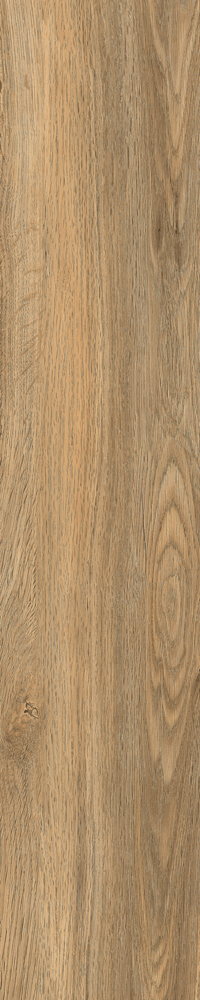
Wood outdoor tiles solve the aesthetic problem that outdoor spaces in Indian homes have always had. Timber decking rots, splinters, and warps within a few monsoon cycles. Concrete paving is functional but visually flat. A wood-look tile gives the warmth and grain of a timber deck on a surface that is impervious to water, stable through temperature changes, and safe underfoot when wet, provided the right body type and finish are specified.
Among wood tiles, outdoor use is the most restricted category because the consequences of a wrong specification are structural, not just cosmetic. A tile body that absorbs too much water in an outdoor floor eventually cracks during temperature cycling, and a polished finish on an outdoor floor is a safety hazard from the first monsoon shower. This page covers what the correct specification looks like for every outdoor zone, from a covered balcony in an apartment to an open garden path.
Why Outdoor Wood Tiles Need a Different Specification from Indoor
The distinction that matters most outdoors is between GVT and full-body vitrified tiles, two categories that are equally safe for indoor bathroom floors but behave differently in an open outdoor environment.
GVT (Glazed Vitrified Tiles) carry the wood grain pattern only on the glazed surface. The body beneath is a white or light grey clay base. When a GVT tile is cut at a drain channel, a step edge, or a perimeter, the cut edge exposes this white body. Outdoors, that exposed edge is permanently visible and does not match the wood grain surface. On an interior floor, this is rarely noticeable. On a balcony or patio where step edges and perimeter cuts are prominent, it reads poorly.
Full-body vitrified tiles carry the grain pattern through the entire tile depth. Cut edges show the same tone and grain as the surface. This makes them the standard specification for outdoor wood look tiles on any surface where exposed edges are visible. Full body vitrified wood tiles absorb 0.05% water, which is the same as GVT, but the through-body construction gives them better resistance to the mechanical stresses of outdoor laying on sand-cement screed over a soil or concrete sub-base.
Porcelain wood tiles absorb 2% to 5% water. In an outdoor floor that is rained on directly for four to six months every year, this absorption rate means the tile body is taking in measurable water repeatedly. When the temperature drops at night and the moisture inside the tile body contracts, the tile face develops micro-cracks over time. In Gujarat and northern India, where winter nights bring temperatures below 10 degrees Celsius, this cycle is significant enough to cause visible cracking within two to three years. For this reason, porcelain must not be used on outdoor floors in India.
Note: PGVT must not be used outdoors under any circumstances. The polished surface is dangerously slippery on wet outdoor floors. Ceramic is wall-only and is entirely unsuitable for outdoor use. The only safe specifications for outdoor wood look floors are full body vitrified with GHR finish for open outdoor areas and GVT or full body vitrified with GHR or matte finish for covered areas.
| Body Type | Open Outdoor | Covered Outdoor | Water Absorption | Reason |
| Full Body Vitrified | Yes | Yes | 0.05% | Grain through full body; cut edges stable |
| GVT | Not recommended | Yes | 0.05% | Cut edges show white body; glaze-only surface |
| Porcelain | No | No | 2% to 5% | Absorbs too much water for any outdoor floor |
| Ceramic | No | No | 12% to 16% | Wall only; completely unsafe for outdoor floors |
| PGVT | No | No | 0.05% | Polished finish is slippery when wet |
Wooden Tiles for Balcony Floors: Covered vs Open
The distinction between a covered and an open balcony changes the specification in one important way. A covered balcony with a solid roof above and a parapet wall that prevents direct rain from reaching the floor stays relatively dry even during heavy monsoon downpours. This environment is closer to an indoor wet room than a fully exposed outdoor space, and GVT matte or GHR wood look tiles perform adequately here at Rs. 55 to Rs. 120 per sq.ft.
An open balcony that receives direct rain is a different environment entirely. The floor sits under standing water during heavy downpours, dries under direct sun the next morning, and repeats this cycle hundreds of times across a monsoon season. Full body vitrified tiles with GHR finish at Rs. 90 to Rs. 180 per sq.ft are the minimum specification for this surface. The drainage slope is equally important: a fall of at least 1:100 (1cm for every 100cm of floor) must be built into the screed beneath the tiles so water moves toward the drain rather than pooling on the surface.
For balcony wood flooring tiles in a plank format, the 200x1000mm (8x40) size creates a strong timber-deck look on a covered balcony. On an open balcony, the 600x600mm (2x2) square format is more practical because it is easier to lay with a consistent drainage slope across a surface that may not be perfectly level. Plank tiles on an open balcony require very precise screed work to achieve a uniform slope across the narrow tile width.
Note: Always check whether the balcony waterproofing membrane is intact before laying tiles. In apartments where the balcony slab is above a room below, a failed waterproofing layer beneath the tile bed causes seepage into the ceiling of the room below. Rectify the waterproofing before any tiling work begins.
Wood Patio Tiles: Open and Covered Patio Specifications
A patio floor takes the same weather exposure as an open balcony but typically covers a larger area and may sit over soil, a garden bed, or a concrete plinth rather than a structural slab. The sub-base preparation for patio tiles is therefore more involved than for a balcony, and getting it right determines whether the tiled surface remains level and stable for years or develops hollows and cracked tiles within a season.
For a patio over a concrete plinth, a 50mm sand-cement screed at 1:4 mix over the concrete surface gives a stable, level bed for full-body vitrified wood look tiles. Expansion joints every 3 metres in both directions, filled with flexible silicone sealant, allow the tile bed to expand and contract with temperature changes without building up compressive stress. On a large patio of 200 square feet or more, skipping expansion joints almost always results in tenting tiles within two summer seasons.
For a covered patio or verandah that stays dry, a wood-effect patio design in a 600x1200mm (2x4) board format gives a wide plank look across the full patio area. The fewer grout joints in a larger tile make a small covered patio feel more continuous and less busy than a grid of smaller tiles. Wood look patio tiles in this format from full body vitrified start from Rs. 95 per sq.ft in GHR matte finish.
For an open patio exposed to full rain, the 600x600mm (2x2) square format is the more forgiving specification. It handles minor sub-base movement better than a long plank tile and generates less waste around the perimeter cuts. Patio tiles with a wood effect in this size and full body vitrified body cost Rs. 90 to Rs. 140 per sq.ft.
Wooden Garden Tiles and Garden Path Specifications
Garden paths are the most demanding outdoor application for any tile because the sub-base is soil rather than a structural slab, and soil sub-bases compress unevenly under foot traffic over time. A tile on a garden path must handle flex loading from the sub-base below, direct rain from above, and the point load of a single person's weight on a tile that may not be fully supported across its entire underside.
Full body vitrified tiles in 600x600mm (2x2) format with GHR finish are the only wood grain tile category that handles this reliably in an Indian garden. The sub-base for garden tiles must be compacted to at least 75mm of aggregate or gravel, topped with 50mm of sand-cement screed, before any tile is laid. Laying garden tiles on a thin screed over uncompacted soil produces a path that sinks, cracks, and becomes uneven within one monsoon season.
Wood effect garden tiles in a warm beige or grey grain tone suit garden paths in Indian homes where the path connects the house entry to a boundary gate or garden seating area. The wood grain pattern is more contextually appropriate for a garden setting than a plain stone-look tile and sits visually alongside planted borders and timber garden furniture without competing with either.
Grout joints on garden path tiles should be filled with epoxy grout or with a dry-packed cement and sand mix that is swept into the joint and compacted. Ordinary cement grout on an outdoor garden path cracks within a few seasons as the sub-base moves slightly. Epoxy grout stays intact and does not allow weed growth into the joint.
Anti-Skid, Moss, and Maintenance: What Outdoor Wood Tiles Need Over Time
Anti-Skid Performance
GHR (Glaze High Resistance) finish is the correct anti-skid specification for all open outdoor wood look tiles. It gives a textured surface that provides grip even when the tile is wet from rain or garden watering. Standard matte finish tiles are acceptable for covered outdoor areas where the floor does not get directly rained on. Any finish with a polished, glossy, or semi-polished surface is a slip hazard on any outdoor floor and must never be specified for exterior use.
Moss and Algae
Shaded outdoor areas in India develop moss and algae on tile surfaces during and after the monsoon. GHR finish tiles attract slightly more organic growth than smooth surfaces because the texture gives moss more grip. This does not make GHR the wrong choice because the anti-skid benefit outweighs the slightly higher cleaning frequency. A diluted white vinegar solution applied with a stiff brush every two to three months during the monsoon season keeps moss from establishing in the grout joints and on the tile surface. Do not use acid-based cleaners on vitrified tiles as they damage the glaze and increase surface porosity.
Expansion Joints and Long-Term Stability
Outdoor tile floors expand in summer heat and contract on cool winter nights. Vitrified tiles used outdoors need a flexible expansion joint every 3 metres in both directions, and at every junction with a wall, column, or step edge. The joint is filled with a UV-stable silicone sealant, not grout. A tiled outdoor area without expansion joints will develop cracked or tented tiles within two to three summer seasons in most parts of India. This is one of the most commonly skipped steps in outdoor tile installations and one of the most expensive to fix after the fact.
Wood Tiles Indoors and Outdoors: Where the Specification Changes
The body type, finish, bedding method, and maintenance routine for outdoor wood look tiles are all different from their indoor counterparts. Indoors, a GVT matte plank tile on a bedroom floor is a straightforward, long-lasting specification. The same tile taken outside to a balcony or patio introduces a different set of demands that GVT's glaze-only construction is not designed to meet in every outdoor scenario.
For buyers who are tiling both an outdoor balcony and a bathroom in the same project, the bathroom specification requires its own separate set of decisions around body type, finish, shower zone waterproofing, and grout selection. The full guidance on wood look tiles for Indian bathrooms, including the zone-by-zone specification for floors, walls, and shower areas, is on the wooden bathroom tiles page.
Size and Zone Reference for Outdoor Wood Tiles
| Size (mm) | Alias | Best Outdoor Use | Slope Ease | Price Rs./sq.ft |
| 600x600 | 2x2 | Balcony, patio, garden path | Easiest | Rs. 90 to Rs. 140 |
| 600x1200 | 2x4 | Large balcony, covered patio | Moderate | Rs. 95 to Rs. 160 |
| 200x1000 | 8x40 | Balcony plank look, covered patio | Requires care | Rs. 90 to Rs. 150 |
| 200x1200 | 8x48 | Large covered balcony, patio | Requires care | Rs. 95 to Rs. 165 |
| Outdoor Zone | Body Type | Finish | Bedding | Price Rs./sq.ft |
| Covered balcony (roof above) | GVT or Full Body Vitrified | GHR, Matte | Tile adhesive or sand-cement | Rs. 55 to Rs. 150 |
| Open balcony (direct rain) | Full Body Vitrified | GHR | Sand-cement screed | Rs. 90 to Rs. 180 |
| Covered patio / verandah | Full Body Vitrified | GHR, Matte | Sand-cement screed | Rs. 90 to Rs. 180 |
| Open patio (exposed to rain) | Full Body Vitrified | GHR | Sand-cement screed, 75mm sub-base | Rs. 90 to Rs. 180 |
| Garden path | Full Body Vitrified | GHR | 75mm compacted aggregate + 50mm screed | Rs. 90 to Rs. 180 |
Wood Effect Porcelain Tiles Outdoor: Why Porcelain Is Not the Right Choice
A common search among buyers planning outdoor projects is for wood-effect porcelain tiles for outdoor use. Porcelain is denser than ceramic and handles moisture better than ceramic does, which leads some buyers to assume it is suitable outdoors. In India's outdoor conditions, it is not. The 2% to 5% water absorption of porcelain means the tile body cycles through wet and dry states with every rain event. Over time and through temperature changes, this cycling produces surface crazing and eventual body cracking. Full-body vitrified tiles at 0.05% absorption do not have this problem because the moisture uptake per rain event is near zero. For any outdoor wood look tile project, full-body vitrified is the specification that holds up. Porcelain is the correct specification for dry indoor rooms, not outdoor floors in India.
Monsoon Season and Outdoor Wood Look Tiles in India
The Indian monsoon is the defining stress event for any outdoor tile specification. From June to September, open balconies and patios in Gujarat, Maharashtra, Karnataka, and coastal states receive 600mm to over 1,500mm of rainfall. A tile floor that is inadequately sloped pools this water on the surface for hours at a time. A tile body that absorbs moisture takes that water into the tile and the bedding layer beneath. Full-body vitrified outdoor wood tiles with a properly constructed drainage slope, expansion joints in place, and epoxy grout in all joints handle this rainfall load without any structural effect on the tile or the bedding.
Outdoor Wood Tiles from Morbi: Availability and Prices
Full-body vitrified wood look tiles for outdoor use are manufactured in Morbi, Gujarat, in the same facilities that produce GVT and PGVT for indoor use. The outdoor-relevant size range from Morbi includes 600x600mm (2x2), 600x1200mm (2x4), 200x1000mm (8x40), and 200x1200mm (8x48) in full body vitrified with GHR and matte finishes. Prices for outdoor wood look tiles in full body vitrified from Morbi start from Rs. 90 per sq.ft for 600x600mm GHR and reach Rs. 180 per sq.ft for large plank formats with detailed grain patterns. GVT wood look tiles for covered balcony use start from Rs. 55 per sq.ft. Prices vary by brand, grain complexity, size, and order quantity.
Outdoor Wood Tiles Listed by Zone and Finish on Tilesfinders
Full body vitrified wood look tiles in GHR finish for open balconies, patios, and garden paths, and GVT matte wood look tiles for covered balcony use, are listed on TilesFinders with body type, water absorption rate, finish grade, and size alias on every product card. Use the category filter to select full body vitrified and the finish filter to narrow to GHR for open outdoor areas, or matte for covered zones.



FAQs
Full-body vitrified tiles with GHR or matte finish are the correct specification for outdoor wood look flooring in India. Full body vitrified tiles absorb 0.05% water and carry the grain pattern through the entire tile body, so cut edges at drainage channels, and step edges do not show a white clay body beneath the surface. GVT wood look tiles work on covered balconies with adequate roof protection, but are not recommended for fully open outdoor areas exposed to direct monsoon rain. Porcelain, ceramic, and PGVT must never be used outdoors on any floor.
Yes, with the correct specification. A covered balcony with a parapet wall and roof overhang that keeps the floor mostly dry during rain is suitable for GVT matte or GHR wood look tiles. An open balcony that receives direct rain during the monsoon requires full-body vitrified tiles with GHR finish and a proper drainage slope of at least 1:100 away from the building wall. Never use porcelain, ceramic, or PGVT tiles on any balcony floor, covered or open.
A slope of 1:100 (1cm fall for every 100cm of floor length) is the minimum for outdoor wood tile floors, including balconies and patios. This ensures rainwater drains toward the gutter or drain point and does not pool on the surface. A steeper slope of 1:80 is advisable for open patios and garden paths where heavy monsoon downpour is expected. The slope must be built into the sand-cement screed before tiles are laid, not shimmed under individual tiles.
Wood look outdoor tiles in GHR finish are not slippery when wet. GHR (Glaze High Resistance) finish gives an anti-skid surface texture that meets outdoor floor safety requirements. Matte finish is also acceptable for covered outdoor areas. Never use Polished Glossy, Polished High Glossy, Satin Matte, or any semi-polished finish on outdoor floors. These finishes become dangerous when wet and are completely unsuitable for open outdoor areas exposed to rain.
The 600x600mm (2x2) size is the most practical for balconies up to 100 square feet. It cuts cleanly around drainage outlets and parapet walls and keeps waste below 10%. The 600x1200mm (2x4) board format works on larger balconies of 150 square feet and above. For small apartment balconies in India, the 200x1000mm (8x40) plank tile creates a strong timber-deck look but requires more precise slope management for drainage. All outdoor balcony tiles must have GHR or matte finish.
A diluted white vinegar solution (1 part vinegar to 3 parts water) applied with a stiff brush removes moss and algae from outdoor wood tile surfaces without damaging the glaze. For heavier growth, a commercial tile cleaner approved for vitrified surfaces works effectively. GHR finish tiles attract slightly more moss in shaded outdoor areas than highly polished surfaces because the textured surface gives more grip for organic growth. Cleaning every two to three months during and after the monsoon season prevents moss from establishing in the grout joints.
Full body vitrified wood look tiles with GHR finish can be used on a garden path that has a stable, compacted sub-base. The sub-base must be at least 75mm of compacted sand or aggregate beneath a 50mm sand-cement screed before tiles are laid. Garden tiles in a wood effect design in 600x600mm (2x2) format are the most practical for paths because they handle point loads from foot traffic without flexing. Never use GVT or porcelain for garden paths because their tile body is less resistant to the flex loading that a path over soil experiences.
Yes. Expansion joints are mandatory in outdoor wood tile floors. Tiles expand and contract with temperature changes, and without a relief joint the tile bed builds up compressive stress that eventually causes tiles to tent and crack. Expansion joints should be placed every 3 to 4 metres in both directions for outdoor vitrified tile floors. Use a flexible silicone sealant in expansion joints, not grout. Expansion joints at the perimeter of the tiled area, where the floor meets a wall or parapet, are also required.