

Kitchen Backsplash Tiles: Design, Colour and Style Guide for Indian Kitchens
Loading designs...
-
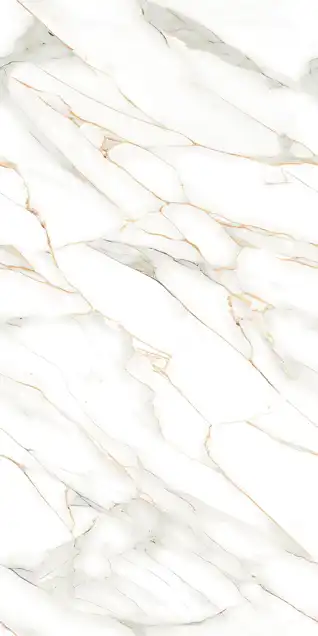 7007
7007 -
 7038
7038 -
7039
-
7040
-
7041
-
BRASS-MULTY
-
EBANA-BIANCO
-
EBANA-MIST
-
FOGG-AQUA
-
FOGG-BLUE
-
FOGG-GREY
-
FOGG-SILVER
-
STATUARIO-STREET
-
VISUAL-BLUE
-
VISUAL-GREEN
-
VISUAL-MULTY
-
Artsy Nero
-
Kebon Blue
-
Kebon Nero
-
Oyx Black




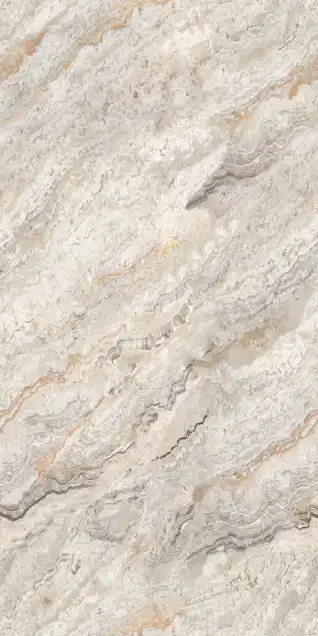

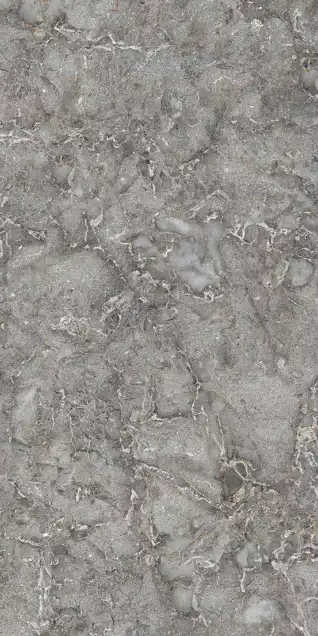










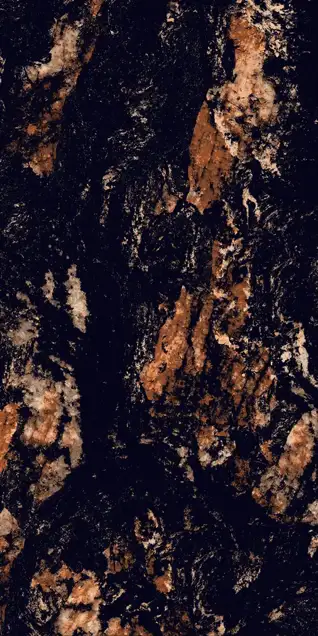
The kitchen backsplash tile is the surface in a home where design freedom is at its highest, and the functional constraint is at its lowest. As a component of a complete backsplash tiles installation, the kitchen backsplash does not face floor traffic, outdoor weather, or the food-contact hygiene demands of the kitchen worktop. It needs to be wiped clean, and it needs to look right in the context of the kitchen it sits in. The tile colour, pattern, and texture that is right for a white modular kitchen with grey countertops is different from the right tile for a dark wood traditional kitchen or a sleek black-and-stainless modern kitchen. Getting the kitchen backsplash right is a coordination decision first, a tile specification decision second.
Indian kitchens have specific characteristics that shape the backsplash tile decision differently from kitchens in other countries. The hob is typically a gas hob with open flames, which means the backsplash behind the cooking zone takes more intense cooking splatter, oil, and heat than in a kitchen with an induction or electric flat hob. Indian cooking, with its daily use of turmeric, red chilli, tamarind, and cooking oil, means the backsplash surface needs to be genuinely easy to wipe clean, not just theoretically cleanable. And the visual character of Indian kitchens, from compact apartment modular kitchens to large independent home cooking spaces, varies enough that the same backsplash tile direction does not work equally well across all contexts.
This page covers the kitchen backsplash tile decision as it is actually made: by starting with the kitchen that already exists or is being planned, understanding what the cabinet colour, worktop material, and kitchen style call for, and then working through the tile colour, pattern, and format that answers those specific conditions.
How to Choose a Kitchen Backsplash Tile: Start with the Cabinet
The single most important visual relationship in a kitchen is between the cabinet face and the backsplash tile. The backsplash is always seen against the cabinet face on either side, which means the tile colour reads in relation to the cabinet colour first and everything else second. Every other backsplash decision, including pattern, finish, and format, is secondary to getting this relationship right.
| Cabinet Colour | Backsplash Tile Direction That Works | Why |
|---|---|---|
| White or off-white | Green, sage, or navy GVT; grey subway; marble-look polished GVT; black matte ceramic | White cabinets are neutral and accept any backsplash colour or pattern; the backsplash becomes the kitchen's colour statement |
| Light grey or greige | White subway or off-white ceramic; marble-look in Carrara white; warm beige stone-look | Light grey cabinets are cool and benefit from a slightly warmer or neutral backsplash that prevents the kitchen from feeling cold |
| Dark grey or charcoal | White or cream subway; light marble-look; pale green or sage | Dark cabinets are heavy; a light backsplash creates contrast that lifts the kitchen and prevents it from feeling enclosed |
| Warm wood or teak finish | Off-white or cream ceramic; warm stone-look GVT; terracotta or brick-look; sage green | Wood cabinet faces have inherent warmth; the backsplash should stay in the warm or neutral zone to harmonise rather than contrast |
| Navy or deep blue | White subway; cream marble-look; warm off-white glossy ceramic | Dark coloured cabinets need a light backsplash for contrast; avoid another strongly coloured backsplash against a coloured cabinet |
| Black or very dark | White, cream, or light grey subway; pale marble-look; metallic-look GVT | Black cabinets are a design statement; the backsplash should be light enough to create contrast and prevent the kitchen from closing in |
The Three Zones of a Kitchen Backsplash
A kitchen backsplash is often thought of as a single surface, but in a standard Indian modular kitchen, it covers three functionally and visually different zones: the hob zone, the sink zone, and the general wall zone between them and on either side. The backsplash tile sits directly above the kitchen worktop, which means the worktop material and colour are always seen together with the backsplash.
The hob zone is the most important and most exposed section. It receives direct cooking splatter, oil, and the highest steam concentration. The tile here needs to be wiped clean completely. A polished or glossy tile in the hob zone is the most practical choice. A deeply textured or rough matte tile in the hob zone holds cooking residue in the texture pockets and requires more effort to clean after every cooking session. Epoxy grout is strongly recommended at the hob zone joints.
The sink zone faces water spray, soap, and the splatter from washing produce and dishes. This zone benefits from the same glossy or smooth finish as the hob zone. Epoxy grout at the sink zone is mandatory: the combination of daily water exposure and soap accelerates the staining of cement grout joints at the sink.
The general wall zone between and on either side of the hob and sink zones sees the least exposure. This zone can accommodate more textured or pattern-intensive tiles that would be harder to maintain at the hob and sink. A strongly patterned Moroccan or decorative tile, a herringbone layout, or a 3D surface tile works well as the general backsplash zone tile where cleaning frequency is lower.
Kitchen Backsplash Colour Guide
White Kitchen Backsplash
A white kitchen backsplash is the most used and the most forgiving choice for an Indian kitchen across all cabinet colours and kitchen sizes. White reflects light from the kitchen's overhead LEDs and from any natural light source, which makes compact Indian kitchens feel noticeably brighter and larger. White is also the colour that reads as the most professionally clean after wiping: a white backsplash looks freshly cleaned whenever the surface is wiped, which is a significant practical advantage in a kitchen where cooking happens daily.
The most used white kitchen backsplash tile in Indian homes is a plain ceramic tiles in glossy finish in 200x300mm or 300x600mm in a straight or running bond. The glossy white ceramic backsplash is available from Rs. 28 to Rs. 55 per sq. ft., making it the most affordable correctly specified backsplash option. A white GVT in a subway proportion or a large-format white PGVT panel in polished finish are the premium version of the white kitchen backsplash, giving the same visual quality at a higher surface finish level. Kitchen splashback white directions: pure bright white for a contemporary, clean look, warm ivory or cream white for a slightly softer, warmer kitchen character.
Green Backsplash
Green tile backsplash options have become the dominant searched colour direction in Indian kitchen design in recent years. The appeal is a kitchen that feels warm, botanical, and alive without the maintenance complexity of an actual indoor garden. Sage green, a warm grey-green that reads differently under different lighting conditions, is the most used green backsplash direction: under morning daylight, it reads as fresh and muted, under warm evening kitchen lighting, it reads as warm and earthy. Deep bottle green or forest green backsplash tiles give a bolder, more dramatic quality that works in kitchens with white or light grey cabinets and creates a composition close to an English country kitchen in atmosphere.
Green backsplash tile options on GVT and ceramic: sage green glossy ceramic in a subway proportion in 300x600mm is the most accessible option (Rs. 35 to Rs. 65 per sq ft). A forest green GVT in a matte or satin finish in 300x600mm gives a more contemporary, less glossy quality. An olive or warm khaki green in a small square format (150x150mm or 200x200mm) gives the kitchen a more handcrafted, artisan quality. The key design rule for green backsplash tiles: the green must coordinate with at least one other element in the kitchen, whether the cabinet hardware, a small textile, or the plant palette visible through the kitchen window.
Blue Backsplash Kitchen
Blue backsplash kitchen tiles range from powder blue and duck-egg blue for soft, coastal kitchen aesthetics to navy and cobalt for high-contrast contemporary kitchens. Blue backsplash tiles work best against white or light-toned cabinets and worktops: a blue backsplash against dark cabinets loses the visual pop that makes the blue effective as a design statement. In Indian kitchens, blue backsplash tiles are most used in apartments and newer homes where the design intention is a contemporary, styled kitchen rather than a functional-first space.
Navy blue ceramic or GVT in a glossy finish in a 300x600mm horizontal stack is the most striking blue backsplash direction for a white kitchen. Powder blue or duck-egg blue in a smaller square format gives a softer, more Scandinavian quality. Moroccan-look blue and white patterned GVT tiles, which reference the traditional blue and white tile traditions of North Africa and the Iberian peninsula, give a kitchen a character-rich, globally-inspired backsplash quality. Price range: Rs. 35 to Rs. 90 per sq ft for blue backsplash tiles from Morbi.
Black Backsplash Kitchen
A black kitchen backsplash is a high-contrast, contemporary choice that works in kitchens where the design intention is bold and graphic rather than soft and warm. A matte black ceramic or GVT tile in a square or subway format against white cabinets and a light worktop creates one of the strongest visual statements available in a kitchen tile. The black backsplash absorbs rather than reflects kitchen light, which gives the cooking zone a recessed, dramatic quality.
The practical consideration for a black backsplash in Indian kitchens: white limescale from hard Indian water is highly visible on a black backsplash surface, particularly at the sink zone. A black glossy backsplash shows every water splash and requires daily wiping to look maintained. A matte black backsplash hides watermarks better than glossy black but still shows mineral deposits over time. Regular descaling at the sink zone keeps the black backsplash clean. Epoxy grout in a matching dark grey or black at all backsplash joints prevents the white grout line visible in cement grout from disrupting the uniformity of a black backsplash. Price range: Rs. 38 to Rs. 85 per sq ft.
Kitchen Backsplash by Style
Farmhouse Kitchen Backsplash
The farmhouse kitchen backsplash aesthetic in Indian homes references a warm, domestic, hand-crafted quality: white or cream subway tiles in a running bond, brick-look GVT in terracotta-red or warm white, or a beadboard-look ceramic panel that replicates the tongue-and-groove timber panelling of traditional farmhouse kitchens. The defining characteristic of a farmhouse backsplash is warmth and texture rather than sleek minimalism.
Farmhouse backsplash options for Indian kitchens: white or cream ceramic glossy in 300x600mm or 200x300mm in a horizontal running bond is the most accessible farmhouse backsplash tile (Rs. 28 to Rs. 60 per sq ft). A white GVT brick-look in a running bond in 300x600mm gives a slightly more textured farmhouse quality. A terracotta-look GVT in a 300x300mm square format gives a Southern Indian kitchen a warm, traditional-meets-contemporary quality that suits the earthy palette of Tamil Nadu and Karnataka kitchen interiors.
Modern Kitchen Backsplash
Modern kitchen backsplash tiles in Indian residential design follow the same direction as modern interior design broadly: large format, minimal grout lines, neutral or deliberately accented colour, and a surface that reads as precision and quality from across the kitchen. The modern backsplash is characterised by the absence of visual busyness: no strongly patterned tiles, no multiple sizes mixing, and no colour combinations that compete with the cabinet and worktop.
The three most used modern kitchen backsplash directions in India: a large-format PGVT polished panel in off-white or light grey in 600x1200mm or 800x1600mm running floor to ceiling as a full-height backsplash (the most design-conscious option), a white or light grey GVT in a large-format subway proportion in 300x600mm in a horizontal running bond (the most accessible contemporary option), and a concrete-look or stone-look matte GVT in 300x600mm or 600x600mm that gives the kitchen an industrial, contemporary quality without the strong colour accent of green or blue. Price range: Rs. 45 to Rs. 140 per sq.ft.
Rustic Backsplash
A rustic kitchen backsplash uses tiles that reference natural, aged, or handcrafted materials: brick-look GVT in terracotta-red or grey, slate-look GVT in dark charcoal, stone-look GVT in buff sandstone, or terracotta-look GVT in warm earth tones. The rustic backsplash works in kitchens with wooden cabinet faces, stone-look countertops, and a warm overall palette.
For an Indian rustic kitchen backsplash, the most appropriate tile directions are brick-look GVT in 300x600mm terracotta-red in a running bond (gives the kitchen the warmth of an exposed brick wall without the cleaning difficulty of actual brick), stone-look GVT in slate or sandstone in 300x600mm in a stack bond (natural texture that absorbs rather than reflects kitchen light, creating a matte, grounded kitchen backdrop), and terracotta-look GVT in 300x300mm matte finish in warm red-orange tones that reference the hand-fired terracotta tile traditions of Indian regional architecture.
Mid-Century Modern Backsplash
The mid-century modern backsplash aesthetic references the geometric, warm-toned, and boldly patterned kitchen design of the 1950s to 1970s: terrazzo-look tiles with speckled aggregate patterns, geometric encaustic-look tiles in earth tones and black, or mosaic-look GVT in small-format square or hexagonal arrangements. The mid-century modern backsplash gives the kitchen a retro quality that is being actively revived in Indian apartment interiors, where the design intention is distinctive and personal rather than generic contemporary.
Mid-century modern backsplash tile options in GVT from Morbi: terrazzo-look GVT in 300x300mm with a speckled aggregate surface print in warm grey, cream, and terracotta tones (Rs. 48 to Rs. 85 per sq.ft), geometric encaustic-look patterned GVT in 150x150mm or 200x200mm in combinations of black, terracotta, and ivory (Rs. 50 to Rs. 95 per sq.ft), and hexagon-proportion surface design tiles in small mosaic-look arrangements in black, white, or earth tones. These tile directions work best as a focused panel behind the hob rather than across the full backsplash length.
Glass-Look and Quartz-Look Backsplash Tiles
Two backsplash tile categories that appear frequently in Indian searches are glass backsplash tiles and quartz backsplash tiles, both of which refer to different things in the tile versus construction materials market.
Glass backsplash tiles, as individual glass mosaic or glass subway pieces, are not standard products in the GVT and ceramic tile range from Morbi. The visual quality that glass tiles are associated with, namely high reflectivity and a bright, jewel-like quality, is achieved in the tile range through metallic-look or high-gloss GVT tiles with a deeply reflective polished surface. A white polished PGVT panel or a metallic-finish GVT tile gives a backsplash a reflective, light-amplifying quality that functions similarly to glass tile in a kitchen context, at a lower cost and with a simpler installation.
Quartz backsplash tiles in the search context typically refer to a quartz slab used as a backsplash continuation from the countertop, where the same quartz material runs up the wall behind the counter. In the tile market, quartz-look is achieved through terrazzo-look GVT tiles with a speckled aggregate surface pattern that replicates the consistent, speckled quality of engineered quartz slabs. These tiles in 300x300mm or 300x600mm in a warm grey or cream speckle give a kitchen the quartz-look backsplash aesthetic at a tile price point.
Unique Backsplash Ideas for Indian Kitchens
A unique kitchen backsplash in the Indian home context means a tile that gives the kitchen a specific, personal character rather than the generic contemporary look of a plain white subway tile or a standard grey GVT. Three tile directions achieve this most effectively without sacrificing the cleanability that an Indian cooking kitchen demands.
- The focused hob surround panel: Rather than tiling the full backsplash length in a strongly patterned tile, use a distinctive tile (Moroccan-look, decorative print, mid-century geometric) for a contained panel of four to six tiles directly behind the hob, with a plain coordinating tile on either side. The pattern reads as a deliberate frame for the cooking zone rather than a busy surface across the full kitchen wall.
- The two-height treatment: Tile the hob zone from worktop to full ceiling height in a plain or marble-look large-format tile, and use the standard backsplash height tile for the remaining counter sections. This creates a visual focal point at the cooking zone while keeping the rest of the backsplash clean and simple.
- The grout-as-design-element: A white tile with a contrasting dark grey or charcoal epoxy grout creates a backsplash that looks entirely different from the same tile with a white matching grout. The grout lines become a design element in themselves, giving a plain tile a graphic, grid-like quality at no additional tile cost. This technique works particularly well with square-format tiles in 150x150mm or 200x200mm, where the grid is dense enough for the grout colour to be a significant visual element.
Kitchen Backsplash Tile Pricing from Morbi
Kitchen backsplash tiles from Morbi, Gujarat, cover the full price range from affordable ceramic entry-level to premium PGVT full-height panels. All prices are retail range (25% to 40% above ex-factory). A standard Indian apartment kitchen backsplash of 20 to 30 square feet can be completed in tile material for Rs. 600 to Rs. 4,000 at the affordable-to-mid-range specification, and Rs. 2,000 to Rs. 10,000 at the premium specification, before installation cost.
Installation cost for kitchen backsplash tiles: Rs. 25 to Rs. 45 per sq ft for standard straight or running bond. Herringbone and chevron add Rs. 12 to Rs. 20 per sq.ft. Large-format PGVT panels in 600x1200mm and above add Rs. 15 to Rs. 25 per sq.ft for the precision alignment required.
Choose the Right Kitchen Backsplash Tile
Kitchen backsplash tile selection starts with the cabinet colour and the kitchen style, then moves to the tile direction and colour that coordinates the space, and finally to the format and pattern that suits the backsplash zone in the specific kitchen layout. Browse ceramic, GVT, and PGVT kitchen backsplash tiles in white, green, blue, black, marble-look, stone-look, and geometric directions on TilesFinders.
FAQs
White or off-white ceramic glossy tiles in 300x600mm are the most practical kitchen backsplash tile for Indian kitchens: they wipe clean easily after daily cooking, work with any cabinet colour, reflect kitchen light to make compact spaces feel brighter, and are the most affordable option at Rs. 28 to Rs. 60 per sq.ft. For a designed kitchen backsplash, GVT in a specific colour (green, blue), marble-look, or a herringbone layout gives a more considered visual result at a moderate price premium.
White and light-coloured cabinets accept any backsplash tile colour or pattern and let the backsplash be the kitchen's design statement. Dark cabinets (charcoal, navy, black) need a lighter backsplash for contrast: a white, cream, or light marble-look tile keeps the dark kitchen from feeling enclosed. Warm wood-finish cabinets need a warm or neutral backsplash: off-white ceramic, warm stone-look GVT, or terracotta tones all work. Avoid a strongly coloured backsplash against a strongly coloured cabinet: one of the two surfaces should be neutral.
Glossy finish is the most practical kitchen backsplash finish for Indian cooking. Cooking oil, turmeric, red chilli, and curry splatter all wipe off a smooth, glossy surface with a damp cloth and standard kitchen detergent. Matte and textured backsplash tiles hold cooking residue in the surface texture and require more cleaning effort after each heavy cooking session. Glossy may look less contemporary than matte in some kitchen aesthetics, but its practical cleaning advantage in an Indian kitchen is real.
A farmhouse kitchen backsplash uses tiles that reference warm, domestic, handcrafted materials: white or cream ceramic in a horizontal running bond, brick-look GVT in terracotta-red or warm white, or terracotta-look GVT in warm earth tones. The farmhouse backsplash works in kitchens with wooden cabinet faces, stone-look countertops, and a warm palette. White ceramic glossy in 300x600mm is the most accessible farmhouse backsplash tile at Rs. 28 to Rs. 60 per sq.ft.
Individual glass mosaic or glass subway tiles are not a standard product in the Morbi GVT and ceramic tile range. The visual quality associated with glass tiles (high reflectivity, light amplification) is achieved with high-gloss polished GVT tiles or PGVT panels, which give a backsplash a reflective, bright quality comparable to glass tile at a lower cost and with simpler installation. A white polished PGVT in 600x1200mm on the kitchen backsplash gives a glass-like quality of light reflection and surface clarity.
A unique kitchen backsplash in an Indian home uses one of three approaches: a focused hob surround panel of a distinctive tile (Moroccan, decorative print, mid-century geometric) with a plain coordinating tile on either side; a two-height treatment where the hob zone tile runs to ceiling height while the rest stays at standard backsplash height; or a contrasting grout colour on a plain tile that turns the grout grid into a design element. All three approaches use standard tile formats and add uniqueness through tile placement and design decisions rather than expensive speciality tiles.
The standard backsplash height for an Indian kitchen runs from the worktop level to the underside of the wall cabinet, approximately 450mm to 600mm. This covers the primary splatter and steam zone. For kitchens without wall cabinets above the counter, or for a more designed kitchen where the backsplash is a feature wall, the tile can run to full ceiling height. A full-height backsplash in a large-format polished GVT or PGVT panel gives the kitchen a premium, restaurant-kitchen quality. For most Indian apartment kitchens, the standard height backsplash is the correct and most cost-effective extent.