Stylish Kitchen Backsplash Ideas That Are Easy to Clean
Upgrade your kitchen with beautiful, practical, easy-clean backsplash ideas—from glossy classics ...


Loading designs...

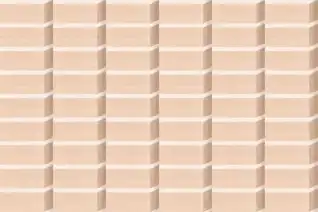
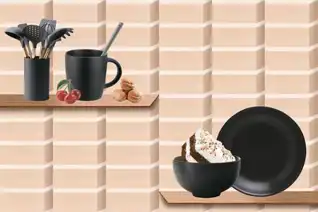
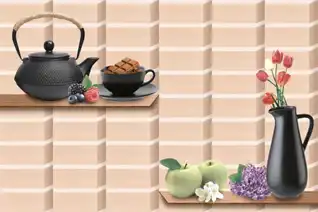
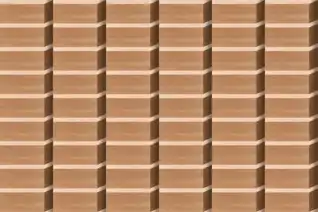









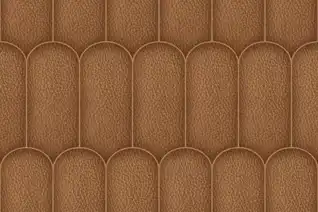

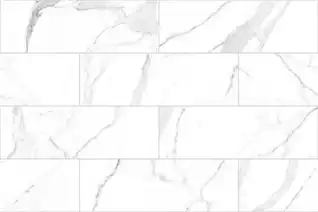


Brick kitchen tiles deliver the exposed brick aesthetic on the kitchen wall through manufactured ceramic rather than real masonry. Two product types give the brick look: flat ceramic tiles in a brick-proportioned size laid in a horizontal brick bond, where the colour and the laying pattern carry the brick character; and High Depth punch ceramic with 2.5 to 5mm of physical surface depth pressed into the tile face, where the texture itself reads as rough-cut brick. Both are wall and backsplash applications. Neither goes on a kitchen floor.
The one surface rule that governs all brick-effect kitchen tiles in ceramic is this: these tiles are wall-only. The 12x18 and 12x24 sizes that carry the brick proportion are never used on floors. That constraint is not a preference; it is a tile body specification for ceramic under IS 13630. This page covers both flat and high-depth brick tile options across the full kitchen tiles range, the colours and formats available from Indian manufacturers, the correct grout specification for a brick kitchen backsplash, and what to specify when a buyer genuinely wants a brick-look surface on the kitchen floor.
Choosing between flat ceramic and high-depth punch for a brick effect kitchen wall is the first decision, and it determines the visual character of the entire result:
| Property | Flat Ceramic Brick Effect | High Depth Punch Ceramic |
| How it works | Ceramic tile in brick colour, laid in a horizontal brick bond; the bond creates the brick pattern | Physical surface depth of 2.5 to 5mm pressed into the tile face; reads as rough-cut or dressed brick from close range |
| Surface depth | Zero; flat tile face | 2.5 to 5mm raised texture on the tile surface |
| Visual from a distance | Reads as a brick-coloured tiled surface with a grid line pattern | Reads as exposed brickwork; the physical depth creates light and shadow that mimics real brick |
| Visual from close range | Flat surface clearly reads as a tile | Physical texture makes the tile feel like brick, convincing at any viewing distance |
| Sizes available | 12x18 (300x450) and 12x24 (300x600) | 12x18 (300x450) and 12x24 (300x600) only |
| Surface use | Wall and backsplash only; never on floors | Wall and elevation only; never on floors |
| Cleaning ease | Easy; flat face wipes clean from cooking oil | More effort near grooves; oil can settle in the texture near the cooktop |
| Price range (Rs./sq.ft) | Rs. 45 to Rs. 85 | Rs. 60 to Rs. 110 |
For a kitchen backsplash near the cooktop, flat ceramic is the more practical specification. The smooth face wipes clean from oil with minimal effort. High-depth punch ceramic is better suited to a kitchen feature wall away from the direct cooking zone, or to the wall panel behind open shelving, where the physical texture reads as a material accent rather than a cleaning challenge.
A brick tile backsplash in a kitchen is almost always flat ceramic in 12x18, laid in a horizontal brick bond with a 10mm offset per row. The 12x18 (300x450) proportion is close to a standard Indian modular brick at approximately a 3:1 length-to-height ratio, which is what gives the laying pattern its brick character. The horizontal bond is not optional: the same 12x18 tile laid in a vertical stacked bond or a grid pattern does not read as brick. The bond is the pattern.
Grout joint width is the second specification decision that changes the result significantly. A 10mm mortar joint gives the most authentic brick look, mimicking the real mortar course between hand-laid bricks. A 3mm joint gives a cleaner, more contemporary reading where the brick proportion is present but the heavy mortar line is not. A 1.5 to 2mm joint reads almost like a standard tiled wall with the brick proportion rather than a brick surface. For an authentic brick kitchen backsplash in an Indian farmhouse or heritage kitchen, specify 8 to 10mm grout joints. For a contemporary kitchen where the brick is a texture reference rather than a literal material, 3mm is the more refined choice.
Note: All ceramic 12x18 and 12x24 brick effect tiles are wall and backsplash only. They must never be used on kitchen floors. This applies regardless of colour, finish, or how the tile is described in a catalogue.
White brick tiles for a kitchen backsplash are flat ceramic in 12x18 in white or off-white gloss or sugar finish, laid in a horizontal brick bond. White brick kitchen backsplash tiles are the most requested brick tile specification in Indian modular kitchens because the format pairs with every cabinet colour and the white surface reflects kitchen light without adding visual weight.
Two white brick tile readings, defined by grout colour:
Gloss or sugar finish for white brick kitchen tiles on the backsplash. The glazed face resists cooking oil and wipes clean. Matte white ceramic near the cooktop collects cooking grease more visibly than gloss and requires more frequent cleaning. For white tile options across all sizes and bodies, the white kitchen tiles page covers the full range, including GVT and ceramic options.
A grey brick backsplash uses ceramic in 12x18 in a mid-grey or dark grey gloss or sugar finish, laid in a horizontal brick bond. The grey brick backsplash is the most contemporary interpretation of the brick kitchen wall, referencing industrial and Scandinavian design languages rather than the warm farmhouse or heritage character of the red brick backsplash.
Three grey brick tile readings in a kitchen context:
High-depth punch ceramic in grey is particularly effective as a grey brick backsplash panel on one section of the kitchen wall. The 2.5 to 5mm physical surface depth in grey reads as raw concrete or dressed stone as much as brick, giving the surface more material ambiguity than a flat grey ceramic tile.
| Colour | Tile Type | Grout Colour | Kitchen Character | Cabinet Pairing | Price (Rs./sq.ft) |
| White or off-white | Flat ceramic 12x18 gloss or sugar | Off-white (subtle) or charcoal (bold) | Fresh, light, versatile; works with any kitchen style | Any cabinet colour | Rs. 45 to Rs. 75 |
| Cream or ivory | Flat ceramic 12x18 gloss or sugar | Cream or warm off-white | Warm and traditional; close to the colour of aged lime-washed brick | Cream, timber, or white cabinets | Rs. 45 to Rs. 80 |
| Red or terracotta | Flat ceramic 12x18 gloss or sugar, or High Depth punch | Cream or off-white (wide joint for authentic brick mortar look) | Warm, bold, farmhouse; the most traditional brick reference | Cream, off-white, or aged timber cabinets | Rs. 50 to Rs. 110 |
| Buff or sandy | Flat ceramic 12x18 gloss, or High Depth punch in buff | Off-white or sandy tone | Natural, understated; reads as dressed sandstone or Rajasthani brick | Cream, timber, or terracotta accents | Rs. 50 to Rs. 100 |
| Mid-grey | Flat ceramic 12x18 gloss or sugar | Mid-grey matching or white contrast | Contemporary industrial; modern farmhouse | White, grey, or concrete-tone cabinets | Rs. 50 to Rs. 85 |
| Dark grey or charcoal | Flat ceramic 12x18 gloss, or High Depth punch in dark grey | Anthracite matching or white contrast | Bold and contemporary; strong visual presence | White cabinets only | Rs. 55 to Rs. 110 |
A kitchen with brick tiles reads best when the brick surface is contained to one zone. The brick look has strong visual weight from the horizontal bond pattern, the joint lines, and the colour. When it covers one wall, it reads as a considered material accent. When it covers all walls, it competes with the cabinet, countertop, and appliances, and the kitchen reads as a themed space rather than a designed one.
Three contained approaches that work:
The surface that should never carry the brick look is the kitchen floor. Ceramic brick tiles are wall-only products. For a kitchen where the buyer wants a brick-look or stone-look floor to complement the brick wall, the kitchen floor tiles page covers which tile bodies and finishes are suitable for kitchen floor use.
The search term brick floor tile kitchen reflects genuine buyer interest, but the specification behind it is different from that of a brick wall tile. Ceramic in 12x18, which carries the brick proportion for wall and backsplash use, must not be used on kitchen floors. The ceramic body at 12% to 16% water absorption is unsuitable for floor use in Indian kitchen conditions, where cleaning water, cooking spills, and monsoon humidity reach the floor repeatedly.
What is possible for a brick-look kitchen floor:
The honest summary: a brick-format tile cannot go on a ceramic kitchen floor. The brick look on the kitchen floor is achieved through colour and texture coordination between the floor tile and the brick wall rather than by using the same brick-format tile on both surfaces.
The grout specification for brick kitchen tiles is more consequential than for most other tile formats because the grout joint is visible as the mortar course and is part of the brick aesthetic:
| Requirement | Recommended Tile | Size | Finish | Grout | Price (Rs./sq.ft) |
| White brick backsplash, standard kitchen | White gloss ceramic, horizontal brick bond | 12x18 | Gloss | White or off-white polymer grout | Rs. 45 to Rs. 75 |
| White brick backsplash, bold grid | White gloss ceramic, charcoal grout | 12x18 | Gloss | Charcoal epoxy grout | Rs. 45 to Rs. 75 |
| Grey brick backsplash, contemporary | Mid-grey gloss ceramic | 12x18 | Gloss or Sugar | Mid-grey or white polymer grout | Rs. 50 to Rs. 85 |
| Red brick backsplash, farmhouse kitchen | Red or terracotta gloss ceramic | 12x18 | Gloss or Sugar | Cream or off-white, 8 to 10mm joint | Rs. 50 to Rs. 90 |
| Physical texture brick feature wall | High-depth punch ceramic in red or buff | 12x18 | High-depth surface | Cream mortar-tone, 8 to 10mm joint | Rs. 60 to Rs. 110 |
| Full brick wall, one side | High-depth punch or flat ceramic | 12x18 or 12x24 | High Depth or Gloss | Matching or contrasting epoxy grout | Rs. 45 to Rs. 110 |
| Brick look floor to complement the brick wall | GVT matte in warm red or stone colour | 2x2 (600x600) | Matte | Off-white epoxy grout | Rs. 85 to Rs. 155 |
The glossy glaze on a flat ceramic brick tile in 12x18 seals the tile face against cooking oil and turmeric contact in the backsplash zone. The ceramic body behind the glaze has water absorption of 12% to 16% as defined under IS 13630, which is why this tile body is suitable for walls but not floors: on a wall that drains freely, body absorption is not a problem; on a kitchen floor where water sits in contact with the tile repeatedly across monsoon seasons, that absorption rate leads to adhesive bond failure over time. Epoxy grout at the horizontal joint in the cooktop backsplash zone prevents oil staining in the wide mortar-course joints that are part of the authentic brick kitchen tile specification.
Flat ceramic in 12x18 (300x450) for brick kitchen backsplash and wall applications is manufactured by producers across Morbi at Rs. 45 to Rs. 85 per sq.ft in white, cream, red, buff, grey, and charcoal glazes. High-depth punch ceramic in 12x18 with 2.5 to 5mm surface depth runs from Rs. 60 to Rs. 110 per sq.ft from Gujarat-based ceramic producers. Both formats are available in gloss and sugar finish; matte is available in flat ceramic, but gloss is the more practical specification for the backsplash zone near the cooktop. GVT in 2x2 for brick-look floor coordination, which meets IS 15622 for vitrified tiles, runs from Rs. 85 to Rs. 155 per sq.ft.
Flat ceramic in 12x18 in white, cream, red, buff, and grey for a horizontal brick bond backsplash, and High Depth punch ceramic for a physical texture brick feature wall, are both available from verified manufacturers across Morbi and Gujarat on TilesFinders. White brick ceramic for the backsplash starts from Rs. 45 per sq. ft.; High Depth punch in red or buff for a feature wall panel runs from Rs. 60 to Rs. 110 per sq ft. Order 10% extra on all patterned or textured tiles to account for bond-cut wastage at the perimeter.
Brick effect kitchen tiles are manufactured ceramic tiles that replicate the look of exposed brick on a kitchen wall. Two types are available: flat ceramic in 12x18 laid in a horizontal brick bond, where the proportion and laying pattern create the brick aesthetic; and High Depth punch ceramic with 2.5 to 5mm physical surface depth that reads as rough-cut brick face. Both are wall-only products.
No. Ceramic in 12x18 and 12x24, the sizes that carry the brick proportion, are wall-only and must not be used on kitchen floors. For a kitchen floor that coordinates with a brick wall, GVT in matte finish in 2x2 in a warm red or stone colour gives a practical floor specification without using a wall-only tile on a floor application.
Epoxy grout in the joint colour that matches the design intent. For an authentic brick mortar look, off-white or cream epoxy grout at an 8 to 10mm joint width. For a contemporary white brick backsplash with a graphic grid, charcoal epoxy grout at 3 to 5mm. Epoxy grout maintains its colour and resists cooking oil staining, which matters particularly at wide joint widths where the grout surface area is large.
Flat ceramic has a smooth tile face; the brick look comes entirely from the colour and the horizontal brick bond laying pattern. High-depth punch ceramic has 2.5 to 5mm of physical surface texture pressed into the tile face that reads as rough-cut or dressed brick regardless of the laying bond. High Depth reads more convincingly as brick from close range; flat ceramic is easier to clean near a cooktop.
Eight to ten millimetres gives the most authentic brick mortar look, closest to a real Indian modular brick mortar course. A 3 to 5mm joint gives a cleaner, more contemporary reading where the brick proportion is recognisable but the mortar reference is reduced. For a modern kitchen where the brick is a texture reference rather than a traditional material, 3mm is the more refined choice.
White and cream cabinets are the most versatile pairing for any brick tile colour. Red or terracotta brick tiles pair naturally with cream or aged timber cabinets. White or grey brick tiles pair with white, grey, or any cool-neutral cabinet. Avoid dark or heavily grained timber cabinets with high-depth punch brick tiles, as both have strong material character,r and the combination can read as visually crowded.
Flat ceramic in 12x18 for a brick backsplash starts from Rs. 45 to Rs. 85 per sq ft from manufacturers in Morbi and Gujarat. High-depth punch ceramic in 12x18 for a physical texture brick wall runs Rs. 60 to Rs. 110 per sq.ft. GVT in matte finish in 2x2 for a brick-look floor coordination runs Rs. 85 to Rs. 155 per sq.ft. Grout and adhesive are additional to tile supply prices.
A brick bond offsets each row of tiles by half a tile length from the row above, so the vertical joints never align in a continuous line. A grid bond places tiles in a continuous square grid with all joints aligned. The offset in a brick bond is what creates the brick-like horizontal run pattern. Without the horizontal brick bond, a 12x18 tile reads as a rectangular tile, not as a brick.