
300x600 Wall Tiles: Best Designs for Kitchen & Bathroom
Why are 300x600 mm wall tiles a top choice? They reduce grout lines, are easy to install, and fit perfectly in both kitchens and bathrooms for a seamless, modern look.
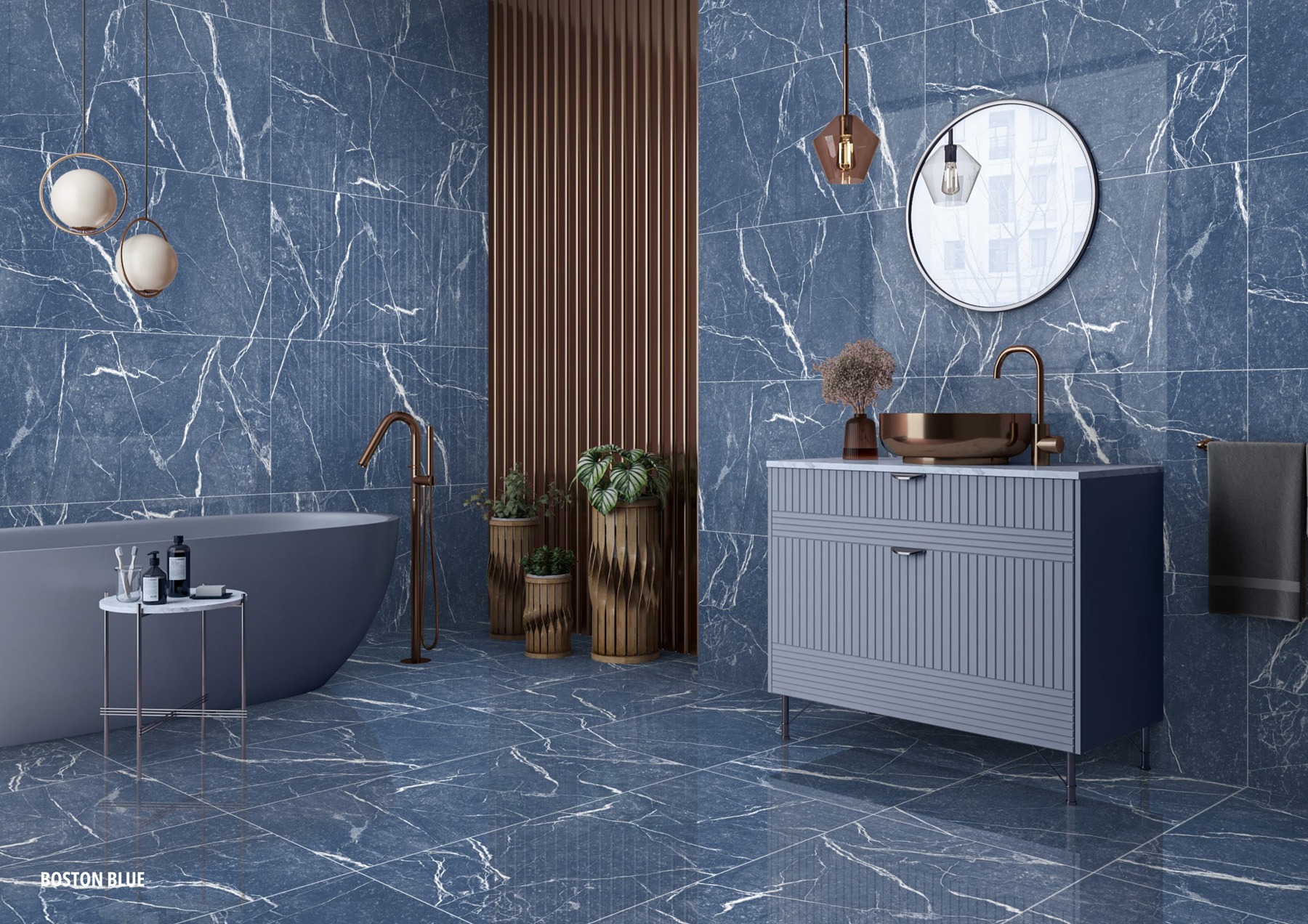
The 300x600 mm format is one of the most popular choices for modern kitchens and bathrooms. It is large enough to reduce grout lines and make walls feel more seamless, but still easy to install. This size works well for both glossy kitchen backsplashes and calming bathroom walls.
Why the 300x600 mm Format Rules Modern Interiors
The 300x600 mm size has become a standard choice for vertical surfaces, balancing appearance and practicality.
Smaller tiles create too many grout lines, which can make a room feel busy and harder to clean. Very large slabs, on the other hand, can become expensive and difficult to install on compact walls.
This is where 300x600 wall tiles work well. Their rectangular shape helps walls appear taller or wider depending on the layout, while still being easy for installers to handle.
Many homeowners choose 300x600 wall tiles for kitchen and bathroom spaces because they provide a cleaner, more premium look without the complexity of larger slab formats.
The Structural Advantage of 300x600 Ceramic Wall Tiles
For kitchens and bathrooms, ceramic remains the most common material in this size because it is lightweight, practical, and easy to install on vertical surfaces.
300x600 ceramic wall tiles are widely used for kitchen and bathroom walls because they are cost-effective and available in a huge variety of colours, prints, and finishes. While ceramic is more porous than vitrified material, it still performs well on walls because wall surfaces are not exposed to constant standing water or heavy impact.
Glossy ceramic finishes work especially well in bathrooms and kitchens because the glazed surface helps resist stains, splashes, and moisture more effectively than unglazed finishes.
- Glossy finishes make smaller spaces look brighter
- Matte finishes create a softer and more subtle look
- Satin matte finishes offer a balanced appearance without too much shine
- Embossed punch collections are especially popular in this size because they add texture and depth to the wall
Because of this variety, 300x600 ceramic wall tiles remain one of the most versatile choices for both kitchen and bathroom walls.
Kitchen Backsplashes: Balancing Aesthetics with Heavy Cooking
The kitchen wall goes through daily exposure to oil splashes, spices, steam, and food stains. This is why kitchen wall tiles need to be easy to clean while still looking attractive.
Glossy Finishes for Busy Kitchens
A glossy tile surface is often the most practical choice for kitchen walls.
- Grease and food splatters can be cleaned easily with a damp cloth
- Glossy finishes reflect under-cabinet lighting and make countertops brighter
- Fewer grout joints make the wall easier to maintain
If the goal is to create a brighter and more premium backsplash, 300x600 marble look wall tiles are a popular option. They give the wall a cleaner and more luxurious appearance without the maintenance of natural marble.
These are some of the reasons why this format remains one of the most practical choices in tile design for kitchen wall areas.
Bathroom Wall Strategies: Creating a Seamless Spa Retreat
Bathrooms need a different approach from kitchens. The goal is not only easy maintenance but also creating a calm and relaxing atmosphere.
Medium-sized bathroom wall tiles reduce grout lines compared to smaller formats, which helps the room feel less cluttered. A cleaner wall surface also means less chance of soap scum or moisture collecting in grout joints.
For this reason, bathroom wall tiles in the 300x600 format are often used in both compact bathrooms and larger shower spaces.
Matte vs Glossy in Bathrooms
Both matte and glossy finishes can work well on bathroom walls, but they create different effects.
- Glossy tiles reflect more light and help smaller bathrooms feel brighter
- Matte finishes reduce glare and hide water spots more effectively
- Mixing both finishes can create contrast within the same room
Many designers use glossy tiles inside the shower area and matte finishes on the remaining walls. This combination adds variety while keeping the room practical.
For homeowners exploring different tile designs for bathroom spaces, the 300x600 format gives enough flexibility to create both modern and traditional layouts.
Layout Tricks: How to Stack Your 300x600 Tiles
Because of the rectangular shape, the way these tiles are installed can completely change how the room feels.
| Layout Pattern | How to Install It | Visual Impact on the Room |
| Horizontal Stack | Installed flat in straight rows | Makes narrow kitchens or bathrooms appear wider |
| Vertical Stack | Installed upright from floor to ceiling | Makes the ceiling appear taller |
| Staggered Layout | Installed in an offset brick pattern | Creates a more traditional and textured look |
A horizontal layout is usually more common in kitchens, while a vertical stack is often preferred in bathrooms, where the goal is to make the room feel taller.

FAQs
No. They actually help small bathrooms feel larger because fewer grout lines reduce visual clutter.
A grout gap of around 2 mm to 3 mm usually works best. It is thin enough to look clean but still strong enough to seal moisture.
Yes. Many bathrooms use matte tiles on the main walls and glossy tiles in the shower area to create contrast and reflect more light.

See our tile guides first
Set TilesFinders as a preferred source and our buying guides surface ahead of the rest for you.
Add as preferred sourceTakes one tap. Nothing to install.
What Readers Say
I was about to redo my parking area with the wrong tile size until I read this. The layout comparisons saved me from a costly mistake.
We reference TilesFinders guides while briefing clients on material selection. The size and pattern breakdowns are accurate and easy to explain visually.
On site, I get asked about grout spacing all the time. This article gave me a solid reference I now share with my team before every job.
Finally a guide that doesn't just push generic advice. The oil stain removal steps actually worked on our clubhouse driveway tiles.
I run a small construction firm and now send this link to clients directly when they ask about entrance tile sizing. Saves me an hour of explaining.
Good practical detail, though I wish there were more examples for compact apartment entrances specifically, not just villas.
My mother-in-law wanted marble, I wanted vitrified. This blog gave us the neutral comparison we needed to actually decide together.
Detailed without being overwhelming. I appreciated that it covered both cost and maintenance, not just the aesthetics.
Used the algae and hard water removal tips on our terrace tiles after the monsoon. Worked better than what our regular cleaner was doing.
As someone who sources tiles for multiple builder projects, I find these comparisons genuinely useful for vendor conversations, not just consumer content.
Recommended this to a client who kept second-guessing the entrance design. The small vs large layout section settled the debate instantly.
Straightforward and honest, no unnecessary jargon. Would like to see a similar breakdown for outdoor pool-deck tiles next.
We've bookmarked several TilesFinders guides for our design handbook. Reliable source when clients want data, not just opinions.
Two paths, one marketplace.
Get free quotes from verified suppliers.
Share your room, budget, and style. Suppliers in local area respond within hours.
Get Free QuotesList your business, reach real buyers.
Put your showroom in front of homeowners searching for tiles right now.
List Your Business