

Outdoor Wall Tiles: Exterior Cladding, Balcony Walls, and Stone Looks for Indian Homes
Loading designs...
-
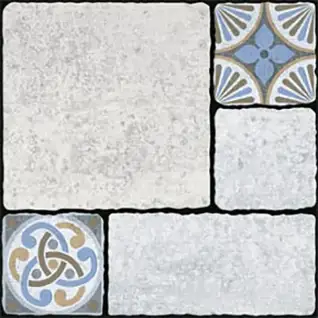
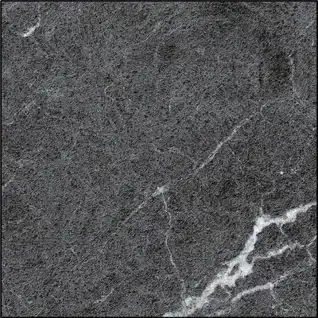 LAPATO-003-D
 -
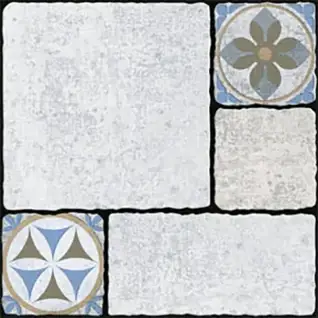
 LAPATO-003-L
 -
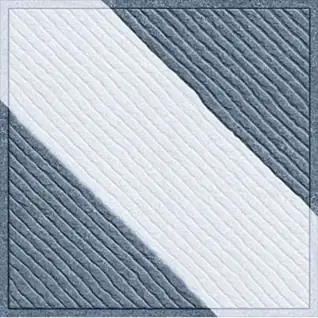
LAPATO-029
-
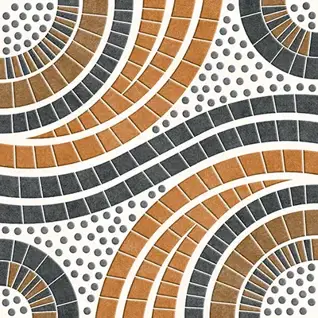
SIGMA-001
-
LAPATO-003-D
-
LAPATO-003-L
-
LAPATO-029
-
3066
-
3102 A
-
3102 B
-
5004
-
Active 011
-
Cotto 006
-
Crystal 001
-
Crystal 002
-
Crystal 003
-
Crystal 010
-
D1 P 1104
-
D1 P 1104 L
-
D2 P 1104
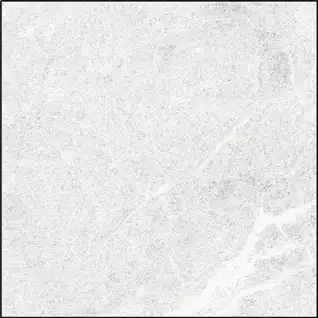

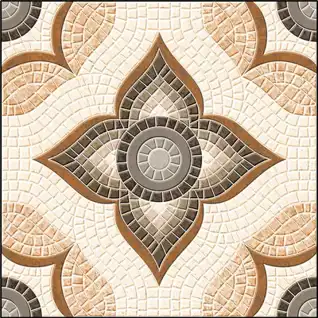
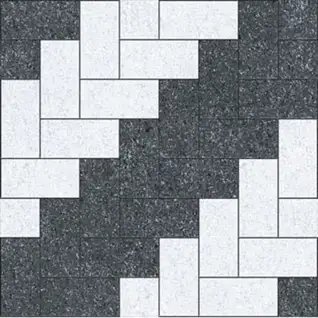

Outdoor wall tiles cover a much wider range of surfaces in an Indian home than most buyers initially consider. The compound boundary wall, the house exterior facade above the plinth, the balcony parapet and side walls, the gate pillars, the garden feature wall behind a seating area, and the elevation panel on either side of the main entrance are all outdoor wall surfaces for which tiles are regularly specified. Each of these surfaces is vertical, which changes the rules significantly from outdoor floors.
Vertical outdoor surfaces do not carry foot traffic load. They do not need an anti-skid finish. They are exposed to direct sun, wind-driven rain, and temperature cycling year-round, but the tile does not have to carry body weight or vehicle load. This means the tile selection for outdoor walls is driven more by UV resistance, adhesive bond strength on a vertical surface, and visual impact than by slip resistance or water absorption for floor purposes. Among all outdoor tiles, walls are the category where finish choice is a design decision rather than a safety one, and this page covers the full specification for every exterior wall surface in an Indian home.
How Outdoor Wall Tile Specification Differs from Indoor Wall and Outdoor Floor
Three things make outdoor wall tile specification distinct from both indoor wall tiles and outdoor floor tiles:
UV exposure and glaze stability
An outdoor wall tile in a south-facing or west-facing position receives direct afternoon sun for four to six hours daily during the Indian summer. Glazes that are not UV-stabilised fade or yellow over two to three years. This matters most for white and light-coloured tiles on exterior walls. Before ordering any light-coloured tile for a south or west-facing external wall, confirm with the supplier whether the glaze is UV-stable for outdoor use.
GVT with a through-body glaze structure is more UV-stable than ceramic with a surface glaze layer. For exterior facade cladding that will receive years of direct sun, GVT in matte or textured finish is the more durable long-term choice. Ceramic is adequate for boundary walls and garden walls that receive less direct sun or are in shaded positions.
Adhesive bond on vertical surfaces
Fixing tiles on a vertical outdoor surface is structurally different from fixing them on a floor. Gravity pulls each tile downward; the adhesive must resist that pull in addition to the weather cycling forces of heat expansion and rain contraction. Standard cement slurry is not adequate for outdoor vertical tile fixing. Use a C2 polymer-modified tile adhesive for all outdoor wall tile applications. For large-format tiles (600x1200 and above) on a house exterior facade, use a C2TE adhesive (extended open time) because larger tiles are heavier and need more time to seat correctly before the adhesive skins.
Back-buttering is mandatory for any tile above 300x300 fixed on an outdoor vertical surface. Apply adhesive to both the wall substrate and the back of the tile, then press the tile into position with a twisting motion to ensure full contact. A tile fixed on an exterior wall without full back contact has a void behind it that fills with water, expands in temperature cycling, and eventually pops the tile off the wall.
Thermal expansion on large facades
A tiled house exterior facade heats to 55 to 65 degrees Celsius in the Indian summer and cools to 15 to 20 degrees in winter. That 40 to 50 degree temperature swing causes the tile, the adhesive, and the wall substrate to expand and contract at different rates. Without expansion joints, this movement accumulates at the grout lines and eventually causes the grout to crack, letting water in behind the tile. For any exterior tile facade longer than 3 metres in either direction, include a 10mm expansion joint filled with flexible sealant (not grout) every 3 metres vertically and every 4 to 5 metres horizontally.
Which Tile Type Works for Which Outdoor Wall Surface
| Outdoor Wall Surface | Recommended Tile Type | Recommended Sizes | Finish Options | Price Range (Rs./sq.ft) |
| House exterior facade (full cladding) | GVT matte or textured | 600x600, 600x1200, 800x1200 | Matte, GHR, Stucco, Stone look | Rs. 90 to Rs. 220 |
| Compound boundary wall (exterior face) | Ceramic or GVT | 300x450, 300x600 (ceramic); 600x600, 600x1200 (GVT) | Gloss, Matte, Sugar (ceramic); Matte (GVT) | Rs. 35 to Rs. 160 |
| Balcony parapet and side walls | Ceramic or GVT | 300x600 (ceramic); 600x600 (GVT) | Gloss or Matte | Rs. 40 to Rs. 130 |
| Gate pillars and entrance piers | GVT or natural stone cladding | 600x600 or 600x1200 | Matte, stone look, or polished (vertical only) | Rs. 90 to Rs. 200 |
| Garden feature wall or backdrop | GVT, ceramic, or textured high-depth punch | 300x450, 300x600 (high depth punch); 600x600 (GVT) | Texture, High Depth, Stone look, Decorative | Rs. 45 to Rs. 180 |
| Plinth band and lower house exterior | GVT or full body vitrified | 600x600 or 600x1200 | Matte or GHR (if splash zone) | Rs. 90 to Rs. 200 |
Note: High-depth punch tiles (2.5 to 5mm surface depth) are for wall and elevation use only. They must never be used on any outdoor or indoor floor surface. For the rock face or exposed brick look on an outdoor wall, High Depth punch ceramic in 300x450 or 300x600 is the correct specification.
House Exterior Wall Tiles: Modern Cladding Options
The exterior facade of an Indian home is the surface most people see from the street and the surface that sets the visual character of the entire property. In the last ten years, tiled house exterior wall cladding has moved from being a premium-only specification to a mid-range and even budget option as Indian GVT manufacturers have extended their large-format ranges.
Modern exterior wall tiles in India fall into three broad visual categories:
Concrete and grey stone look
GVT in a concrete, slate, or grey stone look in 600x1200 or 800x1200 matte finish is the most specified modern exterior wall tile in new Indian villas and bungalows. The large format minimises visible grout lines on the facade, the concrete or stone look tiles suit both modern and transitional architecture, and the matte surface does not reflect glare from direct sun the way a polished finish would. This is also the look most associated with the term modern exterior wall tiles in the Indian market. GVT in 600x1200 matte for exterior facades runs from Rs. 100 to Rs. 200 per sq ft.
Brick and terracotta look
The exposed brick aesthetic on house exteriors is achieved in two ways in the Indian tile market. High-depth punch ceramic in 300x450 in a red or buff colour gives a physical brick-like surface depth of 2.5 to 5mm. This tile is fixed on the exterior wall with a polymer-modified adhesive and pointed with a mortar joint to look like real brick pointing. For buyers who prefer the outdoor tiles look that references Indian vernacular architecture, this is the most authentic tile-based approach to an exposed brick facade. Prices run from Rs. 45 to Rs. 90 per sq.ft.
Ceramic in a flat brick-size format (300x100 or 200x50, where available) gives a flatter, cleaner brick-course look that suits contemporary architecture more than the traditional rough brick aesthetic.
Natural stone slab look
GVT in a sandstone, travertine, or limestone look in 600x1200 or 800x1200 matte gives the appearance of large natural stone cladding on a house exterior. Unlike real stone cladding, which needs pointing, sealing, and weighs significantly more per sq. ft., GVT stone-look tiles are lighter, sealed by the glaze, and consistent in colour across the full facade. For the look of porch tiles and facade cladding working together as a unified material, GVT in the same stone look on both surfaces gives a seamless exterior. Price: Rs. 110 to Rs. 220 per sq.ft.
Sandstone Wall Tiles and Stone Look Options for Outdoor Walls
The search for exterior wall stone tile and sandstone wall tiles outdoor comes from two different buyer groups. Some buyers genuinely want natural sandstone cladding on their exterior wall. Others want the visual of stone without the maintenance of natural stone. This section covers both.
Natural sandstone for exterior walls
Sandstone cut into thin slabs (20 to 30mm thick) is used for exterior wall cladding in heritage-style homes, farmhouses, and bungalows across Rajasthan, Gujarat, and Maharashtra. The warm buff, reddish, or grey tones of Indian sandstone give a natural character that manufactured tiles do not fully replicate. Water absorption ranges from 3% to 8%, depending on the quarry, and the stone needs annual sealing to prevent moisture penetration and moss growth on shaded wall sections.
For exterior walls in full sun, sandstone cladding performs well over many years. On shaded north-facing walls or walls near ground level where splash from rain reaches the surface, unsealed sandstone darkens and develops green algae patches within one to two monsoon seasons. Regular cleaning with a diluted stone cleaner and annual resealing keep sandstone exterior walls in good condition.
Sandstone-look GVT and textured ceramic
GVT in a sandstone look in matte or GHR finish replicates the warm buff and reddish tones of natural sandstone with 0.05% water absorption and no sealing requirement. Available in 600x600 and 600x1200, it gives a larger panel look than the irregular flag sizes of natural sandstone. The colour is more uniform than natural stone, which reads as contemporary rather than rustic.
For buyers who specifically want the irregular rough surface of natural sandstone rather than a flat tile face, texture punch ceramic in 300x450 or 300x600 in a buff or warm grey colour gives a 0.3 to 1mm surface depth that references rough stone texture. This is an elevation-only product and costs Rs. 50 to Rs. 95 per sq.ft.
Rock tiles for outside walls, another common search term in this category, typically refer to High Depth punch ceramic in 300x450 in a rough stone or exposed rock look. The 2.5 to 5mm physical surface depth gives a much more dramatic texture than texture punch and is the tile behind the "feature stone wall" look that has become common on Indian villa exteriors. High-depth punch ceramic in a stone colour for exterior walls runs from Rs. 55 to Rs. 110 per sq ft.
Tiles for Balcony Walls: Parapet, Side Walls, and Column Faces
Balcony wall cladding covers three surfaces: the inside face of the parapet wall (what you see from inside the balcony looking out), the outside face of the parapet (visible from below and from the street), and the side walls that form the balcony box on either side.
For the inside face of a balcony parapet, the tile is a semi-outdoor surface. It gets rain from above and sun from the side, but the exposure is less intense than a fully exterior facade. Ceramic in 300x600 gloss or matte is a common and cost-effective specification for this surface. The gloss finish is acceptable here because this is a wall surface. GVT in 600x600 matte gives a more premium finish and better UV resistance for balconies with strong direct sun exposure.
The outside face of the balcony parapet is a fully exterior surface and receives the same weather exposure as the rest of the house facade. Match the tile specification on the parapet outside face to the rest of the exterior facade for visual consistency. If the rest of the house exterior uses GVT in a stone look, use the same tile on the balcony parapet exterior face.
For balcony floor tiles and the specific size and finish rules that apply to balcony floors, the outdoor floor tiles page covers that in detail. This page focuses on the wall and parapet surfaces only.
Decorative Outdoor Wall Tiles: Feature Panels and Accent Zones
Decorative outdoor wall tiles are used in three specific applications in Indian homes: the feature panel at the main entrance flanking the door, the decorative band on a boundary wall or gate pillar, and the backdrop wall behind an outdoor seating or garden area. Each of these is a small area (typically under 30 sq. ft.) where the tile is chosen for visual impact rather than practical specification.
Products used for decorative outdoor wall applications:
- Third-fired decorative tiles: tiles with raised metallic, floral, or geometric patterns fired on after the base glaze. Available in 200x200 and 300x300. Used as accent panels on gate pillars, entrance walls, and garden feature walls. Weather-resistant if the decorative layer is sealed before installation. Price: Rs. 80 to Rs. 250 per sq ft.
- Patterned ceramic in matte or gloss: geometric or floral tiles in 300x300 for boundary wall features and garden backdrop panels. Check UV stability for patterns used in full sun positions. Price: Rs. 45 to Rs. 110 per sq ft.
- High-depth punch ceramic in textured colours: the rough stone or exposed brick look used as a feature band on a boundary wall or a backdrop behind a garden seating area. More dramatic than flat-patterned ceramic, it works best in a contained zone rather than a full wall. Price: Rs. 55 to Rs. 110 per sq ft.
- GVT in a marble or stone look for feature walls: large format GVT tiles in 600x1200 in a Calacatta or dramatic stone look on an outdoor feature wall gives a premium finish at the main entry or garden seating area. The large format with minimal grout lines reads as a slab rather than a tiled surface. Price: Rs. 110 to Rs. 200 per sq.ft.
The rule for decorative outdoor wall tiles is the same as for all outdoor wall applications: the tile must be fixed with a C2 polymer-modified adhesive, expansion joints must be included in panels wider than 3 metres, and the grout must be a polymer-modified or epoxy type rated for outdoor use.
Outdoor Wall Tiles Price: What Each Category Costs in India
| Tile Type | Size | Finish / Look | Price Range (Rs./sq.ft) | Best Outdoor Wall Use |
| Ceramic gloss or matte | 300x450 or 300x600 | Gloss, Matte, Sugar | Rs. 35 to Rs. 85 | Boundary walls, balcony inside parapet, garden walls |
| Ceramic High-Depth punch | 300x450 or 300x600 | Rock face, brick, rough stone look | Rs. 55 to Rs. 110 | Feature walls, entrance panels, and exposed brick look on the elevation |
| Ceramic texture punch | 300x450 or 300x600 | Slate, sandstone, fabric feel | Rs. 50 to Rs. 95 | Garden backdrop walls, boundary wall feature bands |
| GVT matte (stone look) | 600x600 or 600x1200 | Matte, stone, concrete, sandstone look | Rs. 90 to Rs. 200 | House exterior facade, gate pillars, and modern feature walls |
| GVT large format | 800x1200 or 32x48 | Matte, stone, concrete, abstract look | Rs. 130 to Rs. 220 | Premium house exterior cladding, large feature walls |
| Third-fired decorative | 200x200 or 300x300 | Metallic, floral, raised pattern | Rs. 80 to Rs. 250 | Entrance accent panels, gate pillar feature zones |
| Natural sandstone (thin slab) | Irregular or 300x300 | Natural rough dressed | Rs. 40 to Rs. 100 | Heritage and farmhouse exterior walls, garden features |
Prices listed are for tile supply only. Adhesive, grout, labour, and scaffolding for upper-floor exterior cladding are additional costs. Exterior wall tiling above the first floor typically adds 20 to 40% to the laying cost compared to ground-level work due to scaffolding requirements.
Fixing Outdoor Wall Tiles: Adhesive, Joints, and Grout
The three most common causes of outdoor wall tile failure in India are wrong adhesive, no expansion joints, and standard cement grout used in outdoor conditions. Avoiding all three is straightforward if the specification is set correctly before work begins.
Adhesive specification for outdoor walls
Use C2 polymer-modified tile adhesive for all outdoor wall tile applications. C2 adhesive is flexible enough to handle the thermal expansion and contraction that an exterior tiled surface goes through across Indian seasons. For tiles above 600x600 on an exterior facade, use C2TE (extended open time) to allow proper seating of large, heavy tiles before the adhesive skins. Back-butter every tile above 300x300 in addition to applying adhesive to the wall.
Expansion joints
Include a 10mm expansion joint every 3 metres vertically and every 4 to 5 metres horizontally on any exterior tiled facade. Fill expansion joints with a polyurethane or silicone sealant in a colour matching the grout, not with grout. Grout is rigid and cracks when the joint moves. Flexible sealant absorbs the movement. On boundary walls, include an expansion joint at every corner and at intervals of 4 metres along a straight run.
Grout for outdoor walls
Use a polymer-modified cement grout for outdoor wall applications. The polymer additive increases the grout's resistance to water penetration and reduces cracking from thermal cycling. For decorative panels and feature walls where grout colour is part of the design, epoxy grout gives the most stable colour over time because it does not absorb staining from rain, bird droppings, or moss. Seal polymer-modified cement grout on outdoor walls with a penetrating grout sealer after curing.
Choosing the Right Outdoor Wall Tile for Your Home
| Outdoor Wall Situation | Recommended Tile | Size | Finish | Price Range (Rs./sq.ft) |
| Modern villa exterior facade | GVT concrete or stone look | 600x1200 or 800x1200 | Matte | Rs. 110 to Rs. 220 |
| Traditional bungalow exterior | High-depth punch ceramic (brick look) or sandstone-look GVT | 300x450 or 600x600 | Rough / Matte | Rs. 55 to Rs. 160 |
| Compound boundary wall | Ceramic gloss or matte | 300x600 | Gloss or Matte | Rs. 35 to Rs. 75 |
| Balcony parapet inner face | Ceramic gloss or GVT matte | 300x600 or 600x600 | Gloss (ceramic) or Matte (GVT) | Rs. 40 to Rs. 130 |
| Balcony parapet outer face | GVT matte to match facade | 600x600 or 600x1200 | Matte | Rs. 90 to Rs. 200 |
| Gate pillar or entrance pier | GVT stone look or decorative | 600x600 or 600x1200 | Matte or stone look | Rs. 90 to Rs. 220 |
| Garden feature or backdrop wall | High-depth punch ceramic or patterned GVT | 300x450 or 600x600 | Rock, Texture, or Stone look | Rs. 55 to Rs. 180 |
| Exposed rock feature on the elevation | High-depth punch ceramic | 300x450 or 300x600 | High Depth / Rock face | Rs. 55 to Rs. 110 |
Browse Outdoor Wall Tiles
Exterior wall tiles across every category, from plain ceramic for boundary walls to large format GVT for house facade cladding, are listed with size, finish, punch type, and UV-stability information at TilesFinders. Ceramic boundary wall tiles start from Rs. 35 per sq ft; GVT for modern exterior facades runs from Rs. 90 to Rs. 220 per sq ft. Use the outdoor area and tile type filters to narrow results before shortlisting. All ceramic tiles listed meet IS 13630; all GVT tiles meet IS 15622.
FAQs
Ceramic in 300x450 and 300x600 is suitable for boundary walls, balcony parapets, and garden walls. GVT in 600x600 and 600x1200 is the better choice for house exterior facades and gate pillars because the GVT glaze has better UV resistance than standard ceramic. High-depth punch ceramic in 300x450 or 300x600 gives the rock face or exposed brick look on elevation walls. All outdoor wall tiles must be fixed with a C2 polymer-modified adhesive, not cement slurry.
No. An anti-skid finish is a requirement for outdoor floor tiles only. Outdoor wall tiles are vertical surfaces that carry no foot traffic load. The finish choice for outdoor wall tiles is driven by UV stability, weather resistance, and visual design rather than slip resistance. Gloss ceramic on a boundary wall or balcony parapet is perfectly safe and acceptable.
GVT in a concrete, slate, or stone look in 600x1200 or 800x1200 matte finish is the most commonly specified tile for modern house exterior wall cladding in India. The large format minimises visible grout lines on the facade, the matte surface avoids sun glare, and the stone or concrete look suits contemporary Indian architecture. For a traditional or heritage-style home, High Depth punch ceramic in a brick or rough stone look in 300x450 gives a more textured, characterful exterior.
Yes. Ceramic in 300x450 or 300x600 in gloss or matte finish is a standard specification for outdoor boundary walls in India. The boundary wall is a vertical surface exposed to rain and sun, but it does not carry floor load. Ceramic's higher water absorption (12% to 16%) is not a problem on a vertical wall that drains freely; it only becomes a problem on floors where water sits in contact with the tile body. Fix with a C2 polymer-modified adhesive and use polymer-modified or epoxy grout.
Rock tiles for outside walls refer to high-depth punch ceramic tiles in 300x450 or 300x600 with a 2.5 to 5mm physical surface depth that replicates the look of rough-cut stone or exposed rock on an elevation wall. These tiles are fixed on exterior walls and give a dramatic textured facade look. They are strictly a wall and elevation product and must not be used on any floor surface. Available in grey, buff, brown, and mixed stone colours from Indian manufacturers at Rs. 55 to Rs. 110 per sq.ft.
Ceramic for boundary and garden walls costs Rs. 35 to Rs. 85 per sq.ft. High-depth punch ceramic for exposed rock or brick looks runs Rs. 55 to Rs. 110 per sq.ft. GVT in stone or concrete for house facades costs Rs. 90 to Rs. 220 per sq ft, depending on size and look. Large format GVT in 800x1200 or 32x48 for premium exterior cladding runs Rs. 130 to Rs. 220 per sq.ft. These are tile supply prices only; laying and adhesive are additional,l and exterior upper-floor work costs 20 to 40% more than ground-level work due to scaffolding.
Yes. Any exterior tiled wall surface longer than 3 metres in either direction needs a 10mm expansion joint every 3 metres vertically and every 4 to 5 metres horizontally. Fill expansion joints with a polyurethane or silicone flexible sealant, not grout. Without expansion joints, the thermal movement of the tile and substrate across Indian summer-to-winter temperature swings cracks the grout and eventually loosens tiles from the wall.
High-depth punch ceramic in a rough stone or rock look (300x450, 300x600) gives the most dramatic texture for a garden feature wall behind a seating area or water feature. For a flatter, more polished look, GVT in a marble or stone look in 600x1200 reads as a slab feature wall with minimal joins. Patterned ceramic or third-fired decorative tiles in 300x300 work for a smaller accent panel or a gate pillar feature zone. All of these are wall-only products fixed with C2 adhesive.