

Blue Marble Tiles: Natural Stone vs Marble Effect
Loading designs...
-
3212 300x450Matte -
3809 300x450Matte -
3805 300x450Matte -
2008 300x450Matte -
3610 300x450Matte -
W Denver 12 300x600Matte -
8102 300x600Matte -
5213 300x600Matte -
5214 300x600Matte -
5801 300x600Matte -
5803 300x600Matte -
6312 300x600Matte -
1602 300x450Matte -
1603 300x450Matte -
1005 300x450Matte -
1605 300x450Matte -
1607 300x450Matte -
2204 300x450Matte -
1905 300x450Matte -
2217 300x450Matte
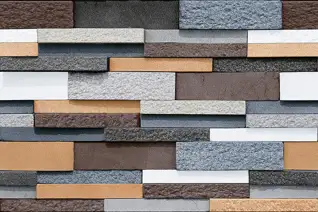
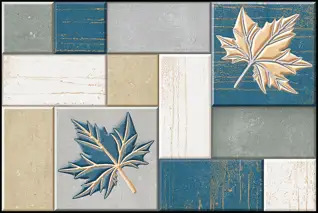
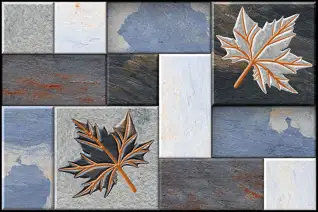
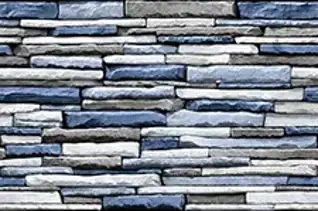
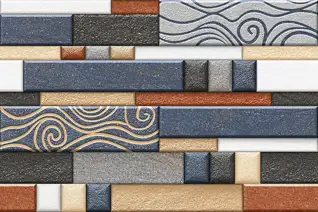
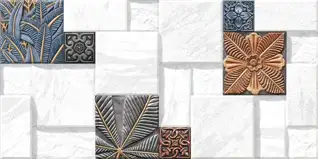
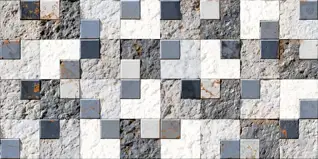
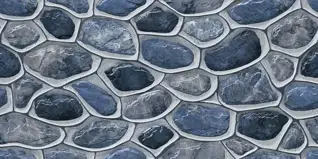
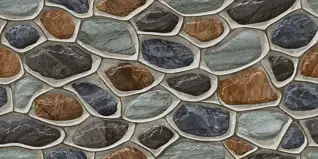
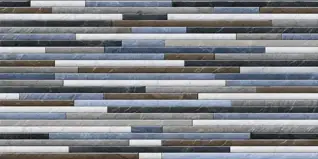
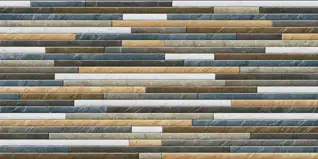

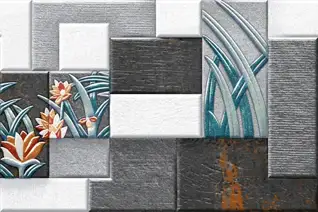
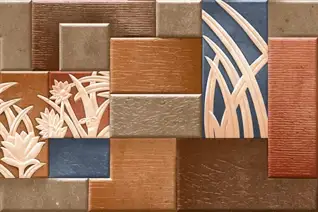
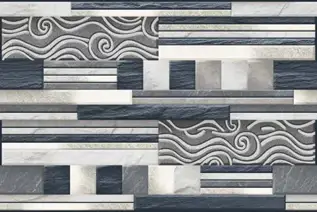
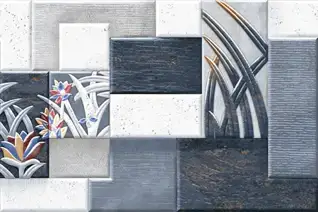
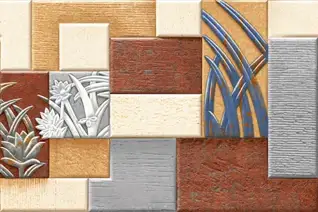
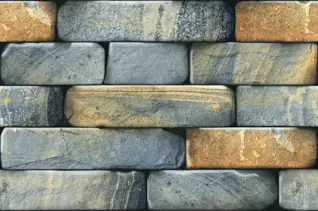
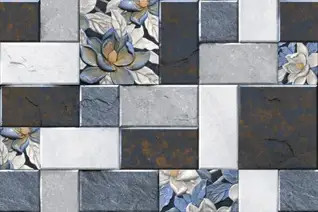
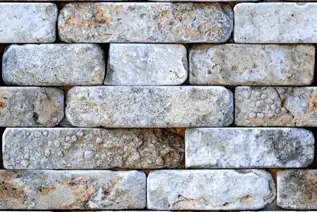
Blue marble tiles fall into two categories that look similar in a photo but behave completely differently once installed: natural stone quarried in blue-grey or aqua tones, and marble effect tiles in porcelain with a digitally printed pattern. This distinction matters more for blue marble than most other looks, since natural blue marble is rarer and more expensive than white or beige marble, which pushes many buyers toward the porcelain alternative without realising there is a difference to weigh. Searches for light blue marble tile and other blue marble look tile options have grown as more Indian buyers discover the porcelain route to this shade without the cost of natural stone.
Natural Stone vs Marble Effect: The Core Decision
| Factor | Natural Blue Marble | Blue Marble Effect (Porcelain) |
| Sealing needed | Yes, every 12 to 18 months | No, a glazed surface needs none |
| Water absorption | Porous, varies by stone | 2% to 5% |
| Price range (Rs./sq.ft) | Rs. 200 to Rs. 450 | Rs. 70 to Rs. 160 |
| Pattern consistency | Unique veining, no two slabs match | Repeats every few tiles in a print run |
| Floor safety when polished | Slippery when wet | Slippery when wet |
Both versions share one rule regardless of price or origin: a polished finish on either natural or printed blue marble is not safe for any wet floor. The difference is entirely about cost, upkeep, and pattern uniqueness, not about which one is safer to walk on.
Light and Pale Blue Marble Shades
Light blue tile is the most searched shade in this range, favoured for its ability to brighten a room without the starkness of pure white marble. Blue celeste marble tile sits at the pale end too, carrying soft grey veining over a sky-toned base, and works well as a bathroom or bedroom accent where a very light, airy blue is needed. Both shades show water spots more visibly than a darker marble, so a matte or honed finish helps keep spotting less noticeable between cleanings. For most Indian bathrooms and living rooms, light blue marble tile in porcelain remains the practical starting point before considering deeper ocean or dark blue shades.
- Light blue marble tile: brightest option, works across full rooms and small spaces alike.
- Blue celeste marble tile: pale sky tone with soft grey veining, suits bedrooms and bathroom accents.
- Both need a matte or honed finish on any floor to manage visible water spotting.
Ocean and Aqua Blue Marble: The Coastal Shades
Ocean blue marble tile and aqua blue marble tiles both lean toward a green-blue undertone, giving a coastal or nautical feel that reads differently from a straight blue or grey-blue marble. These shades pair particularly well with white cabinetry and brass fixtures, and they suit both bathroom walls and a blue marble tile backsplash equally well. Dark blue marble tiles sit at the opposite end of the shade range from ocean and aqua, working best as a single feature wall or a floor in a larger, well-lit room rather than a full small bathroom.
Pro tip: Ocean blue marble tile and aqua blue marble tiles can look noticeably different under warm versus cool lighting; always view a sample under the room's actual bulbs before ordering in bulk.
Shapes and Formats: Hexagon, Mosaic, and Backsplash
Blue marble hexagon tile suits both floors and walls, depending on size and finish, following the same rule as any other hexagon shape: smaller pieces in matte or honed finish for floors, larger polished pieces for walls only. Blue marble mosaic tile works well for shower niches and accent strips, usually sold on mesh sheets for easier installation. A blue marble tile backsplash behind a kitchen counter is one of the most requested uses for this look, typically run as a single feature strip rather than covering the entire wall.
Note: Blue marble hexagon tile in a large, polished format must stay on walls only. Only small-format, matte, or honed hexagon pieces are safe for any floor use.
Blue and White Marble: A Related but Different Look
Blue and white marble tiles usually describe a two-tone veined pattern where both blue and white run through the same slab or print, distinct from a single-shade blue marble effect tile. Blue and white marble floor tile in this two-tone style works well in larger rooms where the contrast reads clearly across an open floor plan, though it needs the same matte or honed finish rule as every other marble-look floor tile discussed here.
Grout and Pairing for a Light Blue Marble Tile Look
Light blue marble tile and other blue marble look tile options depend heavily on the grout choice to read correctly once installed. White or very light grey grout keeps a light blue marble tile floor or wall looking closest to natural stone, since it matches the marble's lighter veining sections without drawing extra attention to grout lines. A grout shade that is too dark against a light blue marble tile breaks up the stone-like continuity the pattern is trying to achieve, turning what should read as one continuous surface into a visible grid.
- Light blue marble tile: pair with white or very light grey grout to preserve the stone-like look.
- Ocean blue marble tile and aqua blue marble tiles: light grey grout works well, keeping the coastal tone from feeling too graphic.
- Dark blue marble tiles: can carry a slightly darker grout without losing the marble effect, since the base shade already reads as rich.
Blue Marble Tile Specifications for Indian Buyers
Blue marble effect tiles in porcelain absorb 2% to 5% water under IS 15622:2006, making them suitable for both wall and floor use in matte or honed finish. Natural blue marble, being a porous stone, does not carry a fixed IS water absorption rating and instead needs periodic sealing to manage staining. Most blue marble effect tiles sold in India, including light blue marble tile, ocean blue, aqua, and celeste shades, are manufactured in Morbi, Gujarat, while natural blue marble is more often imported.
Blue marble effect tiles hold up well through the Indian monsoon on covered floors when finished matte or honed, since the printed glaze does not affect grip the way a natural stone's varying porosity can. Buyers ordering blue marble effect tiles in bulk from Morbi should request matched batch numbers, since printed veining patterns can shift slightly between production runs, more so than with a plain single-colour tile.
One Catalogue Spanning Every Manufacturer
Natural blue marble and porcelain marble effect tiles sit together on Tilesfinders across light blue, ocean blue, aqua, celeste, and dark blue shades, sourced from manufacturers across Morbi and Gujarat alongside imported natural stone options. Formats span mosaic sheets and hexagon shapes through to large-format backsplash and floor tiles, with prices from Rs. 70 to Rs. 450 per sq ft, depending on whether the piece is natural stone or porcelain print. Sealing needs, water absorption, and price can all be compared before deciding which version suits a project.
FAQs
Blue marble effect tiles are porcelain with a printed pattern, needing no sealing. Real blue marble is a natural stone and needs resealing every 12 to 18 months.
Blue celeste marble tile is a pale, sky-toned marble variety with soft grey veining, used as a light, airy alternative to deeper blue marble shades.
Yes, in porcelain with a matte or honed finish. Polished ocean blue marble tile, natural or printed, should never go on a wet floor.
A blue marble tile backsplash in porcelain costs Rs. 70 to Rs. 160 per sq.ft. Natural aqua blue marble tiles for the same use cost Rs. 200 to Rs. 400 per sq.ft.
Yes, in a small format under 100mm per side with matte or honed finish. Larger polished blue marble hexagon tile pieces belong on walls only.
Not always. Blue and white marble tiles usually describe a two-tone veined pattern, while blue marble effect tiles can be any single blue shade with printed veining.
Light blue marble tile shows water spots more visibly than a darker shade, so a matte or honed finish helps reduce how noticeable spotting appears.
Most dark blue marble-effect tiles in porcelain sold in India are manufactured in Morbi, Gujarat. Natural dark blue marble is more often imported.