

Porcelain Shower Tiles: Planning the Floor, Walls, and Slabs Together
Loading designs...
-
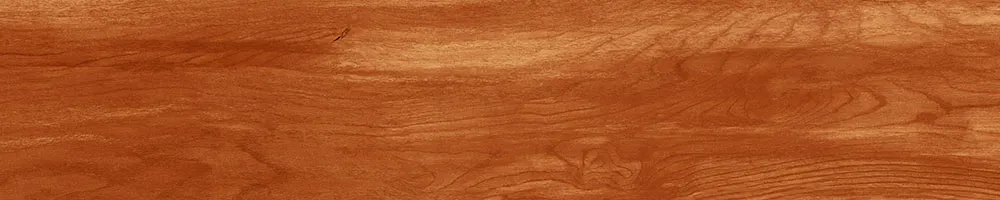 10013
10013 -
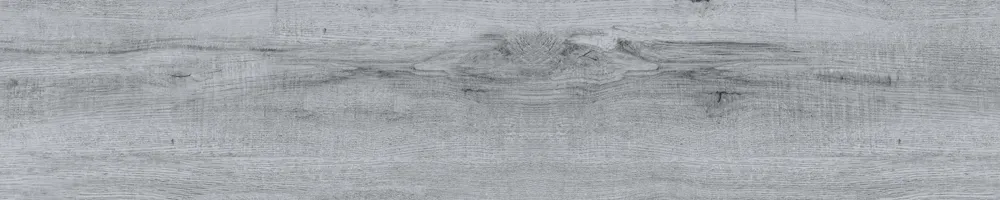 10018
10018 -
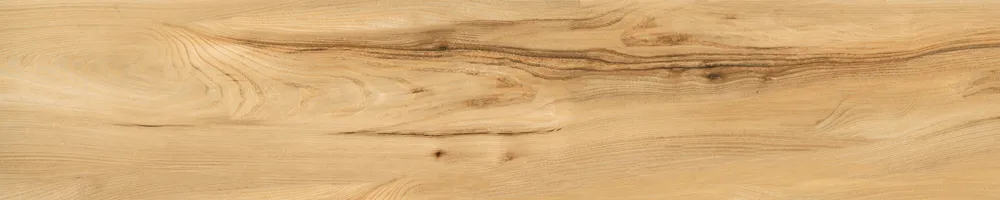 Biscuit
 -
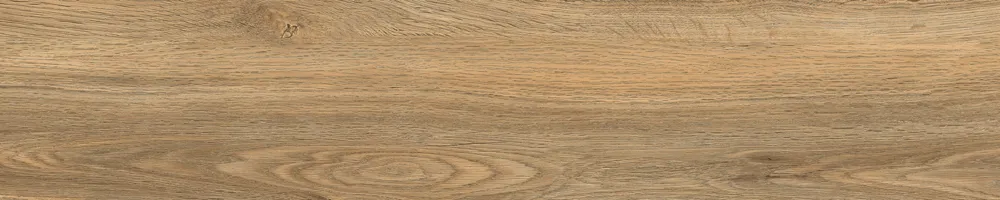 Classic Oak
 -
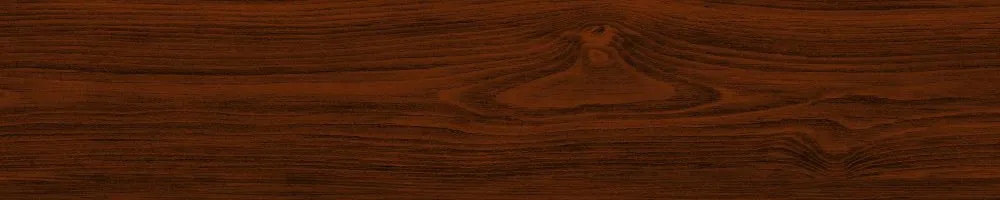 Wenge Wood
 -
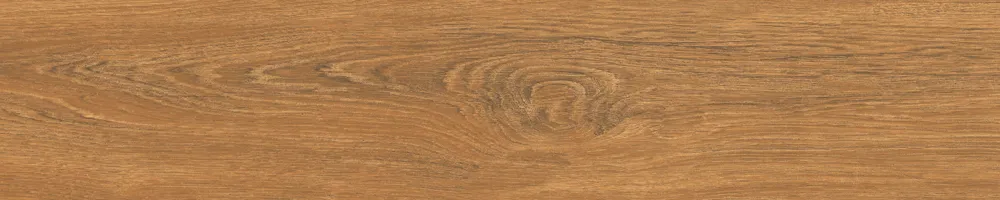 Pecan
Pecan -
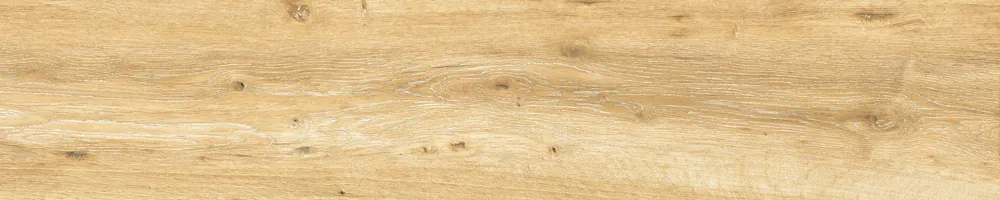 Satin Wood
 -
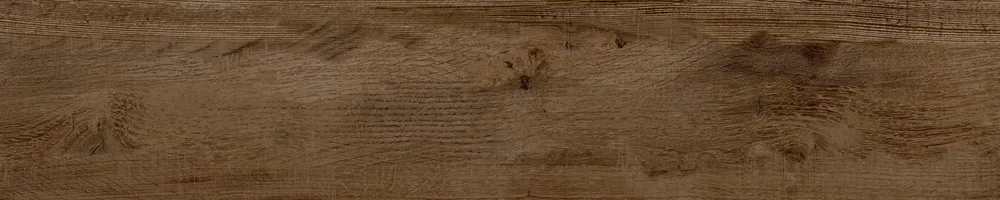 Marfil Choco
 -
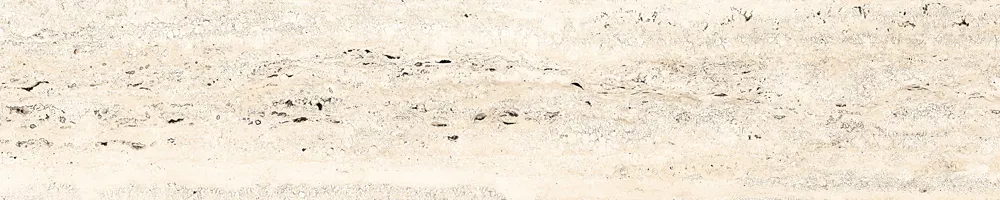 Bucak Light
 -
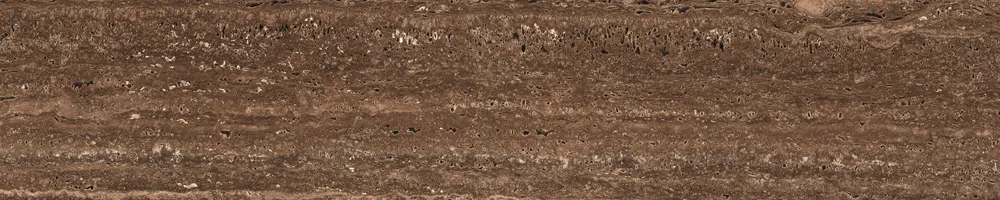 Classic Roman
 -
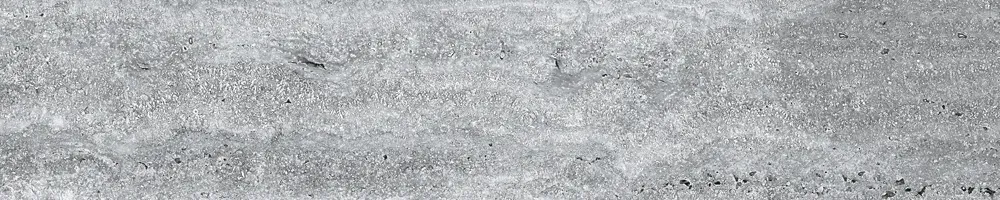 Noir Honed
 -
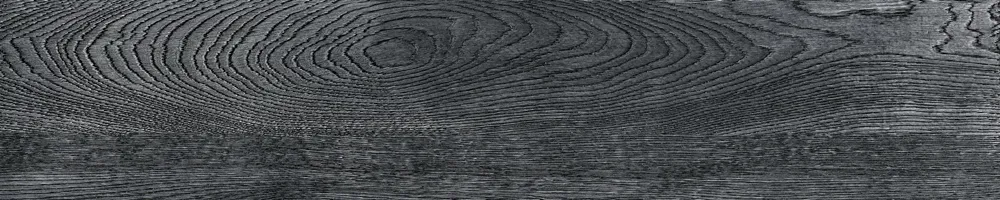 Midnight Ink
 -
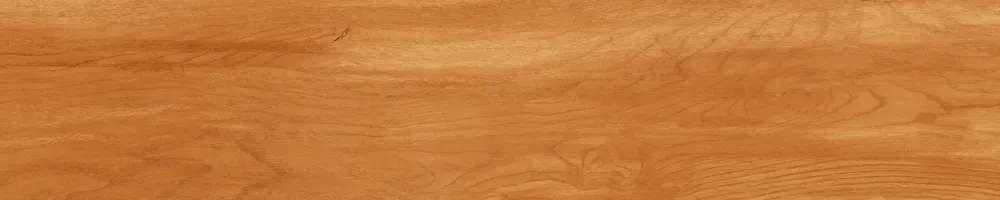 Beech
Beech -
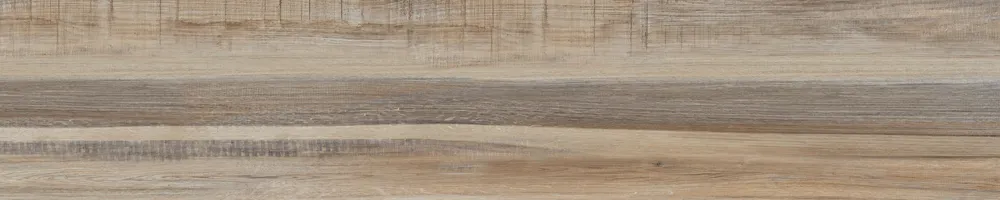 Afara
Afara -
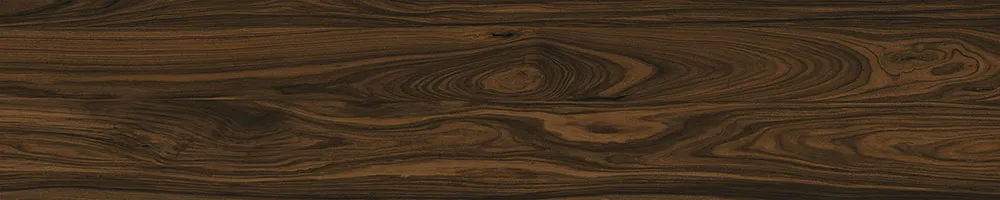 Jacobean
 -
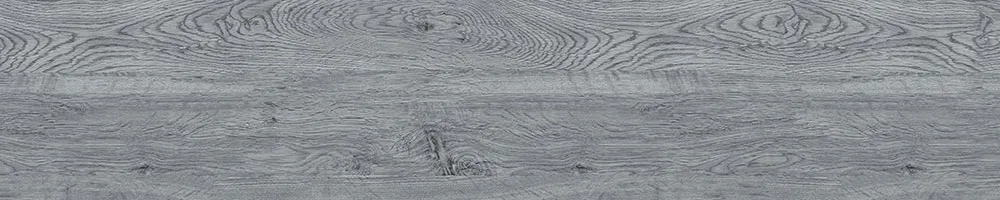 Impirial Grey
 -
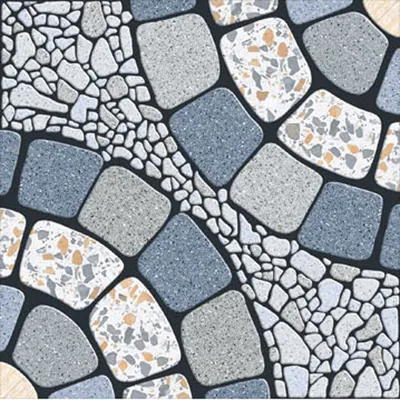 P 1203
 -
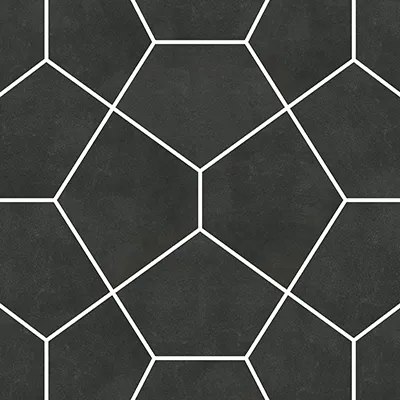 Zic Zak 01
 -
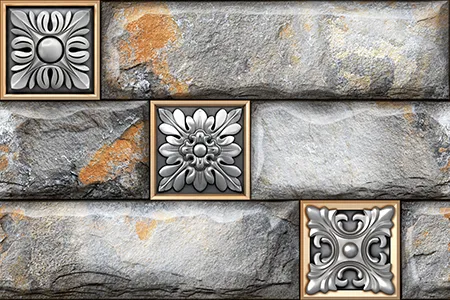 Nexus 03
 -
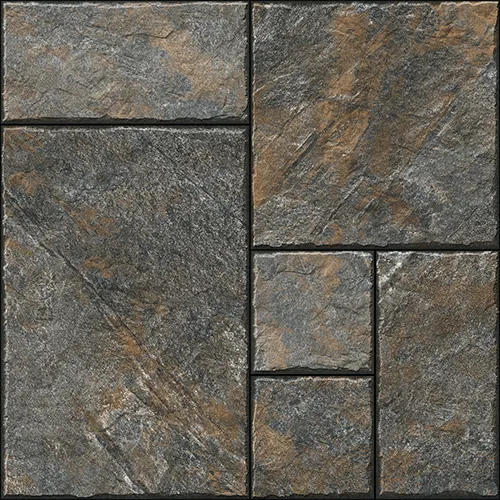 603
603
Porcelain shower tiles use the same semi-vitrified body covered on the main porcelain tiles page, but a shower is genuinely the most demanding wet area in an Indian home, combining constant water exposure, standing humidity, and daily foot traffic on a sloped floor all in one enclosed space. TilesFinders lists this shower-specific product across floor, wall, and slab formats, in glazed, marble-look, and wood-look designs sized from small mosaic sheets to large panel slabs.
This page treats the shower as its own construction system rather than a generic wet area, since the floor, the walls, and the specific slab or mosaic format used all interact with each other in ways that a general bathroom floor or wall page does not need to cover. Getting the slope, the waterproofing, and the tile format right together matters more here than in almost any other room.
Prices for porcelain shower tiles range from Rs. 45 to Rs. 140 per sq.ft from Morbi and Gujarat manufacturers, depending on format and pattern. Mosaic sheets for the shower floor and large slab panels for the walls both sit toward the upper end of this range, reflecting the additional cutting, waste, and installation labour these formats need compared with a standard floor or wall tile.
Why a Shower Is Not Just Another Wet Area
A shower faces water exposure that no other surface in a typical home matches, since the floor sits under standing water multiple times a day, every day, for the life of the building, while the walls face constant splashing and high humidity even when the water itself is not directly hitting them. This is meaningfully more demanding than a bathroom floor outside the shower enclosure, which sees water only intermittently and generally has time to dry between uses.
This constant exposure is why a shower needs its own construction logic rather than simply extending the same tile and finish used across the rest of a bathroom. The floor needs a slope and a rated drainage point, the walls need waterproofing behind the tile rather than relying on the tile and grout alone, and the tile format chosen for each surface needs to actually work with these underlying requirements rather than fighting against them.
Shower Floor Construction: Slope, Drainage, and Slip Rating
A shower floor is never flat, since it needs a gentle slope, typically a fall of roughly 1 to 2 percent, running from the walls toward a central or corner drain so water does not pool anywhere on the surface. This slope is built into the concrete or screed base before any tile goes down, and the tile format chosen needs to be able to follow that slope accurately rather than fighting it.
Slip rating matters more here than almost anywhere else in a home, since a shower floor combines soap residue, water, and bare feet in one space daily. A matte or textured porcelain finish with a confirmed anti-skid rating is the only appropriate choice for this surface, and a glossy or polished tile, however attractive in a catalogue photo, should never be specified for a shower floor regardless of how the rest of the bathroom is finished.
A waterproofing membrane beneath the shower floor tile is just as important as the slope itself, since even well-laid porcelain floor tiles and grout surface are not considered fully waterproof on their own over the long term, particularly through a wet monsoon season when ambient humidity adds to the daily water exposure the floor already faces. This membrane, applied to the sloped screed before tiling begins, is what actually prevents water from reaching the structure below the visible floor surface.
Shower Walls: Waterproofing Behind Glazed Porcelain
Shower walls need waterproofing behind the tile for the same underlying reason the floor does, since porcelain wall tiles and grout alone are not considered a reliable long-term water barrier on their own. A waterproof membrane or a cement-based waterproofing coat applied directly to the wall substrate before tiling gives a genuine second line of defence behind the visible glazed porcelain surface.
Glazed porcelain tile for shower walls remains the standard recommendation, since the fired glaze layer gives a durable, easy-to-clean surface that resists soap scum and hard water marks well over years of daily use. A textured or lightly structured glaze is sometimes preferred over a fully glossy one specifically for a shower wall, since it hides water spots between cleanings better than a mirror-like glossy surface would.
Porcelain tile bathroom shower walls, whether glazed, marble look, or wood look, should all be confirmed as genuinely floor and wall rated for wet area use rather than a decorative product intended for a dry bathroom wall elsewhere in the same room. The technical data sheet should confirm water absorption specifically suited to constant wet exposure before a wall product is approved for use inside the shower enclosure itself.
Shower Slabs and Common Sizes: Fewer Grout Joints in a Wet Space
Porcelain shower slabs describe large panel tiles used to cover an entire shower wall, or close to it, in a single piece, dramatically reducing the number of grout joints compared with a standard-sized tile. Fewer joints matter specifically in a shower, since grout lines are where soap scum, mould, and mineral buildup collect fastest under constant water exposure, so a wall with fewer joints is genuinely easier to keep clean over years of daily use.
Buyers considering this approach for a shower wall should look at the site's larger porcelain sizes specifically built for this kind of coverage, such as 800x1200mm tiles or 1200x1800mm panels, which can span a full shower wall height with only one or two horizontal joints rather than the dozen or more a standard tile size would need. These panels are heavier and need a wall-rated adhesive and, in many cases, professional handling to install safely and correctly.
12x24 porcelain tile shower and 24x48 porcelain tile shower are two of the most searched size references for this application, corresponding to 300x600mm and 600x1200mm respectively. Both sizes strike a practical middle ground between a small standard tile and a full slab panel, giving noticeably fewer joints than a small tile without the weight, cost, and handling demands of the largest slab formats.
Why Mosaic Still Wins on the Shower Floor Specifically
Porcelain mosaic tile for shower floor use remains the standard recommendation specifically for the sloped shower floor itself, even as larger formats take over the walls, and the reason comes down to the slope rather than appearance alone. A single large or even medium-sized rigid tile cannot follow a sloped shower floor's gentle fall toward the drain without extensive, awkward cutting, while a mosaic sheet made of many small individual pieces can step down gradually with the slope far more naturally.
This is a genuinely practical reason mosaic remains common on a shower floor specifically, beyond the additional grip the extra grout lines provide underfoot. Each small piece in a mosaic sheet only needs to sit correctly relative to its immediate neighbours rather than spanning the full slope in one rigid plane, which is exactly what a sloped shower floor demands and a single large tile cannot easily deliver.
Note: Buyers should still confirm the specific mosaic sheet carries a floor-rated, low-water-absorption porcelain body and an anti-skid or textured surface, since not every decorative mosaic product sold for a wall is also rated and finished appropriately for a sloped, constantly wet shower floor.
Looks for a Shower: Marble, Wood, and Plain Glazed
Marble look porcelain tile shower designs print a veined stone pattern onto the wet area rated body, closely related to the broader marble tiles range across the site, giving the shower the appearance of genuine marble without the sealing and staining upkeep real marble needs under constant water exposure. This look works equally well as a wall slab or a smaller format tile, and remains one of the most requested designs specifically for a shower enclosure given the premium, spa-like appearance it creates.
Wood porcelain tile bathroom shower applications need particular care, since a shower is the single wettest zone in the entire bathroom and a wood look pattern needs to convincingly read as natural while carrying a body genuinely rated for this level of water exposure. A matte or lightly textured wood look finish generally works better here than a glossy one, both for the more natural appearance and for the additional grip a shower floor or bench needs.
Glazed porcelain tile for shower use, in a plain colour rather than a printed pattern, remains a straightforward, easy-to-maintain choice that pairs well with either a marble or wood-look feature elsewhere in the same enclosure. A plain glazed shower wall in white or a light neutral tone also makes a small shower enclosure feel less enclosed, an advantage worth considering in a compact Indian bathroom.
What a Shower Actually Costs to Tile
Standard glazed porcelain shower wall tiles are priced from Rs. 45 to Rs. 75 per sq.ft from Morbi and Gujarat manufacturers, the most accessible tier for a full shower enclosure. Marble and wood-look patterns cost more, from Rs. 65 to Rs. 100 per sq.ft, reflecting the added complexity of the printed design work.
Shower slab panels in 800x1200mm or larger sizes sit toward the top of the range, from roughly Rs. 100 to Rs. 140 per sq.ft, given the higher manufacturing cost, breakage risk, and specialised installation labour these panels need. Mosaic sheets for the shower floor generally cost more per square foot than a standard floor tile as well, given the additional cutting and mesh-backed sheet production involved.
Epoxy grout is essential rather than optional for any shower installation, given the constant water exposure, and should be budgeted into the project from the outset rather than treated as an upgrade. Waterproofing membrane, sloped screed work, and GST and freight from Gujarat should all be added to the base tile price when planning a full shower renovation.
The Standard Behind This Wet Area Body
Genuine porcelain shower tiles carry water absorption between 2 and 6 percent, the same Indian market classification covered in more depth on the main porcelain tiles page, and this figure matters more here than almost anywhere else given how constantly a shower floor and wall face water. Most porcelain shower tiles sold in India are manufactured in Morbi, Gujarat, and dispatched to dealers nationwide.
Price for this shower-specific product spans Rs. 45 to Rs. 140 per sq.ft depending on format and pattern, with standard glazed wall tiles at the lower end and slab panels or detailed marble-look mosaic toward the upper end. Buyers outside Gujarat should confirm freight costs separately, and always request written confirmation that a specific product is rated for constant wet, sloped shower use rather than general bathroom wall or floor use, particularly ahead of the monsoon season when humidity across the bathroom rises further.
Planning the Floor, Walls, and Slope as One System
Choosing porcelain shower tiles usually comes down to planning the floor, the walls, and the slope together as one system rather than picking a wall tile and a floor tile independently, since a shower's constant water exposure punishes any mismatch between tile format and construction detail far faster than a dry room would. TilesFinders lists porcelain shower tiles from Morbi and Gujarat manufacturers with wet area rating, slope compatibility, and finish confirmed on every listing.
A correctly planned shower, with a sloped, mosaic-finished floor, waterproofed and slab- or glazed-tiled walls, and a genuinely rated finish throughout, delivers years of daily use without the mould, leaks, or slip risk a poorly planned installation would eventually face.
FAQs
Mosaic sheets, made of small individual pieces on mesh backing, are generally the best choice for a shower floor specifically. This is because the floor needs a gentle slope toward the drain, which small mosaic pieces can follow far more naturally than a single large rigid tile. The extra grout lines this format creates also add grip underfoot.
A shower floor is never flat, since it needs a slope toward the drain. A large rigid tile cannot follow this slope without extensive, awkward cutting. Small mosaic pieces step down gradually with the slope instead, beyond the added grip mosaic provides.
A porcelain shower slab is a large panel tile used to cover most or all of a shower wall in a single piece. This dramatically reduces the number of grout joints. Fewer joints matter in a shower since grout lines collect soap scum and mould fastest, and common slab sizes include 800x1200mm and larger.
These refer to 300x600mm and 600x1200mm tiles respectively, both popular mid-sized options for shower walls. They give noticeably fewer joints than a small standard tile without the weight and handling demands of a full slab panel. Both sizes are commonly searched using their inch equivalents.
Yes, marble look porcelain tile is one of the most requested shower designs. It gives a genuine marble appearance without the sealing and staining upkeep real marble needs under constant water exposure. Confirm the specific product carries a body rating for wet area use, since this look works on both slab walls and smaller tiles.
Porcelain shower tiles typically cost between Rs. 45 and Rs. 140 per sq.ft in India. Standard glazed wall tiles sit at the lower end, while slab panels and detailed mosaic sheets cost more. Waterproofing and epoxy grout should be budgeted separately from the tile price.
Yes, a waterproof membrane or cement-based waterproofing coat should be applied to the wall substrate before tiling. Tile and grout alone are not considered a reliable long-term water barrier. This applies to every wall inside a shower enclosure, and skipping it risks water reaching the structure behind the tile.