

White Gloss Tiles: Which Body Types, Finishes, and Rooms Work
Loading designs...
-
 20932-HL2
 -
 20932-HL1
 -
20932-L
-
20931-HL-2
-
20931-HL-1
-
20931-L
-
20929-HL-2
-
20929-HL-1
-
20929-L
-
20928-L
-
20928-HL-2
-
20928-HL-1
-
20925-HL2
-
20925-HL1
-
20925-L
-
20924-HL3
-
LAPATO-003-L
-
LAPATO-029
-
7007
-
7038





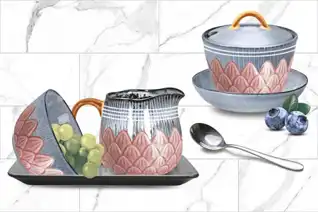













White gloss tiles are the most commonly bought white tile finish in Indian homes, covering bathrooms, kitchen backsplash walls, and living room feature walls across all budget levels. Within the white tiles colour category, glossy finish is the default choice for walls, but the rules change significantly when the same gloss finish is considered for floors. Understanding which white gloss tile works where is the most important buying decision on this page.
White gloss tiles are produced in three body types on TilesFinders: ceramic, GVT, and PGVT. Each body type carries the glossy finish differently. Ceramic white gloss tiles have a fired glaze that gives a bright, clean finish at the lowest price point. GVT white glossy tiles have a harder, denser body with better resistance to chipping at the glaze edge. PGVT white tiles are always polished and are always a wall-only product, regardless of size or finish variant. The finish grade also varies: standard Glossy, High Glossy, and on PGVT, Polished High Glossy and Polished Super High Glossy are distinct specifications with different light reflectivity and price.
White gloss tiles in India are priced from Rs. 28 per sq.ft for 300x450 mm plain white ceramic glossy up to Rs. 130 per sq.ft for 800x1600 mm PGVT Polished High Glossy. The wide price range covers the full span from budget builder-grade bathroom walls to high-specification living room feature wall cladding. Floor-safe white gloss tiles in GVT start from Rs. 50 per sq.ft in 600x600 mm for dry indoor floors only.
White Gloss Floor Tiles: Where Gloss Finish Is Safe and Where It Is Not
This is the most important section on this page. White gloss floor tiles are a high-risk specification in Indian homes if the floor safety rules are not followed. The gloss surface has near-zero friction when wet and is the leading cause of bathroom and kitchen floor slip accidents in Indian households.
| Floor Location | White Gloss Floor Tile Safe? | Reason | What to Use Instead |
|---|---|---|---|
| Dry living room floor (no water exposure) | Yes, with caution | Gloss is acceptable on a dry floor but shows footmarks and scuffs visibly | Matte or Posh GVT for a cleaner long-term look |
| Dry bedroom floor | Yes, with caution | Safe when dry, but shows dust and footmarks more than matte | Matte, Posh, or Sugar finish GVT |
| Bathroom floor | No | Gloss becomes extremely slippery when wet. High fall risk. | Matte or GHR GVT in 300x300mm or 600x600mm |
| Kitchen floor | No | Oil and water make gloss floor tiles a slip hazard in the cooking area | Matte or GHR GVT in 600x600mm |
| Outdoor porch or terrace | No | Rain and moss make gloss outdoor tiles dangerous | GHR or matte full body 15mm or above |
| Stair treads | No | Gloss on stairs is a severe fall risk regardless of the traffic level | Matte or GHR full body tiles |
Note: White high gloss floor tiles and white shiny floor tiles carry the same slip risk as standard white gloss floor tiles. High Glossy finish has even lower surface friction than standard Glossy. Do not use any gloss or high gloss finish on bathroom floors, kitchen floors, outdoor floors, or stairs. For a white floor tile that looks bright and clean, use Posh finish GVT, which gives a smooth, low-glare white surface that is anti-skid and does not show footmarks as much as gloss.
Buyers who search for white gloss floor tiles often want the bright, clean look of a glossy white surface underfoot rather than gloss specifically. The Posh and Sugar finishes on white GVT glazed vitrified tiles give a bright white floor appearance with anti-skid surface texture, which is why they are the correct specification for living room and bedroom floors where gloss-like brightness is wanted without the slip risk.
White Gloss Tiles by Body Type: Ceramic, GVT, and PGVT
| Body Type | Gloss Finish Options | Wall Use | Floor Use | Sizes | Price Range (sq.ft) |
|---|---|---|---|---|---|
| Ceramic | Glossy, High Glossy | Yes | No (300x300mm dry bathroom floor only) | 300x300, 300x450, 300x600 | Rs. 28 to Rs. 55 |
| GVT | Glossy, High Glossy, Semi High Glossy | Yes | Dry indoor floors only (matte/GHR for wet) | 600x600, 600x1200, 800x1200, 800x1600 | Rs. 50 to Rs. 110 |
| PGVT | Polished Glossy, Polished High Glossy, Polished Semi High Glossy, Polished Super High Glossy | Yes (only) | Never | 600x600, 600x1200, 800x1200, 800x1600 | Rs. 65 to Rs. 130 |
Ceramic white gloss tiles are the standard finish for Indian budget bathrooms. The fired glaze on ceramic gives a bright, uniform white that reads well under bathroom lighting. The glaze layer on ceramic is thinner than on GVT, which means the edge of a ceramic gloss tile chips more visibly over time when knocked at corners and door frames. GVT white glossy tiles have a harder body and a thicker glaze layer that resists chipping better, which is why GVT is preferred on larger wall areas where tile edges are more exposed.
PGVT white gloss tiles are always polished, which is a different surface process from the standard fired glaze on ceramic or GVT. The polishing step on PGVT removes the top microns of the glaze and creates a mirror-like surface. This is what Polished High Glossy means: a machine-polished surface rather than a fired-gloss glaze. The result is visually closer to a glass panel than a standard white glossy tile. PGVT white in Polished High Glossy on a bathroom wall reads as a significantly different product from a 300x600mm ceramic white gloss tile, even though both are described as white gloss. For buyers comparing these two ends of the white gloss tile range, the white wall tiles page covers how ceramic and PGVT white perform differently on bathroom walls over the years of use in Indian conditions.
White Gloss Finish Grades: Glossy vs High Glossy vs Polished High Glossy
Not all gloss finishes are equal. The finish grade affects light reflectivity, scratch resistance, and maintenance requirements.
| Finish Grade | Body Types | Light Reflectivity | Scratch Resistance | Best Use | Price Premium Over Matte |
|---|---|---|---|---|---|
| Glossy | Ceramic, GVT | High | Moderate | Bathroom walls, kitchen backsplash | Rs. 5 to Rs. 10 per sq.ft |
| High Glossy | GVT | Very high | Low | Living room walls, bedroom feature walls | Rs. 10 to Rs. 20 per sq.ft |
| Semi High Glossy | GVT | Moderate-high | Moderate | Bathroom walls, bedroom walls | Rs. 5 to Rs. 15 per sq.ft |
| Polished Glossy | PGVT only | Very high | Low | Bathroom accent walls, bedroom walls | Rs. 15 to Rs. 30 per sq.ft |
| Polished High Glossy | PGVT only | Extremely high | Very low | Feature walls, reception cladding, and hotel bathrooms | Rs. 20 to Rs. 40 per sq.ft |
| Polished Super High Glossy | PGVT only | Mirror-like | Very low | Luxury feature walls only | Rs. 30 to Rs. 60 per sq.ft |
White high gloss tiles in GVT carry a brighter, more intense white than standard glossy GVT because the High Glossy finish amplifies colour saturation. The tradeoff is lower scratch resistance. On a wall surface, this is not a concern because walls are not walked on or dragged across. On a floor, High Glossy scratches from grit, chair legs, and footwear within months. This is why High Glossy white is a wall-only finish in practical use, even when it is technically possible to lay it on a dry indoor floor.
Where White Gloss Tiles Work Best, Room by Room
- White Gloss Bathroom Tiles: Ceramic white gloss in 300x600 mm is the most widely used bathroom wall tile in Indian residential construction. The glossy surface reflects light in a typically small bathroom and makes the room appear brighter. White gloss bathroom tiles in 600x1200 mm PGVT Polished High Glossy give a significantly more upscale result at a higher price. Use matte or GHR finish on the bathroom floor regardless of which gloss tile is chosen for the walls.
- White Gloss Kitchen Tiles: White gloss kitchen tiles on the backsplash area between the counter and overhead cabinet are the most practical kitchen wall finish in Indian homes. Glossy white wipes clean of oil, masala, and turmeric stains with a damp cloth in a single pass. Matte white kitchen tiles need more scrubbing to remove the same stains because the porous-feeling matte surface traps residue in the micro-texture. White gloss wall tiles 600x300 mm in landscape orientation are a popular backsplash tile in Indian modular kitchens.
- White Gloss Wall Tiles for Living Rooms: GVT white High Glossy in 600x1200 mm or PGVT white Polished High Glossy in 800x1600 mm are used for TV unit walls, entrance foyer panels, and feature wall cladding in Indian living rooms. The high-gloss white surface under a warm LED spotlight gives a luminous effect that matte tiles cannot produce. The tradeoff is that fingerprints and dust show on a high-gloss white living room wall more than on a matte surface, so these walls need wiping once every few days.
- White Gloss Tiles for Dry Living Room and Bedroom Floors: GVT white Glossy or High Glossy in 600x600 mm or 600x1200 mm can be used on dry living room and bedroom floors where water exposure is not a concern. The gloss floor shows footmarks and dust more than matte does and needs daily dry mopping to stay clean. This is acceptable in a bedroom where foot traffic is light, but high-gloss white on a living room floor in an Indian household with daily foot traffic will look dirty within hours of cleaning.
For buyers finishing a bathroom with white gloss wall tiles and needing a coordinated white floor tile, pairing a 300x600 mm ceramic white gloss wall with a 300x300 mm or 600x600 mm white matte GVT floor is the standard approach in Indian residential builds. The white marble tiles in PGVT Polished High Glossy are the most popular white gloss wall tile for mid-range Indian bathrooms, where the marble vein design gives more visual depth than a plain white gloss surface at a similar price point.
White Gloss Tile Sizes and Common Uses
| Size | Alias | Body Types in Gloss | Common Use in India |
|---|---|---|---|
| 300x450 mm | 12x18 | Ceramic | Budget bathroom walls, small kitchen backsplash |
| 300x600 mm | 12x24 (1x2) | Ceramic, GVT | Standard bathroom walls, kitchen backsplash, subway-look laying |
| 600x600 mm | 2x2 (24x24) | GVT, PGVT | Large bathroom walls, living room walls, dry bedroom floors |
| 600x1200 mm | 2x4 (24x48) | GVT, PGVT | The living room features walls, large bathroom walls, and dry floors |
| 800x1200 mm | 32x48 | GVT, PGVT | Reception walls, hotel bathroom walls, lobby cladding |
| 800x1600 mm | 32x64 | GVT, PGVT | Floor-to-ceiling feature walls, large bathroom wall panels |
White gloss wall tiles 600x300 mm refers to the 300x600 mm tile laid in landscape orientation (600mm horizontal, 300mm vertical). This is the subway tile laying format. The same 300x600 mm ceramic or GVT white glossy tile can be laid portrait (taller than wide) for standard bathroom walls or landscape for a subway-style kitchen backsplash. The tile itself is the same product; only the laying direction changes. White gloss subway tiles are simply 300x600 mm white glossy tiles laid horizontally.
Cleaning and Maintaining White Gloss Tiles in Indian Conditions
White gloss tiles in Indian bathrooms and kitchens face hard water mineral deposits, soap scum, cooking oil, and turmeric stains. The gloss surface makes stains visible faster than matte, but also makes them easier to clean because the smooth surface does not trap residue.
- Hard water deposits on white gloss bathroom walls: Indian water in many cities carries high calcium and magnesium content. On white gloss tiles, mineral deposits appear as white or grey chalky marks within days of use. Wipe the tile surface with a damp microfibre cloth every 3 to 4 days to prevent buildup. For existing deposits, diluted white vinegar applied with a soft cloth dissolves calcium without scratching the glaze.
- Soap scum on white gloss tiles: Soap scum accumulates on white gloss bathroom tiles faster than on matte tiles because the smooth gloss surface allows soap to spread in a thin film rather than bead off. Weekly cleaning with a mild bathroom cleaner and a non-abrasive cloth keeps white gloss bathroom tiles clean without degrading the glaze.
- Oil and turmeric on white gloss kitchen tiles: White gloss kitchen tiles clean easily from oil and masala stains with a damp cloth when cleaned promptly. Turmeric left on a white gloss tile surface for more than 24 hours can leave a faint yellow tint. Wipe kitchen backsplash tiles immediately after cooking or at the end of each day to prevent turmeric and oil from setting on the glossy surface.
- Grout on white gloss tile joints: White cement grout on white gloss tiles turns grey or yellow in Indian bathrooms within 6 to 12 months due to hard water, soap, and humidity. Epoxy grout at all tile joints does not absorb moisture or stain and maintains its original colour for the life of the tile without annual resealing.
White Gloss Tiles in Indian Bathrooms: Hard Water and Long-Term Performance
Hard water is the single biggest maintenance challenge for white gloss tiles in Indian homes. Cities across Gujarat, Rajasthan, Maharashtra, and parts of Karnataka and Tamil Nadu have water with TDS (total dissolved solids) above 500 mg/L, which leaves visible mineral deposits on white gloss surfaces within days of use. Ceramic white gloss tiles with 12 to 16% water absorption are wall-surface products where the absorption rate does not affect performance; the challenge is the glaze surface attracting mineral films. GVT and PGVT white gloss tiles at 0.05% water absorption per IS 15622:2006 have denser glaze layers that are easier to wipe clean of hard water marks than ceramic glaze, which is why they are the preferred specification in cities with very hard water.
Morbi and Gujarat manufacturers produce white gloss tiles across ceramic, GVT, and PGVT body types from Rs. 28 per sq.ft for 300x450 mm ceramic glossy to Rs. 130 per sq.ft for 800x1600 mm PGVT Polished High Glossy. The 300x600 mm white glossy ceramic from Gujarat factories at Rs. 28 to Rs. 45 per sq.ft remains the highest-volume white gloss tile in Indian residential construction. The 600x1200 mm PGVT white Polished High Glossy from Morbi manufacturers at Rs. 70 to Rs. 110 per sq.ft is the standard specification for mid-range and builder-grade premium apartment bathrooms across Indian metros.
White Gloss Tiles by Body Type, Size, and Finish Grade
Comparing white gloss tiles across ceramic, GVT, and PGVT body types and across standard Glossy, High Glossy, and Polished High Glossy finish grades is difficult when options across different price points are spread across multiple showrooms. The catalogue on TilesFinders lists white gloss tiles from verified Morbi and Gujarat manufacturers with body type, finish grade, size, and price per sq.ft shown for each product, so buyers can compare a 300x600 mm ceramic white gloss bathroom tile at Rs. 28 per sq.ft against a 600x1200 mm PGVT Polished High Glossy at Rs. 90 per sq.ft before deciding which specification fits the room and the budget.
FAQs
No. White gloss floor tiles must not be used in bathrooms. The glossy surface becomes extremely slippery when wet and creates a fall risk. For bathroom floors, use white matte or GHR finish GVT tiles in 300x300 mm or 600x600 mm. For a bathroom that needs a bright white floor, the Posh finish on white GVT gives a smooth, low-glare white that is anti-skid and passes the wet floor safety requirement that standard gloss does not.
Standard Glossy finish gives a bright, reflective white surface with moderate scratch resistance. High Glossy finish gives a more intense, deeper white with stronger light reflectivity but lower scratch resistance. On GVT, High Glossy costs Rs. 10 to Rs. 20 per sq.ft more than standard Glossy. On PGVT, the equivalent is Polished High Glossy, which is a machine-polished surface rather than a fired glaze and gives a mirror-like result at the top of the white gloss tile price range.
White gloss ceramic tiles have 12 to 16% water absorption, are available up to 300x600 mm, and are the lowest-priced white gloss wall tile. White gloss GVT tiles have 0.05% water absorption, are available from 600x600 mm to 800x1600 mm, and have a harder body with better chip resistance at tile edges. Ceramic white gloss is the standard for budget bathrooms. GVT white gloss is used for larger wall areas, living room feature walls, and bathrooms in mid-range and above projects.
No. White gloss subway tiles are standard 300x600 mm white gloss ceramic or GVT tiles laid in landscape orientation, meaning 600mm horizontal and 300mm vertical. The subway look comes from this horizontal laying direction and the brick-bond offset pattern between rows. The tile itself is the same 300x600 mm product. White gloss wall tiles 600x300 mm in product listings refers to the same tile described in landscape dimensions.
In Indian cities with hard water, white gloss bathroom wall tiles need wiping every 3 to 4 days to prevent calcium and soap film buildup. In cities with softer water, once a week is sufficient. The grouted joints need cleaning once every 2 to 4 weeks with a mild tile cleaner. Epoxy grout at the joints significantly reduces the cleaning effort because it does not absorb moisture or stain the way cement grout does over time.
300x600 mm white gloss ceramic or GVT in landscape orientation is the most widely used kitchen backsplash tile in Indian modular kitchens. The landscape format gives a subway-like appearance and covers the standard 600mm gap between the kitchen counter and the overhead cabinet in one tile height. For larger kitchens with more wall space above the overhead cabinet, 600x600 mm white gloss GVT gives fewer grout lines across a wider surface.