

Best bathroom tile design for modern Indian homes
Choosing good bathroom aesthetics is just as important as styling the rest of your home. Your bat...


Loading designs...
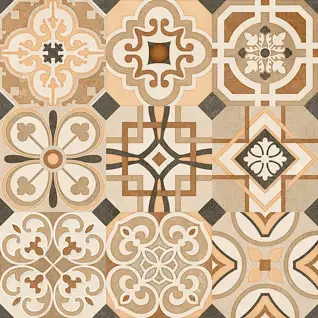
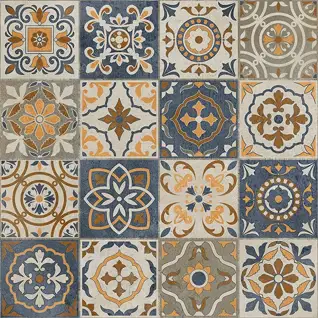
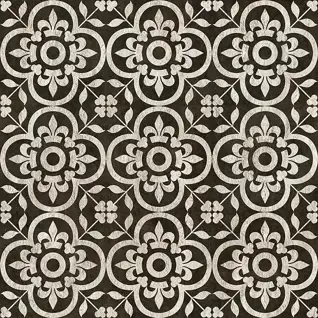
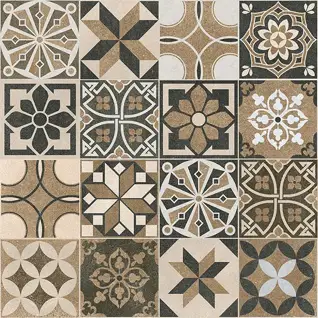
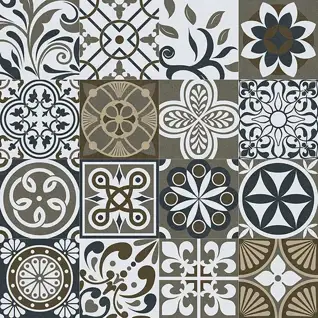
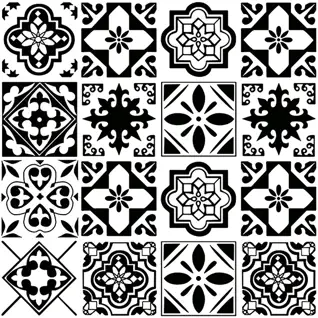
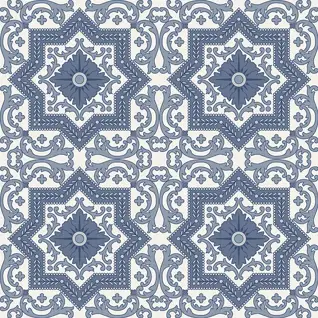
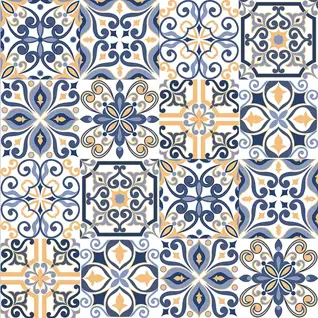
Moroccan wall tiles bring a structured geometric pattern and saturated colour to any vertical surface. A bathroom feature wall in blue Moroccan wall tiles reads completely differently from a plain tiled surface. A kitchen splashback in star-and-cross arabesque tiles turns a working wall into a design statement.
The Moroccan wall tile category covers ceramic, GVT, zellige, encaustic cement, and hand-painted options, with prices in India from Rs. 55 per sq ft for ceramic body up to Rs. 700 per sq ft for imported hand-painted fired clay. This page covers every wall application: wet-area walls, dry-area walls, kitchen splashbacks, bathroom feature walls, and dado tiles, so you can match the right tile specification to each surface before you order.
The repeat pattern structure of Moroccan wall tiles suits Indian interior spaces for three reasons. First, geometric patterns draw the eye in a fixed direction, which makes narrow corridors feel longer and low-ceiling rooms feel taller. Second, the colour palette of traditional Moroccan design, built on blues, greens, turquoises, and black-and-white contrasts, pairs naturally with white plaster, concrete, and the neutral wall finishes common in Indian homes. Third, the glazed surface of ceramic and GVT Moroccan wall tiles is easy to wipe clean, which matters on kitchen splashback walls where cooking grease and steam land daily.
Moorish geometry on a wall does not need a large surface area to work. A single accent wall of 40 to 60 sq. ft. in an arabesque pattern creates visual rhythm across the full room. Moroccan wall tiles used as a dado tile band (from floor to 900 mm height) on a bathroom wall looks at a lower cost than full floor-to-ceiling wall cladding.
Pro tip: Use Moroccan wall tiles on one feature wall only in rooms under 120 sq.ft. Using the interlocking pattern on all four walls of a compact bathroom or kitchen creates visual noise. One accent wall in Moroccan tile, three walls in plain white or grey, is the most common approach in Indian residential projects.
Moroccan wall tiles in India are sold across five body types. Wall tiles do not carry foot traffic, so water absorption limits are less strict than for floor tiles, but wet area walls (bathrooms, kitchen splashbacks) still need a body that handles moisture without cracking or staining the grout joint.
| Body Type | Water Absorption | Best Wall Surfaces | Finish Options | Price (Rs./sq.ft) |
| Ceramic (IS 13630) | 12% to 16% | Dry walls, bathroom walls, dado | Gloss, matte, hand-painted | Rs. 55 to Rs. 130 |
| GVT (Glazed Vitrified) | 0.5% to 3% | All walls incl. wet areas | Matte, satin, gloss, sugar | Rs. 95 to Rs. 180 |
| Zellige (fired clay) | 6% to 12% | Feature walls, dry bathroom walls | Reactive glaze (uneven) | Rs. 300 to Rs. 700 |
| Encaustic / Moroccan Concrete | 4% to 8% | Dry walls, accent panels | Matte cement | Rs. 180 to Rs. 400 |
| Hand-painted ceramic | 10% to 14% | Feature walls, dado strips | Gloss glaze over painting | Rs. 250 to Rs. 600 |
Note: Zellige and encaustic Moroccan wall tiles have water absorption figures above 4%. These are not safe for full wet area walls like shower enclosures or bath surrounds, where water lands directly on the tile surface every day. Use them on feature walls in dry bathroom zones or as accent panels behind a vanity mirror. For direct-wet surfaces, use GVT Moroccan wall tiles with gloss or matte finish only.
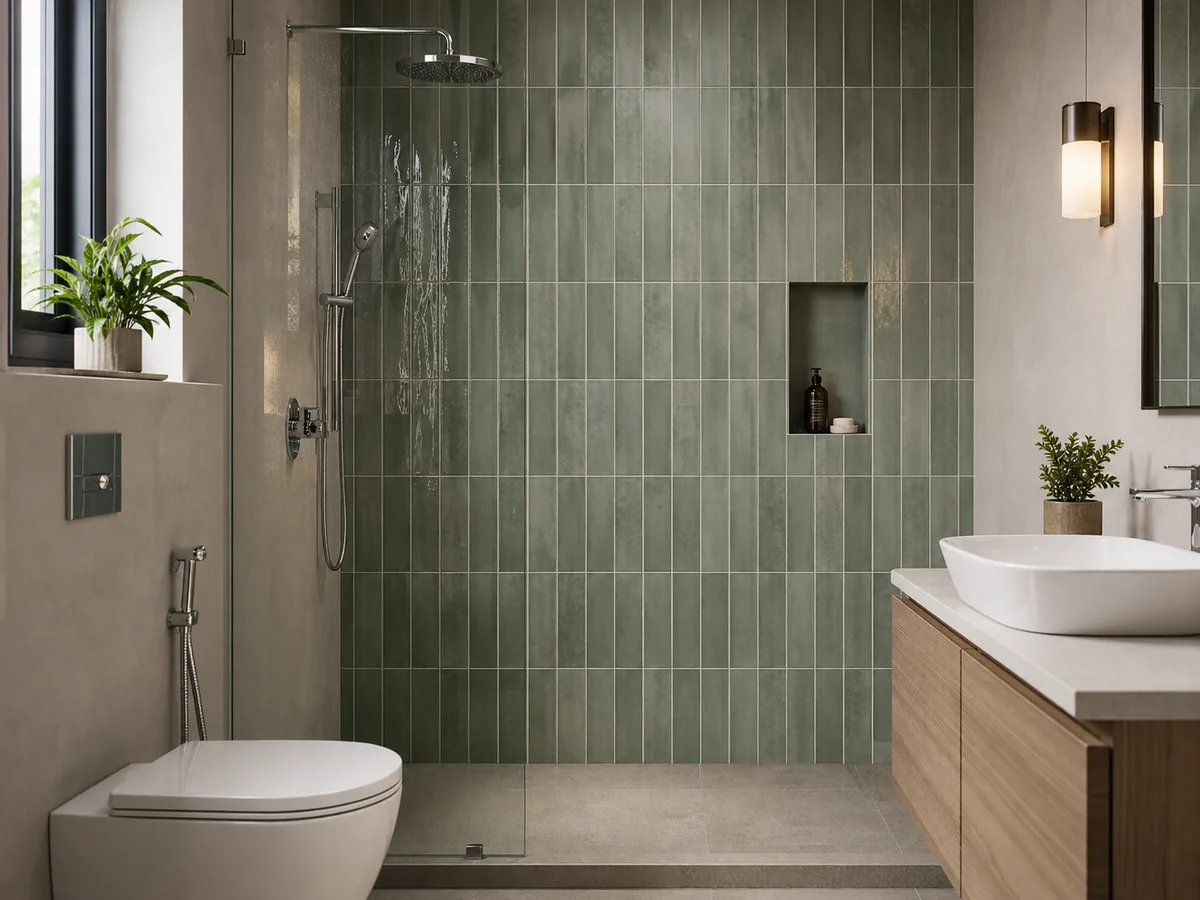
Bathroom wall tiles in the Moroccan style are one of the most searched applications for this tile look in India. The key is separating the wet area wall (inside shower, around bath) from the dry area wall (above vanity, accent wall outside the wet zone). Each zone needs a different tile specification.
Wet area bathroom walls (direct water contact):
Dry area bathroom walls (feature wall, above vanity, dado band):
| Bathroom Zone | Safe Body Types | Finish | Size Range | Grout Type |
| Shower wall (wet) | GVT only | Gloss or matte | 200x200 to 300x300 mm | Epoxy only |
| Bath surround (wet) | GVT only | Gloss or matte | 200x200 to 250x400 mm | Epoxy only |
| Vanity back wall (dry) | Ceramic, GVT, zellige | Any | 100x100 to 300x600 mm | Epoxy or cement |
| Dado band (dry) | Ceramic, GVT, hand-painted | Gloss or matte | 100x200 to 200x200 mm | Cement + sealer |
| Feature wall (dry) | All types incl. zellige | Any | 100x100 to 300x600 mm | Cement + sealer |
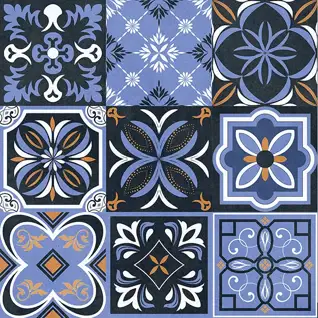
Blue Moroccan wall tiles are the most popular single-colour choice for this look in India. The blue in Moroccan wall tiles ranges from deep cobalt and navy (close to Moroccan blue in traditional zellige) to lighter sky blue and turquoise. Each shade works differently depending on the room size, the light source, and the wall surface area being tiled.
Deep cobalt and navy: Most striking in small feature wall areas of 20 to 40 sq.ft. Works against white grout for maximum pattern definition. Suit bathrooms with natural light and kitchens with white or grey cabinetry.
Mid-blue and royal blue: The most versatile blue for Moroccan wall tile applications. Works on larger walls of 60 to 100 sq. ft. without becoming visually heavy. Common in dado tile bands and kitchen splashbacks.
Turquoise and teal: Lighter and more neutral than cobalt. Works in Indian bathrooms facing north or west, where natural light is limited. The lighter colour palette reflects available light without needing a bright, direct source.
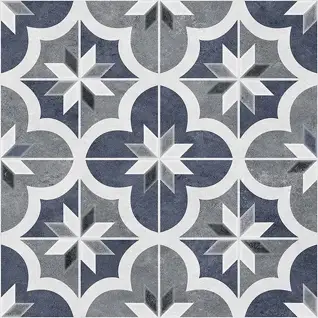
Blue and white: The two-colour version of the Moroccan wall tile look. Star-and-cross or arabesque field tile in blue with white grout joints. The colour palette is the most photographed Moroccan wall tile combination in Indian homes.
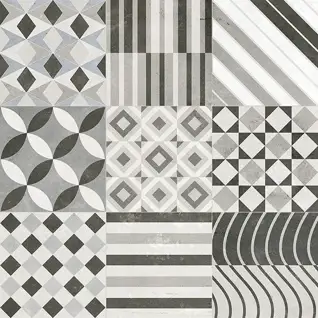
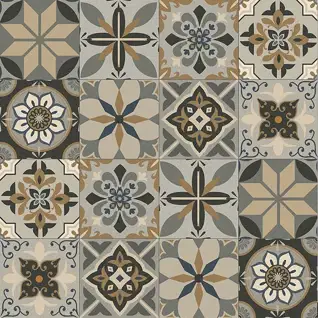
Pro tip: For grey Moroccan wall tiles in bathrooms, specify a tile with a reactive or variegated glaze rather than a flat, solid grey. A flat, grey Moroccan wall tile looks like a plain tile from 2 metres away. A variegated or relief surface keeps the handmade character that makes the Moroccan look work in a modern Indian bathroom.
Moroccan mosaic wall tiles are sold as a tile sheet of small pieces (typically 2 cm to 5 cm each) fixed to a 300x300 mm mesh-backed sheet. The sheet is fixed to the wall like a single tile. The mosaic format allows the geometric pattern to wrap around curved surfaces, alcoves, and niches that single Moroccan wall tiles cannot cover cleanly.
The mesh-backed sheet format also allows you to cut a single sheet with a grout cutter and wrap a pattern around an inside corner, which is much harder with individual field tiles. This makes Moroccan mosaic wall tiles the standard choice for:
Note: Moroccan mosaic tile sheets have multiple small grout joints per sheet, far more than single Moroccan wall tiles. These joints collect soap residue, cooking grease, and moisture in wet areas. Always use epoxy grout for Moroccan mosaic wall tiles in wet bathrooms and kitchens. Cement grout in the fine joints of mosaic sheets stains within 3 to 6 months in Indian conditions and is very difficult to clean.
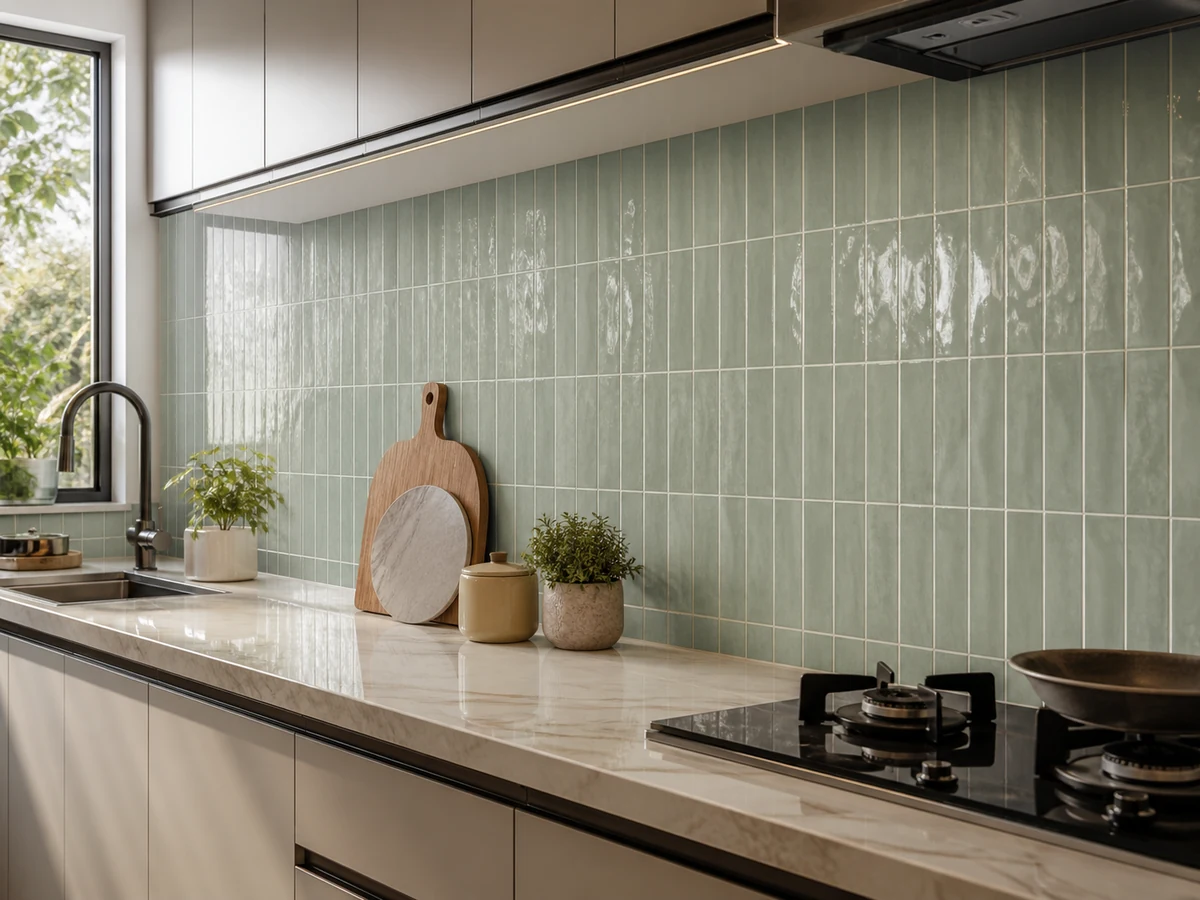
A kitchen splashback in Moroccan wall tiles is one of the fastest ways to change the look of an Indian kitchen without a full renovation. The splashback wall sits behind the hob and sink and takes daily exposure to cooking steam, oil splashes, and cleaning liquids. These are the tile specification rules for kitchen splashback Moroccan wall tiles:
Body: GVT Moroccan wall tiles for all kitchen splashbacks. The 0.5 to 3% water absorption of GVT handles daily moisture and steam without swelling the body or loosening the tile adhesive bond.
Finish: Gloss or high-gloss glaze is safe and useful on kitchen wall tiles (unlike kitchen floors). The smooth, glazed surface on a gloss Moroccan wall tile wipes clean in one pass. Matte Moroccan wall tiles in a kitchen splashback absorb cooking grease into the micro-pores of the matte finish over time and are harder to clean.
Size: 200x200 mm (20x20 cm) and 100x200 mm (brick format) Moroccan wall tiles are the easiest to cut around plug sockets, pipe penetrations, and splashback edges. Larger 300x300 mm tiles work on uninterrupted splashback panels above 1 metre wide.
Grout: Epoxy grout for all kitchen splashback applications. The grout joint in a Moroccan star pattern is narrow (1.5 to 2 mm) and collects cooking grease with cement grout within weeks. Epoxy grout does not stain and can be cleaned with standard kitchen degreasers.
| Size | Format Name | Best Wall Application | Pattern Scale |
| 100x100 mm | 10x10 cm | Mosaic sheets, dado bands, alcoves | Very fine |
| 150x150 mm | 15x15 cm | Bathroom feature walls, splashbacks | Fine |
| 200x200 mm | 20x20 cm | Bathrooms, kitchens, feature walls | Standard |
| 200x300 mm | 20x30 cm | Bathroom walls, kitchen splashbacks | Medium |
| 250x400 mm | 25x40 cm | Larger bathroom walls, living features | Medium-large |
| 300x600 mm | 30x60 cm | Statement feature walls in large rooms | Large |
| 300x300 mm sheet | Mosaic sheet | Shower walls, curved surfaces, and niches | Very fine |
Pro tip: When mixing Moroccan wall tile sizes on a single wall (for example, a field tile of 200x200 mm with a border tile of 100x200 mm at the dado line), confirm that both tile sizes use the same or compatible grout joint widths. Mismatched grout joints on the same wall break the visual rhythm of the pattern repeat and are very difficult to correct after fixing.
Wall preparation: The wall surface must be plumb, flat to within 3 mm over 2 metres, and free of paint, dust, or loose plaster. Moroccan geometric pattern tiles show any variation in the wall surface as a broken pattern repeats. Skimming the wall before tiling is worth the extra cost.
Tile adhesive: Use C1 grade tile adhesive for dry area Moroccan wall tiles and C2 waterproof grade adhesive for wet area walls. Do not use standard sand-cement mortar for wall tile fixing: it shrinks as it cures and creates hollow spots behind the tile that crack under thermal movement.
Setting out: Find the centre of the wall and work outward. Moroccan geometric patterns look wrong if cut tiles appear at one side of the wall but not the other. Always dry-lay one full row to check the pattern balance before fixing.
Relief tiles and textured tiles: Some Moroccan wall tile ranges include relief tiles with a raised surface design. These look very different from flat field tiles in the same pattern. Mix relief tiles and flat tiles in a planned ratio (typically one relief tile per four field tiles) rather than randomly.
Tile trim and tile border: At the edge of a Moroccan tile panel, use a matching pencil trim or bullnose border tile to finish the cut edge cleanly. Raw tile edges without a trim look unfinished and collect dirt.
GVT Moroccan wall tiles with a gloss glazed surface absorb 0.5% to 3% water, well within the safe range for wet area wall cladding in Indian bathrooms and kitchen splashbacks. Full body vitrified wall tiles certified to IS 15622:2006 absorb 0.05% and are the most water-resistant wall tile body available, though most Moroccan wall tile patterns in India are produced in GVT body. The 200x200 mm (200x200 mm) and 300x300 mm formats are the most widely produced sizes by Morbi manufacturers in Gujarat, priced from Rs. 75 per sq.ft for standard ceramic body to Rs. 180 per sq.ft for GVT gloss finish. Gujarat's tile production cluster means batch-matched stock for full wall coverage is available without long lead times.
India's monsoon season brings sustained humidity above 85% across most of the country from June to September, with bathroom wall temperatures cycling from 22 to 40 degrees Celsius across the year in regions like Gujarat, Maharashtra, and Karnataka. This thermal and moisture cycling is why the grout joint in Moroccan mosaic wall tiles and small-format Moroccan wall tiles must use epoxy grout rather than cement grout in any wet area application. Morbi and the wider Gujarat manufacturing base produce a growing range of GVT Moroccan wall tiles in blue, grey, and arabesque patterns at Rs. 95 to Rs. 180 per sq.ft, covering the full range from basic bathroom walls to statement feature walls in living areas.
From hand-painted zellige feature panels to ceramic arabesque splashback tiles at Rs. 55 per sq ft, the full range of Moroccan wall tiles by body type, colour, size, and finish is listed with real pricing on TilesFinders, India's dedicated tile marketplace. Use the filter panel to narrow by colour family (blue, grey, black and white), surface type (wet area, dry area), and tile size, then compare shortlisted Moroccan wall tiles side by side before requesting a sample order.
Moroccan wall tiles in India start from Rs. 55 per sq ft for ceramic body options and go up to Rs. 700 per sq ft for imported hand-painted zellige. GVT Moroccan wall tiles, the most common choice for bathroom and kitchen walls, cost Rs. 95 to Rs. 180 per sq.ft. Encaustic and hand-painted ceramic options cost Rs. 180 to Rs. 600 per sq.ft. Prices vary by body type, size, finish, and brand. Morbi manufacturers in Gujarat supply the most competitively priced GVT range.
Ceramic Moroccan wall tiles (IS 13630) absorb 12 to 16% water and are not safe for direct-wet shower walls. High water absorption in a daily-use shower causes the tile body to swell, loosens the tile adhesive bond, and leads to tiles falling off the wall. Use GVT Moroccan wall tiles with 0.5% to 3% water absorption for all shower and bath surround walls. Ceramic Moroccan wall tiles are safe on dry bathroom walls, dado bands, and feature walls outside the wet zone.
GVT Moroccan wall tiles with gloss finish work best on kitchen splashbacks. The gloss-glazed surface wipes clean in one pass, handles daily cooking steam, and does not absorb cooking grease into the surface. Use epoxy grout in all splashback joints. The 200x200 mm size is the most practical for kitchen splashbacks as it cuts cleanly around plug sockets and pipe penetrations.
200x200 mm (20x20 cm) Moroccan wall tiles work well in most Indian bathrooms under 60 sq.ft. This size gives 2 to 3 full pattern repeats in a typical 900 mm wide bathroom panel, which is enough for the geometric design to read clearly. Mosaic sheet format (300x300 mm sheet, 2 to 5 cm pieces) is the right choice for alcoves and shower niches where individual tiles cannot wrap corners cleanly.
Mid-blue and turquoise Moroccan wall tiles work in north-facing bathrooms. Deep cobalt or navy blue on all walls of a low-light bathroom makes the space feel darker. A single feature wall in deep Moroccan blue tiles with three plain white walls is the practical approach. Turquoise and teal colour palettes reflect available light more than cobalt and suit north-facing rooms better than deep navy shades.
Epoxy grout is the correct choice for Moroccan mosaic wall tiles in wet bathrooms and kitchen splashbacks. Mosaic wall tiles have far more grout joints per square foot than single tiles, and these joints collect soap scum and cooking grease quickly when cement grout is used. Epoxy grout costs Rs. 180 to Rs. 250 per kg and resists staining. On dry feature walls, cement grout with a penetrating sealer is acceptable at a lower cost.
Zellige is one specific subtype of Moroccan wall tile made from hand-cut fired clay pieces with a reactive glaze that produces surface variation. Standard Moroccan wall tiles are machine-produced ceramic or GVT tiles with a printed geometric pattern. Zellige costs Rs. 300 to Rs. 700 per sq ft and must be sealed after fixing. Ceramic and GVT Moroccan wall tiles cost Rs. 55 to Rs. 180 per sq. ft. and need no sealing. Both deliver the Moroccan look but at very different price points and maintenance levels.
Most Moroccan wall tiles are not rated for exposed outdoor walls in India. Ceramic body tiles (IS 13630) at 12 to 16% water absorption crack in monsoon wet-dry cycles. GVT tiles at 0.5 to 3% fare better but still risk surface crazing on south and west-facing walls that reach 48 to 55 degrees Celsius in summer. Full body vitrified tiles to IS 15622:2006 at 0.05% water absorption are the only body type safe for exposed exterior wall cladding in Indian climate conditions.
-c1c8f337-bdf9-4ae7-a497-a62c8680ea62.png)