

300x600 Wall Tiles: Best Designs for Kitchen & Bathroom
Why are 300x600 mm wall tiles a top choice? They reduce grout lines, are easy to install, and fit...


Loading designs...

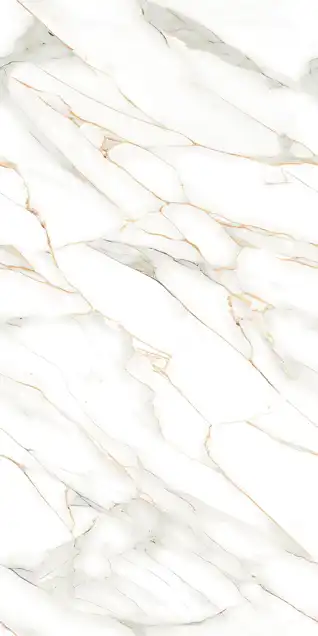














Wood bathroom tiles are ceramic or vitrified tiles manufactured in a plank shape with a surface texture and grain pattern that closely resembles natural timber. In India, they are sold under names like wooden plank tiles, plank tiles, or timber-look tiles. The tile gives the warmth of a wood floor without the maintenance problems that real wood has in a wet bathroom environment. This page covers sizes, body types, finishes, laying patterns, price ranges, and how to choose the right wood tile for your bathroom floor or wall.
Real timber in a bathroom absorbs water, swells, warps, and rots over time. In India's climate, where bathrooms go through daily wet-dry cycles and monsoon-season humidity, natural wood floors typically last two to four years before showing serious damage. Sealing helps but does not fully prevent moisture ingress at the plank edges.
Wood tile in the bathroom solves this. The tile body is ceramic or vitrified clay, which does not absorb moisture the way timber does. The wood-look surface is a high-resolution digital glaze print applied to the tile face, giving it the grain, knot, and colour variation of real wood without any of the moisture sensitivity. The result is a floor or wall that reads as wood visually but cleans, seals, and lasts like a tile.
This is the practical reason why wood-effect tiles for bathrooms have grown steadily across Indian homes, particularly in bathrooms that open into a bedroom and need the flooring to flow visually from one room to the other.
Wood-look tiles in India come in plank proportions, meaning one dimension is significantly longer than the other. This elongated ratio is what creates the plank-like appearance. The standard sizes available from Indian manufacturers are listed below.
| Size (mm) | Common Name | Wall Use | Floor Use | Best Bathroom Application |
| 200x1000 | 8x40 inches approx. | Yes | Yes | Bathroom floors, feature walls, bath surrounds |
| 200x1200 | 8x48 inches approx. | Yes | Yes | Bathroom floors and walls, large bathrooms |
| 150x900 | 6x36 inches approx. | Yes | Yes | Compact bathrooms, shower walls |
| 300x1200 | 12x48 inches approx. | Yes | Yes | Large bathroom floors, corridor bathrooms |
| 200x800 | 8x32 inches approx. | Yes | Yes | General bathroom floors and walls |
The 200x1000 mm and 200x1200 mm sizes are the most widely stocked wood-look tile sizes in India. They are available in both GVT vitrified and ceramic body types from manufacturers in Morbi, Gujarat.
The body type determines water resistance, scratch rating, and which part of the bathroom the tile can go in. For wood look tile bathroom floor applications, body type is the single most important decision because the floor is a wet zone that sees daily water exposure.
| Body Type | Standard | Water Absorption | Scratch Resistance | Floor Use | Wall Use | Price (Rs/sq.ft) |
| GVT Vitrified | IS 15622 | 0.05% | High | Yes, all bathroom floors | Yes | Rs. 70 to Rs. 175 |
| Ceramic | IS 13630 | 12% to 16% | Moderate | Dry bathroom floors only (risk in wet zones) | Yes | Rs. 40 to Rs. 90 |
| Porcelain | IS 15622 | 2% to 5% | Moderate | Yes | Yes | Rs. 60 to Rs. 130 |
Note: Ceramic wood-look tiles have a water absorption rate of 12% to 16%. In a bathroom floor that is wet daily, ceramic can absorb moisture through the grout joints over time, weakening the adhesive bond. For bathroom floors, vitrified or porcelain wood-look tiles are the safer long-term choice. Ceramic wood-look tiles work well on bathroom walls, where direct water exposure is limited.
Wood tile for bathroom floor use must have an anti-skid finish. Wood-look tiles mimic timber, and timber has a naturally textured surface. The best wood-look tiles replicate this texture in the glaze, giving a slightly rough feel underfoot that adds grip. This is different from smooth, glossy tiles, which have no texture and are dangerous when wet.
| Finish | Texture Feel | Slip Resistance | Safe for Bathroom Floor | Safe for Bathroom Wall |
| Matte | Smooth to slightly rough | High | Yes | Yes |
| GHR (Glaze High Resistance) | Stone-like texture | Very high | Yes | Yes |
| Posh Matte | Smooth, near-zero reflection | Moderate | Yes (check R-rating) | Yes |
| Sugar | Slightly grainy | Moderate | Yes | Yes |
| Glossy | Smooth | Low | No | Yes |
| Satin Matte | Smooth, low reflection | Low | No | Yes |
Note: Glossy and satin matte finishes must not be used on bathroom floors. These finishes are slippery when wet. For wood tile for bathroom floor use, always specify matte or GHR finish when ordering. Check that the tile carries an R9 or higher slip resistance rating.
Wood-grain tile bathroom products use digital inkjet printing technology to apply the grain pattern to the tile surface. The print replicates the grain direction, knot positions, colour variation, and ring lines of real timber species. The most commonly replicated species in Indian tile manufacturing are oak, teak, walnut, ash, and pine.
Higher-end wood grain tiles use a technique called random pattern variation, where no two adjacent tiles in a batch have exactly the same grain position. This prevents the repetitive pattern effect you get in cheaper tiles, where the same grain print repeats on every third or fourth tile. When buying, check whether the tile carries 4 or more face variations per batch. Four or more face variations give a realistic floor with no visible repetition across a full bathroom.
The grain texture on better-quality wood grain tiles is also embossed, meaning the tile surface has a physical texture that follows the printed grain lines. Running your hand across the tile, you can feel the grain direction. This embossed texture also adds anti-skid grip to matte-finish floor tiles.
| Property | Real Timber | Bathroom Tiles That Look Like Wood |
| Water resistance | Low; absorbs moisture, swells, warps | High; GVT 0.05% water absorption |
| Lifespan in the bathroom | 2 to 4 years without treatment | 15 to 25 years with normal use |
| Maintenance | Seal every 6 to 12 months; sand and refinish every few years | Mop weekly; no sealing required for GVT |
| Anti-skid | Natural grain gives grip when dry; slippery when wet if polished | Matte/GHR finish rated R9 or higher |
| Cost (supply only) | Rs. 150 to Rs. 500+ per sq.ft for teak or oak | Rs. 55 to Rs. 175 per sq.ft for GVT |
| Termite risk | Yes, requires treatment | None |
| Colour consistency | Varies naturally per plank | Consistent within a batch; 4+ face variations |
| Installation in wet areas | Not recommended | Yes, with a correct finish and adhesive |
Bathroom tiles that look like wood remove every practical problem that real timber has in wet Indian bathrooms, at a lower cost per sq.ft for supply and with far lower maintenance over the tile's lifespan.
Wood tile on bathroom wall installations are growing in Indian homes, particularly in bathrooms that connect to a master bedroom. The wood-look wall tile creates a warm, spa-like feel that plain white ceramic cannot replicate.
For walls, the body type restriction is less critical. Ceramic wood-look tiles work on bathroom walls because the wall does not sit in standing water. A glossy-finish wood-look tile on the wall will be easier to wipe down than a matte finish, though glossy finishes on wood-look tiles are less common because the gloss finish reduces the realism of the timber effect.
The most effective layout for wood tile on a bathroom wall is a vertical stack: planks laid in portrait orientation, running from floor to ceiling. Vertical planks make the wall feel taller, which is useful in Indian bathrooms that often have ceilings at 2.7 metres or lower. A horizontal layout creates a more relaxed, cabin-like feel and suits wider bathroom walls rather than narrow ones.
For a feature wall behind the washbasin, a single wood-look wall panel in a contrasting tone (darker than the main bathroom tiles) gives a natural focal point without covering the full bathroom in wood texture.
Modern wood tile small bathroom layouts require more care than large bathroom installations. The plank size relative to the room size matters. A 200x1200 mm plank in a bathroom under 25 sq.ft will need cuts on nearly every row, which increases wastage and labour cost. For very small bathrooms, the 200x800 mm or 150x900 mm size fits better and produces fewer cuts.
In small bathrooms, use the same wood-look tile on both the floor and one feature wall to create a continuous visual surface that makes the space feel larger. Keep the second wall and ceiling plain and light-coloured to avoid the space feeling enclosed. The grain direction on the floor should run lengthwise along the longer dimension of the bathroom to visually extend the room.
Grout colour in a small bathroom matters more than in a large one. A matching grout colour (same shade as the tile body colour) makes the grout lines nearly invisible, which removes visual clutter and makes the floor read as a continuous wood surface. Contrasting grout on a wood-look tile in a small space draws attention to the tile edges rather than the grain, which reduces the timber illusion.
The modern wood tile bathroom aesthetic in India leans towards a few clear directions.
Light oak and ash tones: Pale golden and honey-toned wood-look tiles are the most popular floor choice in urban Indian homes. They read as warm without being heavy. Pair with warm white or cream wall tiles and brushed gold or matte black fittings.
Dark walnut floors: Deep brown and charcoal-toned wood-look tiles create a rich, dramatic bathroom floor. They work best in bathrooms with good natural or artificial lighting. Dark floors show water marks and footprints more easily than light floors, so matte finishes and a squeegee habit are essential.
Wood floor with stone-look walls: The most searched tile combination in Indian interior design searches in 2026. A wood-look floor tile paired with a marble-look or limestone-look wall tile in a large format gives a natural material contrast that reads as considered rather than accidental. The key is keeping the wall tile light (white, cream, or grey) and the floor tile mid-toned (oak or walnut) rather than both being dark.
Bathroom and bedroom floor continuity: In master suites with a direct opening between bedroom and bathroom, the same wood-look tile on both floors removes the visual break between the rooms and makes the combined space feel larger. Use the same batch and grout colour in both rooms.
| Pattern | Description | Best For | Wastage Add-on | Difficulty |
| Straight lay (landscape) | Planks horizontal, joints staggered by one-third | Most bathroom floors | +8% to 10% | Easy |
| Straight lay (portrait/vertical) | Planks vertical; makes the room feel taller | Feature walls, low-ceiling bathrooms | +8% to 10% | Easy |
| Diagonal (45 degrees) | Planks at 45 degrees to the wall | Square-shaped bathrooms | +15% to 18% | Moderate |
| Herringbone | Planks at 90 degrees to each other in a V-shape | Feature floors, small bathrooms | +15% to 20% | Hard |
| Chevron | Planks cut at an angle to form a continuous V | Feature walls and floors | +18% to 22% | Very hard |
Herringbone and chevron patterns significantly increase labour cost and tile wastage. For a bathroom under 40 sq. ft., herringbone in a wood-look tile can increase total installed cost by 25% to 35% over a straight lay. Only choose these patterns if the bathroom is a dedicated feature space or if budget allows.
Prices below reflect the Indian market in 2025. They vary by body type, size, finish, grain variation count, and order quantity.
Ceramic wood-look plank tiles (200x1000, 200x1200): Rs. 40 to Rs. 90 per sq.ft.
GVT vitrified wood-look plank tiles (200x1000, 200x1200): Rs. 70 to Rs. 175 per sq.ft.
Porcelain wood-look tiles (all sizes): Rs. 60 to Rs. 130 per sq ft.
Premium GVT with 6-plus face variations and embossed grain: Rs. 120 to Rs. 250 per sq.ft.
Labour for straight lay: Rs. 25 to Rs. 45 per sq ft. Labour for herringbone or chevron: Rs. 55 to Rs. 90 per sq.ft.
Epoxy grout (recommended for bathroom floors): Rs. 15 to Rs. 30 per sq ft.
Step 1: Confirm the zone. Floor or wall? If the floor, you need GVT vitrified or porcelain with matte or GHR finish. If the wall is only ceramic with any finish work.
Step 2: Choose the plank size. For bathrooms under 30 sq. ft., use 200x800 mm or 150x900 mm. For medium bathrooms (30 to 60 sq.ft), 200x1000 mm is the right balance of scale and practicality. For bathrooms above 60 sq. ft., 200x1200 mm or 300x1200 mm can be used.
Step 3: Check the grain variation. Ask the dealer how many face variations the tile batch contains. Four or more variations prevent the repeated-pattern effect. Fewer than four look like a printed floor rather than a timber one.
Step 4: Decide the tone. Light tones (oak, ash, birch) make bathrooms feel brighter and show less water spotting. Dark tones (walnut, ebony) create a richer look but need more wiping to keep clean. Mid-tones (teak, medium oak) are the most maintenance-friendly.
Step 5: Confirm the grout colour. A grout that matches the tile body tone makes the floor read as a continuous wood surface. A contrasting grout emphasises the plank grid. Matching grout is almost always the better choice for wood-look tiles.
Step 6: Calculate quantity and wastage. Straight lay: add 10% wastage. Diagonal or herringbone: add 15% to 20%. Order in one batch to avoid dye lot mismatch.
Wood-look plank tiles from verified manufacturers across Gujarat and Rajasthan are available on TilesFinders with filters for body type, size, finish, and wood tone. Product pages include face variation count, water absorption details, IS certification, and finish specifications, helping you compare technical suitability before ordering samples or visiting a dealer.
Yes, if you choose the right body type and finish. GVT vitrified wood-look tiles with matte or GHR finish have 0.05% water absorption (IS 15622 compliant) and an anti-skid texture that meets wet-area floor requirements. Ceramic wood-look tiles are not recommended for bathroom floors that get wet daily because their high water absorption (12% to 16%) can weaken the adhesive bond over time. Never use glossy wood-look tiles on bathroom floors, as the smooth surface is slippery when wet.
The 200x1000 mm size is the most practical for most Indian bathrooms between 30 and 60 sq.ft. It gives a realistic plank scale, is widely available from Indian manufacturers, and produces manageable cuts at room edges. For bathrooms under 25 sq. ft., the 200x800 mm size reduces wastage. For large bathrooms above 60 sq. ft., 200x1200 mm or 300x1200 mm tiles give a more generous plank scale.
Yes. Wood tile on a bathroom wall is increasingly common in Indian master bathrooms. For walls, the ceramic body type works because the wall does not sit in standing water. Lay planks vertically (portrait) to make the wall feel taller, or horizontally for a wider, more relaxed feel. The area directly behind a shower head or above a bathtub still benefits from GVT vitrified tiles rather than ceramic, as this zone gets direct water splashing.
Wood look tile bathroom floors last 15 to 25 years in a normal Indian bathroom with minimal maintenance. Real timber floors in the same environment last 2 to 4 years before warping or rotting, even with sealing. GVT wood-look tiles cost Rs. 70 to Rs. 175 per sq ft compared to Rs. 150 to Rs. 500+ per sq ft for real teak or oak. Tiles also carry no termite risk and need no annual sealing or sanding.
A good wood-grain tile bathroom product has four or more face variations per batch. This means at least four different printed grain patterns are mixed across the tiles in that batch, so no two adjacent tiles have identical grain. Tiles with fewer than four variations show a repeating pattern that looks artificial. Premium tiles carry six to eight face variations. Always ask the dealer how many face variations are in the batch before ordering.
Use a grout colour that closely matches the tile body tone. On a light oak tile, use a warm beige or light sand grout. On a walnut or dark tile, use a grey-brown grout. Matching grout makes the floor read as a continuous wood surface without visible grid lines. Contrasting grout, such as dark grout on a pale tile, draws attention to the plank grid and makes the floor look more like tiles and less like timber.
GVT vitrified is the better choice for Indian bathrooms. GVT has 0.05% water absorption compared to 2% to 5% for porcelain, making it more resistant to moisture in daily wet conditions. GVT also carries IS 15622 certification from Indian manufacturers and is more widely available from local dealers at competitive prices. Porcelain is a valid option, but it has lower scratch resistance than GVT and slightly higher water absorption. For walls, either body type works.
Yes, but be prepared for higher cost and more wastage. Herringbone with wood-look plank tiles requires 45-degree angle cuts on every edge tile. Wastage increases to 15% to 20% above the tile quantity needed, compared to 8% to 10% for a straight lay. Labour cost for herringbone is 30% to 60% higher than for a straight lay. The result is a very distinctive floor, but it is best suited for bathrooms above 40 sq.ft where the pattern has enough space to repeat across the room before it meets a wall cut.