

Blue Pool Tile for Waterline, Floor, and Wall Zones
Loading designs...
-
3212 300x450Matte -
3809 300x450Matte -
3805 300x450Matte -
2008 300x450Matte -
3610 300x450Matte -
W Denver 12 300x600Matte -
8102 300x600Matte -
5213 300x600Matte -
5214 300x600Matte -
5801 300x600Matte -
5803 300x600Matte -
6312 300x600Matte -
1602 300x450Matte -
1603 300x450Matte -
1005 300x450Matte -
1605 300x450Matte -
1607 300x450Matte -
2204 300x450Matte -
1905 300x450Matte -
2217 300x450Matte



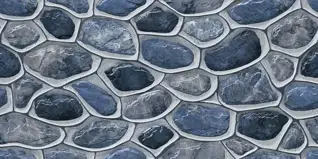
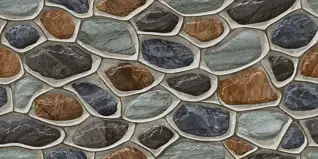
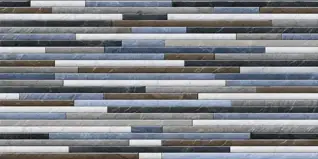
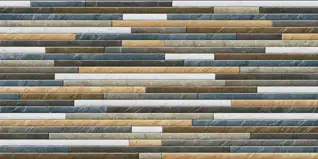
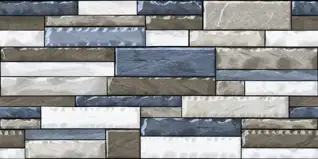
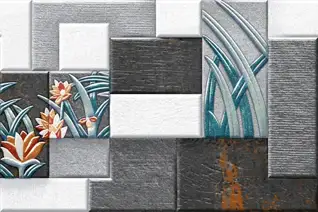

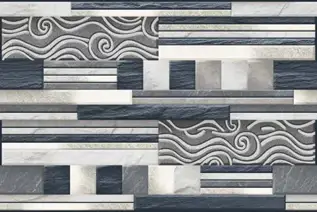
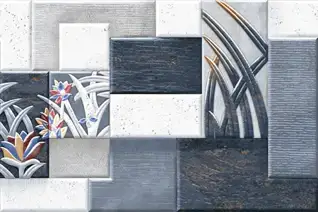

A swimming pool has three distinct tile zones, and blue pool tile needs different specs in each: waterline tiles that see constant splash and chemical exposure, floor tiles that must resist slipping underwater, and wall tiles below the surface that stay permanently submerged. Treating all three zones the same is the most common mistake in pool tiling. This page breaks blue pool tile down by zone first, then by shade and size.
The Three Pool Zones and What Each One Needs
| Zone | Main Requirement | Recommended Body |
| Waterline band | Chemical and stain resistance | Glass or porcelain mosaic |
| Pool floor | Slip resistance underwater | Textured ceramic, porcelain, or glass |
| Submerged walls | Permanent water and chemical exposure | Glass mosaic or full body vitrified |
- Waterline band: sits right at the water's surface, takes the most direct sun and chemical contact, and shows staining first.
- Pool floor: needs texture or a mosaic layout with many grout lines, since even underwater, a smooth, glossy surface stays slippery.
- Submerged walls: face constant water pressure and chemical exposure but no direct foot traffic, so slip resistance matters less than long-term water resistance.
Choosing a Shade: Light, Dark, Cobalt, and Blue-Green
Light blue pool tile gives water a bright, tropical look and shows dirt or algae buildup sooner, which some owners actually prefer since it flags maintenance needs early. Dark blue pool tile makes the water read as deeper and richer, a look often chosen for larger or more formal pools, and it hides minor staining better than a lighter shade. Cobalt blue pool tile sits at the boldest end and is most often used as a waterline accent band rather than across the entire pool, since full coverage in such a saturated shade can look overwhelming at pool scale.
Aqua blue pool tile and blue green pool tile both lean toward a teal undertone, with blue green pushing further toward true teal and aqua blue staying closer to a balanced blue-green midpoint. Both suit a coastal or resort-style pool design and pair naturally with sandstone or travertine deck surrounds. A pool using two shades together, such as a dark base with a cobalt waterline band, tends to photograph better and reads as more deliberate than a single flat shade across the entire structure.
Pro tip: For a waterline accent band in a bold shade, keep the band to 2 to 3 rows of tile height; a taller band starts to compete visually with the rest of the pool rather than framing it.
Pool Tile Maintenance and Chemical Exposure
Every pool tile, regardless of shade, needs regular brushing to stop algae from taking hold in grout lines, since algae grows faster on textured or mosaic surfaces than on large flat tiles. Grout around any submerged tile should be inspected annually for chemical wear, since standard cement grout degrades faster under constant chlorine or saltwater exposure than epoxy grout does. Waterline bands specifically need more frequent checking than fully submerged areas, since they face both chemical exposure and direct sun, a combination that accelerates colour fade in lower-quality glazes.
- Brush tiled surfaces weekly to prevent algae buildup in grout lines and mosaic joints.
- Use epoxy grout throughout the pool, not just at the waterline, for better long-term chemical resistance.
- Check waterline bands each season for fading or chalking, since sun and chemical exposure compound there.
- Reseal or regrout submerged wall areas every 3 to 5 years, depending on water chemistry and usage.
Sizes and Bodies for Blue Pool Tile
Blue pool tile 6x6, roughly 150x150mm, remains the most common size across Indian pool installations, since mid-sized pieces balance ease of laying with enough grout lines for underwater grip. Blue glass pool tile resists chemical wear and colour fade better than ceramic over a pool's lifetime, making it the preferred choice for waterline bands and feature areas, though it costs more per sq.ft. Blue mosaic tiles for swimming pool floors and curved edges remain the practical choice for any non-flat surface, since small mosaic pieces on a mesh sheet flex around curves that a rigid, larger tile cannot follow.
- 150x150mm: most common pool tile size, balances ease of laying with grip.
- Blue glass pool tile: best chemical and colour-fade resistance, higher cost.
- Blue mosaic tiles for swimming pool: needed for curved edges, steps, and pool floors.
- Ceramic or porcelain blue pool tile: works for flat wall areas, lower cost than glass.
Note: Any blue pool tile in a glossy finish should be reserved for submerged wall areas only. Pool floor and step areas need textured or mosaic-format tile regardless of shade, since a smooth, glossy surface stays slippery even underwater.
Cost by Zone: Where to Spend More and Where to Save
Waterline bands justify the highest per-sq.ft spend, since this narrow strip takes the most visible wear and the most direct sun, and upgrading to glass here adds relatively little to the total project cost, given how small the area is. Pool floors are the largest surface area in most projects, so a mid-range textured porcelain or ceramic mosaic keeps the budget balanced while still meeting the slip-resistance requirement. Submerged walls below the waterline can generally use a more economical body, since this zone sees less direct sun and less visible wear than the band right at the surface.
| Zone | Typical Share of Total Area | Where to Prioritise Spend |
| Waterline band | 5% to 10% | High: glass or fine mosaic, most visible wear |
| Pool floor | 50% to 65% | Mid-range: textured porcelain or ceramic mosaic |
| Submerged walls | 25% to 40% | Lower: economical body, less direct wear |
Blue Pool Tile Specifications for Indian Installations
Swimming pool blue tiles in glass or porcelain absorb near 0% to 5% water, depending on body, and all pool-rated tiles in India should carry chemical resistance suited to standard chlorine or saltwater pool treatment. Blue pool tile 6x6 remains the standard size for most residential Indian pools, priced from Rs. 60 to Rs. 200 per sq.ft, depending on body, with blue glass pool tile and cobalt blue pool tile at the higher end of that range. Most swimming pool blue tiles sold in India are manufactured in Morbi, Gujarat, alongside imported glass mosaic options for higher-budget projects.
Indian pool installations face year-round chemical exposure plus intense summer sun on exposed waterline bands, so dark blue pool tile and cobalt blue pool tile used at the waterline should be confirmed as UV-stable to avoid fading faster than the submerged sections below.
Sourced Across Morbi and Gujarat Factories
Waterline, floor, and submerged wall options in light blue, dark blue, cobalt, aqua, and blue green sit together on Tilesfinders in glass, ceramic, and porcelain mosaic bodies sourced from manufacturers across Morbi and Gujarat. Sizes span small mosaic sheets through to blue pool tile 6x6 as the standard format, with prices from Rs. 60 to Rs. 280 per sq ft, depending on body and shade. Zone requirements, shade, and body can all be compared before finalising a pool tiling plan.
FAQs
Blue pool tile 6x6, roughly 150x150mm, remains the most common size in India, since smaller pieces flex better around curved pool edges and steps.
Blue glass pool tile resists chemical wear and colour fade better than ceramic, making it the preferred choice for waterline and feature areas in longer-term installations.
No. Dark blue pool tile actually makes pool water look deeper and richer in colour, while light blue pool tile gives a brighter, more tropical water tone.
Cobalt blue pool tile costs Rs. 90 to Rs. 280 per sq.ft in India, depending on whether the body is glass, ceramic, or porcelain mosaic.
Yes, if the finish is matte or textured. Glossy blue mosaic tiles for swimming pool floors should be avoided since wet glossy surfaces are slippery underfoot.
Aqua blue pool tile needs the same maintenance as any pool tile: regular brushing to prevent algae buildup and periodic grout inspection for chemical wear.
Blue-green pool tile leans more toward teal with a stronger green undertone, while aqua blue pool tile stays closer to a balanced blue-green midpoint.