

Limestone Tiles: Named Varieties, Finishes, and Where They Work
Loading designs...
-
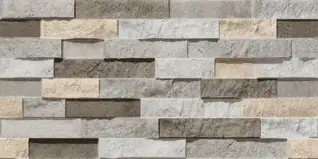
W Rockline 01 300x600Matte -
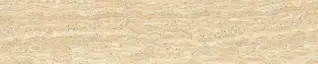
Bucak Light 200x1000Matte -
Navona White 200x1000Matte -
Scabos Honed 200x1000Matte -
Silver Mist Honed 200x1000Matte -
Noir Honed 200x1000Matte -
Silyon Ivory 200x1000Matte -
Vesta White 200x1000Matte -
Silyon Beige 200x1000Matte -
Vesta Grey 200x1000Matte -
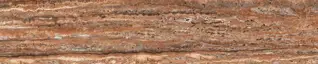
Volcano 200x1000Matte -
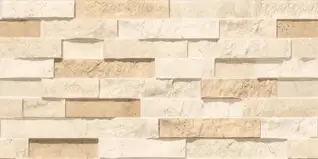
W Rockline 02 300x600Matte -
W Rockline 03 300x600Matte -
W Rockline 04 300x600Matte -
Lyon 01 300x600Matte -
W Rockline 05 300x600Matte -
W Rockline 06 300x600Matte -
Lyon 02 300x600Matte -
W Rockline 07 300x600Matte -
Lyon 03 300x600Matte








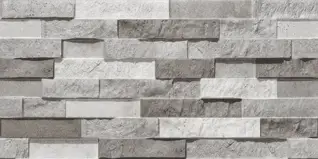
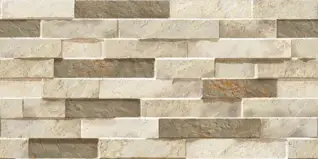
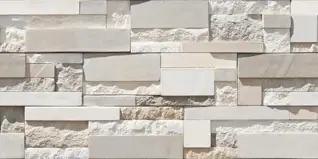
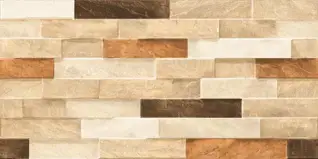
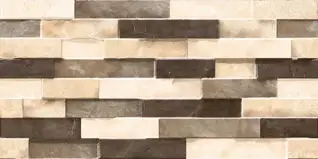
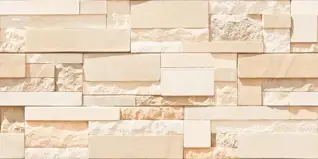
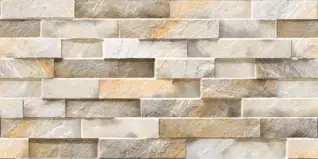
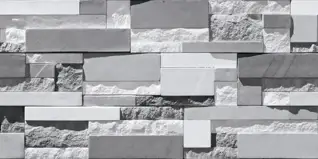
Limestone carries more distinct named varieties than almost any other natural stone category, since quarries across Portugal, France, Turkey, and beyond each produce a colour and texture recognisable enough to be sold under its own name rather than a generic "limestone" label. A seagrass limestone tile, for instance, is instantly recognisable by its olive-green tone and embedded fossil texture, distinct from any other named variety on this page. This page opens with those named varieties, since knowing which one a listing refers to changes colour, hardness, and price more than any other factor, then moves into finish, sealing, and where limestone works by room.
Named Limestone Varieties: A Buyer's Glossary
| Name | Origin | Colour and Character |
| Seagrass limestone | Turkey | Olive green with brown and grey fossil sediment |
| Moleanos Blue limestone | Portugal | Cool blue-grey, fine and even grain |
| Gascogne Blue limestone | France | Deep blue-grey with subtle fossil texture |
| Lagos Blue limestone / Lagos Azul limestone | Portugal | Blue-grey, slightly warmer than Moleanos |
| Porto Beige limestone | Portugal | Warm beige with fine, consistent grain |
| Thala Grey limestone | Tunisia | Cool grey, dense and fine-grained |
| Pietra limestone | Italy (general term) | Varies; "pietra" simply means stone in Italian |
| Jura limestone tiles | Germany | Beige to grey, known for visible fossil patterning |
| Lymra limestone | Turkey | Cream to beige, fine-textured |
Note: Named limestone varieties like Seagrass, Moleanos, and Gascogne are specific quarry products, not marketing terms. Confirm with the dealer which named stone a listing is actually selling before comparing prices, since two different named limestones can look similar in a small photo despite real differences in hardness and porosity.
Colour Range: White to Black
Limestone spans nearly the full neutral spectrum, and colour terminology overlaps heavily with the named varieties above.
- White limestone tiles: the brightest option, suits small rooms and bathrooms.
- Ivory limestone/limestone ivory: warm off-white, softer than pure white.
- Cream limestone/limestone beige/beige limestone: among the most common shades, pairs with most decor styles.
- Grey limestone / grey limestone / grey limestone tiles: covers everything from light grey limestone to deeper, cooler tones.
- Light grey limestone/limestone light grey: pale end of the grey range, good for small or dim rooms.
- Silver limestone: a lighter, slightly reflective grey variant.
- Black limestone tile/jet black basalt limestone tile: rare, bold, and denser than most lighter limestone.
Finish: Honed, Polished, Tumbled, Brushed
Finish changes both the look and the safety profile of limestone more directly than colour does.
- Honed limestone: matte, low-shine surface, the safest choice for any floor, including wet areas.
- Polished limestone: glossy, reflective surface, best kept to dry indoor floors and walls.
- Tumbled limestone paving and tumbled limestone flooring: rounded, worn edges for a rustic, aged look, common outdoors.
- limestone: a wire-brushed texture that opens up the surface grain without full polish, giving a tactile, slightly aged finish.
Pro tip: Tumbled limestone effect porcelain tiles replicate the tumbled natural finish through printing on a porcelain body, giving the aged look without the sealing that real tumbled limestone paving requires.
Sealing and Long-Term Care
Sealing limestone tiles is not optional for natural stone, regardless of colour, named variety, or finish. Limestone is more porous than granite or quartz, and an unsealed surface will absorb oil, wine, and coloured liquids permanently within weeks of everyday use.
- Reseal natural limestone every 1 to 2 years, more often in high-moisture or high-traffic areas.
- Use only pH-neutral, stone-safe cleaners; acidic products etch limestone permanently.
- Porcelain tile that looks like limestone needs no sealing at any point, a key advantage over natural stone.
- Outdoor and pool-adjacent limestone should be resealed on a shorter cycle given constant sun and moisture exposure.
Where Limestone Tiles Work
Limestone tile floor and natural limestone floor tiles suit living rooms, hallways, and kitchens well in honed finish, while limestone tile kitchen floor applications specifically benefit from the stone's natural coolness underfoot. Limestone tiles outdoor and limestone flagstones handle garden paths, courtyards, and patios in tumbled or honed finish, standing up to Indian monsoon and summer heat when properly sealed. Limestone tiles for indoor use span nearly any dry or lightly damp room, while limestone wall tiles carry more finish freedom than floors since walls never need slip resistance. White limestone pool coping remains a popular poolside choice, since the stone stays relatively cool to the touch even in direct sun.
Limestone Tile Specifications and Pricing for Indian Buyers
Natural limestone tiles do not carry a single fixed IS water absorption standard, since porosity varies significantly by quarry and named variety, so buyers should request stone-specific data from the dealer rather than assuming a blanket figure. Limestone tile price for natural stone ranges from Rs. 90 to Rs. 350 per sq. ft., depending on the named variety, origin, and finish, while porcelain tile that looks like limestone runs from Rs. 45 to Rs. 160 per sq ft. Most stone-look porcelain sold in India is manufactured in Morbi, Gujarat, while named natural limestone varieties like Seagrass, Moleanos, and Gascogne are typically imported from their origin quarries in Turkey, Portugal, and France.
Buyers ordering a named natural limestone variety in bulk should confirm the quarry lot number, since colour and fossil texture can vary meaningfully between separate lots of the same named stone.
Imported Quality, Stocked Through Gujarat
Seagrass, Moleanos Blue, Gascogne Blue, Lagos, Porto Beige, Thala Grey, Jura, and Lymra limestone sit together on Tilesfinders alongside porcelain tile that looks like limestone, spanning honed, polished, tumbled, and brushed finishes. Prices range from Rs. 45 to Rs. 350 per sq.ft depending on whether the choice is a named natural stone or a stone-look alternative. Variety, colour, and finish can all be compared before ordering physical samples for a specific project.
FAQs
Limestone tile is a natural sedimentary stone formed mostly from calcium carbonate, often containing visible fossil fragments and shell texture depending on the quarry source.
For most homes, yes. Porcelain tile that looks like limestone needs no sealing and resists water better, while genuine limestone offers unique natural veining that no print can fully replicate.
Limestone tiles cost Rs. 90 to Rs. 350 per sq ft in India for natural stone, while porcelain tiles that look like limestone cost Rs. 45 to Rs. 160 per sq.ft.
Yes. Sealing limestone tiles every 1 to 2 years is necessary to resist staining, since limestone is more porous than granite or quartz.
Honed limestone is safer for floors, since the matte surface holds grip even when wet. Polished limestone should be reserved for dry indoor floors or walls.
Tumbled limestone paving, finished with rounded, worn edges, is commonly used for garden paths, courtyards, and pool surrounds where a rustic, aged look is wanted.
These are named limestone varieties from specific quarries: Seagrass is an olive-green fossil-textured stone, Moleanos Blue and Gascogne Blue are Portuguese and French blue-grey limestones, respectively.
Yes. White limestone pool coping is a common choice, offering a cool-to-touch surface and natural slip resistance in a honed or tumbled finish.