

Sage Green Tiles for Bathrooms, Kitchens and Balconies in India
Loading designs...
-
W Rio 08 300x600Matte -
4906 300x600Matte -
1907 300x450Matte -
2116 300x450Matte -
2805 300x450Matte -
4503 300x450Matte -
4408 300x450Matte -
4706 300x450Matte -
Madrid 09 300x450Matte -
Tokyo 01 300x450Matte -
Arizona Lime 800x1200Glossy -
Cotto Sealine Kota Decor 800x1200GHR -
CR Endless Antonio Greek 800x1200Matte Carving -
Roman Green 600x1200Glossy -
W Rio 08 300x600Matte -
Aravali Green (800 x 1600) 800x1600Glossy -
Agate Azul(800x1600) 800x1600High Glossy -
Nairobi Pista (800 x 1600) 800x1600Glossy -
EL Nairobi Green(800x1600) 800x1600High Glossy -
EL Stanza Green(800x1600) 800x1600High Glossy
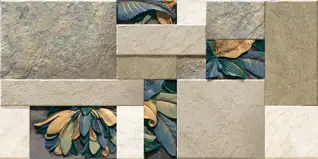
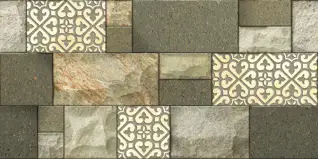
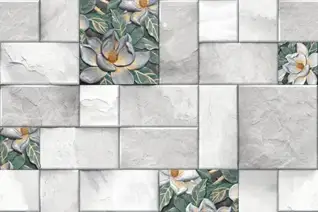
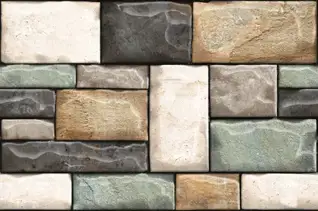
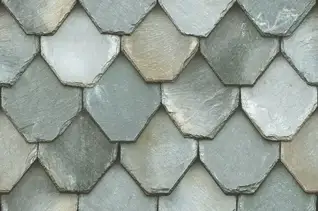
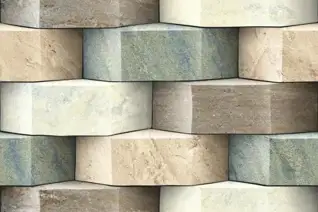



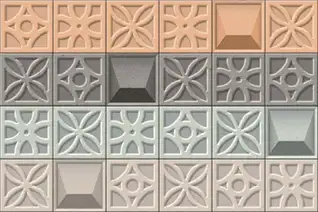
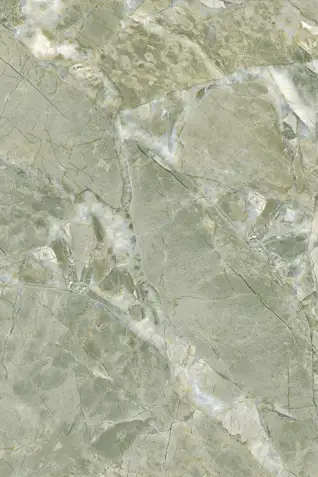

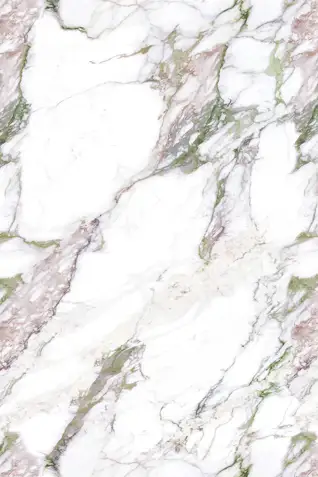
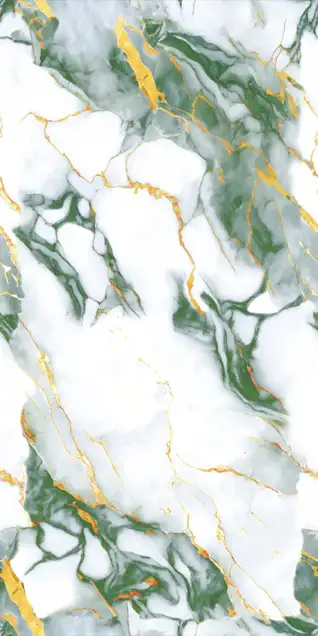
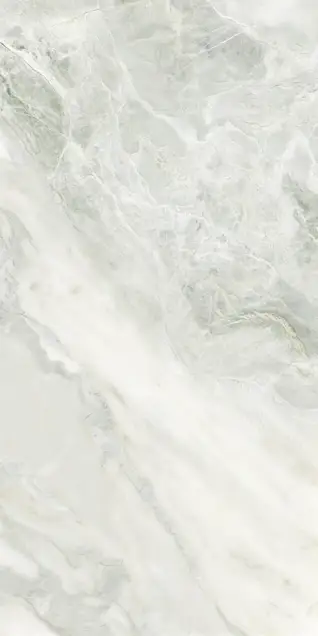
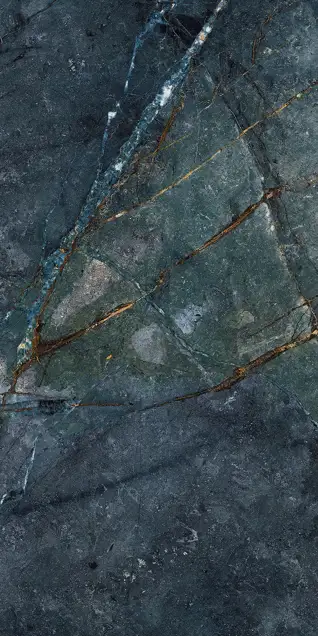

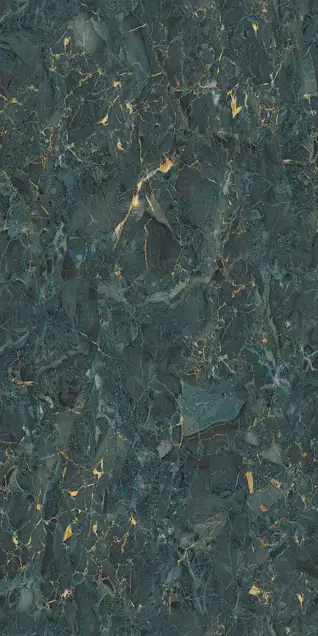
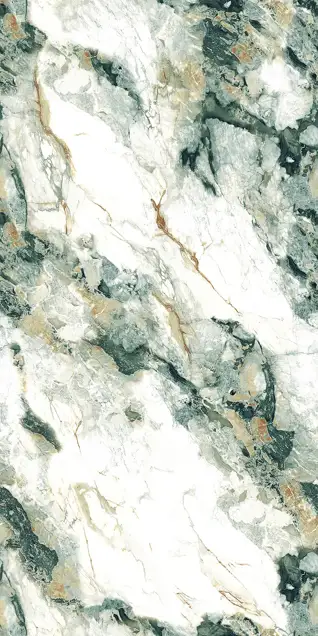
Sage green sits closer to grey than most other greens. The grey undertone desaturates the colour and gives it a muted, botanical quality that neither reads as bold nor disappears into neutrals. In a room, sage green tiles behave more like a warm off-white or a soft grey than like a saturated colour: they add tone without demanding attention. This is the property that makes sage one of the most usable greens in Indian home interiors, where living spaces often carry warm wood tones, terracotta accents, and natural stone surfaces that need a gentle companion colour rather than a contrasting one.
The tone reads differently across surfaces and finishes. On a matte GVT floor tile, sage green looks grounded and almost earthy. On a glossy wall tile, the grey undertone becomes more pronounced, and the colour shifts closer to a grey-green than a true botanical sage. In Indian homes lit with warm yellow bulbs, the tone moves further towards olive. Under natural daylight or cool white LEDs, it reads truest to what most buyers expect from sage green.
The broader green tile family, covering the full range from sage through to deep forest and vivid emerald, is catalogued under green tiles. Within that range, sage occupies the lightest and most neutral end, and the buying decisions specific to this tone are different from those for any other green.
How Sage Green Reads Differently from Other Greens
Sage is a grey-green. It sits in a different part of the colour space from forest green, which is a deep, warm green, and from bottle green, which is darker and slightly blue-black. The most commonly confused comparison is sage versus emerald. Emerald green tiles carry a blue undertone and a high colour saturation that makes them read as a jewel tone. Sage carries a grey undertone and low saturation that makes it read as a near-neutral. They are both called green, but they function in opposite ways in a room: emerald dominates the space it is in, and sage recedes and supports the other surfaces around it.
This functional difference changes every buying decision. Sage green works across much larger surface areas than emerald without making a room feel heavy. A full bathroom in sage green GVT is manageable; a full bathroom in emerald PGVT is an immersive experience that only works in specific lighting and room sizes. Sage's restraint is its advantage, and it is what makes it a more usable tile colour than its more vivid counterparts in the green range.
Body Types and Finishes for Sage Green Tiles
| Body Type | Finish | Water Absorption | Floor? | Wall? | Rs. per sq.ft |
|---|---|---|---|---|---|
| GVT | Matte | Below 0.05% | Yes | Yes | Rs. 65 to Rs. 140 |
| GVT | GHR | Below 0.05% | Yes | Yes | Rs. 70 to Rs. 150 |
| GVT | Glossy | Below 0.05% | No | Yes | Rs. 80 to Rs. 160 |
| PGVT | Polished Glossy | Below 0.05% | No | Yes | Rs. 110 to Rs. 200 |
| Ceramic | Matte / Glossy | 12% to 16% | 300x300mm only | Yes | Rs. 40 to Rs. 90 |
| Porcelain | Matte | 2% to 5% | Yes (light indoor) | Yes | Rs. 60 to Rs. 120 |
| Glass | Glossy | Below 1% | No | Yes | Rs. 130 to Rs. 280 |
Matte finish is the correct choice for sage green on floors and the most flattering finish for the colour on walls. Sage's grey undertone, amplified under a polished glossy finish, can push the colour into a washed-out grey that does not read as sage at all. On a matte tiles surface, the colour reads at its clearest and warmest. For bathroom floors and kitchen floors, GVT matte in sage with water absorption below 0.05% under IS 15622:2006 is both the safe specification and the one that serves the colour best.
Note: PGVT and GVT glossy sage green tiles are for walls only. Do not use a glossy finish on bathroom floors, kitchen floors, or any wet floor surface. Ceramic sage green tiles are wall-only in all formats except 300x300mm.
Sage Green Tile Formats
Subway and Brick Look
A sage green subway look is one of the most widely specified backsplash formats for Indian apartment kitchens. The surface design replicates the rectangular tile pattern with printed grout lines on a standard ceramic or GVT tile face, giving the backsplash a structured surface that carries the sage tone evenly across the panel. In ceramic at Rs. 40 to Rs. 70 per sq ft, a sage green subway look tile is among the most cost-accessible ways to bring this tone into a kitchen. Sage green brick look tiles use the same rectangular surface design with a slightly rougher or matte-textured finish to reference handmade brick rather than a smooth subway face.
Herringbone Look
Sage green herringbone look tiles in ceramic or GVT are used on kitchen backsplash, walls and bathroom feature walls. The herringbone surface pattern adds directional movement to the tile without the colour doing any additional work. In sage green specifically, the herringbone look is useful because the muted tone alone can read flat across a large expanse of plain tiles. The V-shaped printed layout gives the surface texture and shadow that compensate for sage's low colour intensity.
Hexagon and Mosaic Look
Sage green hexagon look tiles in GVT matte are used on bathroom floors and kitchen backsplash panels. The hexagon surface design in this tone reads as a soft geometric texture rather than a bold pattern statement, which suits Sage's character. Sage green mosaic look tiles in ceramic or GVT carry a printed surface of small tile clusters and grout line patterns on a standard tile face, used as bathroom feature strips and kitchen backsplash accent panels.
Standard and Large Format
Sage green square tiles in 300x300mm (1x1) and 600x600mm (2x2) in GVT matte are the most common bathroom floor and wall formats in this colour. At 600x600mm, the grey-green tone reads as a colour field that makes the room feel calm and cohesive. Large format sage green tiles in 600x1200mm (2x4), 800x1200mm, and 800x1600mm (32x64) in GVT matte give a bathroom floor or wall an unbroken sage surface with minimal grout lines. At these sizes, the colour reads as an architectural surface rather than individual tiles. Sage green patterned look tiles in GVT with a printed geometric or floral surface on a white or off-white ground are used as feature panels within a plain sage or white tile field.
What to Pair with Sage Green Tiles in Indian Homes
Sage green's grey undertone makes it unusually compatible with warm neutrals. It does not fight warm wood, terracotta, brass, or Kota stone the way saturated greens do. This is the property most buyers who choose Sage are responding to, even if they do not name it explicitly.
The most common pairing in Indian bathroom renovations is sage green wall tiles against white floor tiles or a white sanitaryware suite. The sage tone against white reads as fresh and botanical without demanding attention from the fittings. On kitchen backsplash walls, sage pairs well with warm wood cabinet shutters, a light stone countertop, and brass or copper hardware. The same tile that looks calm in a white kitchen reads warmer and more natural alongside teak or walnut finishes. Against beige tiles on an adjacent floor or wall, sage green creates a tonal pairing where both colours share warmth without contrasting sharply.
On bathroom floors paired with sage green walls, a warm off-white or cream GVT floor in the same matte finish keeps the palette cohesive. Using a cool, bright white floor tile against sage green walls can make the sage tone appear more grey and less green, which is not always the intended effect.
Sage Green Tiles Across Different Rooms
Bathrooms
In bathrooms, sage green tiles work on floors, walls, and shower surrounds. On the floor, GVT matte in 300x300mm or 600x600mm gives a surface that reads as calm and cohesive under both warm bathroom lighting and natural daylight. In bathroom tiles specifications, sage green is increasingly specified as a full-wall colour in Indian apartment renovations, where the muted tone reads as sophisticated rather than demanding. For shower floors, GVT matte or GHR finish in 300x300mm with water absorption below 0.05% is the safe specification. Epoxy grout in off-white or warm grey keeps the grout joint consistent with the sage tone over years of shower use.
Kitchens
Sage green kitchen tiles on the backsplash wall in subway or herringbone format are one of the top kitchen renovation choices in Indian apartments. The colour reads well under the warm task lighting above kitchen counters and does not show cooking steam and oil mist as clearly as vivid or dark colours do. For kitchen floors, GVT matte in 300x300mm or 400x400mm handles daily cooking spills and mopping cycles without showing wear quickly. GHR finish in the same size gives better grip on a kitchen floor that gets wet from washing and cooking.
Balconies and Covered Outdoor Surfaces
Sage green GVT tiles in matte or GHR finish are a practical choice for balcony tiles in Indian homes. Covered balconies that do not receive direct rain can use GVT matte in sage green in 400x400mm (16x16) or 600x600mm (2x2) on the floor. For semi-exposed balconies that receive some monsoon rain, GHR finish is the correct specification because plain matte can become slippery when wet. On balcony walls, sage green ceramic in 300x600mm (wall only) or GVT in larger formats gives a colour that reads naturally against outdoor greenery and garden elements.
Manufacturing and Specifications for Sage Green Tiles in India
Sage green GVT tiles manufactured in Morbi, Gujarat, carry water absorption below 0.05% and are produced in 300x300mm (1x1), 400x400mm (16x16), 600x600mm (2x2), and 600x1200mm (2x4) in matte and GHR finishes. The muted sage green colour tone in Morbi-manufactured GVT is consistent across tiles in the same production batch, which matters for a low-saturation colour like sage, where slight variation between tiles reads more visibly than it would on a vivid colour. Retail prices run Rs. 65 to Rs. 110 per sq ft for standard GVT matte in 600x600mm and Rs. 95 to Rs. 150 per sq ft for 600x1200mm.
Sage green ceramic tiles from Morbi, Gujarat, comply with IS 13630 and carry water absorption of 12% to 16%. They are produced in 300x300mm, 300x450mm, and 300x600mm for wall use. At Rs. 40 to Rs. 90 per sq.ft, ceramic is the most accessible price point for sage green bathroom and kitchen wall tiles. Sage green glass tiles are not commonly manufactured in Morbi and are sourced from specialised glass tile suppliers, which is reflected in the higher price range of Rs. 130 to Rs. 280 per sq.ft. Prices across Indian cities carry a 10% to 25% markup above Morbi ex-factory pricing, depending on the delivery location.
Sage Green Tile Pairings and Finish Options on TilesFinders
Sage green is one of the few tile colours where the finish and the pairing colour matter as much as the tile itself. Matte finish in warm off-white grout reads very differently from the same tile in glossy finish with grey grout. The full sage green range on TilesFinders is listed by body type, finish, water absorption, and size alongside the other colours in the catalogue, so the sage tile and the companion floor or wall tile can be compared in the same search before ordering.
FAQs
GVT in matte or GHR finish with water absorption below 0.05% is the right body type for sage green bathroom floor tiles. The matte surface suits Sage's low-saturation tone well and gives natural anti-skid grip. Sage green ceramic tile in 300x300mm is an option for light-use bathroom floors at a lower price, but its water absorption of 12% to 16% makes GVT the stronger choice for any regularly wet floor.
Sage green works well in Indian bathrooms because its grey-green undertone reads as a calm, neutral-adjacent colour rather than a bold statement. It pairs naturally with white sanitaryware and chrome or matte black fittings without competing with them. Under warm yellow light, the tone shifts slightly towards olive, which reads as warmer and more organic. Under natural daylight, it reads closest to true sage.
Warm white, off-white, warm grey, terracotta, natural wood, and sand tones all pair well with sage green tiles. The grey undertone in sage makes it compatible with both warm and cool neutrals. In Indian interiors, sage tiles paired with Kota stone, teak wood, and brass or copper fittings create a palette that reads as grounded and cohesive. Avoid pairing sage green with cool blue-greys or stark white, which can make the sage tone look dull.
Matte finish is the standard choice for sage green floor tiles. Sage's low saturation and grey undertone look best on a matte surface because gloss amplifies whatever undertone the colour carries, and the grey in sage becomes more pronounced under a polished finish. GVT matte or GHR finish in sage green is safe on bathroom floors, kitchen floors, and covered outdoor surfaces with water absorption below 0.05%.
Sage green ceramic tiles run Rs. 40 to Rs. 90 per sq ft for wall formats in 300x300mm to 300x600mm. Sage green GVT tiles range from Rs. 65 to Rs. 150 per sq.ft, depending on size and finish. Sage green glass tiles cost Rs. 130 to Rs. 280 per sq.ft. Sage green herringbone or hexagon format tiles in GVT or ceramic run Rs. 70 to Rs. 160 per sq.ft, depending on format and body type.
Yes. Sage green kitchen tiles work well on backsplash walls in subway, herringbone, or square formats in ceramic or GVT. The muted tone does not show cooking steam and oil mist as clearly as vivid colours do. For kitchen floors, GVT matte in 300x300mm or 400x400mm in sage handles daily cooking spills and mopping without showing wear quickly. The sage tone against warm wood kitchen cabinets is one of the most requested kitchen palettes in Indian apartment renovations.
GVT sage green tiles in matte or GHR finish with water absorption below 0.05% are suitable for covered outdoor areas such as balconies and courtyard walls. For exposed outdoor floors that receive direct monsoon rain, the GHR finish gives better grip and water resistance than plain matte. Ceramic sage green tiles must not be used outdoors. Their water absorption of 12% to 16% leads to cracking and staining under repeated wet-dry cycling in Indian outdoor conditions.
Off-white or warm white epoxy grout gives the clearest definition between sage green tiles on walls and floors. Warm grey epoxy grout reads as more tonal and suits darker sage or olive-leaning tiles where a high-contrast white grout would read as too bright. Light beige or sand epoxy grout gives a warm, cohesive joint colour that suits sage green tiles paired with warm wood and terracotta surfaces. Epoxy grout is recommended over cement grout for all wet-area sage tile applications.