

Moroccan Bathroom Tiles: Floor, Wall, and Mosaic Designs for Indian Bathrooms
Loading designs...
-
KINAROS-MULTY 400x400Sugar -
LAPATO-033 400x400Sugar -
LAPATO-034 400x400Sugar -
KINAROS-MULTY 400x400Sugar -
LAPATO-033 400x400Sugar -
LAPATO-034 400x400Sugar -
KINAROS-MULTY 400x400Sugar -
LAPATO-034 400x400Sugar -
LAPATO-033 400x400Sugar -
CANDY MOROCCAN 600x1200Matte Carving -
22001 HL4 300x600Matte -
PRAGA MOROCCAN 600x1200Matte Carving -
JAISALMER MORROCCAN 600x1200Matte Carving -
INDIGO MORROCCAN 600x1200Matte Carving -
CHISEL MOROCCAN 600x1200Matte Carving -
CANDY MOROCCAN 600x1200Matte Carving -
MONOLITH ICE 600x600Matte Carving -
9517 600x600Matte -
9107 HL1 300x600Matte -
8037 400x400Matte
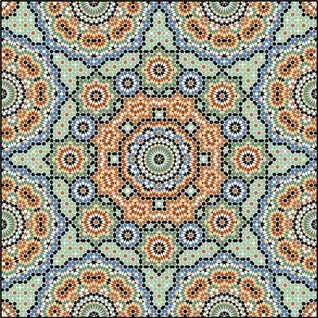
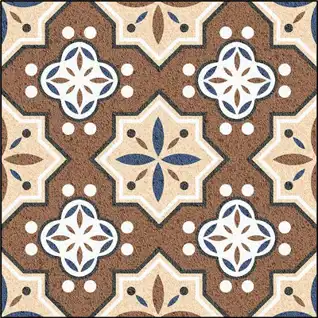
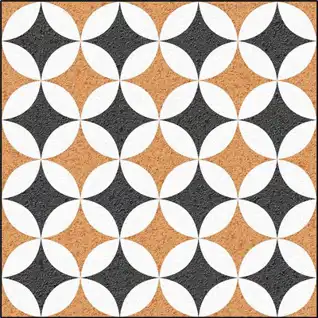
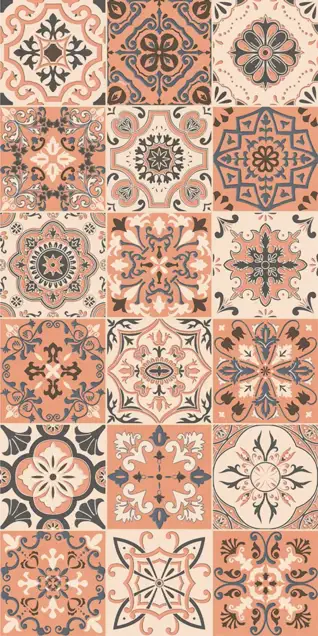
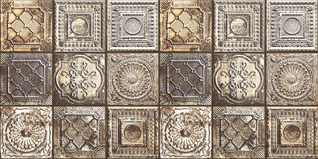
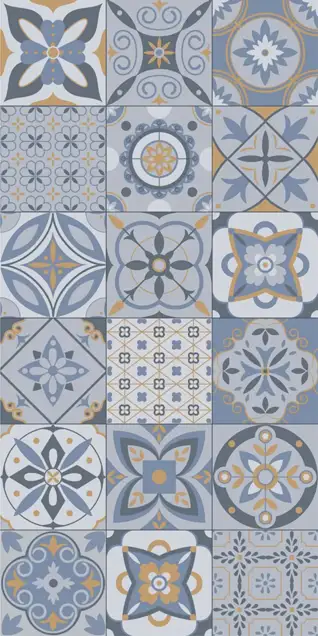
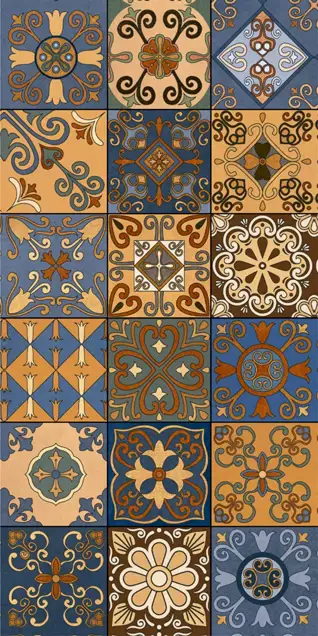
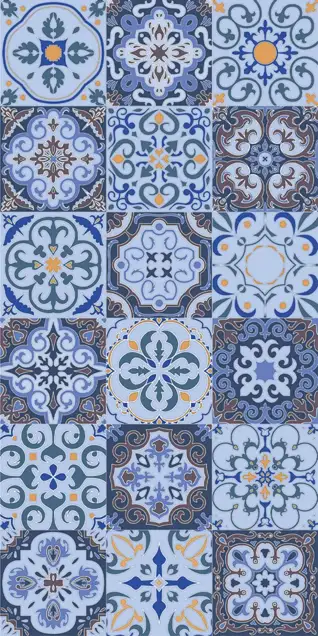
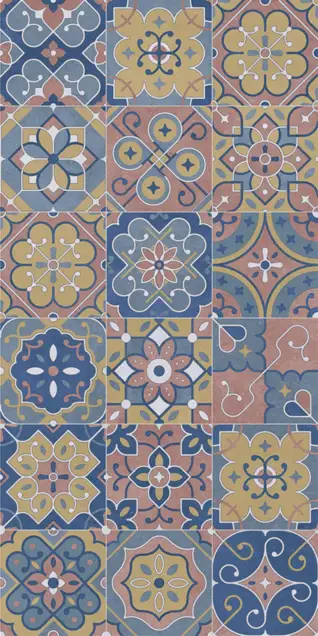
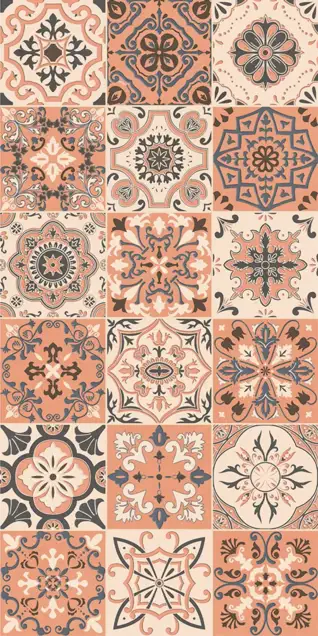
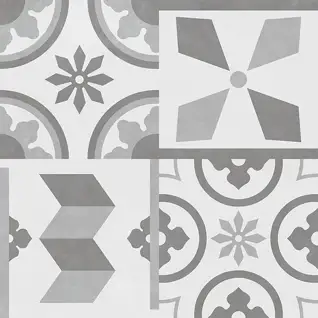
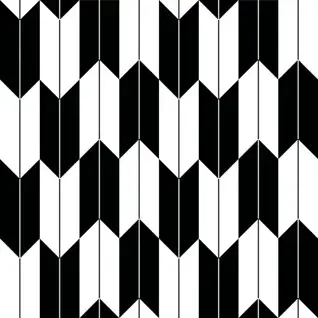
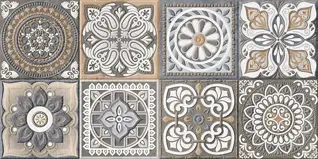
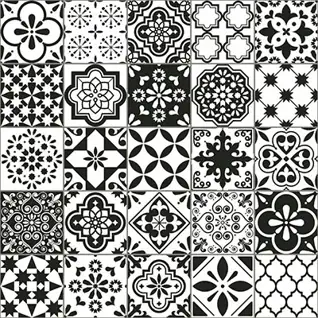
Moroccan bathroom tiles are one of the most searched tile categories for Indian home renovation. A bathroom floor in black and white Moroccan tiles turns a plain wet room into a room worth looking at. A feature wall of blue Moroccan bathroom tiles behind the vanity mirror completes the look without a full renovation.
Moroccan bathroom tiles in India come in ceramic, GVT, zellige, and encaustic body types, with prices from Rs. 65 per sq.ft for ceramic wall tiles to Rs. 650 per sq.ft for hand-painted zellige. Every application needs a different tile specification. This page covers the bathroom floor, shower enclosure, bath surround, vanity wall, and feature wall, with exact body type, finish, and grout requirements for each.
Moroccan Bathroom Tiles: Understanding Wet and Dry Zones
Every Indian bathroom has two zones that need different tile specifications. Getting this wrong is the most common and most expensive tiling mistake in residential bathroom projects.
| Zone | Surfaces Included | Water Exposure | Safe Body Types | Finish |
| Wet zone | Shower floor, shower walls, bath surround, wet room floor | Direct daily water contact | GVT (0.5 to 3%), full body vitrified (0.05%) | Matte or GHR (floor), matte or gloss (wall) |
| Dry zone | Vanity wall, feature wall, dado band, wall above towel rail | Steam and condensation only | Ceramic (IS 13630), GVT, zellige, encaustic | Any finish including gloss |
Note: Ceramic Moroccan bathroom tiles (IS 13630) absorb 12 to 16% water. They are safe for dry zone walls only. Using ceramic tiles on a shower floor or bath surround causes the tile body to swell over months, loosens the waterproof tile adhesive bond, and leads to water penetrating the wall behind the tile. Wet zone surfaces must use GVT or full-body vitrified Moroccan bathroom tiles only.
Moroccan Bathroom Floor Tiles: Body, Finish, and Size
Moroccan floor tile bathroom applications require the strictest specification on the page. The bathroom floor is wet daily, gets soap and shampoo on the surface, and must not become slippery under any condition.
Body type for Moroccan floor tile bathroom use:
- GVT Moroccan bathroom tiles: water absorption 0.5% to 3%. Safe for bathroom floors that do not have a direct shower head above them. The most common choice for Indian bathroom floors outside the shower enclosure.
- Full body vitrified tiles to IS 15622:2006: water absorption 0.05%. Safe for all bathroom floor surfaces, including the shower enclosure floor and wet room floors. Required when the entire bathroom floor gets wet daily.
- Ceramic Moroccan tiles (IS 13630): water absorption 12% to 16%. Not safe for any bathroom floor. Dry only.
Finish rules for Moroccan floor tiles bathroom:
- Matte finish: R9 slip resistance. Safe for bathroom floors outside the shower enclosure, where the floor dries quickly between uses.
- Sugar finish: R10 slip resistance. Suited to bathroom floors in family homes with children or elderly users. Slightly textured surface hides minor scratches better than matte.
- GHR finish: R11 slip resistance. Required for shower enclosure floors and wet room floors where standing water is a regular condition.
- Gloss or polished finish: never on any bathroom floor. Soap residue on a gloss tile creates an effective slip resistance of R3 to R4, far below safe levels.
| Bathroom Floor Area | Recommended Size | Pattern | Finish | Body |
| Compact bathroom (under 40 sq.ft) | 200x200 mm | Star, hexagon, mosaic sheet | Matte GVT | GVT |
| Standard bathroom (40 to 80 sq.ft) | 250x250 or 300x300 mm | Star-and-cross, arabesque | Matte or sugar GVT | GVT |
| Master bathroom (80 to 150 sq.ft) | 300x300 or 450x450 mm | Large arabesque, patchwork | Sugar or GHR GVT | Full body vitrified |
| Wet room/shower enclosure floor | 200x200 mm or mosaic sheet | Hexagon or mosaic | GHR R11 | Full body vitrified |
Pro tip: Use a smaller tile on the shower enclosure floor than on the main bathroom floor. A 200x200 mm anti-slip GHR tile on the shower floor and a 300x300 mm matte tile on the main bathroom floor create a clear zone distinction that is practical and looks intentional. More grout joints on the shower floor also give better grip underfoot than a large-format tile with fewer joints.
Moroccan Bathroom Wall Tiles: Shower, Vanity and Feature Wall
Moroccan bathroom tiles on walls follow a different set of rules than floor tiles. Walls do not need slip resistance, but wet zone walls need water resistance and mould resistance that matches or exceeds the floor.
Shower enclosure walls: GVT Moroccan bathroom tiles with gloss or matte finish. Water absorption 0.5% to 3%. Use waterproof C2 grade tile adhesive throughout. Epoxy grout in all joints. The star-and-cross pattern in 200x200 mm or 150x150 mm reads well in the vertical plane of a shower wall without making the enclosure feel smaller.
Bath surround walls: GVT Moroccan tiles in gloss finish. The gloss glaze on a bath surround wipes clean of soap scum without scrubbing. Matte Moroccan tiles on a bath surround trap soap residue in the micro-pores of the matte surface over time.
Vanity wall: Ceramic or GVT Moroccan bathroom tiles. The vanity wall takes steam and condensation but not direct water contact. A blue and white arabesque in 200x200 mm or 300x300 mm on the vanity wall behind a mirror is the most common Moroccan bathroom tile feature in Indian homes.
Feature wall: Any body type including zellige and hand-painted encaustic tiles. The feature wall in a bathroom with Moroccan tiles is typically the wall opposite the door or behind the vanity. It takes no direct water contact and allows the use of decorative body types not safe for wet zones.
Dado band: A 100 to 200 mm band of Moroccan bathroom tiles at the dado height (900 mm from floor) separates the floor tile from the wall tile with a defined geometric border. This approach gives the Moroccan look at lower cost than full wall cladding.
Note: Never use polished or high-gloss Moroccan bathroom tiles on any floor surface, including dry areas of the bathroom. Bathrooms accumulate moisture from steam and condensation even in dry zones. A polished tile in the dry zone of a bathroom will have water on its surface regularly, making it a slip hazard. All bathroom floors must use matte, sugar, or GHR finish only.
Blue Moroccan Bathroom Tiles: Shades and Applications
Blue Moroccan bathroom tiles are the most popular colour choice in this category across Indian residential projects. The blue and white star-and-cross pattern has become a reference look for the Moroccan bathroom style in India, appearing in most interior design references for compact and master bathrooms alike.
| Blue Shade | Room Size Suited | Best Surface | Pairs With |
| Deep cobalt | Master bathroom above 80 sq.ft | Feature wall or shower enclosure wall | White grout, white sanitary ware |
| Royal blue | Standard bathroom 40 to 80 sq.ft | Vanity wall or shower wall | Grey or white floor tile, chrome fittings |
| Mid-blue and blue-and-white | Any bathroom size | Floor or wall | White or light grey plain tiles |
| Turquoise | Compact bathroom under 40 sq.ft | Feature wall or dado band | White walls, brass or gold fittings |
| Blue mosaic sheet | Shower enclosure of any size | Shower floor and shower walls | Plain floor tile in the main bathroom area |
Blue Moroccan tiles bathroom applications, where all four walls carry the geometric pattern, work only in bathrooms with a window or strong artificial light. Dark blue arabesque on all four walls of a 35 sq.ft bathroom with no natural light makes the room feel very closed. The practical approach is one feature wall or one shower enclosure in blue Moroccan bathroom tiles, with plain white or light grey tiles on the remaining surfaces.
Black and White Moroccan Tile Bathroom: Layout and Grout
Black and white Moroccan tile bathroom layouts are the highest-contrast option in this look and the easiest to match with any sanitary ware colour. The star-and-cross or arabesque pattern in black and white reads clearly from the doorway without needing colour to carry the visual rhythm of the design.
Key layout and grout decisions for a black and white Moroccan bathroom tile installation:
- Grout colour: white grout on a black and white Moroccan tile emphasises each individual tile boundary and makes the geometric pattern sharper. Dark grey or charcoal grout softens the boundary and lets the overall pattern read as a surface texture rather than individual tile edges.
- Tile size: 200x200 mm, star-and-cross in black and white is the standard for Indian bathroom floors under 60 sq.ft. Use 300x300 mm in bathrooms above 60 sq.ft for fewer grout lines and faster installation.
- Floor vs wall: a black and white Moroccan floor with plain white walls is the most practical combination. Plain white walls above a black and white Moroccan floor tile keep the room feeling open. Black and white Moroccan tiles on all surfaces creates a high visual weight that suits large master bathrooms with good natural light only.
- Epoxy grout is essential for black and white bathroom with Moroccan tiles. White cement grout between black tiles stains grey within 3 to 6 months of bathroom use in Indian humidity. Epoxy white grout holds its colour.
Pro tip: For a bathroom with Moroccan tiles in black and white, order a tile sample and place it next to your sanitary ware before finalising. Some black Moroccan tiles have a warm brown undertone in the black glaze that clashes with cool-white sanitary ware. A cold charcoal-black glaze pairs better with pure white bathroom fittings. The difference is visible in natural light but not always in showroom lighting.
Green Moroccan Bathroom Tiles and Other Colour Options
Green Moroccan bathroom tiles are a growing choice in Indian bathrooms, particularly in homes with a natural or earthy interior direction. The green colour palette in Moroccan tile design ranges from sage and olive to deep bottle green and forest green. Each shade works differently in a bathroom setting.
Sage and olive green: Works in compact bathrooms and en suite bathrooms. The muted colour palette does not dominate small spaces. Pairs with brass fittings and warm-toned wooden vanity units.
Bottle green and forest green: Suited to master bathrooms above 80 sq.ft with a window. Works as a feature wall or shower enclosure wall. Pairs with white sanitary ware and black or brass fittings.
Green Moroccan bathroom tiles with white: The green-and-white combination follows the same visual rhythm as blue-and-white. It reads clearly in both matte and gloss finishes and suits both floor and wall applications in the dry zone.
Other colour options for Moroccan style tiles bathroom include turquoise (the most light-reflective option for dark bathrooms), terracotta colourway on ceramic body (warm and suited to rustic-style bathrooms), and black (suited to large bathrooms only as a floor tile in matte GVT with white wall tiles).
Moroccan Bathroom Tiles: Grout, Adhesive and Maintenance
Grout: Epoxy grout is the correct choice for all Moroccan bathroom tiles in wet zones. Bathroom humidity in India reaches 85% to 95% during monsoon months. Cement grout in a wet zone bathroom grows mould within 6 to 12 months. Epoxy grout is waterproof, mould-resistant, and does not stain. It costs Rs. 180 to Rs. 250 per kg but lasts the life of the tile. For dry zone walls in a bathroom, cement grout with a penetrating grout sealer applied after installation is acceptable.
Tile adhesive: Use C2 grade waterproof tile adhesive for all wet zone surfaces. Standard sand-cement adhesive is not waterproof and fails behind shower walls and bath surrounds over time. The bond failure is not visible until tiles start to hollow-sound or fall. C2 adhesive costs Rs. 18 to Rs. 30 per kg versus Rs. 8 to Rs. 12 per kg for standard adhesive. The difference in total project cost is small compared to the cost of relaying failed tiles.
Cleaning: Wipe Moroccan bathroom tiles weekly with a pH-neutral bathroom cleaner. Avoid acidic cleaners (vinegar-based, lime-scale removers with HCl) on glazed Moroccan tiles. Acid etches the glaze surface over time and permanently dulls gloss tiles. For mould on grout joints in bathrooms with poor ventilation, use a dilute bleach solution on cement grout only. Epoxy grout does not require bleach treatment.
Moroccan Bathroom Tiles from Morbi: Indian Market Context
GVT Moroccan bathroom tiles certified to IS 15622:2006 absorb 0.05% water, which is the correct body specification for Indian bathroom floors that get wet every day. The 200x200 mm (200x200 mm) format is the most widely stocked size for Moroccan bathroom tiles by Morbi manufacturers in Gujarat, covering both floor and wall applications in a single order. Prices from Morbi-sourced GVT Moroccan bathroom tiles start at Rs. 95 per sq.ft for matte finish and Rs. 130 per sq.ft for GHR anti-slip finish. The Gujarat tile cluster produces consistent batch runs, which matters when ordering tiles for a full bathroom project where the floor, shower wall, and vanity wall all need matching pattern repeats.
Indian bathroom conditions are among the most demanding for tile performance. Monsoon humidity across Gujarat, Maharashtra, Karnataka, and Tamil Nadu sits between 85% and 95% for four to five months of the year, and bathroom steam from daily showers keeps wall tile surfaces at 35 to 42 degrees Celsius for extended periods. These conditions make mould resistance and grout integrity critical. Morbi and the broader Gujarat manufacturing base supply GVT Moroccan bathroom tiles in 300x300 mm (300x300 mm) format from Rs. 110 to Rs. 180 per sq.ft, with both matte and gloss finishes suited to wall applications in bathrooms across all price brackets.
Pick a Pattern, Request a Sample, Order in One Place
From a 200x200 mm blue star-and-cross GVT at Rs. 95 per sq.ft to a hand-painted zellige feature panel at Rs. 650 per sq.ft, the full range of Moroccan bathroom tiles across every body type, colour, and surface application is catalogued with real pricing on TilesFinders, India's dedicated tile marketplace. Use the zone filter to separate wet-area-safe tiles from dry-area options, compare pattern repeats at the correct scale for your bathroom size, and request a physical sample before committing to a full order.
FAQs
Moroccan bathroom tiles in India start from Rs. 65 per sq.ft for ceramic wall tiles in the dry zone and go up to Rs. 650 per sq.ft for hand-painted zellige feature panels. GVT Moroccan bathroom tiles for floor and wet zone wall use cost Rs. 95 to Rs. 180 per sq.ft. Anti-slip GHR finish for shower floors costs Rs. 130 to Rs. 200 per sq.ft. Morbi manufacturers in Gujarat supply the most competitively priced GVT range.
Full body vitrified Moroccan tiles to IS 15622:2006 with GHR finish (R11 slip resistance) are the correct choice for a shower floor. GVT tiles with GHR finish at R11 are also acceptable. Never use ceramic Moroccan tiles on a shower floor: the 12% to 16% water absorption causes body failure within months of daily use. The 200x200 mm size with a mosaic or hexagon arabesque pattern gives good grip and wraps corners in a shower enclosure cleanly.
Blue Moroccan bathroom tiles on all four walls work in master bathrooms above 80 sq.ft with a window. In compact bathrooms under 50 sq.ft, deep blue on all walls makes the room feel very closed. Use one feature wall or shower enclosure in blue Moroccan tiles and plain white or light grey tiles on the remaining three walls. Mid-blue and turquoise colour palettes work better than deep cobalt in low-light bathrooms.
Epoxy grout is the correct choice for all Moroccan bathroom tiles in wet zones. Indian bathroom humidity reaches 85% to 95% during monsoon months, and cement grout grows mould in wet zone joints within 6 to 12 months. Epoxy grout costs Rs. 180 to Rs. 250 per kg, is mould-resistant and waterproof, and holds its colour for the life of the tile.
Sage and olive green Moroccan bathroom tiles work in small bathrooms under 50 sq.ft. These muted shades do not dominate compact spaces the way deep bottle green or forest green does. Use green Moroccan tiles on one feature wall with white plain tiles on the remaining walls. Pair with brass or gold fittings for the best colour match in a natural-style bathroom.
200x200 mm Moroccan bathroom tiles work best in compact Indian bathrooms under 50 sq.ft. This size gives 2 to 3 full pattern repeats across a typical 900 mm bathroom wall panel, which is enough for the geometric pattern to read clearly. Mosaic sheet format (300x300 mm mesh-backed sheet with 2 to 5 cm pieces) is the right choice for shower niches and alcoves where individual tiles cannot wrap corners cleanly.
Moroccan-style tiles in a bathroom have a geometric repeat pattern: star-and-cross, arabesque, hexagon, or patchwork. Regular bathroom tiles are plain or have a simple texture. Both come in the same body types (ceramic, GVT, vitrified) and the same finish options. The tile specification rules for slip resistance, water absorption, and grout type are identical. The choice is entirely visual: Moroccan patterns add a decorative layer that plain tiles do not.
Use epoxy grout on all Moroccan bathroom tiles in wet zones. Epoxy grout does not grow mould. If cement grout was used, apply a penetrating grout sealer every 12 months. Clean with a pH-neutral bathroom cleaner weekly. Improve bathroom ventilation: a bathroom exhaust fan running for 15 minutes after each shower reduces the humidity that feeds mould growth on grout joints.