

Stone Cladding Tiles: Elevation, Stacked Stone and Fixing Guide
Loading designs...
-
URBAN ROCK_11_R1 300x600Matte -
URBAN ROCK_02_R1 300x600Matte -
EARTHSTONE 07_A 300x600Matte -
3066 400x400Matte -
3102 A 400x400Matte -
3102 B 400x400Matte -
5004 400x400Matte -
Active 011 400x400Matte -
Cotto 006 400x400Matte -
Crystal 001 400x400Matte -
Crystal 002 400x400Matte -
Crystal 003 400x400Matte -
Crystal 010 400x400Matte -
D1 P 1104 400x400Matte -
D1 P 1104 L 400x400Matte -
D2 P 1104 400x400Matte -
D2 P 1104 L 400x400Matte -
D3 P 1104 400x400Matte -
D3 P 1104 L 400x400Matte -
Daimond 001 400x400Matte
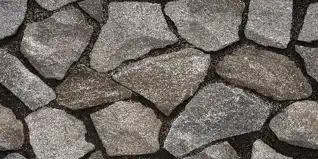
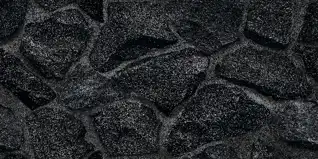
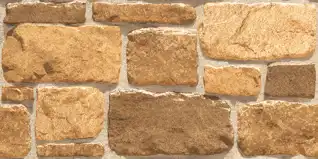
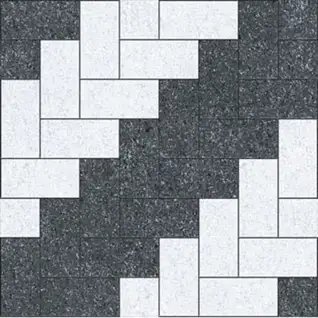
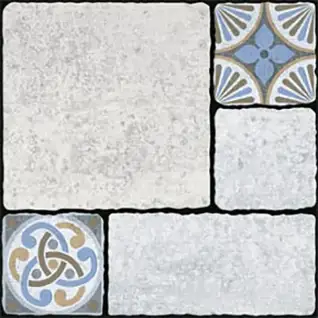
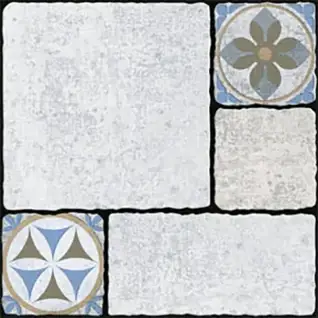
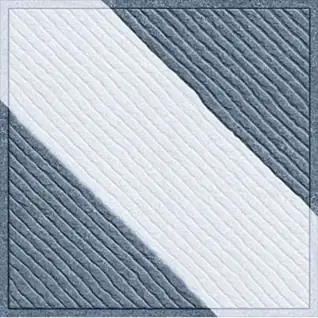
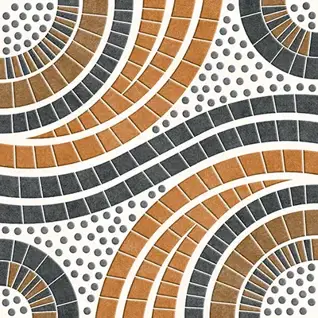
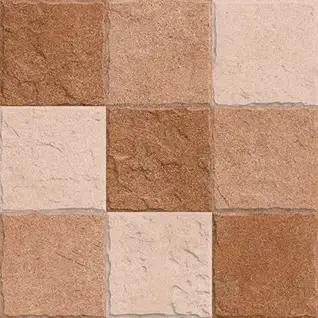
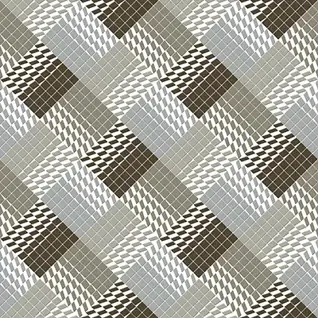



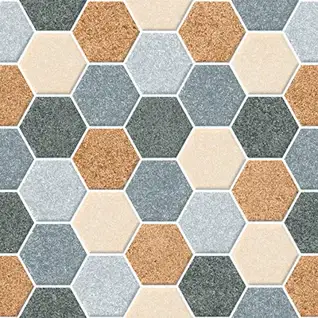
Stone cladding tiles cover the vertical, wall-facing side of TilesFinders' stone tiles range, built for building elevations, feature walls, and boundary walls rather than floors. Where a floor tile has to survive foot traffic and water pooling, a cladding tile only has to hang, which changes almost everything about how it is made, priced, and fixed.
Outdoor stone wall cladding, stone wall cladding tiles, and stacked stone tile designs are the two main searches driving most of the traffic to this category, and they point at slightly different things. Outdoor stone wall cladding is the broader term for any stone-look tile fixed to an exterior wall, while stacked stone tile refers to a specific style: irregular, horizontally layered pieces that copy a dry-stacked stone wall, one of the most requested cladding looks in Indian residential elevation design today.
This category costs Rs. 65 to Rs. 210 per sq.ft in India, with a flat print at the lower end and a deep, heavily textured stacked stone panel at the top of that range. Most of this stock ships from Morbi, Gujarat, in size aliases such as 1x2 feet (300x600mm) panels and full sheet formats designed specifically for vertical fixing rather than floor laying.
What Is Stone Cladding?
Stone cladding, sometimes searched as stone effect wall cladding, is any stone-look material fixed to a wall rather than laid on a floor. It can be a single large slab, a set of smaller interlocking pieces, or a textured panel mounted in sections, and its only structural job is to hang securely and shed water if it sits outdoors.
This matters because cladding tiles are engineered differently from floor tiles. They tend to be lighter, since a heavy panel puts more strain on the fixing system than the same weight ever would sitting flat on a floor. Many carry a deeper, more dramatic texture than a floor tile would, since there is no foot traffic to catch dirt in the recesses or wear the surface down over time.
Stacked Stone: The Most Requested Cladding Style
A stacked stone tile copies the look of dry-stacked natural stone: irregular, roughly rectangular pieces laid in horizontal courses without visible mortar joints. It reads as rugged and handmade, which is exactly why it has become the default choice for a huge share of Indian villa and bungalow elevations over the last several years.
Stacked stone wall tile panels are usually sold in interlocking sheets rather than loose pieces, since fitting dozens of irregular shapes one at a time would make installation painfully slow. A named colourway such as stacked stone tiles beaumont refers to a specific blended tone, generally a warm beige to brown mix, within this broader stacked stone family rather than a separate product category.
Vinyl Stacked Stone: A Different Product Entirely
Vinyl stacked stone is worth flagging clearly before going further. It is a PVC-based panel product, not a ceramic, porcelain, or vitrified tile, and it is sold through a different kind of supplier than a tile marketplace. A tile that looks like stacked stone in porcelain or vitrified form, which is what TilesFinders actually lists, is fired, heavier, and fixed differently from a vinyl panel of the same pattern.
Stone Cladding Tiles for Building Elevation
Elevation is the term Indian buyers and architects use for a building's exterior facade, the face a visitor sees first from the street. Stone cladding elevation work usually covers one or two accent zones rather than the entire building, most often the entry porch, a boundary wall, or a strip running up beside the main door.
This selective approach keeps cost manageable while still giving the stacked stone or natural stone look real visual weight where it counts most. A full elevation clad floor to roof in heavy textured stone can look overdone on a smaller plot, while the same material used as a defined accent strip usually reads as more deliberate and better resolved.
A second reason architects favour this selective approach is weather exposure. A north or east facing wall in most Indian cities sees far less direct monsoon rain than a south or west facing one, so a full stacked stone treatment on the more exposed side often needs more frequent grout checks than the same finish on a sheltered wall. Planning which face of the building carries the heaviest texture, rather than applying one finish uniformly, tends to age better over several monsoon seasons.
These panels used on an elevation need to handle direct sun, monsoon rain, and the temperature swing between a hot afternoon and a cool night without cracking or fading. A full body or glazed vitrified base handles this far better than ceramic, whose higher water absorption makes it a poor match for anything left exposed outdoors. This full body and glazed vitrified water absorption threshold is set under IS 15622, the same standard that governs vitrified flooring across the rest of this site.
Natural Stone Cladding vs Porcelain and Vitrified Cladding Tiles
Natural stone wall cladding, cut from genuine quarried stone, offers a depth and colour variation that no printed tile fully replicates. It also comes with real trade-offs that are worth knowing before committing an entire elevation to it.
Genuine stone cladding is heavy, which means the wall structure underneath needs to be checked for load capacity before installation, especially on an upper floor or a lightweight partition wall. It also needs periodic sealing to resist staining, and individual pieces vary in thickness, which slows down a mason's work compared to a uniform manufactured panel.
The porcelain or vitrified version solves most of these problems at once. They arrive at a consistent thickness, need no sealing since the firing process already seals the surface, and weigh meaningfully less than the genuine material, which widens where they can safely be used.
| Cladding Type | Weight | Sealing Needed | Typical Price (Rs./sq.ft) |
| Genuine natural stone | Heavy, structural check needed | Yes, every 2 to 3 years | Rs. 150 to Rs. 350 |
| Porcelain or vitrified stone effect | Light to moderate | No | Rs. 80 to Rs. 150 |
| Deep textured stacked stone panel (porcelain) | Moderate | No | Rs. 140 to Rs. 210 |
| Mosaic cladding sheet | Very light | No | Rs. 90 to Rs. 160 |
Choosing a Colour: White, Grey and Natural Stone Wall Cladding
White stone wall cladding, including a white stacked stone tile finish, brightens an entry porch or a shaded elevation that does not get much direct sun, and it pairs cleanly with almost any roof or door colour. It does need slightly more regular cleaning outdoors than a darker tone, since dust and monsoon splash marks show up faster against white.
Grey stone wall cladding remains the safer, more versatile default for most Indian elevations. It hides everyday dirt and water marks well, works with both warm and cool-toned exteriors, and rarely looks dated the way a stronger accent colour eventually can. Architects working on a mixed material facade, combining cladding with plaster or exposed concrete sections, also tend to default to grey specifically because it sits quietly next to almost any other exterior material rather than competing with it for attention.
A natural stone wall cladding price comparison across colours generally shows the biggest cost driver is texture depth rather than colour itself, since a deeply relieved stacked stone panel in any colour costs more to press and fire than a flatter finish in the same tone.
Mosaic Cladding and Accent Panels
Mosaic cladding uses small format pieces, often chips just a few centimetres across, mounted on a mesh backing sheet for faster installation. It suits a narrower role than a full stacked stone elevation: pillar wraps, planter boxes, compound wall pillars, and small accent strips rather than large open wall areas.
Because the individual pieces are so small, mosaic cladding can follow curved or irregular surfaces that a large rigid panel cannot, which is exactly why it turns up so often on rounded gate pillars and boundary wall caps across Indian residential projects. For buyers still deciding between this accent approach and a full textured panel, the general stone look tile page covers porcelain versus ceramic body choice in more depth than this cladding-specific page needs to repeat.
Installing Stone Cladding Tiles: Weight, Fixing and Interior vs Exterior Use
Cladding installation differs from floor laying in a few specific ways that are worth knowing before ordering.
- A cladding panel needs a rated exterior adhesive if used outdoors, since a standard floor bed mix is not formulated to hold weight vertically against gravity and weather.
- Heavier natural stone or deep textured porcelain panels often need mechanical fixing, such as clips or anchors, in addition to adhesive, particularly above a certain height on an elevation.
- The wall substrate should be checked for load capacity before a heavy cladding material goes up, especially on older construction or a non-structural partition.
- Expansion gaps matter here too, since a large clad wall sitting in direct sun expands and contracts across the day more than the same surface would indoors.
Interior wall applications carry fewer of these constraints, since there is no rain or direct sun to plan around. A feature wall behind a bed headboard or a living room television unit can use a lighter, more decorative panel, including a mosaic or deeply textured stacked stone finish, without the weatherproofing an exterior wall demands.
One detail worth checking before ordering either way is panel weight per square foot, since this determines whether standard tile adhesive is enough or whether mechanical fixing becomes necessary. Most listings state this weight clearly, and it is generally the single most useful number for deciding how a specific panel should be fixed, more useful even than the stated thickness on its own.
How to Choose the Right Stone Cladding for Your Project
Start with where the cladding is going. An exterior elevation needs a body rated for outdoor exposure and, if the wall is tall, a fixing plan that goes beyond adhesive alone. An interior feature wall has far more flexibility on both weight and finish, since neither rain nor direct sun comes into the decision.
Next, decide how much of the space the cladding should cover. A full stacked stone elevation makes a strong statement but costs the most and can visually overwhelm a smaller building, while a defined accent strip around a doorway or boundary wall pillar usually delivers most of the visual impact at a fraction of the material cost.
Finally, weigh genuine natural stone against a porcelain or vitrified equivalent based on the wall's load capacity and your appetite for ongoing sealing. A structurally sound wall with a generous budget can support real stone, but most residential elevation projects in India today are moving toward a manufactured stacked stone or stone effect panel for exactly the reasons covered earlier: consistent thickness, no sealing, and a meaningfully lower installed weight.
A quick checklist before placing an order helps avoid the most common mistakes on a cladding project:
- Confirm whether the wall is load-bearing or a lighter partition, since this changes which materials are safe to use.
- Check the stated panel weight per square foot against what the fixing method and adhesive are rated to hold.
- Decide the exact zone the cladding will cover before ordering, rather than estimating from a rough elevation sketch, since cladding waste on cut pieces runs higher than on a flat floor tile.
- Ask whether the batch was fired together, particularly for a large elevation, since colour can drift slightly between production runs.
Water Absorption, Weight and Regional Pricing
Porcelain and vitrified cladding panels carry water absorption under 0.5 percent as glazed vitrified or under 0.05 percent as full body vitrified, both tested to IS 15622:2006, which keeps them stable through direct sun and monsoon exposure on an open elevation.
A 300x600mm stacked stone effect panel in porcelain typically costs Rs. 90 to Rs. 150 per sq.ft, while a deeply textured premium panel runs Rs. 150 to Rs. 210 per sq.ft due to the extra pressing depth involved. Most of this stock ships from Morbi, Gujarat, which keeps manufactured cladding pricing well below sourcing and transporting genuine natural stone for the same elevation area.
Installation for this category adds Rs. 30 to Rs. 55 per sq.ft in most of Gujarat and neighbouring states, higher than a floor tile of the same size because vertical fixing, mechanical anchoring on taller sections, and rated adhesive all take longer than laying a flat floor.
Buyers sourcing directly from Morbi factories typically save on freight for larger elevation orders, though this varies with distance and project size. Before cladding any exterior wall, the substrate should be checked for structural load capacity and any existing dampness, since fixing a heavy panel over a compromised wall surface is a common cause of later cracking or panels working loose.
Clad the Wall That Actually Needs It
An elevation gets judged from the street every single day, so the fixing plan behind a stone cladding panel matters just as much as how dramatic the texture looks in a sample photo. A porcelain or vitrified stacked stone finish in grey or a natural blended tone covers most Indian elevation projects without the sealing or structural load genuine stone would demand. TilesFinders lists the body type, panel weight, and recommended interior or exterior use on every stone cladding listing, so the fixing plan can be worked out before the scaffolding goes up rather than after. Get that plan right once, and the elevation stops needing anything more than an occasional wash.
FAQs
Cladding tiles are made for walls and only need to hang, while flooring tiles need to bear foot traffic and resist wear. This means cladding panels can be lighter and more deeply textured than a floor tile of the same look.
Both exist. Genuine stacked stone is cut natural stone, while a porcelain or vitrified stacked stone tile is a fired, printed and pressed panel that copies the same layered look at a lower weight and cost.
Vinyl stacked stone is a PVC-based panel product, not a ceramic or porcelain tile. TilesFinders lists only fired porcelain and vitrified stacked stone tiles, not vinyl cladding panels.
Yes, interior wall applications have more flexibility than exterior panels, since there is no rain or direct sun to plan around. A feature wall behind a bed or television unit is a common interior use.
Genuine natural stone cladding typically costs Rs. 150 to Rs. 350 per sq.ft, while the price of stone cladding tiles for a porcelain or vitrified equivalent runs Rs. 80 to Rs. 210 per sq.ft depending on texture depth. Porcelain also needs no ongoing sealing.
Mosaic cladding uses small format pieces on a mesh sheet, suited to pillars, planters, and curved or irregular surfaces. It is not typically used to clad a full flat elevation wall, since the sheer number of grout lines across a large flat area makes it a slower, more expensive choice than a single large panel there.
Yes, exterior stone cladding tiles need a rated exterior adhesive, and heavier or taller panels often need mechanical anchors as well. The wall substrate should also be checked for load capacity before installation.
Grey remains the most versatile choice, hiding dirt and water marks while suiting most exterior colour schemes. White brightens a shaded elevation but shows dust and monsoon splash marks faster than grey does.