

Skirting Tiles In Dhuri and Sangrur: Usage, Benefits & Cost










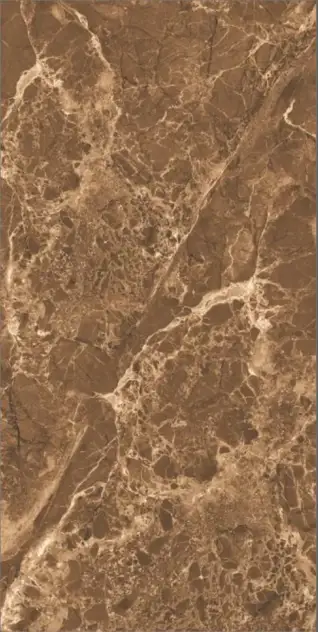
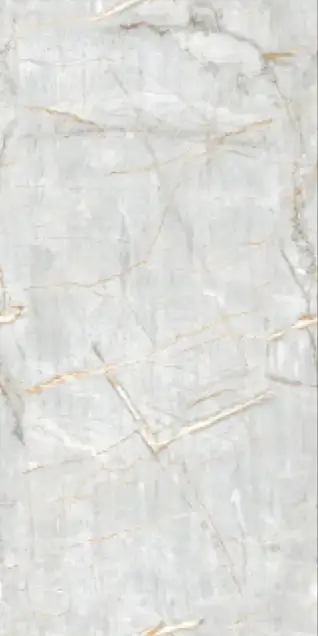
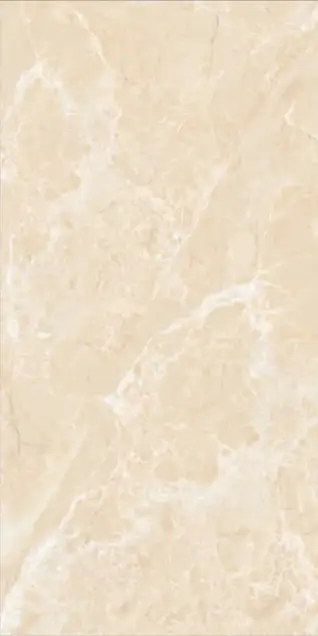


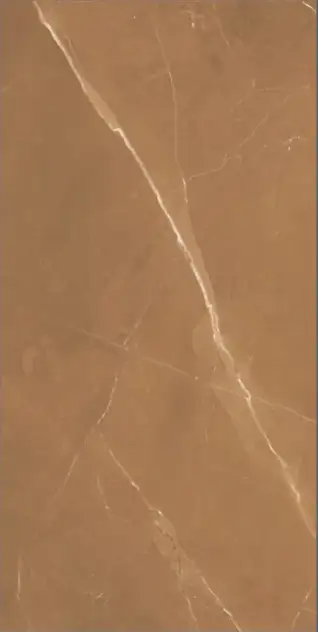
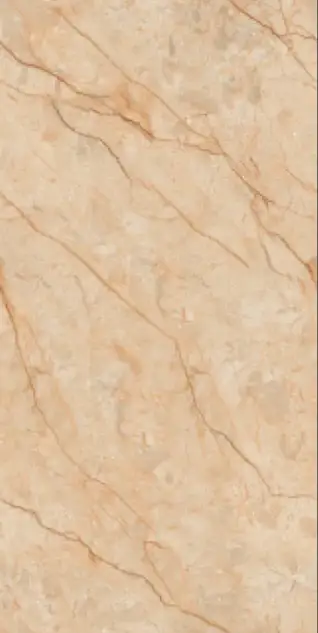

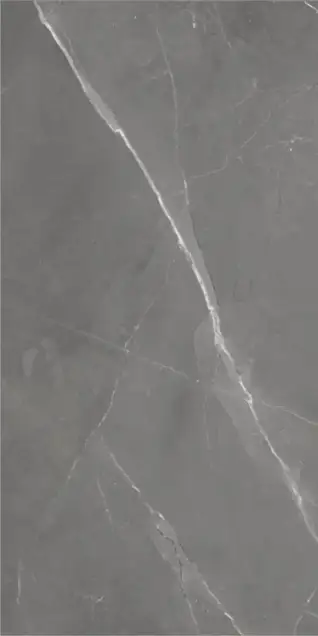
Skirting tiles, typically a 4-inch border at the base of walls, are an indispensable feature for homes and commercial establishments in Dhuri and Sangrur. Far from being merely a decorative element, they function as a crucial structural shield, protecting walls from damage caused by daily mopping and preventing expansion cracks, a common issue in the region's varying climate. These tiles offer both aesthetic appeal and practical longevity.
The Structural Usage: Hiding Expansion Gaps and Uneven Edges
Many homeowners in Dhuri and Sangrur may not fully grasp the primary structural purpose of skirting. When laying floor tiles, masons must intentionally leave a slight gap, typically around 3mm to 5mm, between the edge of the floor tile and the wall. This 'expansion gap' is critical because building materials expand and contract significantly with temperature fluctuations, especially during Dhuri and Sangrur's intense summers. If tiles are installed flush against the wall, this expansion can cause them to buckle or pop out. Skirting tiles are then meticulously installed over this necessary gap, effectively concealing the joint while allowing the floor underneath to naturally breathe and shift. Furthermore, the bottom edge of a plastered wall is rarely a perfect, straight line; skirting acts as a clean, sharp visual boundary that deftly covers up any wavy or uneven plasterwork at the base of the room, providing a polished finish to interior spaces. For effective planning, consider using tile mockups.
The Daily Defence Benefit: Protecting Walls from Mopping (Pochha) Damage
This is arguably the most significant practical benefit of skirting tiles for households in Dhuri and Sangrur. Given the often dusty conditions and the need for regular cleaning, daily wet mopping (pochha) is a mandatory routine to maintain hygienic homes. Without skirting, a wet mop repeatedly comes into direct contact with the bottom of painted walls. Wall putty and emulsion paints are not formulated to withstand constant water exposure. This repeated absorption of mop water leads to rising dampness, locally known as 'seelan'. Over a few months, expensive wall paint will invariably start bubbling, flaking, and peeling off at the base, necessitating costly repairs. A 4-inch tile skirting acts as an impenetrable, waterproof shield, taking the brunt of the wet mop and preserving the pristine condition of your walls, a vital feature for homes across Dhuri and Sangrur. This also helps in keeping bathroom wall tile designs protected.
Hygiene & Maintenance Benefits: Keeping Corners Dust-Free
The 90-degree junction where a bare floor meets a bare wall is a notorious magnet for dirt, dust, and spider webs in homes throughout Dhuri and Sangrur. Skirting tiles significantly enhance hygiene and ease of maintenance in these areas. Sweeping against a rough painted wall can often leave unsightly dirty broom marks. A smooth, glossy, or satin skirting tile allows the broom to glide effortlessly, making daily cleaning faster and far more hygienic, ensuring corners remain pristine. A notable trend in modern Dhuri and Sangrur duplexes and upscale apartments is 'Concealed' or 'Flush' skirting. In this design, the wall plaster is precisely cut out, and the skirting tile is embedded directly into the wall, sitting completely flat. This innovative approach entirely eliminates the dust-catching ledge, providing a premium, 100% dust-free finish that aligns with contemporary minimalist aesthetics. This makes the space look clean and modern, enhancing the overall appeal. For more ideas, explore tile design ideas.
Understanding Skirting Tile Cost in Dhuri and Sangrur: Running Foot vs. Sq. Ft.
Tile pricing in Dhuri and Sangrur can be perplexing, as floor tiles are typically sold by the square foot (Sq. Ft.) or by the box, whereas skirting is calculated by the Running Foot (RFT)—meaning it's measured by length, not area. When budgeting for skirting, homeowners have two primary options. Option A, cutting leftover floor tiles into 4-inch strips, is the most cost-effective. You utilize existing material, paying only a small labor charge per running foot to the mistri (mason) for cutting and installation. However, the cut edge will be sharp and flat. Option B involves purchasing factory-finished skirting tiles from showrooms. These come with beautifully rounded, polished top edges (bullnose finish) that exude luxury. While slightly more expensive per RFT, they eliminate cutting labor and provide a flawless, high-end finish without sharp edges. However, finding an exact design match with your floor tiles can be challenging, and local dealers in Dhuri and Sangrur rarely stock a wide variety due to inventory complexities, often doubling the per RFT price compared to Option A. You can explore tile preview designs for these options.
Skirting Tiles Showroom and Dealer in dhuri-and-sangrur
SHREE RAM TILES
Contact: +91 99157 15150
Multi brand tile bazaar
H & R Johnson Tiles - Best Tiles for Bathroom, Kitchen, Wall & Floor in Dhuri
Contact: +91 80 3778 1480