300×450 Wall Tiles + 300×300 Floor Tiles for Small Bathrooms
Maximise your small bathroom with 300x450 wall and 300x300 floor tiles. This perfect pairing aligns grout lines for a taller look while ensuring safe, proper floor drainage.
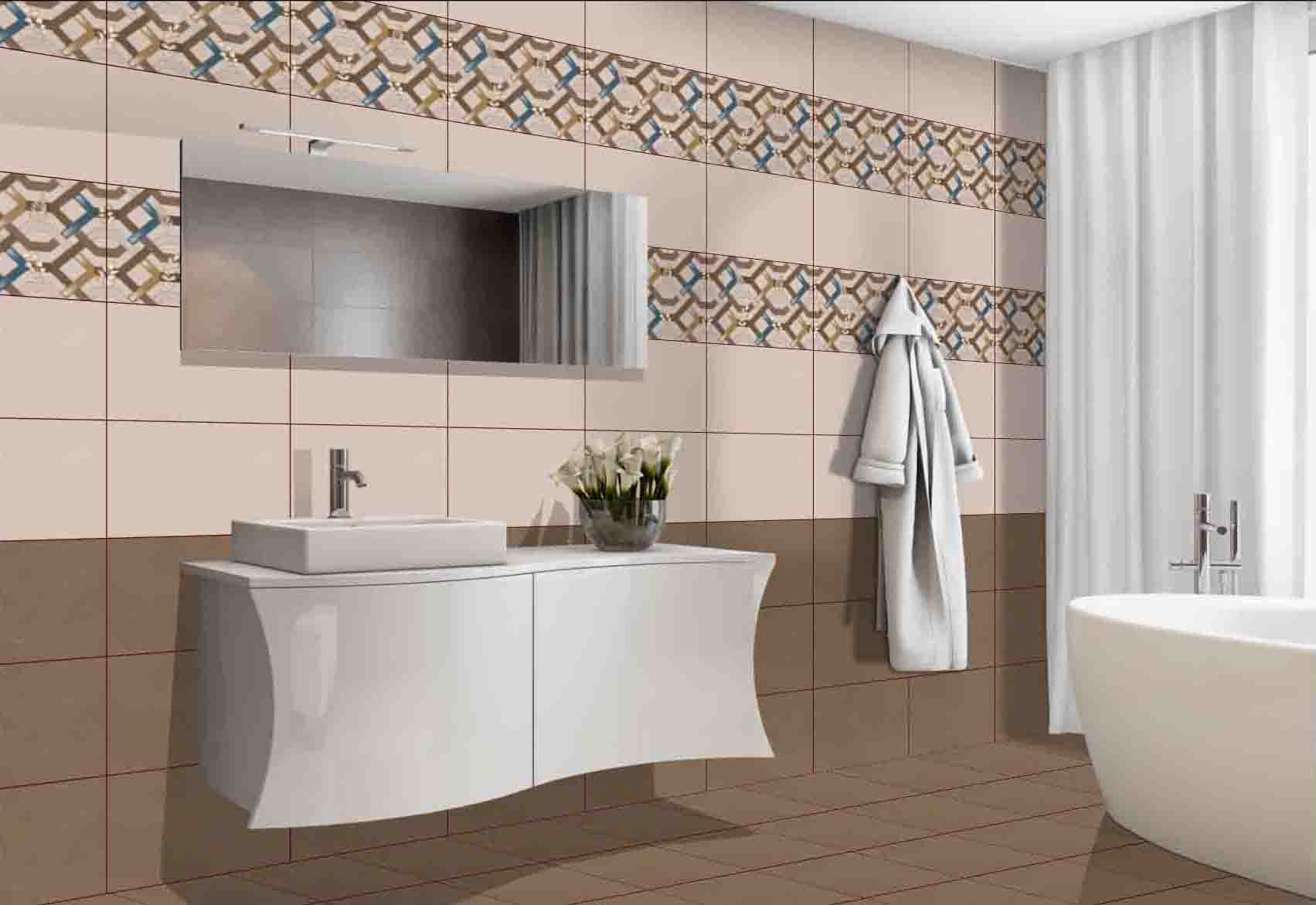
Pairing 300x450 wall tiles with 300x300 floor tiles is the standard layout for compact 4×4 or 5×7 ft bathrooms. The matching 300 mm width aligns grout lines vertically, reduces cutting wastage, and lets masons create a proper drainage slope toward the floor trap without uneven tile edges.
Why does the 300x450mm wall and 300x300mm floor combo work best for compact bathrooms?
Small bathrooms are governed by drainage physics, not decoration. The floor must slope gently toward the drain. 300x300 floor tiles help because smaller pieces can follow the gradient without lifting corners or creating lippage.
For wet areas, installers usually recommend matte bathroom tiles on the floor because the surface provides better grip when water and soap are present.
Large floor tiles struggle in wet areas. They either need heavy cutting or leave flat patches where water collects. A 300 mm tile bends with the slope naturally, so water flows properly to the floor trap.
Another advantage is alignment. Both the wall and the floor share the same 300 mm width. Because of this, vertical grout lines can continue from floor to wall. The eye reads one straight pattern upward, which makes a low ceiling feel taller.
How do “Light–Dark–Highlighter” concepts elevate 300x450mm wall layouts?
Manufacturers design 300x450 wall tiles using a preset L-D-HL concept.
Definition: L-D-HL (Light, Dark, Highlighter):
Tile boxes come as coordinated sets:
- Light tiles (base background)
- Dark tiles (contrast zone)
- Highlighter tiles (decorative motifs or textures)
How to use them properly:
- Install dark tiles inside the shower area. They hide soap residue and watermarks.
- Place the highlighter vertically behind the showerhead or mixer line. This creates a visual focal strip.
- Use light tiles on the remaining walls to reflect light and brighten the bathroom.
This is not only design, but it is also maintenance planning. Stains appear most in the shower zone, so darker shades reduce visible cleaning marks.
Why do the 300x450mm wall and 300x300mm floor sizes require different material standards?
Although the widths match, their functions differ. Walls carry weight; floors carry pressure and water exposure. Therefore, ceramic wall tiles are intentionally lighter, while floor tiles must be denser.
| Specification | Wall Tiles (300×450) | Floor Tiles (300×300) |
| Material | Ceramic body | Vitrified body |
| Water Absorption | < 10% | < 0.5% (ISO 13006) |
| Thickness | 7 - 8 mm | 8 - 9 mm |
| Purpose | Reduce wall load | Handle foot traffic & standing water |
If heavy floor-grade tiles are used on walls, adhesive stress increases. If wall-grade tiles are used on floors, cracking occurs quickly. The pairing works because each tile is engineered for its role.
How to waterproof the grout lines when mixing wall and floor tiles?
Grout joints are the first place water enters. Standard white cement grout slowly dissolves when cleaned repeatedly with bathroom cleaners.
To prevent this:
- Use 2–3 mm tile spacers during installation
- Fill joints with epoxy grout instead of cement
- Clean residue immediately after curing
Epoxy grout forms a non-porous seal that blocks moisture seepage, prevents black mould formation, and reduces efflorescence, the white powder stains commonly seen near floor edges.
Buyer’s Checklist: What should you verify before buying small bathroom tile combos?
Before purchasing small bathroom tiles in India, verify technical alignment. Most installation problems start before installation even begins.
Check these carefully:
Matching caliber
Both tiles must have identical working width (example: 298 mm). Even a 2–3 mm difference misaligns vertical grout lines.
Anti-skid surface test
Do not rely only on appearance. Touch the tile with wet hands. A proper bathroom floor tile should offer grip when wet.
Local sourcing
Buy from established domestic manufacturing hubs. If plumbing repairs require replacement later, matching shade batches are easier to find.
FAQs
300×450 mm tiles typically contain 6 pieces per box, covering about 0.81 sq. m (8.7 sq. ft).
300×300 mm tiles usually contain 10 pieces, covering about 0.9 sq. m (9.6 sq. ft).
No. Glossy surfaces become extremely slippery when wet because of a low COF (Coefficient of Friction). Bathroom floors should always use matte or anti-skid finishes.
At a minimum, tiles should reach the lintel level (around 7 ft) for moisture protection. Full ceiling tiling is optional but helpful in areas with heavy shower use or poor ventilation.

Earth Tone Tiles Trend in India 2026
Why Are My Tiles Out of Stock? Showroom vs Factory Inventory Explained
Will Heavy Furniture Crack Your Floor Tiles? (The 9mm vs 12mm Thickness Reality Check)
Top 20 Bathroom Wall Tile Designs Trending in India 2026
Reception Floor Tile Designs: 20+ Ideas for Hotels, Offices & Hospitals
Restaurant Floor Tile Designs: 20+ Commercial Looks That Set the Right Ambience
See our tile guides first
Set TilesFinders as a preferred source and our buying guides surface ahead of the rest for you.
Add as preferred sourceTakes one tap. Nothing to install.
What Readers Say
I was about to redo my parking area with the wrong tile size until I read this. The layout comparisons saved me from a costly mistake.
We reference TilesFinders guides while briefing clients on material selection. The size and pattern breakdowns are accurate and easy to explain visually.
On site, I get asked about grout spacing all the time. This article gave me a solid reference I now share with my team before every job.
Finally a guide that doesn't just push generic advice. The oil stain removal steps actually worked on our clubhouse driveway tiles.
I run a small construction firm and now send this link to clients directly when they ask about entrance tile sizing. Saves me an hour of explaining.
Good practical detail, though I wish there were more examples for compact apartment entrances specifically, not just villas.
My mother-in-law wanted marble, I wanted vitrified. This blog gave us the neutral comparison we needed to actually decide together.
Detailed without being overwhelming. I appreciated that it covered both cost and maintenance, not just the aesthetics.
Used the algae and hard water removal tips on our terrace tiles after the monsoon. Worked better than what our regular cleaner was doing.
As someone who sources tiles for multiple builder projects, I find these comparisons genuinely useful for vendor conversations, not just consumer content.
Recommended this to a client who kept second-guessing the entrance design. The small vs large layout section settled the debate instantly.
Straightforward and honest, no unnecessary jargon. Would like to see a similar breakdown for outdoor pool-deck tiles next.
We've bookmarked several TilesFinders guides for our design handbook. Reliable source when clients want data, not just opinions.
Two paths, one marketplace.
Get free quotes from verified suppliers.
Share your room, budget, and style. Suppliers in Morbi respond within hours.
Get Free QuotesList your business, reach real buyers.
Put your showroom in front of homeowners searching for tiles right now.
List Your BusinessMore Blogs
See all
How to Choose the Right Bathroom Tile Size for Every Space
Don’t shrink your bathroom with the wrong tiles! Here’s how to pick the best size for more space ...
Read More
300x600 Wall Tiles: Best Designs for Kitchen & Bathroom
Why are 300x600 mm wall tiles a top choice? They reduce grout lines, are easy to install, and fit...
Read More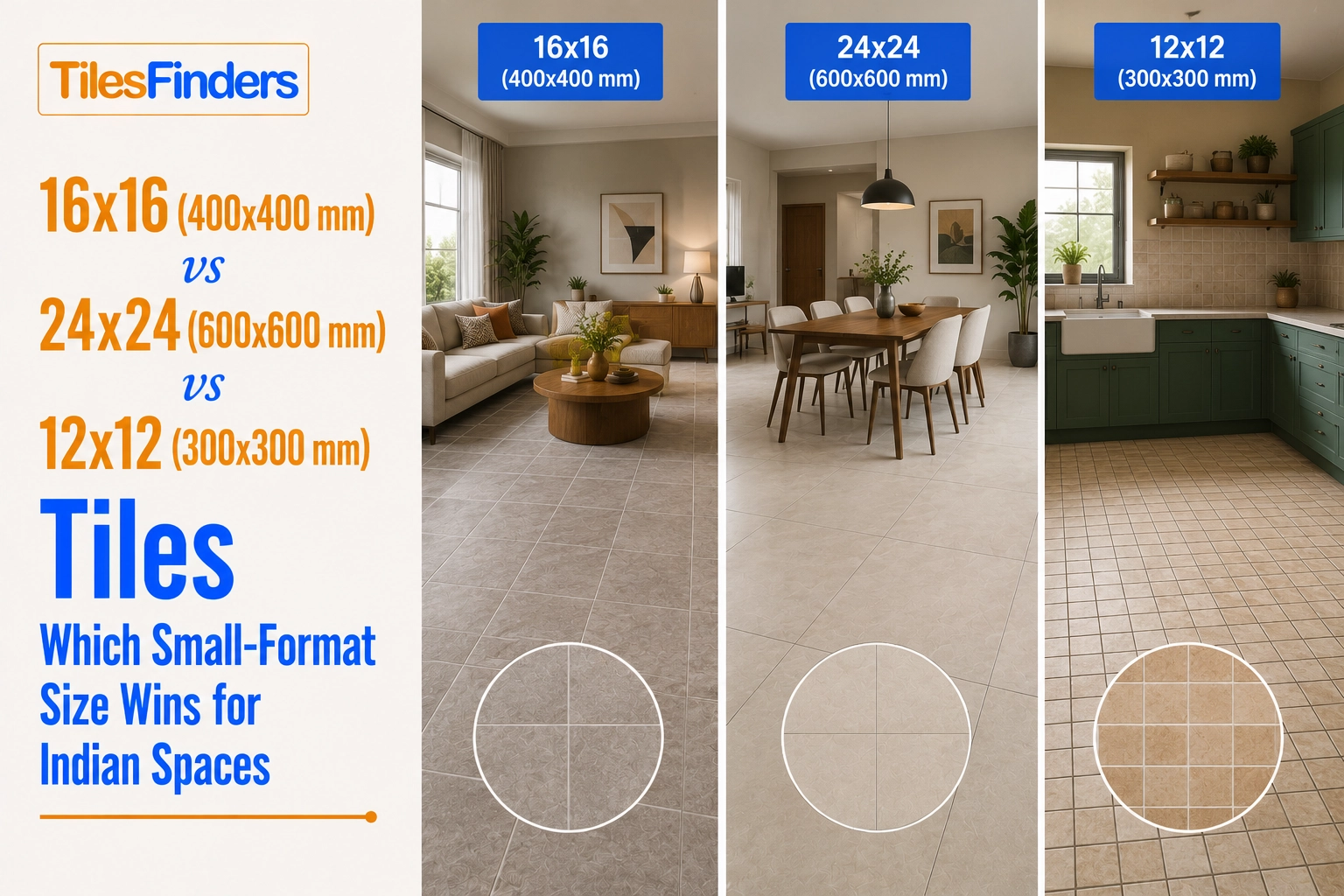
16x16 (400x400 mm) vs 24x24 (600x600 mm) vs 12x12 (300x300 mm) Tiles: Which Small-Format Size Wins for Indian Spaces
Compare 12x12, 16x16, and 24x24 tiles for Indian homes. Learn which size offers the best balance ...
Read More