Will Heavy Furniture Crack Your Floor Tiles? (The 9mm vs 12mm Thickness Reality Check)
Does heavy furniture crack tiles? Usually, it’s poor installation or sharp legs, not weight. Learn how to prevent cracks and decide if you need standard 9mm or heavy-duty 12mm tiles.
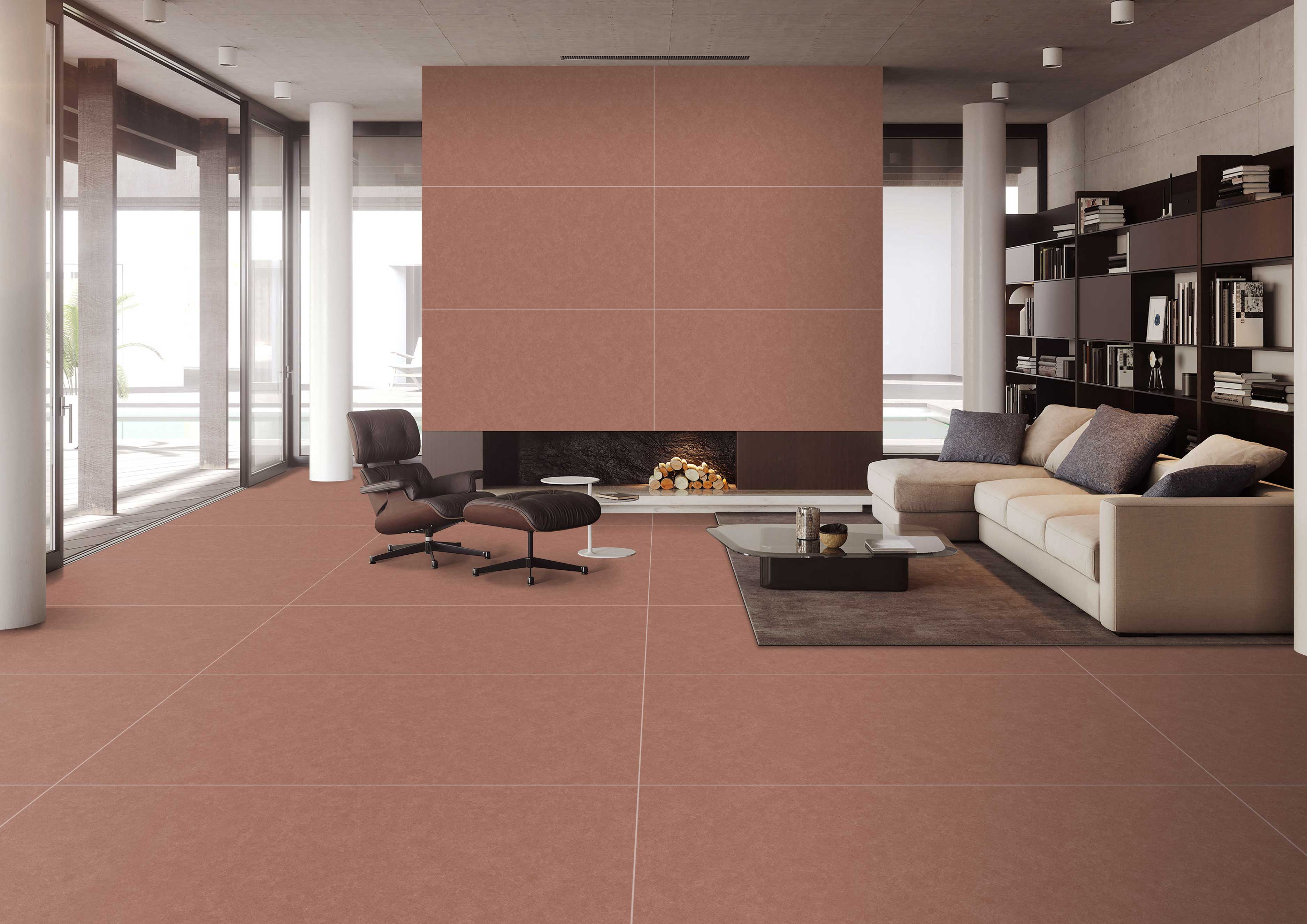
Heavy furniture usually does not crack a properly installed tile floor just by sitting on it. Most tile damage happens because of hollow spaces under the tile, dragging heavy furniture, or sharp furniture legs, creating concentrated pressure. While 9mm tiles work well for standard homes, 12mm tiles provide extra durability in heavy-use areas.
The "Point-Load" Problem: Why Your Modern Sofa Can Damage a Tile
Most people assume that only very heavy furniture can crack a tile. In reality, the total weight is often less important than how that weight is distributed.
For example, a large wooden bed frame may weigh far more than a modern sofa, but because its weight is spread across a broad base, it usually does not put too much pressure on one area.
A sofa with slim metal legs is different. Even if it weighs less overall, those narrow legs push all the weight into a few tiny contact points. This creates what is called a point load.
Point loads can become dangerous when:
- Furniture has sharp or narrow metal legs
- Heavy dining tables rest on very small feet
- Steel cupboards or gym equipment sit in one spot for years
- Someone suddenly drops onto a sofa or a bed frame
This is why a lighter piece of furniture can sometimes do more damage than a heavier one.
Easy Ways to Reduce Point Load
- Add felt pads under all furniture legs
- Use rubber protectors for metal or wooden feet
- Avoid placing raw metal directly on polished tiles
- Choose furniture with wider legs if possible
These small details can make a huge difference over time.
The Thickness Showdown: 9mm vs 12mm Tiles
Most homes use 9mm tiles because they are affordable, easy to install, and strong enough for daily use.
However, when the room is expected to handle more impact or heavier furniture, 12mm tiles become a safer choice.
| Feature | 9mm Standard Tile | 12mm Heavy-Duty Tile |
| Best Used For | Bedrooms, living rooms, and wall cladding | Kitchens, patios, gyms, and heavy furniture zones |
| Impact Resistance | Good for daily use | Better protection against dropped objects |
| Strength | Suitable for standard household use | Better for heavy furniture and slight floor movement |
| Cost | More affordable | Slightly more expensive |
| Overall Use | Standard residential flooring | Premium or heavy-duty areas |
A 9mm tile is enough for bedrooms, standard living rooms, and low-impact spaces.
A 12mm tile makes more sense in:
- Kitchens with heavy appliances
- Dining areas with solid wood furniture
- Home gyms with equipment and weights
- Outdoor patios with large planters
- Commercial spaces with frequent movement
The thicker body provides more resistance against impact and long-term wear.
The "Hollow Sound" Reality Check: Why Installation Matters More Than Thickness
Most cracked floor tiles are actually the result of poor installation.
When a tile is not supported properly underneath, it becomes weak regardless of its thickness. This usually happens when the installer uses too little adhesive or applies it unevenly.
Instead of creating a full bed of support below the tile, some installers place adhesive only in patches. This leaves empty pockets of air below the surface.
Once a heavy object is placed directly over that unsupported spot, the tile can crack.
Signs That a Tile Has Hollow Gaps Underneath
- It makes a hollow sound when tapped
- The corners feel loose
- Cracks appear without any heavy impact
- Some tiles move slightly when stepped on
Even a 12mm vitrified tile can fail if it is sitting above a hollow patch.
This is why proper installation matters far more than simply choosing a thicker tile.
How to Move Heavy Furniture Without Damaging the Floor
Most damage happens when furniture is moved, not when it sits in one place.
Dragging a heavy table, sofa, or refrigerator can scratch the glaze, damage grout joints, or even chip the tile edges.
Follow These Rules
- Never drag heavy furniture directly across the floor
- Use felt pads below chair, sofa, and table legs
- Lift furniture whenever possible instead of sliding it
- Use thin plywood sheets when moving heavy appliances
- Place thick rubber mats below treadmills and gym machines
- Avoid rolling steel cupboards or safes directly over polished floors
These precautions protect both the surface of the tile and the grout around it.
When Does Upgrading to 12mm Actually Make Sense?
Not every room needs a heavy-duty tile.
If the floor is going into a standard bedroom or a guest room, 9mm bedroom floor tiles are usually more than enough.
However, spending slightly more on a thicker tile can make sense when:
- The room includes very heavy furniture
- There is a risk of heavy objects being dropped
- The area receives higher foot traffic
- The floor may experience vibration or movement
- You want extra long-term durability
For most homeowners, the smartest approach is to use 9mm tiles in lighter-use areas and reserve 12mm tiles for kitchens, patios, gyms, and other high-impact spaces.
FAQs
A standard 9mm tile can usually handle a treadmill, but repeated vibration and impact over time can increase the risk of damage. If the treadmill is very heavy or used frequently, a 12mm tile is the safer option. A thick rubber mat underneath also helps absorb shock.
Larger tiles are not weaker, but they do need more support because of their size. A 12mm large-format tile generally handles heavy furniture better than a thinner tile, especially in living rooms, dining areas, and spaces with bulky furniture.
Not always, but it is often a smart upgrade. Kitchens see heavy appliances, dropped pans, and more impact than other rooms, so thicker tiles offer better protection.

See our tile guides first
Set TilesFinders as a preferred source and our buying guides surface ahead of the rest for you.
Add as preferred sourceTakes one tap. Nothing to install.
What Readers Say
I was about to redo my parking area with the wrong tile size until I read this. The layout comparisons saved me from a costly mistake.
We reference TilesFinders guides while briefing clients on material selection. The size and pattern breakdowns are accurate and easy to explain visually.
On site, I get asked about grout spacing all the time. This article gave me a solid reference I now share with my team before every job.
Finally a guide that doesn't just push generic advice. The oil stain removal steps actually worked on our clubhouse driveway tiles.
I run a small construction firm and now send this link to clients directly when they ask about entrance tile sizing. Saves me an hour of explaining.
Good practical detail, though I wish there were more examples for compact apartment entrances specifically, not just villas.
My mother-in-law wanted marble, I wanted vitrified. This blog gave us the neutral comparison we needed to actually decide together.
Detailed without being overwhelming. I appreciated that it covered both cost and maintenance, not just the aesthetics.
Used the algae and hard water removal tips on our terrace tiles after the monsoon. Worked better than what our regular cleaner was doing.
As someone who sources tiles for multiple builder projects, I find these comparisons genuinely useful for vendor conversations, not just consumer content.
Recommended this to a client who kept second-guessing the entrance design. The small vs large layout section settled the debate instantly.
Straightforward and honest, no unnecessary jargon. Would like to see a similar breakdown for outdoor pool-deck tiles next.
We've bookmarked several TilesFinders guides for our design handbook. Reliable source when clients want data, not just opinions.
Two paths, one marketplace.
Get free quotes from verified suppliers.
Share your room, budget, and style. Suppliers in Morbi respond within hours.
Get Free QuotesList your business, reach real buyers.
Put your showroom in front of homeowners searching for tiles right now.
List Your Business