Why Are My Tiles Out of Stock? Showroom vs Factory Inventory Explained
Why are your tiles out of stock? Understand the gap between showroom displays and factory inventory, and learn how to beat the current market shortages to find your perfect design.
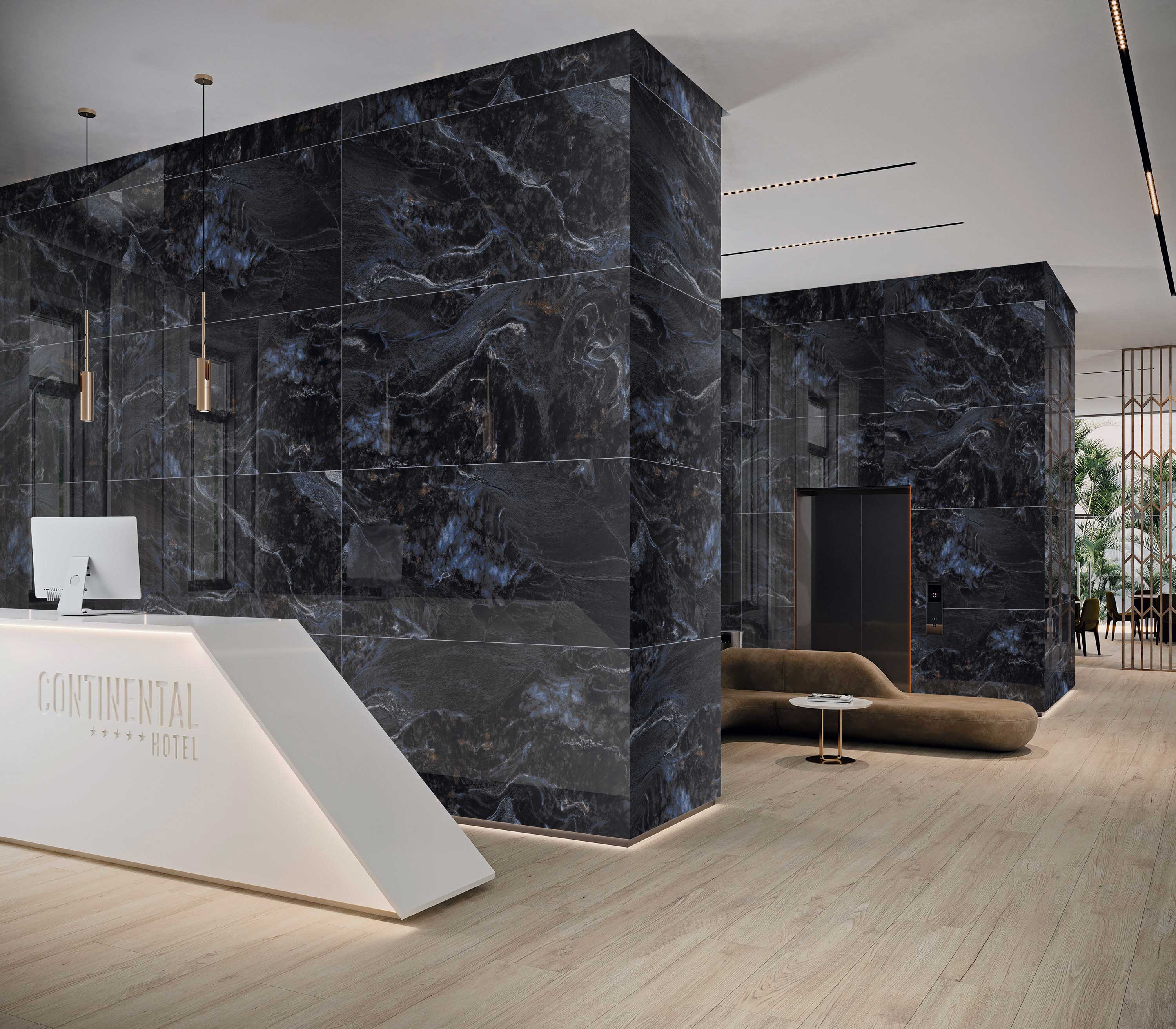
Many buyers assume that if a tile is displayed in a showroom, it is immediately available for purchase. In reality, most showrooms only keep sample pieces and limited stock. The actual inventory is usually stored at the factory or a central warehouse.
Because of this, out-of-stock tiles are a very common issue, especially for trending designs, imported collections, or fast-moving sizes.
The current market situation has made this even more noticeable. In Morbi, tile production largely slowed down after around 5th March because of the war situation and the resulting impact on gas supply, fuel costs, and transport. Many factories stopped production temporarily and only dispatched the stock they already had ready in warehouses.
Production is expected to restart from 1st May, but that does not mean every tile design will instantly become available again. Dealers usually keep only around one month of stock, so once that material is sold out, customers may still have to wait for fresh production and dispatch.
Why Are Tiles Out of Stock in Showrooms?
Tile showrooms are designed to help buyers compare finishes, colours, sizes, and textures. They are not designed to store huge quantities of every product.
A showroom usually keeps:
- Display samples for viewing
- A small backup stock of popular designs
- Limited inventory for fast-moving sizes like 600x600
- Samples for products that are available only on order
Most dealers only keep around one month of physical stock because tiles occupy a lot of warehouse space.
There are generally two categories of tile availability:
- Ready stock that is physically available in the showroom or godown
- On-order stock that is dispatched directly from the factory for larger requirements
This is why a showroom may display a tile sample even if the actual stock is not immediately available.
Difference Between Showroom Stock and Factory Inventory
There is a major difference between what a showroom has and what a factory has.
| Showroom Stock | Factory Inventory |
| Mostly display samples | Large-scale production stock |
| Limited quantity | Bulk quantity available |
| Focused on popular designs | Includes multiple collections and sizes |
| Immediate pickup possible if available | Usually requires dispatch time |
| May run out quickly | Often replenished continuously |
Showroom vs factory inventory tiles is one of the biggest misunderstandings among buyers.
A showroom may say a tile is unavailable because they do not have it physically in stock. However, the factory may still have limited quantities available for dispatch.
The opposite can also happen. A showroom may display a tile sample, but the factory may have already stopped production.
This situation becomes even more common when production slows down. During periods of low manufacturing, dealers sell from old stock first and delay ordering new stock until prices become stable again.
Common Reasons for Tile Stock Shortage
There are many reasons why tiles become unavailable.
High Demand for Trending Designs
Popular marble-look, stone-look, terrazzo, or wood-look tiles can sell out quickly.
One major issue with traditional stocking is that dealers often fill their godowns with older designs. By the time a trending design becomes widely available in the market, the demand may already have shifted.
Discontinued Tile Collections
Factories regularly stop producing older collections to make room for new launches.
This is one of the most common answers to why tiles are unavailable, especially if the design is more than a year old.
Production Delays
Factories can face delays because of machine maintenance, labour shortages, or high seasonal demand.
In the current market, tile stock problems have increased because many factories reduced production during March and April.
Raw Material and Fuel Cost Increases
Tile production depends on raw materials such as clay, feldspar, pigments, and glaze chemicals.
Because of the war situation, gas and crude oil prices increased sharply. This directly affected factory production costs, transport charges, and dispatch expenses.
Even after factories restart, prices may not stabilise immediately. Dealers are unlikely to stock large quantities until gas and transport rates settle down. This is one reason why the tile supply shortage may continue for a few more months even after production resumes.
Logistics and Transport Delays
Even if the factory has stock available, transport delays can affect delivery timelines.
Bad weather, truck shortages, fuel costs, or interstate transport delays can all contribute to tile availability issues.
How Tile Manufacturing and Distribution Works
Understanding how the tile supply chain works makes it easier to understand why delays happen.
The process usually follows these stages:
- Tiles are produced at the factory
- Finished tiles are stored in factory warehouses
- Dealers place orders based on demand
- Stock is dispatched from the warehouse to dealers
- Customers receive delivery after transport and unloading
Because there are multiple stages between production and final delivery, even available tiles may take a few days or weeks to reach the buyer.
In the current market, buyers should expect longer waiting times for special designs or large orders. In many cases, material may take around one month to arrive.
Why Dealers Are Moving Away from Heavy Stocking
The tile market is gradually moving away from the old model of keeping huge quantities in warehouses.
Traditional stocking creates several problems:
- Trending designs reach the market too slowly
- Dealers cannot keep introducing new collections because godowns are already full
- Old stock blocks cash flow
- Price fluctuations make stocking risky
Because of this, many dealers now prefer to keep display samples and smaller ready stock while dispatching larger quantities directly from factories.
This is also where digital tools are becoming important.
Many dealers now use digital catalogues, online tile marketplaces, and digital showroom platforms to show a much wider range of products without physically storing every design.
Platforms like Tilesfinders help buyers explore collections, compare tile designs, and connect with dealers without depending only on what is physically available in one showroom.
What to Do If Your Chosen Tiles Are Out of Stock
If your selected tile is unavailable, do not panic immediately. There are usually several alternatives.
- Ask for a similar design in the same colour or finish
- Check if another size is available
- Ask the dealer to verify factory stock
- Pre-book the next batch if production is ongoing
- Explore another brand with a similar design
- Check if a matte, glossy, or satin finish alternative is available
In many cases, waiting for a fresh batch may be better than selecting a completely different tile that does not match the rest of the project.
Since many buyers now begin searching for tiles early in the construction process, waiting for one month is often manageable if it means getting the right design.
How to Check Tile Availability Before Buying
The easiest way to avoid tile stock problems is to confirm availability before finalising your order.
A few simple checks can save a lot of frustration later:
- Ask the dealer how many boxes are currently available
- Confirm whether the stock is in the showroom or at the factory
- Ask if the same batch is available for the complete requirement
- Check delivery timelines before making payment
- Contact more than one dealer for comparison
Using a tile availability app or an online tile marketplace can also help. These platforms allow buyers to compare designs, check stock, and connect with multiple dealers in one place.
This is especially useful for buyers looking for large quantities, matching batches, or hard-to-find designs.
Conclusion: How Digital Platforms Are Solving Tile Availability Problems
Traditional tile buying depends heavily on what a dealer has physically stocked in their showroom or godown. That model is becoming less practical because designs change quickly, stock moves slowly, and prices fluctuate constantly. Platforms like Tilesfinders help solve this by allowing buyers to explore a much wider range of products, compare dealers, check availability, and connect directly with suppliers without depending only on one showroom’s stock.
FAQs
Not immediately. Even after production resumes from 1st May, dealers are expected to stock cautiously because gas, crude oil, and transport costs are still fluctuating due to the war situation. Fresh stock may take time to reach the market.
Dealers want to avoid blocking money in slow-moving inventory. They are increasingly depending on factory dispatches and digital catalogues instead of large godowns.
For many made-to-order or factory-dispatched products, buyers may need to wait around three to four weeks, depending on stock and transport conditions.
Digital platforms help dealers show more designs without physically storing everything. They also help buyers compare multiple options faster and check availability more easily.

See our tile guides first
Set TilesFinders as a preferred source and our buying guides surface ahead of the rest for you.
Add as preferred sourceTakes one tap. Nothing to install.
What Readers Say
I was about to redo my parking area with the wrong tile size until I read this. The layout comparisons saved me from a costly mistake.
We reference TilesFinders guides while briefing clients on material selection. The size and pattern breakdowns are accurate and easy to explain visually.
On site, I get asked about grout spacing all the time. This article gave me a solid reference I now share with my team before every job.
Finally a guide that doesn't just push generic advice. The oil stain removal steps actually worked on our clubhouse driveway tiles.
I run a small construction firm and now send this link to clients directly when they ask about entrance tile sizing. Saves me an hour of explaining.
Good practical detail, though I wish there were more examples for compact apartment entrances specifically, not just villas.
My mother-in-law wanted marble, I wanted vitrified. This blog gave us the neutral comparison we needed to actually decide together.
Detailed without being overwhelming. I appreciated that it covered both cost and maintenance, not just the aesthetics.
Used the algae and hard water removal tips on our terrace tiles after the monsoon. Worked better than what our regular cleaner was doing.
As someone who sources tiles for multiple builder projects, I find these comparisons genuinely useful for vendor conversations, not just consumer content.
Recommended this to a client who kept second-guessing the entrance design. The small vs large layout section settled the debate instantly.
Straightforward and honest, no unnecessary jargon. Would like to see a similar breakdown for outdoor pool-deck tiles next.
We've bookmarked several TilesFinders guides for our design handbook. Reliable source when clients want data, not just opinions.
Two paths, one marketplace.
Get free quotes from verified suppliers.
Share your room, budget, and style. Suppliers in Morbi respond within hours.
Get Free QuotesList your business, reach real buyers.
Put your showroom in front of homeowners searching for tiles right now.
List Your Business