Best Pooja Room Tiles in Chennai: Designs, Price and Where to Buy in 2027
Create a tranquil Chennai mandir with stain-resistant marble-look vitrified tiles, Vastu-friendly white tones, and non-slip matte floors built to endure daily rituals.

- Why the Pooja Room Deserves Its Own Tile Plan
- Types of Tiles Suited for a Pooja Room
- Best Pooja Room Tile Designs for Chennai Homes in 2027
- Vastu-Friendly Colours and Placement Tips
- Pooja Room Tiles Price in Chennai 2027
- How to Choose the Right Tile for Your Pooja Room
- Common Mistakes to Avoid
- Where to Buy Pooja Room Tiles in Chennai
- Bringing Your Pooja Room Together
Chennai pooja rooms need stain resistance to endure daily oil, soot, and turmeric exposure. Vastu-aligned white or cream marble-look vitrified tiles (₹60–₹150/sq.ft) outshine porous natural marble in maintenance. Always choose anti-skid matte finishes for floors near active diyas, reserving glossy or decorative motif tiles for backdrop walls.
Why the Pooja Room Deserves Its Own Tile Plan
The pooja room is one of the few spaces in a Chennai home that is not judged by trend cycles. It needs to feel calm, stay easy to clean, and hold up against oil lamp soot, turmeric stains, and daily incense smoke.
Ordinary living room or bedroom tiles are not built for this kind of use. A pooja space needs a floor and wall finish that resists staining, does not turn slippery near the diya, and still looks right for years without a fresh coat of anything.
This guide covers the tile types and designs that work best for Chennai pooja rooms in 2027, current pricing per sq.ft., Vastu-friendly colour choices, and where to find a reliable dealer.
Types of Tiles Suited for a Pooja Room
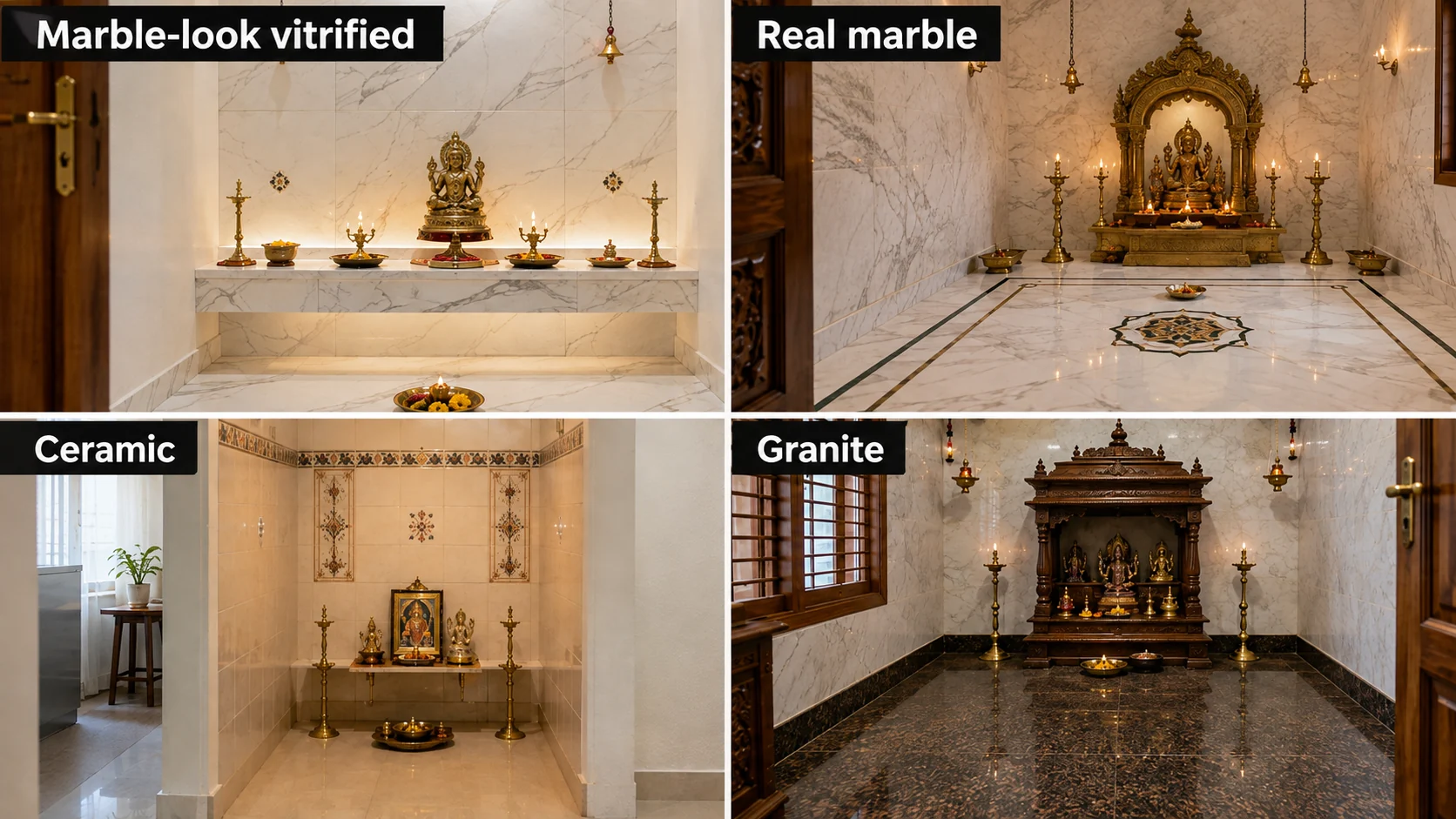
Four material categories dominate pooja room choices in Chennai homes, each with a different balance of look, cost, and upkeep.
Marble Look Vitrified Tiles
Marble look vitrified tiles replicate the veining and soft glow of real marble without the porosity that makes natural marble stain so easily. For a pooja room where turmeric, oil, and incense ash are a daily reality, this is usually the safer long-term choice.
Best suited for: buyers who want the marble look with lower maintenance.
Real Marble
Real marble remains a favourite for pooja rooms because of its natural coolness underfoot and traditional appeal. It is porous, though, and needs regular sealing to resist oil and turmeric stains that build up around the altar over time.
Best suited for: buyers prioritising authenticity over low maintenance, willing to reseal periodically.
Ceramic Tiles
Ceramic tiles work well for pooja room walls and smaller floor areas. They come in a wide range of pastel and traditional colours, are easy to wipe clean, and cost noticeably less than marble or marble-look vitrified options.
Best suited for: budget-conscious buyers, accent walls behind the idol.
Granite
Granite brings natural strength and a wide colour range, and pairs well with traditional South Indian pooja room styles when combined with a lighter floor tone. Many Chennai homes use granite for the floor and a softer marble-look tile for the wall behind the mandir.
Best suited for: traditional South Indian pooja rooms, combination flooring with Athangudi or granite accents.
Best Pooja Room Tile Designs for Chennai Homes in 2027
Design choices for 2027 lean towards calm, light-reflecting finishes that keep the space feeling open even in compact apartment pooja niches.
- Soft white and beige marble look tiles: the most requested design for both floor and backdrop wall, since light tones reflect diya light well.
- Om, swastik, and lotus motif tiles: used as a border or accent panel behind the idol rather than across the full wall.
- Athangudi-inspired patterned tiles: a popular choice in Chennai and across Tamil Nadu for homes wanting a traditional South Indian character wall.
- Textured stone or sandstone finish tiles: give a temple-like, grounded feel and work well for larger pooja rooms or dedicated pooja corners.
- Gold-accented or soft yellow border tiles: used sparingly as a trim around the mandap for a festive, traditional touch.
Glossy or satin marble look tiles are commonly used on pooja room walls, since oil and ash wipe off cleanly and the surface reflects light well. Floors, however, should stay in a matte or anti-skid finish rather than gloss, since a wet or oily floor near the diya carries a real slip risk.
From The Marketplace
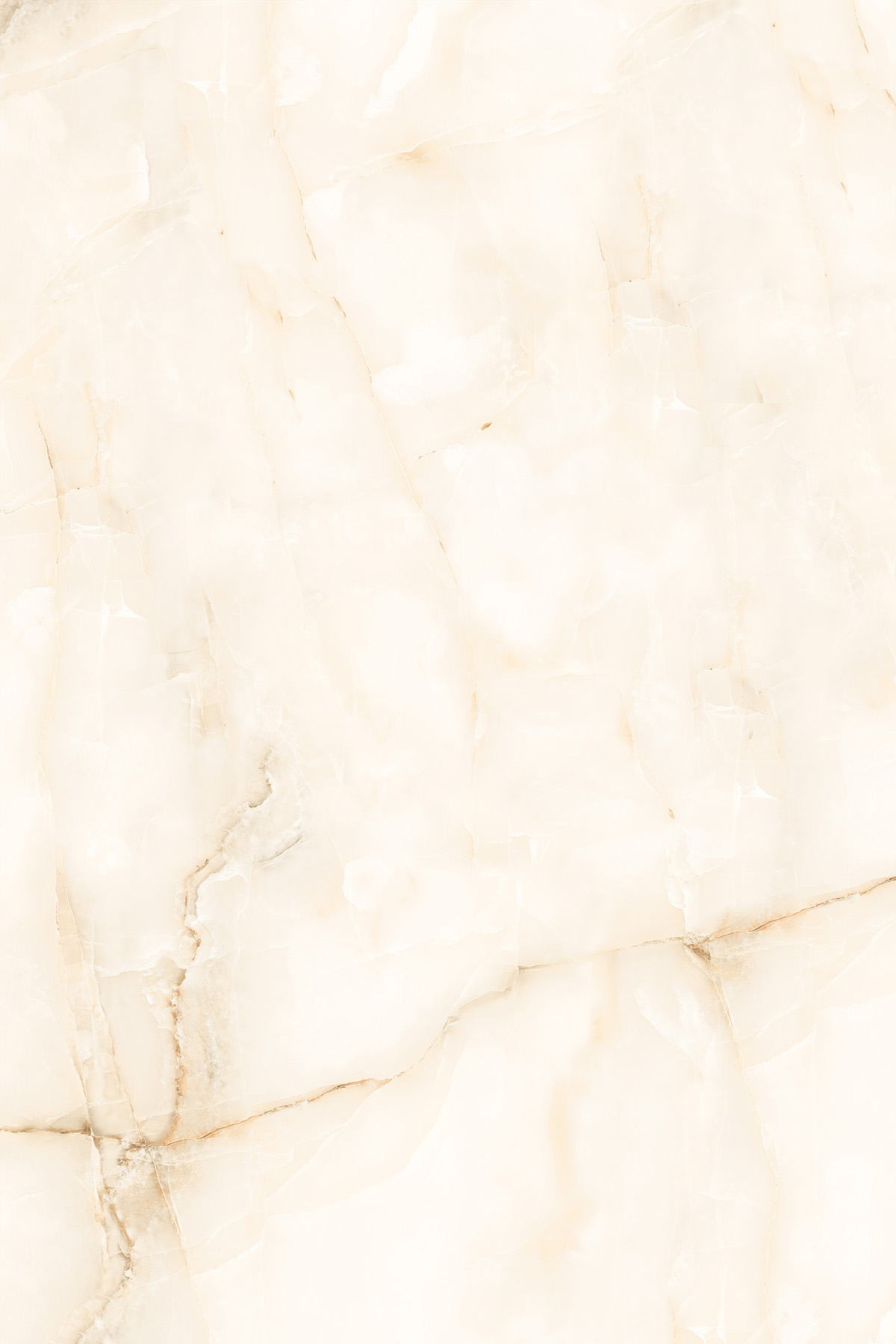
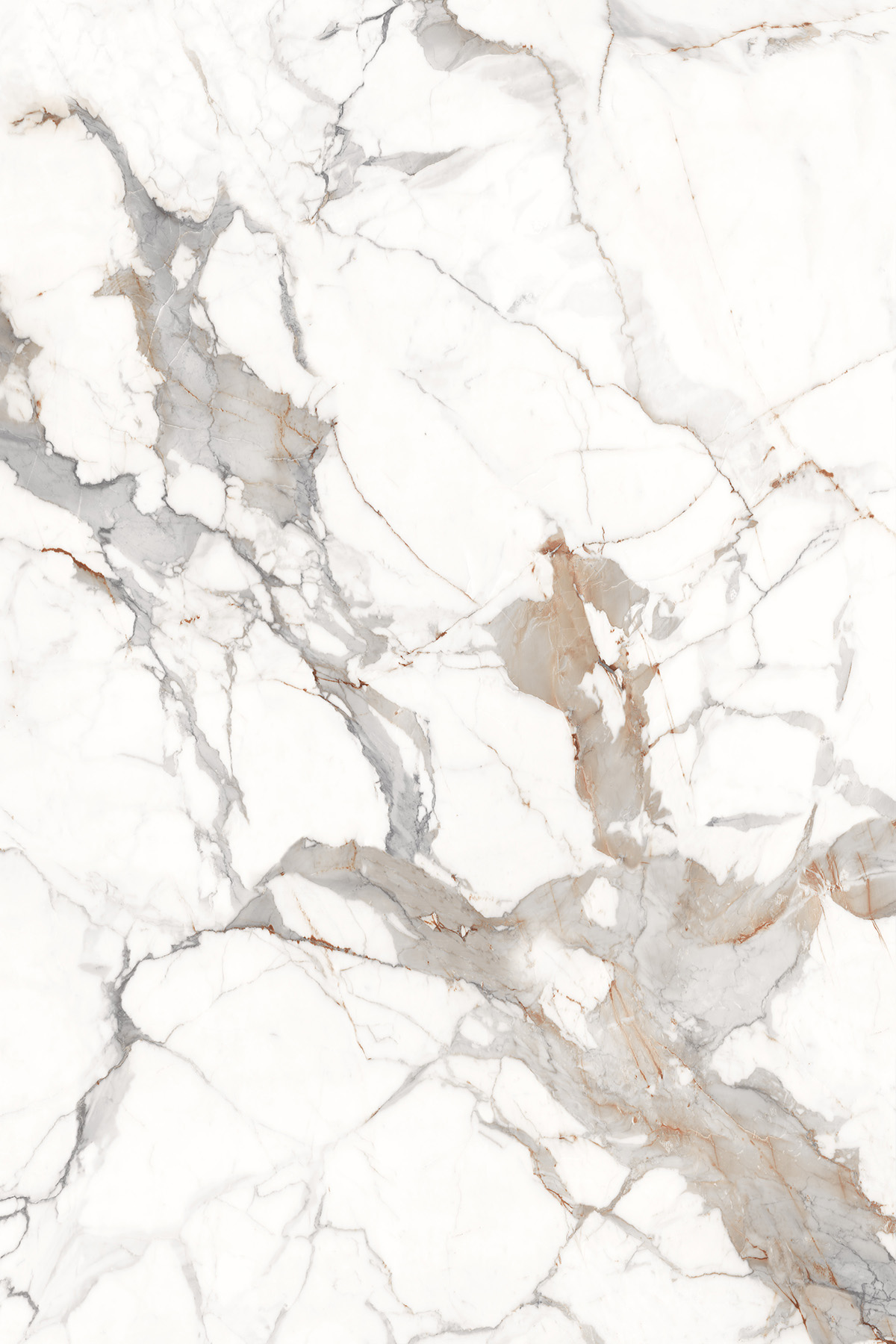
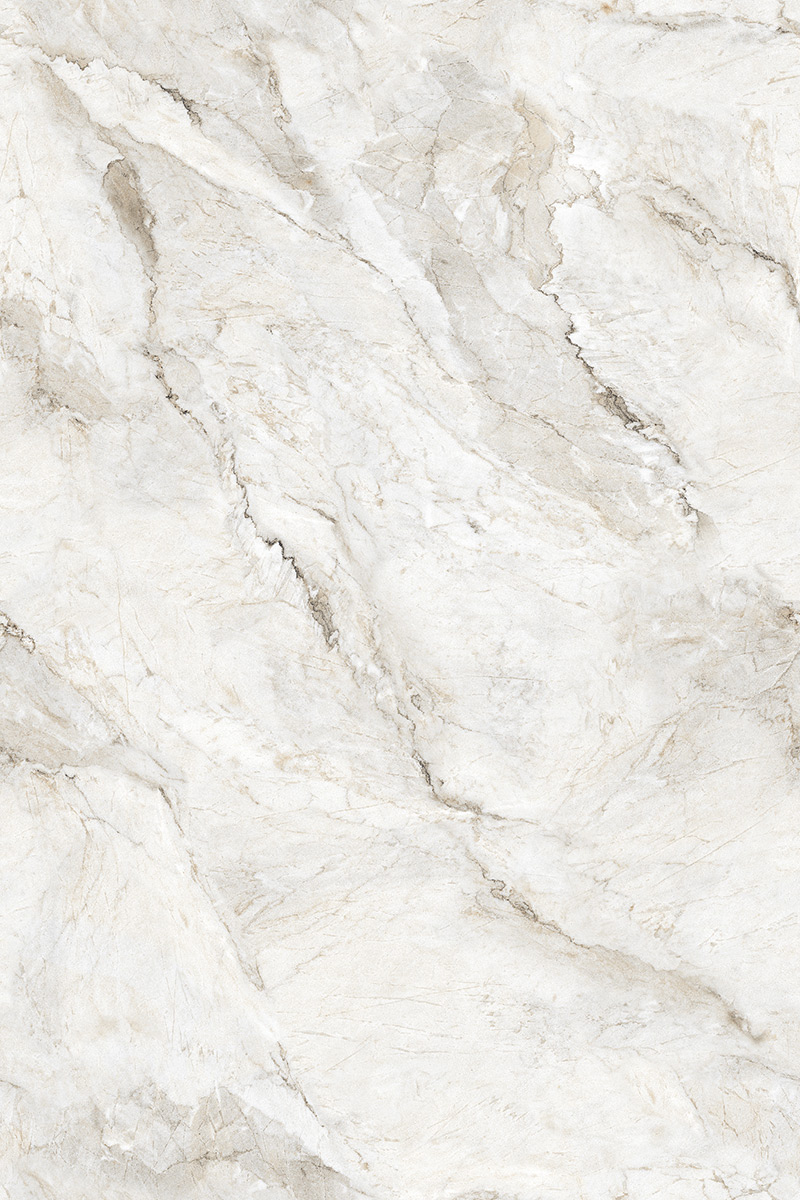
Popular tiles right now






Vastu-Friendly Colours and Placement Tips
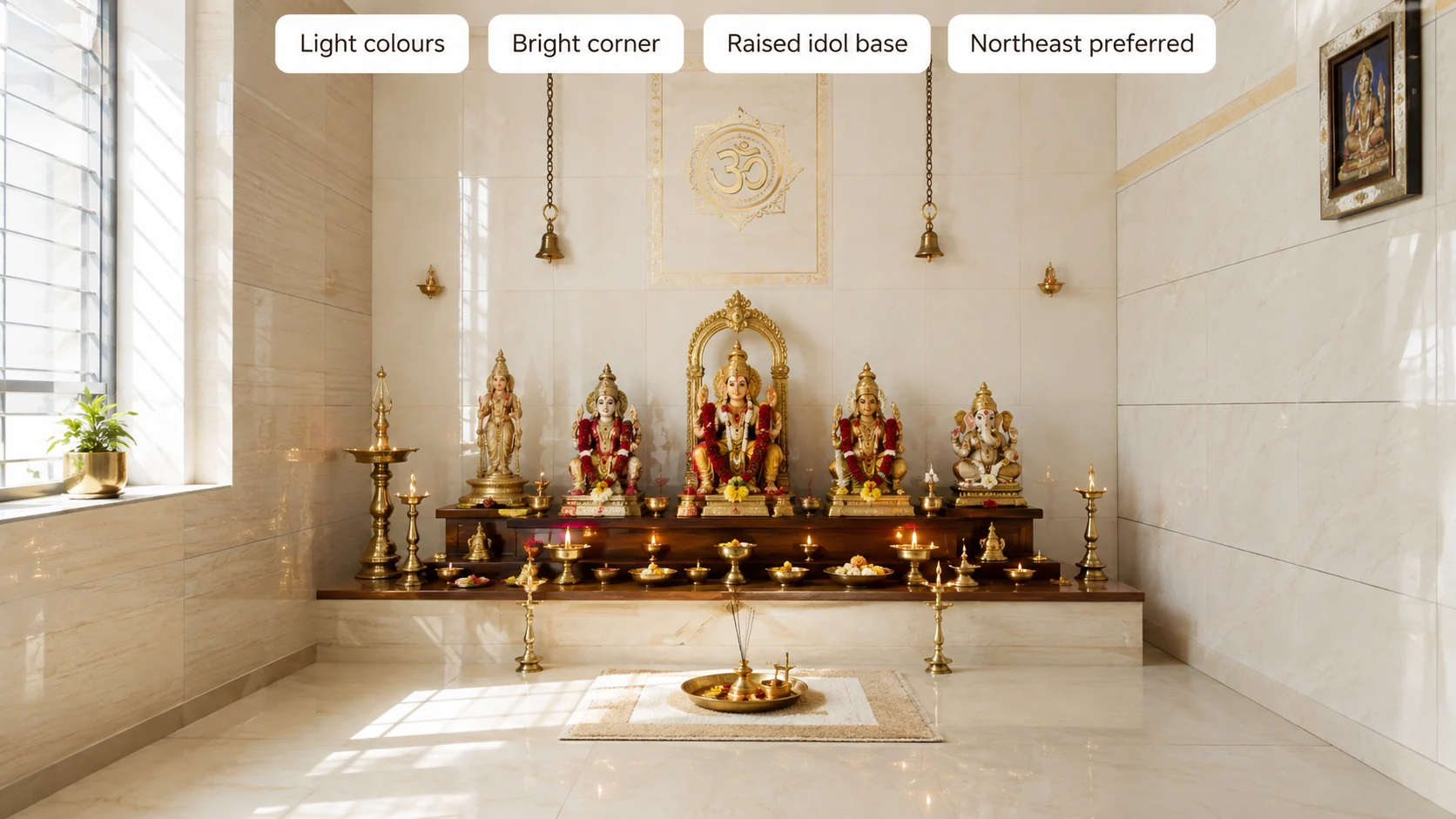
Vastu guidance for pooja rooms is widely followed in Chennai homes, and tile colour plays a part in this even though it is a personal choice rather than a fixed rule.
- White, cream, ivory, and soft beige are the most commonly preferred tile colours, associated with peace and purity.
- The northeast corner of the home is considered the most favourable location for the pooja room in most Vastu traditions.
- Idols are generally placed on a raised base of marble, stone, or wood rather than directly on the floor tile.
- Light, reflective tile tones are preferred over dark shades, since they help the space feel brighter and more open.
Since Vastu interpretations vary by family and region, it is worth treating these as general guidance rather than a fixed checklist, and choosing what feels right for your household.
Pooja Room Tiles Price in Chennai 2027
Pooja room tile pricing depends heavily on material choice. The table below gives a realistic 2027 range for material cost alone, before installation.
| Tile Type | Price Range (Rs. per sq.ft.) | Notes |
| Ceramic tiles | Rs. 35 to Rs. 80 | Good for walls and accent areas |
| Marble look vitrified | Rs. 60 to Rs. 150 | Most popular choice for floor and wall |
| Indian marble (Makrana, Ambaji) | Rs. 120 to Rs. 230 | Needs periodic sealing |
| Imported marble (Italian, Turkish) | Rs. 280 to Rs. 600+ | Premium option, higher maintenance |
| Granite | Rs. 60 to Rs. 200 | Varies by grade and finish |
Installation adds Rs. 25 to Rs. 50 per sq.ft. for vitrified or ceramic tiles, and Rs. 35 to Rs. 80 per sq.ft. for natural marble, since marble needs cutting and polishing on site. Intricate borders, inlays, or custom motif work around the mandap can push labour costs higher, so always ask for a separate quote if you are planning a detailed design.
Since most pooja rooms are compact, always order at least 10% extra material to cover cutting and wastage around corners and the mandap base.
How to Choose the Right Tile for Your Pooja Room
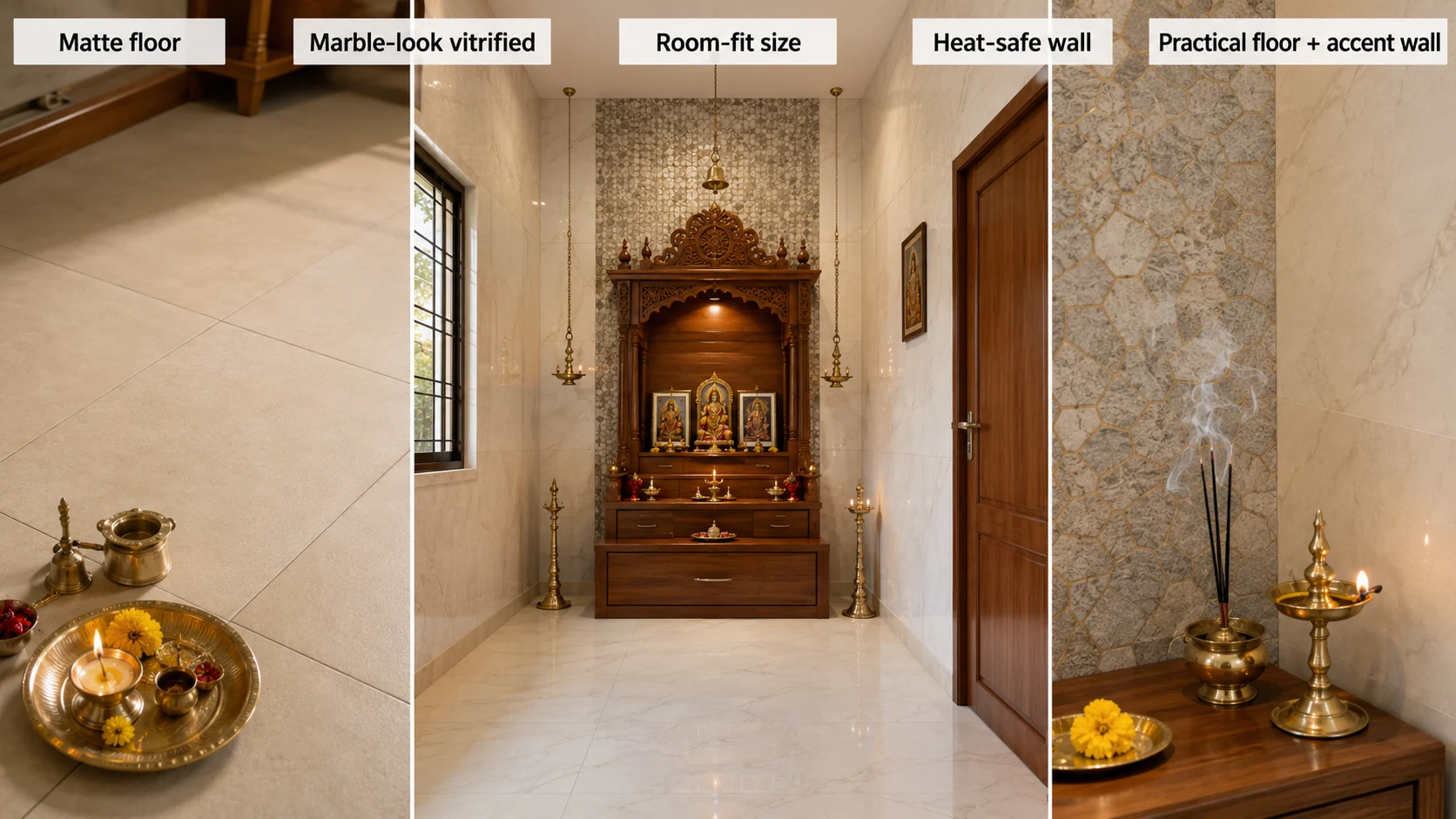
- Pick a matte or anti-skid finish for the floor, since bare feet and spilled water near the diya both raise slip risk on a glossy surface.
- Choose marble-look vitrified over real marble if the household regularly uses turmeric, kumkum, or oil during rituals, since these stain porous marble quickly.
- Go for a size that suits the room; larger formats such as 2x4 feet reduce grout lines in a compact niche, while 1x1 or 2x2 feet tiles fit better in rooms with more corners.
- Check that wall tiles are rated fire and heat-resistant if they sit close to the diya or agarbatti stand.
- If combining tile types, keep the floor practical (vitrified or granite) and reserve marble or patterned accent tiles for the backdrop wall alone.
Common Mistakes to Avoid
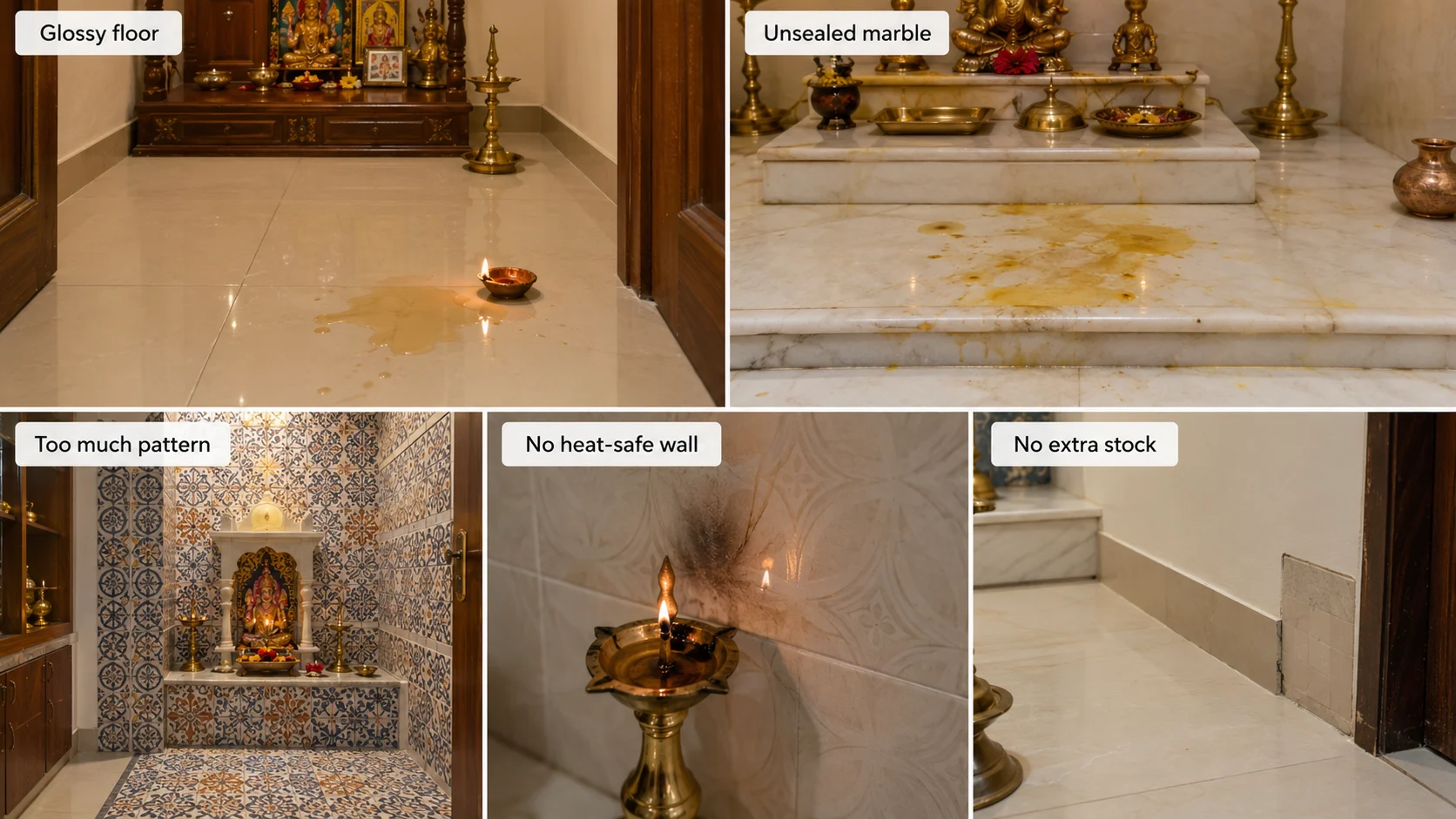
A few recurring mistakes show up in pooja room tiling projects across Chennai homes.
- Using glossy floor tiles that look elegant in the showroom but turn slippery once water or oil is spilled near the altar.
- Choosing real marble without budgeting for periodic sealing, then finding it stained within a year of daily turmeric and oil use.
- Covering the entire pooja room in a heavy motif pattern instead of using it as an accent, which can make a small space feel cluttered.
- Ignoring heat resistance for wall tiles placed directly behind a permanent diya or lamp fixture.
- Skipping the wastage allowance and running short mid-installation, especially with imported marble batches that are hard to rematch.
Where to Buy Pooja Room Tiles in Chennai
Chennai has a strong base of tile dealers stocking marble-look vitrified ranges, ceramic accent tiles, and granite, spread across areas like Kolathur, Anna Nagar, and the wider Tamil Nadu supplier network. Pricing for a similar design can vary a fair amount between dealers depending on their sourcing.
Most marble-look vitrified and glazed tiles sold in Chennai are dispatched from Morbi in Gujarat, which remains India's largest ceramic tile manufacturing hub. Buying through a dealer with strong direct sourcing from Morbi typically works out cheaper than picking up small quantities from a single retail showroom.
TilesFinders is a tile discovery and dealer directory that makes this comparison easier. On TilesFinders, Chennai buyers can browse pooja room tile designs, check indicative pricing across marble look, ceramic, and granite categories, and connect with verified dealers on a quote basis before committing to an order.
Before finalising a dealer, ask for a sample piece to check the finish under both daytime light and diya light, confirm whether the floor tile is matte or anti-skid rated, and get written confirmation on GST-inclusive pricing.
Bringing Your Pooja Room Together
A pooja room that stays beautiful for years comes down to picking a floor finish that handles daily ritual use, a wall design that reflects the calm you want in the space, and a dealer who can back up their pricing with the right specifications.
If you are comparing pooja room tile options for a Chennai home, you can browse designs, indicative pricing, and dealer listings on TilesFinders to shortlist a supplier that fits your budget and design preference.
FAQs
Marble-look vitrified tiles in a matte or anti-skid finish work best for most Chennai pooja room floors, since they combine the marble appearance with much lower staining and maintenance than real marble.
White, cream, ivory, and soft beige are the most commonly preferred colours, associated with peace and purity, though colour choice ultimately comes down to personal and family preference.
Ceramic tiles start around Rs. 35 per sq.ft., marble-look vitrified ranges from Rs. 60 to Rs. 150 per sq.ft., and natural marble runs from Rs. 120 per sq.ft. for Indian marble to Rs. 600 or more for imported varieties.
Marble-look vitrified tiles are generally the more practical choice for a pooja room, since real marble is porous and absorbs oil, turmeric, and kumkum stains far more easily.
A matte or anti-skid finish is safer for pooja room floors. Glossy tiles look attractive but become slippery once water, oil, or flower offerings are spilled near the altar.
You can, but many Chennai homes prefer a practical matte tile for the floor and reserve a glossier marble look or motif tile for the backdrop wall alone, since walls do not carry the same slip risk.


See our tile guides first
Set TilesFinders as a preferred source and our buying guides surface ahead of the rest for you.
Add as preferred sourceTakes one tap. Nothing to install.
What Readers Say
I was about to redo my parking area with the wrong tile size until I read this. The layout comparisons saved me from a costly mistake.
We reference TilesFinders guides while briefing clients on material selection. The size and pattern breakdowns are accurate and easy to explain visually.
On site, I get asked about grout spacing all the time. This article gave me a solid reference I now share with my team before every job.
Finally a guide that doesn't just push generic advice. The oil stain removal steps actually worked on our clubhouse driveway tiles.
I run a small construction firm and now send this link to clients directly when they ask about entrance tile sizing. Saves me an hour of explaining.
Good practical detail, though I wish there were more examples for compact apartment entrances specifically, not just villas.
My mother-in-law wanted marble, I wanted vitrified. This blog gave us the neutral comparison we needed to actually decide together.
Detailed without being overwhelming. I appreciated that it covered both cost and maintenance, not just the aesthetics.
Used the algae and hard water removal tips on our terrace tiles after the monsoon. Worked better than what our regular cleaner was doing.
As someone who sources tiles for multiple builder projects, I find these comparisons genuinely useful for vendor conversations, not just consumer content.
Recommended this to a client who kept second-guessing the entrance design. The small vs large layout section settled the debate instantly.
Straightforward and honest, no unnecessary jargon. Would like to see a similar breakdown for outdoor pool-deck tiles next.
We've bookmarked several TilesFinders guides for our design handbook. Reliable source when clients want data, not just opinions.
Two paths, one marketplace.
Get free quotes from verified suppliers.
Share your room, budget, and style. Suppliers in Morbi respond within hours.
Get Free QuotesList your business, reach real buyers.
Put your showroom in front of homeowners searching for tiles right now.
List Your BusinessMore Blogs
See all
Pooja Room Wall Tiles: Vastu-Compliant Design Ideas
Pooja room wall tiles with Vastu-friendly colours, marble looks, glossy finishes, and mandir wall...
Read More
Marble Tiles for Pooja Room: Why Devotees Prefer Them
Natural stone or marble-look vitrified? Discover why Indian families prefer marble for pooja room...
Read More
Golden Tile Design Ideas: 20+ Luxurious Looks for Indian Living Rooms and Pooja Rooms
Explore 20+ golden tile ideas for Indian living rooms and pooja rooms with luxury designs, Vastu-...
Read More