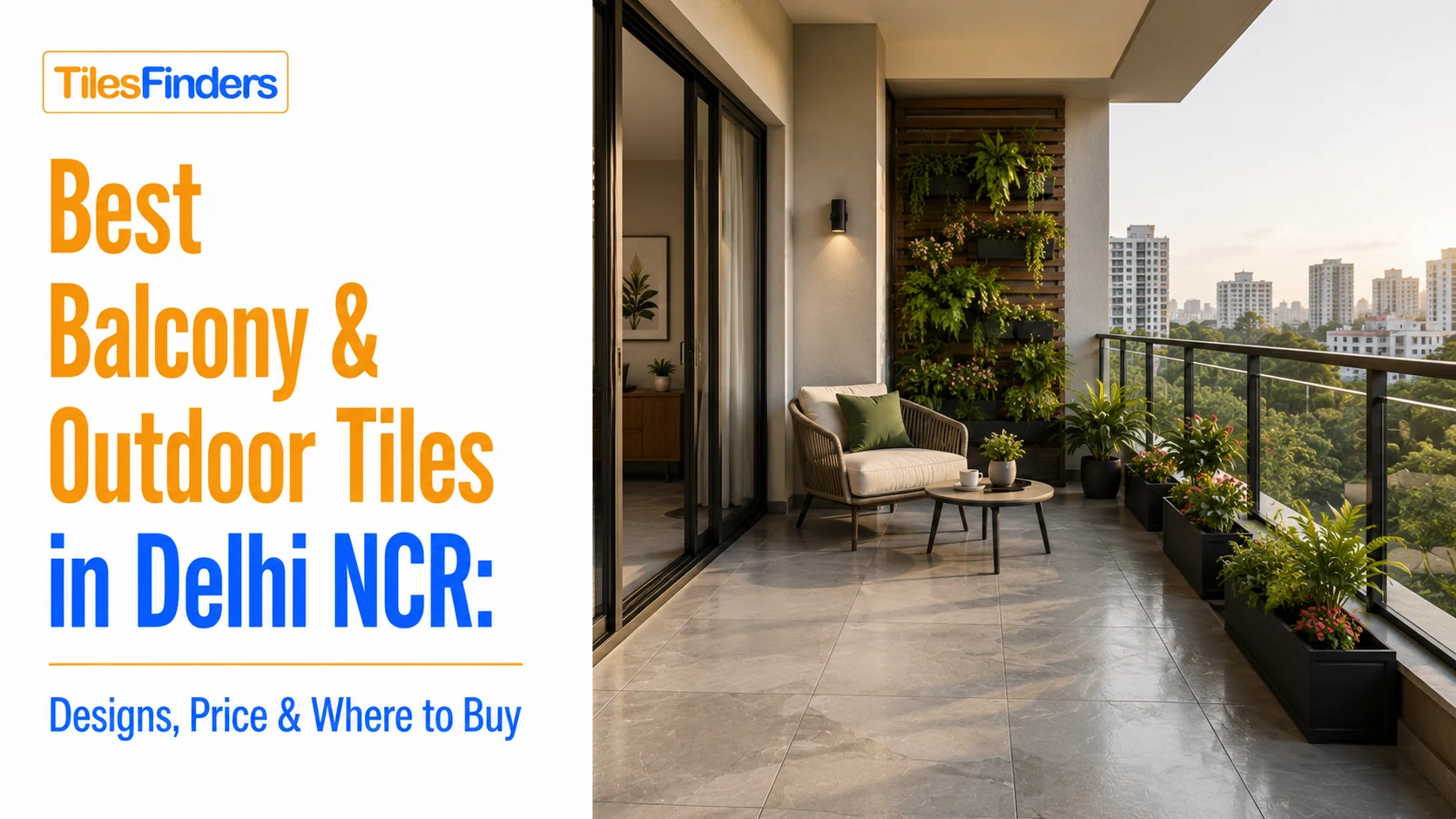
Best Balcony and Outdoor Tiles in Delhi NCR: Designs, Price and Where to Buy in 2027
A 2027 guide to balcony & outdoor tiles in Delhi NCR. Discover weather-proof vitrified designs that survive winter frost & 47°C heat, local prices (₹25–₹250/sq ft), and where to buy.
- A Year on a Delhi NCR Balcony
- The Tile Built to Survive All Four Seasons
- Why Expansion Joints Matter More Here Than Elsewhere
- Balcony Designs Trending in Delhi NCR for 2027
- What It Costs in 2027
- Where Delhi NCR Buyers Source This
- Planters, Drying Lines, and Everyday Balcony Use
- Explore Balcony and Outdoor Tile Options
A Delhi NCR balcony tile lives through frost, scorching summer heat, a short monsoon, and heavy dust in one year, so a dense, low absorption vitrified tile with strong grip is the safer 2027 pick, roughly Rs. 40 to Rs. 250 per sq ft.
A balcony tile in Mumbai deals mainly with monsoon rain. One in Chennai deals with cyclone season and salt air. A Delhi NCR balcony tile has a harder job than either, because it has to survive a January morning where Gurugram and Faridabad have recorded ground frost and near-zero temperatures, and then, a few months later, a May afternoon pushing past 45 degrees with the tile surface hot enough to be uncomfortable underfoot. No other city in this series puts a tile through that much range in a single year, and that swing, more than any single season, is what should drive the choice.
A Year on a Delhi NCR Balcony
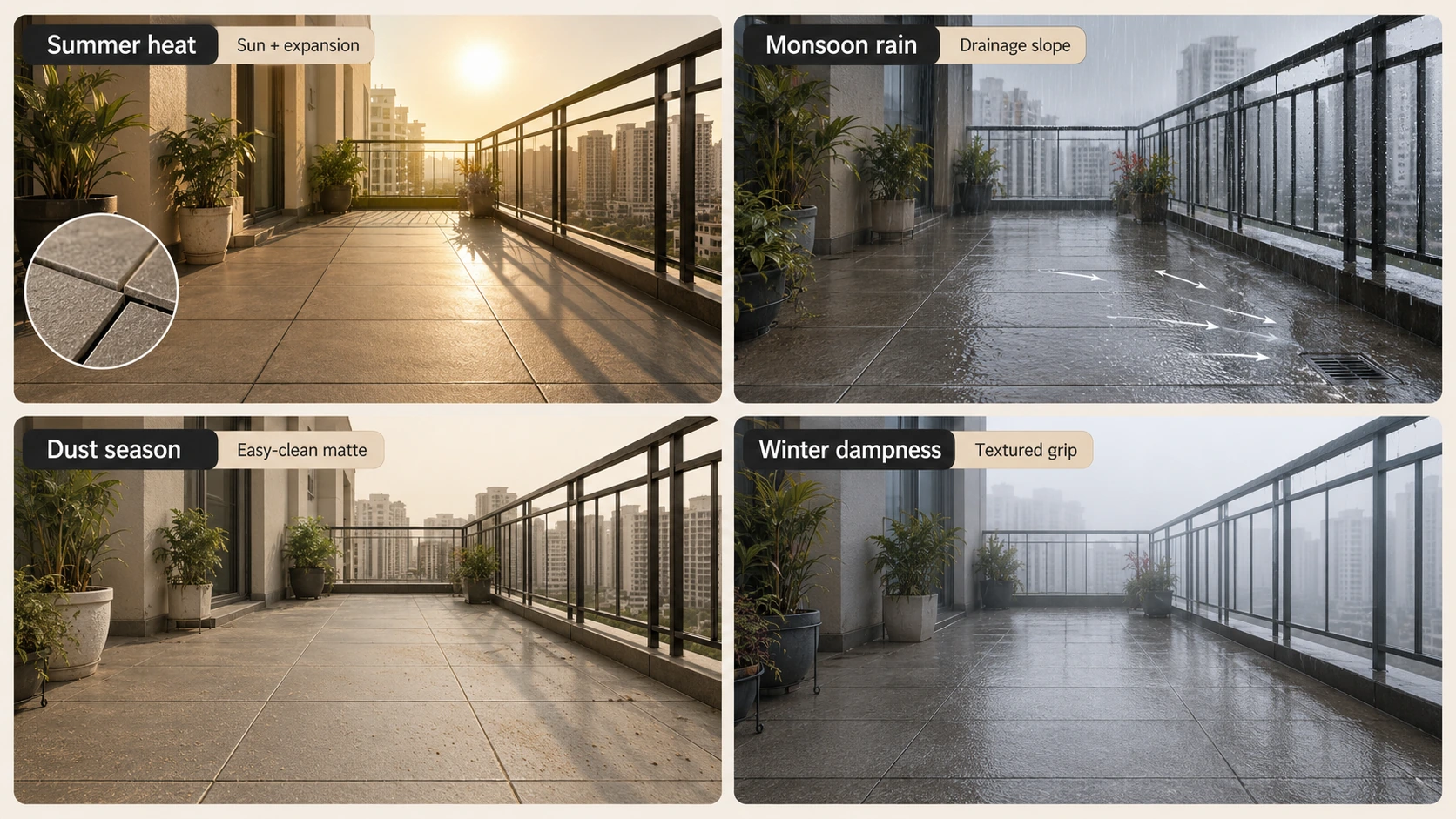
Rather than starting with a list of tile categories, it helps to walk through what an outdoor surface in Delhi NCR actually goes through across twelve months, since the requirements build up season by season rather than from one single threat the way they do in a coastal city.
This matters more than it might seem, because a tile that performs perfectly well in a showroom test or even through one mild season can still fail once it has been through a full Delhi NCR year. A tile bought in October, when the weather is pleasant and the dust has not yet peaked, can look like the right choice at the time of purchase and only reveal its weaknesses the following May, once real heat sets in, or the winter after that, once the joints have gone through their first full contraction cycle. Thinking in terms of the full calendar rather than the season you happen to be renovating in is the single biggest difference between a balcony that still looks good in three years and one that needs redoing.
Summer, Mid March to June
This is the harshest stretch. Daytime highs regularly cross 40 degrees and touch 45 to 47 in May and June, with direct sun beating down on an open balcony or terrace for most of the day. Under this kind of heat, a tile expands, and a poor quality or overly large tile laid without adequate expansion joints can develop hairline cracks or lift slightly at the edges by the time the season ends. Dark tiles absorb more heat and can become genuinely uncomfortable to stand on barefoot during peak afternoon hours, which is worth factoring in for any balcony that gets used through the day rather than only in the evening.
Heat also affects the adhesive bed underneath the tile, not just the tile surface itself. Cheaper cement based adhesives lose some flexibility as they age, and repeated summer expansion can gradually weaken the bond at tile edges over several years, which is one reason contractors experienced with Delhi NCR terraces increasingly recommend a polymer modified exterior grade adhesive even for straightforward balcony jobs, rather than the standard mix often used for indoor flooring. The extra cost at installation is small compared to the cost of re-laying a section that has come loose after two or three summers.
Monsoon, July to September
Delhi NCR's monsoon is shorter and less intense than what Mumbai or Chennai see, generally delivering rain in bursts rather than sustained weeks of downpour, but an open balcony still needs proper drainage slope and a tile with low water absorption to avoid staining or slow drying between showers. Because the wet season here is compressed into a few months rather than spread out, standing water after a heavy burst can sit on a poorly sloped surface for longer than expected before the next dry, sunny stretch arrives to clear it.
The short, intense nature of Delhi NCR's monsoon bursts also means drainage outlets take a sudden load rather than a steady one, and a balcony drain that copes fine with light, steady rain elsewhere in the country can back up during a heavy Delhi cloudburst if it was undersized or poorly placed to begin with. It is worth checking that the balcony floor slopes consistently toward the drain across its full width, not just near the outlet itself, since an uneven slope is one of the more common reasons water pools in one corner of an otherwise well tiled balcony after a hard monsoon downpour.
Post Monsoon and Dust, October to November
This stretch brings Delhi NCR's most talked about seasonal problem, a sharp rise in dust and smog levels driven by a mix of construction activity, vehicle emissions, and crop residue burning in neighbouring states. An outdoor tile surface collects this dust visibly, and light coloured or highly textured tiles show it faster than a mid tone matte surface does, which is one practical reason many Delhi NCR homeowners lean toward greys and warm neutrals for balconies rather than stark white. This is also the season when a tile that can be hosed down and wiped clean easily, rather than one with deep grooves that trap fine dust, earns its keep.
Grout colour matters just as much here as tile colour, since fine particulate dust settles into grout lines and darkens white or light grout noticeably faster during this stretch than during the rest of the year. A mid grey or beige grout, rather than pure white, tends to hide this seasonal buildup far longer between cleanings, which matters on a balcony that might only get a thorough scrub once every few weeks rather than daily attention the way an indoor floor typically gets.
Winter, December to February
Delhi NCR's winter is colder than any other city covered in this series, with January mornings commonly falling into single digits and outlying areas of Gurugram and Faridabad occasionally recording ground frost close to freezing. Dense fog through December and January keeps surfaces damp and cool well into the late morning on many days. This is the opposite thermal stress from summer, the tile and its adhesive contract rather than expand, and the same expansion joints that protect against summer heat also give the surface room to move safely through this colder end of the cycle.
Morning dew and lingering fog dampness can also make a balcony floor slightly slippery in the earliest hours of a winter day, even without any rain having fallen, which is another reason a genuinely matte, textured surface is worth prioritising over anything glossy or highly polished for a Delhi NCR balcony. Households that use their balcony for an early morning routine, tea, a short walk, tending plants, tend to notice this seasonal slipperiness more than anyone stepping out only in the afternoon sun.
From The Marketplace
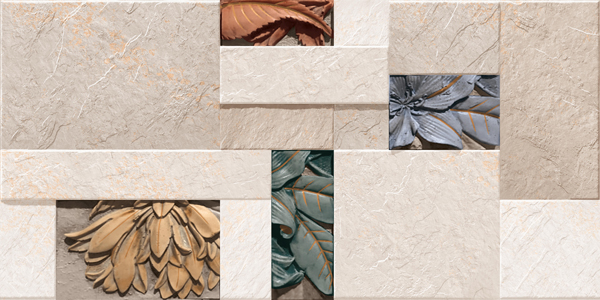
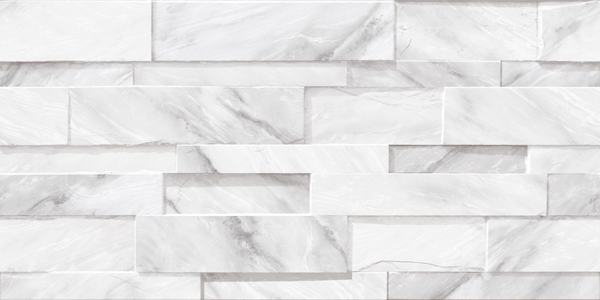
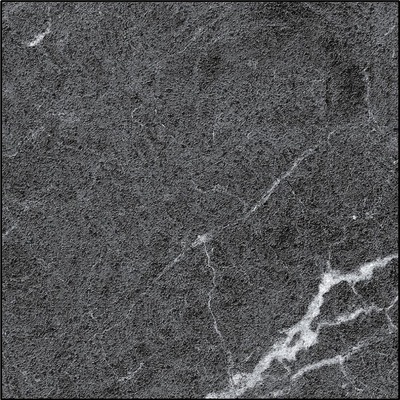
Popular tiles right now




The Tile Built to Survive All Four Seasons
Put the seasonal picture together, and the requirement becomes clear: a tile with very low water absorption to handle both monsoon bursts and winter dampness, enough breaking strength and properly placed expansion joints to handle the summer-to-winter temperature swing without cracking, and a matte or textured anti skid surface for grip during the wetter months. Full body vitrified tiles and GVT High Depth ranges, both falling under IS 15622's lowest water absorption group at or below 0.5 percent, meet this brief most consistently. A slip resistance rating of R10 for a covered balcony and R11 for a fully open terrace or balcony gives the grip needed once the surface gets wet, whether from monsoon rain or winter fog condensation.
It is worth resisting the temptation to pick a tile based only on how it performs in the season the renovation happens to take place in. A tile bought in the middle of a pleasant October, when dust has not yet peaked and the coming winter feels distant, needs to be judged against the coming May's heat and the following January's cold just as much as against how it looks on the day of purchase. Asking a dealer directly for the tile's water absorption group and breaking strength figures, rather than relying on how upscale the range looks in a catalogue, is the more dependable way to judge whether a tile is genuinely built for Delhi NCR's full year rather than just one comfortable season of it.
Why Expansion Joints Matter More Here Than Elsewhere
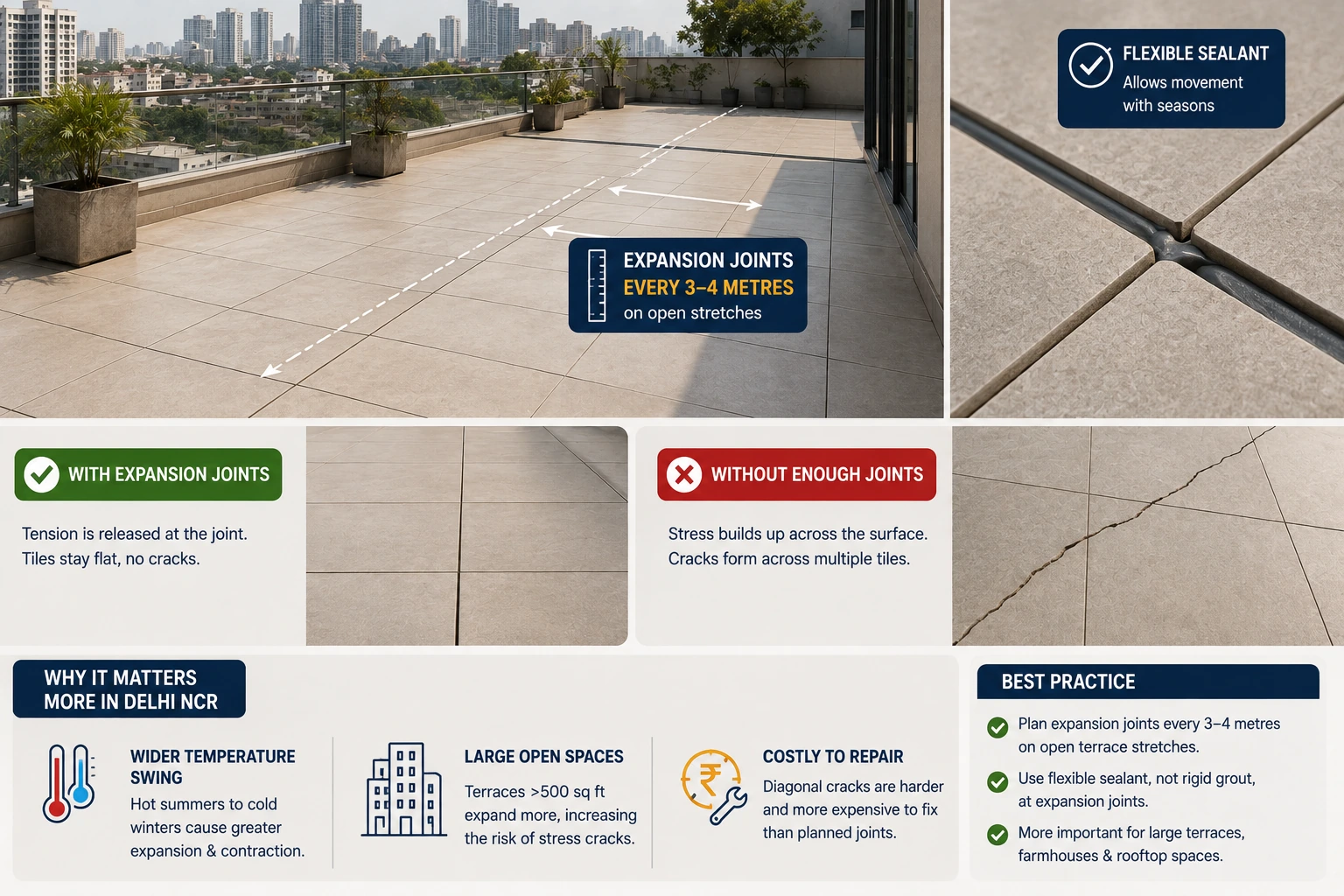
Expansion joints come up in outdoor tiling everywhere, but Delhi NCR is where skipping them tends to show up fastest, simply because the temperature swing driving expansion and contraction is wider here than in Mumbai, Chennai, or Bangalore. A joint left out on a long, unbroken terrace stretch might survive a mild year, but across the kind of summer to winter range Delhi NCR sees annually, that same stretch is far more likely to develop cracking at a weak point within a couple of years. Contractors experienced with Delhi NCR terraces generally place expansion joints every 3 to 4 metres on open stretches and use a flexible sealant rather than rigid grout at those joints specifically, so the gap can open and close slightly with the seasons without the tile itself taking the strain.
Larger farmhouse terraces and open rooftop spaces around Gurugram and Chhatarpur, often running well beyond 500 square feet in a single unbroken stretch, need this planned in even more carefully than a compact apartment balcony does, simply because there is more total surface area expanding and contracting together. A terrace laid without enough joints across a large open area is more likely to show a stress crack running diagonally across several tiles rather than a clean break at a single joint, which is both harder and more expensive to repair than replacing a section that was allowed to move as intended.
Balcony Designs Trending in Delhi NCR for 2027
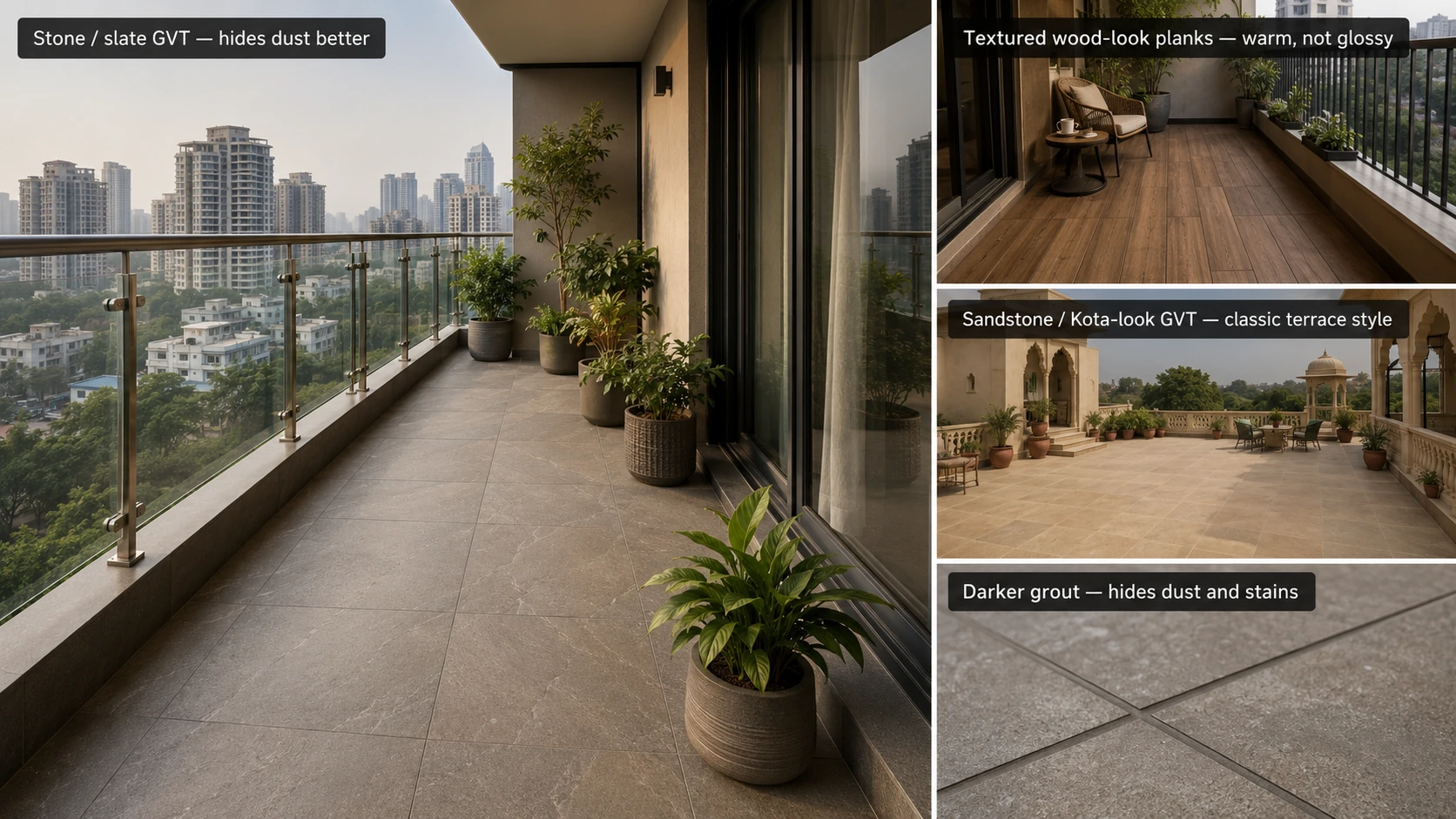
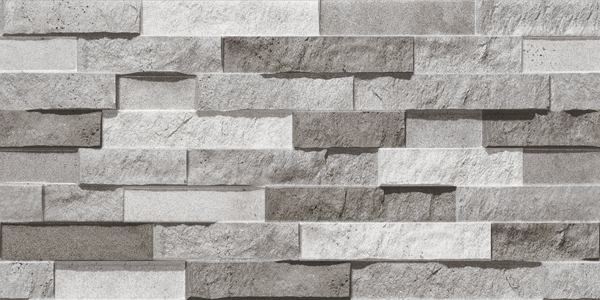
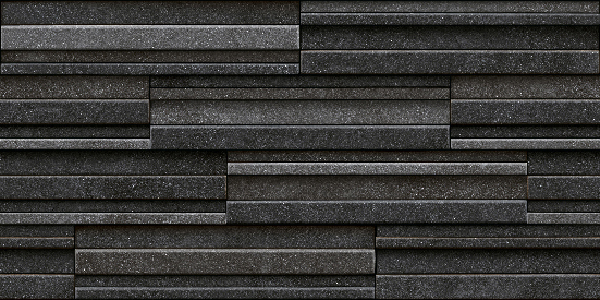
Stone look and slate look GVT tiles in warm greys and taupe tones dominate open balcony requests this year, chosen as much for how well they hide dust between cleanings as for their appearance. Wood look composite and vitrified planks are popular for smaller apartment balconies in Noida and Gurugram towers, giving a warmer, more finished look to what is often a compact space, though homeowners are increasingly asking for a textured rather than glossy version specifically because it handles both summer heat glare and winter fog dampness better. Farmhouses and independent villas around Chhatarpur and the Gurugram-Sohna belt, with larger open terraces, are leaning toward a more traditional sandstone or Kota stone look reproduced in GVT, which keeps the classic North Indian outdoor aesthetic without the porosity issues real Kota stone can develop over repeated monsoon and winter cycles.
A second, quieter trend this year is buyers deliberately choosing a slightly darker grout than the tile itself for outdoor use, a reversal of the matching grout approach common indoors. A grout one or two shades darker than the tile hides dust, minor staining, and the general grime an open balcony collects between the dust season and the next good rain far better than a closely matched or lighter grout does, without drawing attention to itself the way a bold contrast grout line would on an indoor floor.
What It Costs in 2027
| Tile Type | Price Range (Rs/sq ft) | Notes |
| Ceramic anti skid | Rs. 25 to Rs. 55 | Covered balconies only, higher water absorption |
| Porcelain (semi vitrified) | Rs. 45 to Rs. 90 | Partial shade balconies |
| Full body vitrified | Rs. 60 to Rs. 150 | Open balconies, terraces, year round exposure |
| GVT High Depth (stone/wood look) | Rs. 90 to Rs. 250 | Textured, best dust and thermal handling |
For a typical 60 to 100 square foot apartment balcony in Noida or Gurugram, full body vitrified tiles work out to roughly Rs. 3,600 to Rs. 15,000 for material, while a larger 400 square foot farmhouse terrace in a stone look GVT High Depth range can run Rs. 36,000 to Rs. 1,00,000 depending on design complexity.
Where Delhi NCR Buyers Source This
Kirti Nagar and Raja Garden in West Delhi remain the go to stretch for comparing brand showrooms and independent dealers side by side, with a solid range of outdoor and terrace tiles alongside their usual indoor stock. Lajpat Nagar's larger format showrooms display outdoor ranges next to indoor collections, useful for households matching a balcony to the flooring inside. Jagatpuri continues to serve as the city's recognised wholesale stretch for standard vitrified pricing. Buyers working on farmhouse or villa terraces around Gurugram, Chhatarpur, and Faridabad often find it more convenient to work directly with dealers closer to those developments rather than travelling into central Delhi, since terrace projects tend to involve larger quantities and on site consultation. For apartment complexes or builders fitting out balconies across many units in Noida or Gurugram towers, sourcing matching GVT High Depth tile directly from manufacturers in Morbi, Gujarat, through a supplier platform such as TilesFinders keeps shade consistent across a large project and typically costs less than buying the same volume through NCR retail.
Whichever route a buyer takes, it is worth requesting the tile's IS 15622 water absorption group and, where possible, a breaking strength figure at the point of quotation, since a dealer focused mainly on colour and finish may not volunteer this unless asked directly. This single request does more to protect a Delhi NCR balcony against a repeat of the whole seasonal cycle described above than almost any other question in the buying process.
Planters, Drying Lines, and Everyday Balcony Use
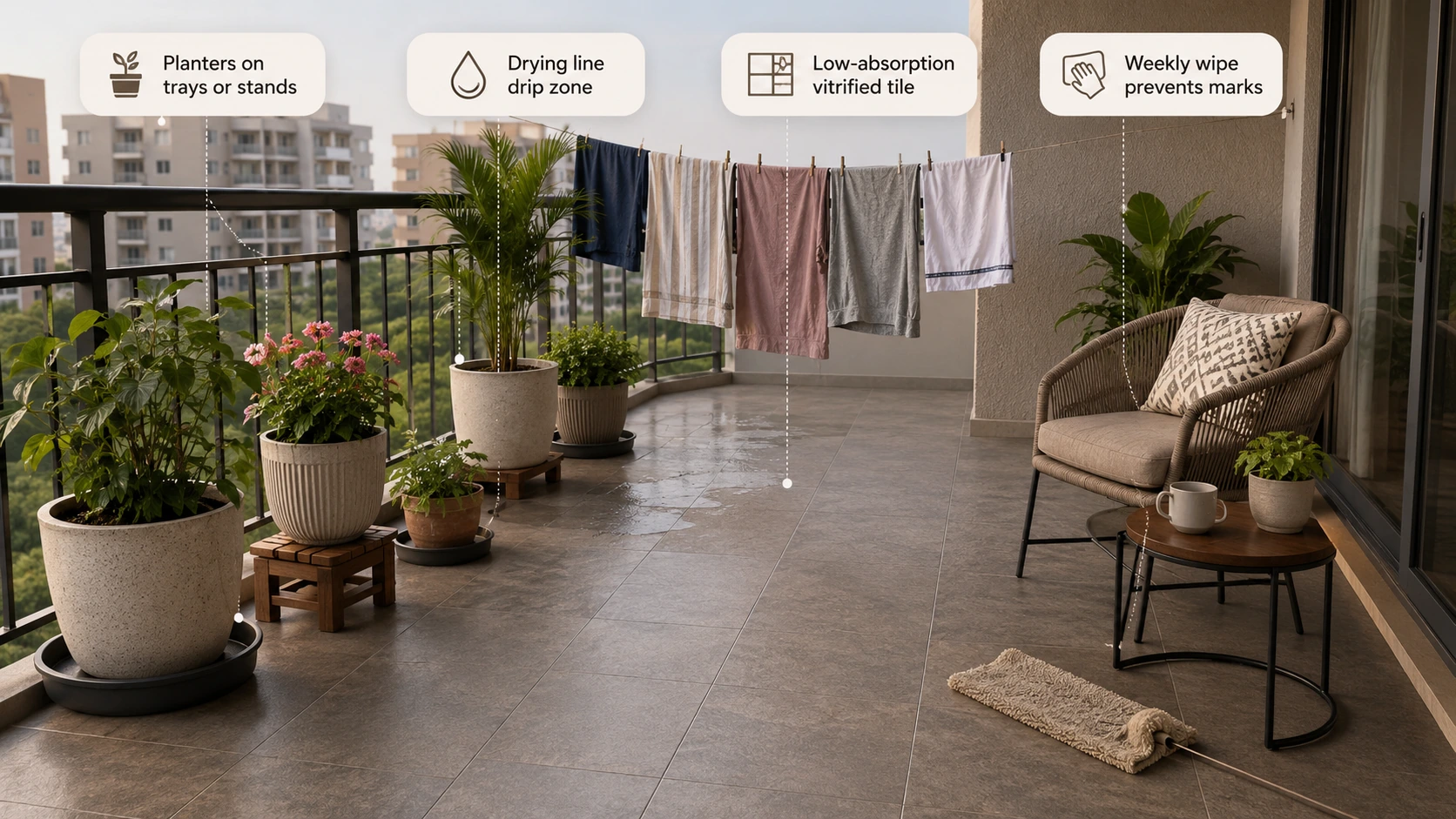
Most Delhi NCR balconies do more than one job, doubling as a spot for potted plants, a drying line, or a small seating corner, and this everyday use adds its own wear pattern beyond what the weather alone creates. A cluster of potted plants left in one spot for months traps moisture underneath and can leave a slightly damp patch on the tile even on an otherwise dry balcony, which is one more reason a low absorption vitrified tile is worth the extra cost over a porous ceramic one in this specific climate. Homeowners who keep a dedicated plant corner often do well to lay a simple tray or raised stand under the pots rather than letting them sit directly on the tile, since this both protects the grout lines underneath and makes it easier to move plants around during the worst of the summer heat or winter fog without disturbing the floor.
A drying line, common on many Delhi NCR balconies given how many households still air dry laundry rather than relying solely on a dryer, adds its own repeated dripping pattern in roughly the same spot day after day, which over time can leave a faint mineral trace if the household is on a hard water supply, less common in Delhi NCR than in Bangalore but not unheard of in areas dependent on borewell water. A quick wipe of that specific patch once a week keeps this from building into a visible mark, and it is a far smaller task than trying to lift an established stain from a textured tile surface later.
Explore Balcony and Outdoor Tile Options
Getting a Delhi NCR balcony or terrace right means picking a tile that can handle the full swing from winter fog to summer heat rather than just one season's weather. If you are planning a balcony renovation or sourcing in bulk for an apartment or farmhouse project, TilesFinders connects you with verified Delhi NCR dealers and Morbi manufacturers to explore current options and place an informed order.

FAQs
It plays a real role, mainly through the tile's need for expansion joints that let it move safely as it swings between summer heat and near freezing winter mornings in outlying parts of Gurugram and Faridabad, rather than through any frost damage to the tile body itself.
R10 works for a covered balcony that only gets occasional splashing, while a fully open balcony or terrace exposed to monsoon rain and winter fog condensation should carry an R11 rating for dependable grip.
Yes, this is a genuine concern given how intense the sun gets from April to June. Mid tone greys and lighter stone look finishes stay more comfortable underfoot during peak summer afternoons than very dark tiles do.
Heavily textured tiles trap dust more visibly during the October to November smog season, so many homeowners now prefer a matte but not deeply grooved surface that can be hosed down and wiped clean quickly.
Prices generally range from Rs. 25 per square foot for basic ceramic anti skid tiles suited to covered balconies, up to Rs. 250 per square foot for high end GVT High Depth stone or wood look tiles built for full outdoor exposure.


See our tile guides first
Set TilesFinders as a preferred source and our buying guides surface ahead of the rest for you.
Add as preferred sourceTakes one tap. Nothing to install.
What Readers Say
I was about to redo my parking area with the wrong tile size until I read this. The layout comparisons saved me from a costly mistake.
We reference TilesFinders guides while briefing clients on material selection. The size and pattern breakdowns are accurate and easy to explain visually.
On site, I get asked about grout spacing all the time. This article gave me a solid reference I now share with my team before every job.
Finally a guide that doesn't just push generic advice. The oil stain removal steps actually worked on our clubhouse driveway tiles.
I run a small construction firm and now send this link to clients directly when they ask about entrance tile sizing. Saves me an hour of explaining.
Good practical detail, though I wish there were more examples for compact apartment entrances specifically, not just villas.
My mother-in-law wanted marble, I wanted vitrified. This blog gave us the neutral comparison we needed to actually decide together.
Detailed without being overwhelming. I appreciated that it covered both cost and maintenance, not just the aesthetics.
Used the algae and hard water removal tips on our terrace tiles after the monsoon. Worked better than what our regular cleaner was doing.
As someone who sources tiles for multiple builder projects, I find these comparisons genuinely useful for vendor conversations, not just consumer content.
Recommended this to a client who kept second-guessing the entrance design. The small vs large layout section settled the debate instantly.
Straightforward and honest, no unnecessary jargon. Would like to see a similar breakdown for outdoor pool-deck tiles next.
We've bookmarked several TilesFinders guides for our design handbook. Reliable source when clients want data, not just opinions.
Two paths, one marketplace.
Get free quotes from verified suppliers.
Share your room, budget, and style. Suppliers in Morbi respond within hours.
Get Free QuotesList your business, reach real buyers.
Put your showroom in front of homeowners searching for tiles right now.
List Your BusinessMore Blogs
See all
Balcony Wall Tiles vs Floor Tiles – Design Guide
Learn the golden rules of balcony design. Discover the key differences between wall and floor til...
Read More
Outdoor Tiles in India: A Complete Guide for Indian Climate Conditions (2026)
Outdoor tiles that actually last. Master the 2026 rules for balconies and terraces: low water abs...
Read More
Rustic Tiles for Outdoor and Balcony: Which Finishes Survive Indian Monsoons
This guide covers which rustic tile finishes survive Indian monsoons for balcony and outdoor use....
Read More