Outdoor Tiles in India: A Complete Guide for Indian Climate Conditions (2026)
May 14, 2026 471
Outdoor tiles that actually last. Master the 2026 rules for balconies and terraces: low water absorption, GHR finishes, and the secret to preventing summer cracks.
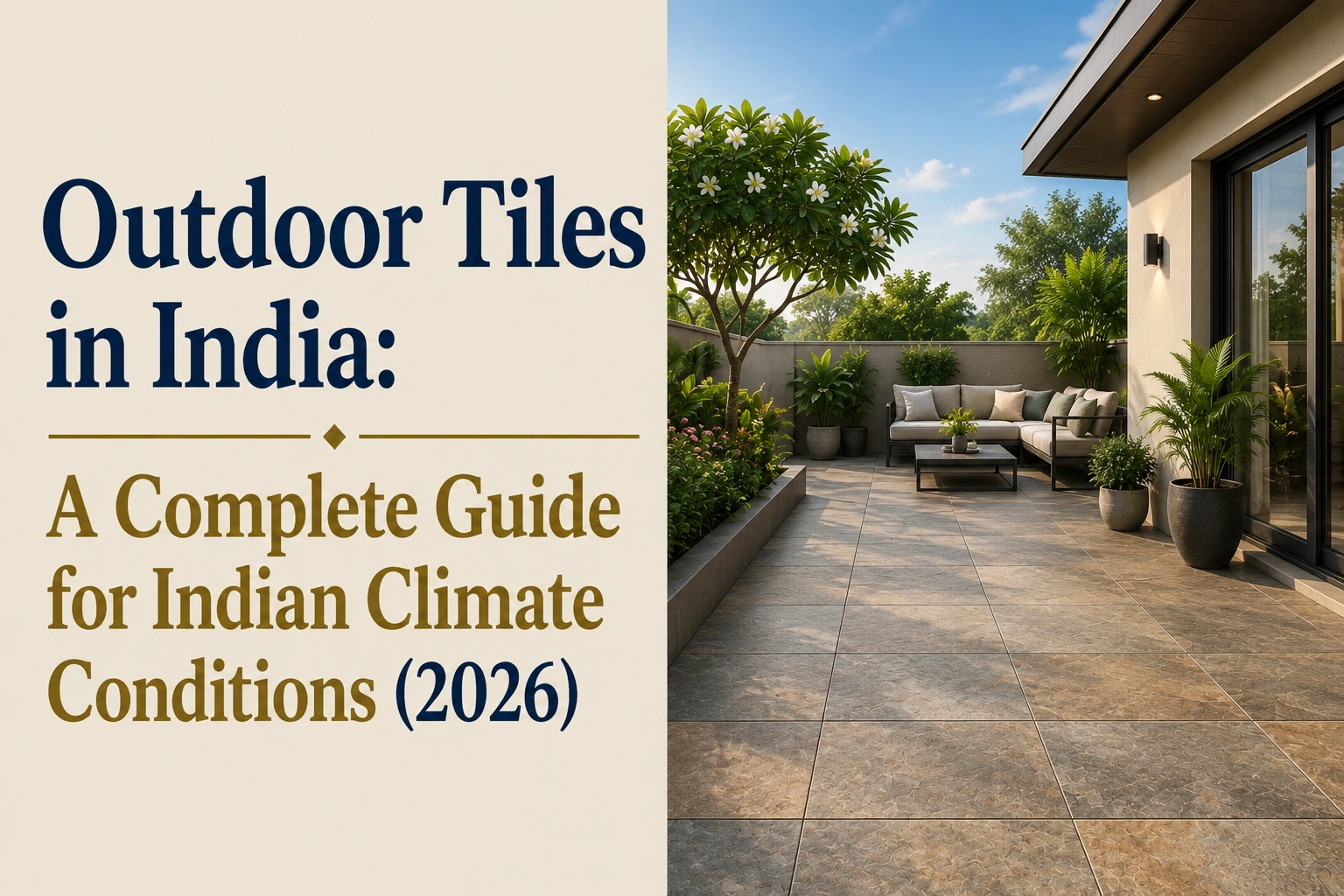
Your outdoor space in India faces a battering that no showroom tile display can prepare you for. Terrace temperatures cross 55°C in Rajasthan summers. Monsoon water sits on balconies for hours. Coastal homes in Mumbai or Kochi are exposed to salt-laden air year-round. The wrong outdoor tile fails within two or three seasons.
Homeowners who pick outdoor tiles based on looks alone end up with cracked slabs, dangerous, slippery surfaces after rain, or tiles that pop out from expansion during summer heat. Fixing that is expensive. Getting it right the first time is not complicated once you know what to look for.
This guide covers the right tile categories for Indian outdoor spaces, finishes that keep your family safe, size recommendations, price ranges, and the buying mistakes to avoid.
Why Indian Climate Makes Outdoor Tile Selection Non-Negotiable
India does not have one climate. It has six. And each one punishes the wrong tile differently.
The Heat Problem
Summers in north and central India push daytime surface temperatures above 50°C for tiles exposed to direct sun. Tiles expand with heat and contract at night or during sudden rain. Tiles laid without proper expansion joints crack or pop out within the first summer.
Dark-colored tiles absorb more heat, making them uncomfortable or even dangerous to walk on barefoot. Light shades in beige tiles, cream tiles, or light grey tiles reflect heat better and stay cooler underfoot.
The Monsoon Problem
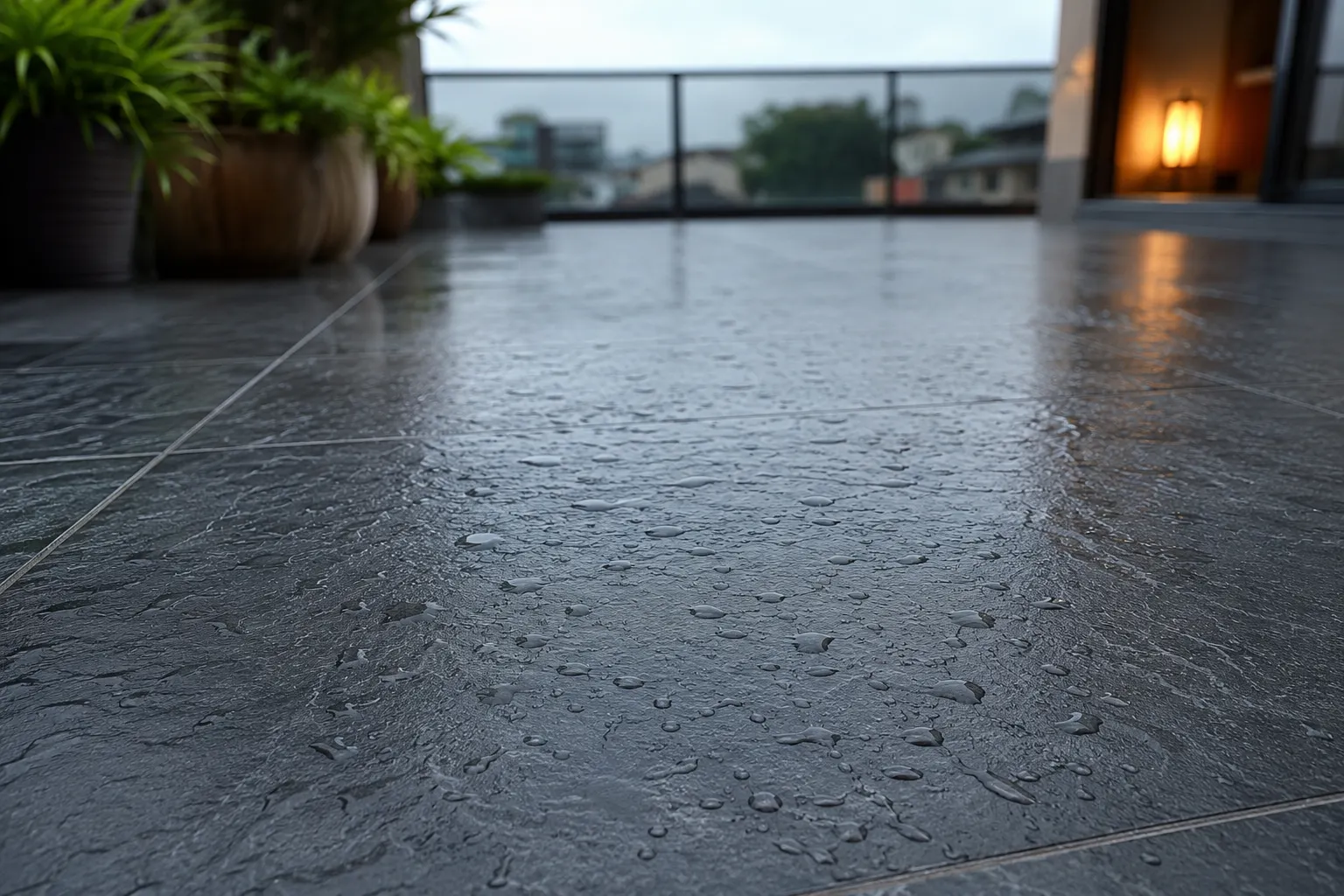
Porous tiles absorb monsoon moisture, leading to moss and algae growth, staining, and dampness seeping into the structural slab below. Any tile with water absorption above 0.5% is a risk for open terraces and gardens.
The slip risk after rain is a serious safety concern, especially in homes with elderly members or children. Smooth-finish tiles that look beautiful dry become hazardous when wet. This is why finish selection is as important as material selection for outdoor use.
The Coastal and Dust Problem
Homes within 10 to 15 kilometres of the coastline in cities like Mumbai, Chennai, Kochi, or Visakhapatnam face salt-laden humidity that corrodes grout and weakens some natural stones over time. Granite and well-sealed vitrified tiles hold up best in these conditions.
Dry regions like Rajasthan, Gujarat, and parts of Madhya Pradesh deal with fine dust that settles into textured surfaces. Tiles with minimal deep texture or GHR (Glaze High Resistance) finishes are easier to maintain in dusty climates.
Best Types of Outdoor Tiles for Indian Homes
Not every tile category is suitable for outdoor use. Here is a practical breakdown of what works and what to avoid.
GVT (Glazed Vitrified Tiles)
GVT tiles are the most reliable all-round choice for Indian outdoor spaces. With water absorption as low as 0.05%, they handle heavy monsoon rain and direct sun without degrading. They come in a wide range of designs including stone-look, wood-look, and concrete textures.
GVT tiles work for terraces, balconies, garden pathways, and parking areas. Available in 16x16, 20x20, 2x2, and 2x4 sizes, they give buyers flexibility across small balconies and large open terraces. Prices range from approximately ₹60 to ₹150 per sq. ft., varying by brand and surface design.
Full Body Vitrified Tiles
Full Body tiles have colour and pattern running through the entire tile body, not just the surface. This matters outdoors because chips from furniture movement or heavy foot traffic do not expose a different-coloured body underneath.
They work well for terraces, garden paths, and open areas with heavy use. Available from 2x2 upward to slab sizes. Price range is approximately ₹90 to ₹200 per sq. ft.
Porcelain Tiles
Porcelain tiles have water absorption between 2% and 5%, higher than GVT or Full Body vitrified. They work for outdoor use in most Indian climates, though in very heavy monsoon zones, GVT is a stronger performer. Porcelain is widely available in matte finish, which is the right choice for outdoor flooring.
Available in 16x16, 20x20, 2x2, and 2x4 sizes. Price range is approximately ₹90 to ₹220 per sq. ft.
Natural Stone (Granite, Kota, Slate)
Granite stays naturally cool and handles heavy loads without cracking, making it a solid choice for parking areas, pathways, and outdoor stairs. Kota stone from Rajasthan has long been a standard for courtyards and verandahs in central India for good reason.
Natural stone needs periodic sealing to maintain stain resistance. Without sealing, moss and staining are common in high-rainfall regions. It is heavier to handle and costs more for installation, but it lasts decades when maintained.
Terracotta and Cement Tiles
Terracotta works well in dry regions and semi-covered outdoor spaces. It is porous by nature, which limits its performance in direct monsoon exposure without treatment. Traditional homes in South India and Gujarat have used terracotta in courtyards for generations because local climate and lifestyle suit it.
Cement tiles bring a traditional character to verandahs and covered outdoor seating areas. Both options need sealing and periodic maintenance and are better suited for homeowners who prefer rustic or traditional aesthetics over low-maintenance practicality.
Recommended Outdoor Tile Sizes for Indian Spaces
Size choice affects both the look and performance of outdoor tiles. Larger tiles mean fewer grout lines, which makes cleaning easier and reduces the risk of water seeping through joints.
| Size | Inches | Best For | Notes |
|---|---|---|---|
| 400x400 mm | 16x16 | Balconies, garden paths, parking | Floor-best; good for compact spaces |
| 500x500 mm | 20x20 | Terrace, outdoor pathway, parking | Stronger choice for heavy-traffic areas |
| 600x600 mm | 2x2 | Large terrace, garden, open patio | Balanced look for mid-size outdoor areas |
| 600x1200 mm | 2x4 | Large terrace, pool deck, commercial outdoor | Fewer grout lines, easier to clean |
| 300x300 mm | 1x1 | Garden paths, small balcony edging | Use matte or GHR finish only outdoors |
Note: 300x450 mm and 300x600 mm sizes are wall-only and must not be used for outdoor flooring. Always confirm size suitability with your tile supplier.
Best Tile Finishes for Outdoor Use in India
The finish choice is where most homeowners go wrong with outdoor tiles. Finishes designed for indoor spaces become slippery hazards when wet.
| Finish | Anti-Skid | Best Use | Avoid For |
|---|---|---|---|
| Matte | Yes | All outdoor floors: terrace, balcony, parking, garden | Nothing; most versatile outdoor finish |
| GHR (Glaze High Resistance) | Yes | High-traffic outdoor, parking, exterior walkways | Nothing; built for outdoor performance |
| Matte Carving | Yes | Garden paths, feature outdoor walls | Very deep grooves trap dirt outdoors |
| Rain Drops | Excellent | Wet terraces, pool-side, balconies prone to water | Purely decorative indoor spaces (overkill) |
| Texture | Good | Covered outdoor areas, garden seating zones | Heavy dust environments (cleaning effort) |
| Glossy / High Glossy | No | Indoor floors only | Any outdoor floor (very slippery when wet) |
| PGVT (Polished) | No | Indoor living rooms, bathroom walls | Outdoor flooring under any circumstance |
The R-scale measures slip resistance. For outdoor Indian conditions, target R11 or higher for terraces and R12 for pool surrounds and areas with frequent water exposure.
Outdoor Tile Design Ideas for Indian Homes in 2026
Stone-Look Vitrified for Terraces
Sandstone, slate, and basalt-look GVT tiles in 2x2 or 2x4 sizes bring a natural feel to open terraces without the maintenance of real stone. Light grey and warm beige tones work well across Indian home styles, from contemporary flats in Pune to independent bungalows in Ahmedabad.
Wood-Look Tiles for Garden Paths and Covered Seating
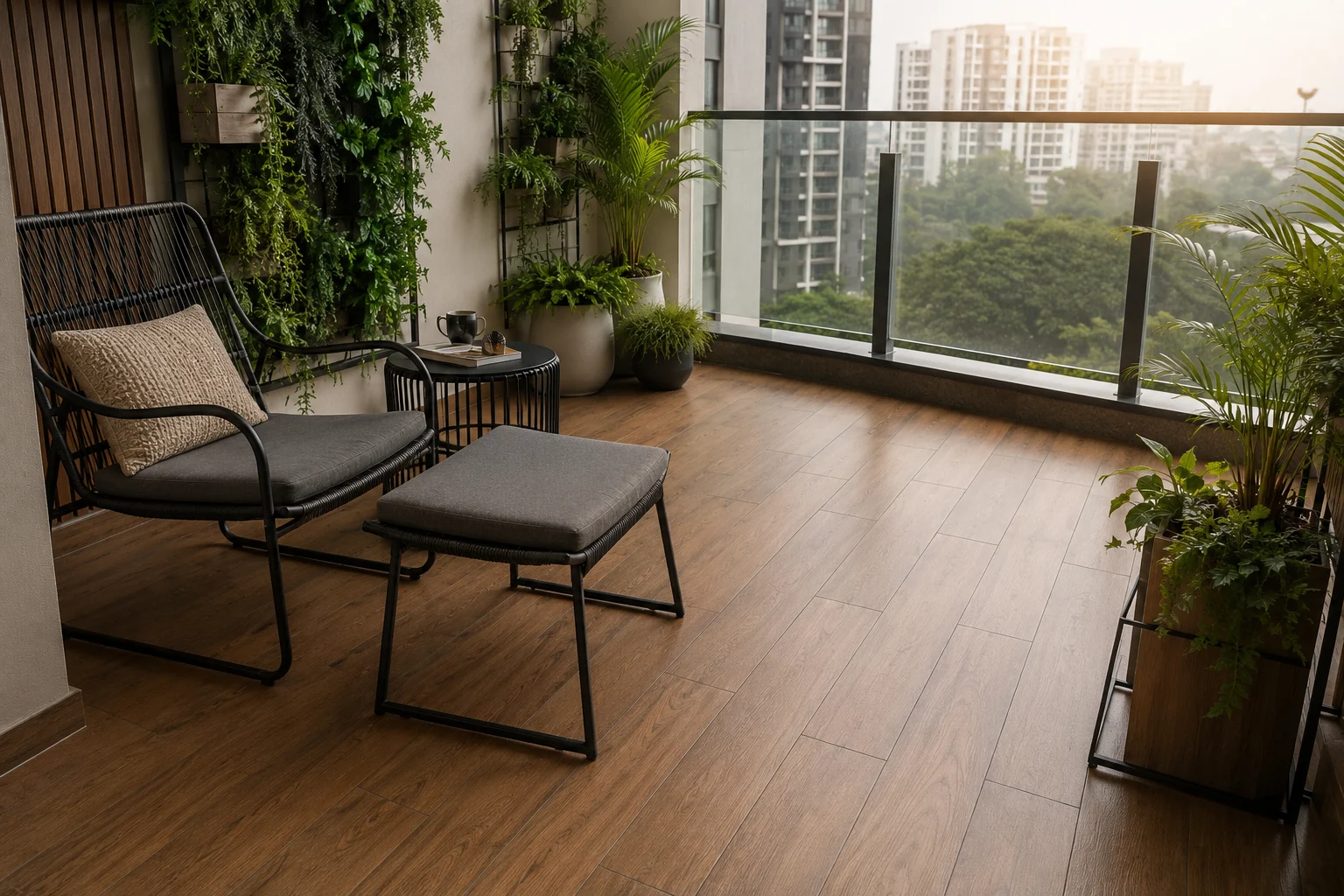
Wood-look tiles in 8x48 plank size create warm, inviting walkways and covered outdoor seating areas. Choose matte or light texture finish for grip. These tiles stay cool underfoot compared to dark stone, which makes them a practical choice for barefoot use around garden seating.
Patterned and Terracotta-Look for Verandahs
Traditional Indian homes with verandahs benefit from patterned or terracotta-look vitrified tiles that respect the original character of the space. The advantage over real terracotta is lower water absorption and easier cleaning during and after monsoon.
Cool Light Tones for Rooftop Terraces
On rooftop terraces in cities like Delhi, Jaipur, or Nagpur where summer temperatures are extreme, choosing tiles in cream, light grey, or off-white is a practical decision. Light colours reflect solar heat and reduce surface temperature by 8 to 12 degrees compared to dark tiles, which makes the terrace usable during more of the day.
Concrete-Look for Modern Society Outdoor Spaces
Society compounds and apartment common areas across Mumbai, Bangalore, and Hyderabad increasingly use concrete-look vitrified tiles in 2x2 or 2x4. They look clean and minimal, hide light soiling well, and their GHR finish handles the foot traffic of a multi-family compound with ease.
Outdoor Tile Material Comparison for Indian Conditions
| Category | Water Absorption | Heat Resistance | Slip Resistance | Approx. Price/sq.ft. | Best Climate |
|---|---|---|---|---|---|
| GVT | 0.05% | Excellent | Good (matte/GHR) | ₹60 to ₹150 | All India |
| Full Body Vitrified | 0.05% | Excellent | Good (matte) | ₹90 to ₹200 | All India |
| Porcelain (Matte) | 2% to 5% | Good | Good (matte) | ₹90 to ₹220 | Most regions |
| Granite | 0.3% to 0.5% | Excellent | Good (flamed) | ₹80 to ₹250 | All India |
| Kota Stone | 1% to 2% | Very Good | Natural grip | ₹40 to ₹90 | Dry to moderate |
| Terracotta | 10% to 15% | Good (cooling) | Natural grip | ₹50 to ₹120 | Dry regions only |
Expert Tips Before Buying Outdoor Tiles in India
1. Always Check Water Absorption Rating
Ask for the water absorption specification before buying any outdoor tile. For open terraces and balconies, keep it at 0.5% or below. Suppliers should be able to share this from the technical data sheet. Any tile above 1% is a risk for direct rain exposure.
2. Verify Slip Rating for the Specific Use Area
R9 is the minimum for covered outdoor areas. For open terraces, target R11. For pool decks or any space where puddles form, go for R12. Ask your dealer specifically about the R-rating of any tile you consider for outdoor wet-zone use.
3. Choose the Right Tile Thickness
Outdoor tiles, especially for terraces and parking, need a minimum of 10mm thickness. For driveways or parking areas, 12mm is safer. Thinner tiles crack under the weight of vehicles or heavy garden furniture.
4. Keep Expansion Joints in the Installation
This is the single most important installation rule for Indian outdoor tiling. Leave 3mm to 4mm gaps between tiles and fill with flexible sealant, not rigid cement. Without expansion joints, tiles pop out or crack in the first summer from thermal expansion. Most crack complaints about terrace tiles trace back to missing expansion joints.
5. Test Tiles in Your Actual Space Before Finalising
Tiles look different on a showroom floor with controlled lighting versus an open terrace under afternoon sun. Take 2 to 3 samples home, place them on your terrace or balcony floor, and observe them at different times of day. This is especially important for large terraces where the wrong colour choice becomes very visible.
6. Match Grout Colour Thoughtfully
Light-coloured grout stains faster outdoors. Medium grey or colour-matched grout is more forgiving in areas exposed to rain, dust, and garden soil. Epoxy grout is more expensive but resists staining and moss growth better than standard cement grout in outdoor applications.
7. Buy 8 to 10% Extra for Cuts and Future Replacements
Outdoor tiling always needs cuts at edges and around drains. Buying 8 to 10% extra is standard practice. Keeping spare tiles from the same batch is also useful if a tile cracks later, since exact shade matches from a different production batch are not always possible.
Common Mistakes People Make When Choosing Outdoor Tiles in India
Using Glossy or Polished Tiles Outdoors: This is the most common and dangerous mistake. PGVT, High Glossy, and Satin Matte finishes are indoor tiles. On outdoor floors, they become extremely slippery after rain. Every year, Indian homes report slip-and-fall accidents from polished outdoor tiles. Stick to matte, GHR, Rain Drops, or textured finishes for any outdoor floor.
Skipping the Expansion Joint: Tiles laid edge-to-edge on open terraces in India will pop out or crack. The thermal swing between a 50°C summer afternoon and a monsoon shower is severe. Expansion joints absorb this movement. No expansion joint means no long-term outdoor tile performance, regardless of tile quality.
Choosing Dark Tiles for South-Facing Terraces: Dark grey, charcoal, and black tiles absorb heat aggressively. On a south-facing terrace in Ahmedabad or Jaipur, dark tiles become hot enough to be uncomfortable by mid-morning in summer. Light tiles in cream, beige, or light grey keep the surface significantly cooler and more usable.
Ignoring Drainage Slope: Outdoor tiles need a slight slope toward drain points so water does not pool. A 1% to 2% slope is standard. Tile installers must set this before laying. Ignoring drainage leads to standing water, moss growth, and dampness issues for the slab structure below.
Buying Cheap Tiles for Parking and Driveways: Parking tiles take the weight of two-wheelers, cars, and heavy utility vehicles. Tiles below 10mm thickness or low-grade vitrified tiles crack under regular vehicle use. Full Body vitrified in 2x2 or GVT in 20x20 with GHR finish is the standard worth investing in for parking areas.
Using Ceramic Tiles Outdoors: Ceramic tiles have 12 to 16% water absorption and are made for wall cladding, not outdoor flooring. The only exception is 1x1 ceramic for bathroom floors as a matching set. For any open outdoor floor, ceramic is the wrong choice and will fail quickly.
Choosing the Right Outdoor Tiles for Your Indian Home
The outdoor tile decision in an Indian home is about performance first and design second. A tile that fails in the second monsoon costs far more in repairs and replacement than a slightly higher upfront investment in the right material.
Check water absorption. Verify the finish slip rating. Get expansion joints right. Keep the drainage slope. And test tile samples on your actual outdoor space before finalising the purchase.
You can explore a wide range of outdoor tile options on TilesFinders, including GVT, Full Body, and natural stone categories suited to different Indian climate zones. Compare materials, finishes, and price ranges from verified Indian manufacturers before finalising your outdoor tiling project.
FAQs
GVT (Glazed Vitrified Tiles) and Full Body vitrified tiles are the strongest all-round choices for Indian outdoor floors. Both have 0.05% water absorption, handle monsoon and summer heat, and come in matte and GHR finishes that provide anti-skid performance. Porcelain in matte finish is also a good option for most regions.
Yes, GVT and Full Body vitrified tiles work well on terraces. The key is choosing matte, GHR, Rain Drops, or textured finishes and not polished or glossy variants. Laying with proper expansion joints and a drainage slope is equally important for terrace performance.
Matte finish, GHR (Glaze High Resistance), and Rain Drops finish are the best choices for anti-skid outdoor tiles. For areas with regular water exposure like pool surrounds or terrace edges, target an R11 or R12 slip rating. Glossy, High Glossy, Satin Matte, and Polished finishes must be avoided for outdoor floors.
20x20 (500x500 mm) and 2x2 (600x600 mm) are the most common sizes for Indian terraces. Larger formats like 2x4 (600x1200 mm) work well for bigger open terraces and have the benefit of fewer grout lines. Smaller sizes like 1x1 are better for garden edging and pathways rather than main terrace floors.
Choose light-coloured tiles in cream, beige, or light grey to reflect heat. Leave expansion joints during installation. Clean the surface regularly to prevent moss and algae growth that gets worse in heat. If natural stone is used, apply a penetrating sealer before summer and reapply annually.
Granite and GVT tiles with matte or GHR finish hold up best in coastal conditions. Salt-laden air corrodes some natural stones and unprotected grout over time. Use epoxy grout for coastal outdoor areas. Avoid terracotta without thorough sealing in coastal high-humidity zones.
GVT outdoor tiles cost approximately ₹60 to ₹150 per sq. ft. Full Body vitrified tiles range from ₹90 to ₹200 per sq. ft. Porcelain tiles cost ₹90 to ₹220 per sq. ft. Granite starts from ₹80 per sq. ft. and goes up significantly for polished or flamed premium grades. All prices vary by brand, dealer, and city. Confirm current prices including GST with your local dealer.
