Balcony Wall Tiles vs Floor Tiles – Design Guide
Learn the golden rules of balcony design. Discover the key differences between wall and floor tiles, and explore top themes to create a safe, stylish outdoor retreat.
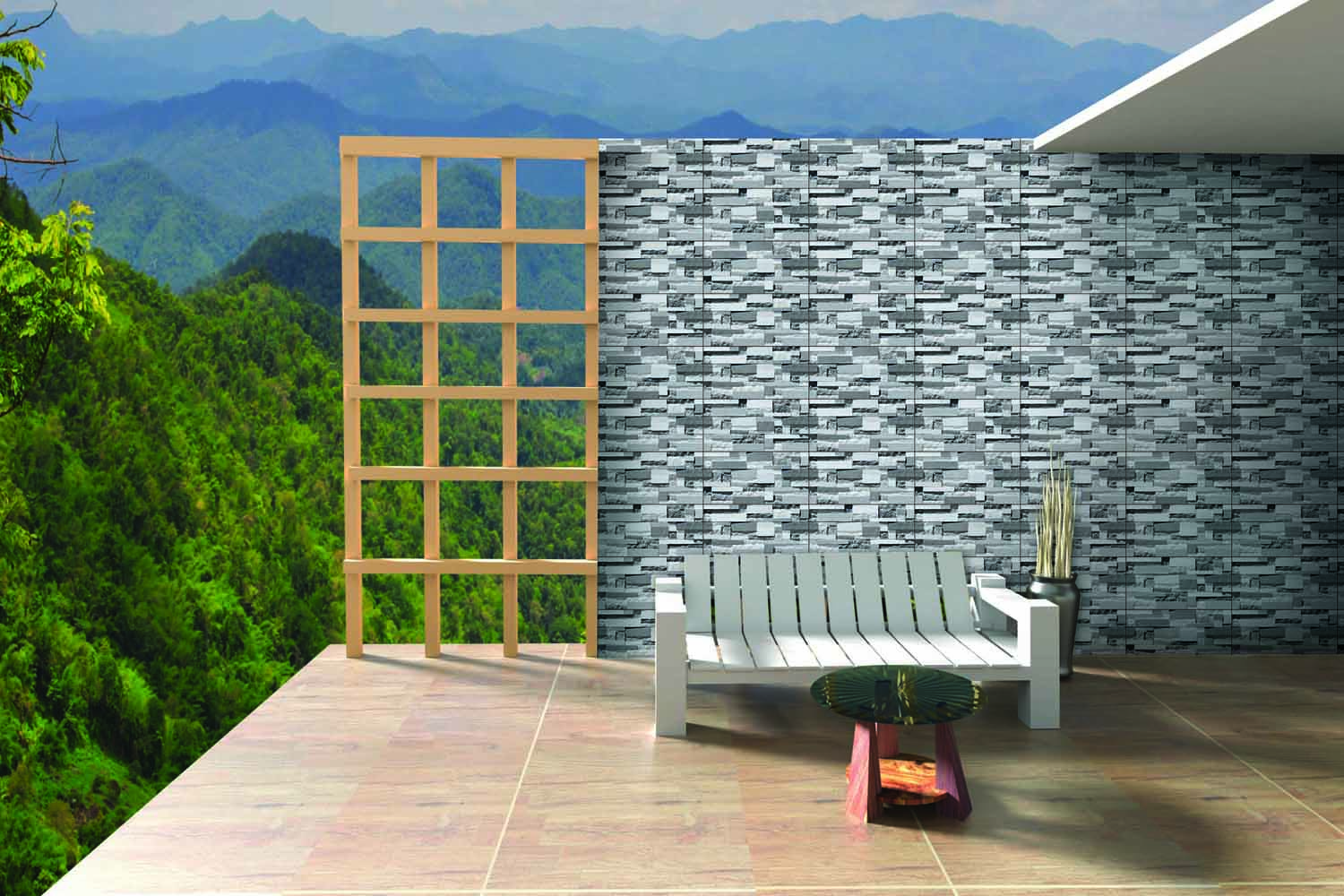
Designing a balcony isn’t just about appearance; it’s about balancing aesthetics with safety. While wall tiles enhance vertical surfaces with texture and light reflection, balcony floor tiles must be durable and anti-slip. The right combination creates a cohesive, weather-resistant outdoor space that feels both stylish and practical.
The Core Rule: What is the difference between balcony wall and floor tiles?
Before planning any balcony tile design, it’s important to understand the basic difference between wall and floor tiles.
Balcony floor tiles are built for performance. They are thicker vitrified tiles designed to withstand foot traffic, outdoor exposure, rainwater, and even heavy objects such as planters or outdoor furniture. Most importantly, they must provide grip, which is why an anti-slip balcony floor tile design is essential for safety.
Balcony wall tiles, on the other hand, are lighter and thinner. They are designed purely for vertical application, allowing for decorative finishes such as glossy surfaces, textures, or 3D patterns without adding excess load to the structure.
The golden rule
You can use floor tiles on walls to create a seamless look, but you should never use balcony wall tiles on the floor. They are not built to handle load or water exposure and can crack or become dangerously slippery.
3 Popular Balcony Design Themes: How to pair wall and floor tiles
Design becomes much easier when you follow a clear theme instead of mixing random elements.
The Zen Garden (Japandi style)
This style focuses on calmness and natural materials. Use wood-look tiles on the floor, combined with textured stone-inspired balcony wall tiles. This pairing works beautifully with plants, planters, and minimal outdoor furniture, creating a peaceful retreat within the home.
The Moroccan Cafe (Boho style)
For a more vibrant and expressive look, patterned tiles can be used to create a statement base. Many homeowners prefer 600x600 balcony floor tiles for outdoor spaces because they balance design and practicality. To keep the space visually light, pair them with simple or lightly textured walls.
The Modern Monolith (Contemporary style)
This approach uses the same tile across both surfaces. Applying a single matte finish on both floor and wall tiles creates a clean, uninterrupted look. This works especially well in compact balconies where too many materials can make the space feel cluttered.
Spatial Design: How tile layout makes a small balcony look bigger
Most apartment balconies are narrow, but the tile layout can significantly influence how spacious they feel.
Floor strategy
When installing balcony floor tiles, placing rectangular tiles or planks in a direction that leads outward toward the railing visually extends the space. This simple layout trick makes the balcony appear longer than it actually is.
Wall strategy
Using 300x600 balcony wall tiles vertically helps draw the eye upward. This creates the illusion of height and prevents covered balconies from feeling cramped or enclosed.
Together, these layout techniques can make even a compact balcony feel more open and breathable.
Colour Psychology: Choosing tile finishes for sunlit vs shaded balconies
Colour plays a major role in defining the mood of a balcony, especially because it is directly exposed to natural light.
For dark or covered balconies
Use lighter tones such as beige balcony wall tiles, light grey, or sage green. These colours reflect available light and make the space feel brighter and more open. Slightly glossy or satin finishes can further enhance this effect.
For balconies with direct sunlight
Avoid highly reflective surfaces, as they can create glare during the day. Instead, use matte finishes in earthy tones like terracotta balcony floor tiles, beige, or muted greys. These colours absorb harsh sunlight and create a more comfortable, relaxed environment.
Creating a vertical garden: Using textured tiles as a feature wall
A well-designed feature wall can completely transform the look of a balcony.
Textured balcony wall tiles with stone-like finishes provide the perfect backdrop for plants. Whether you use hanging creepers or a vertical garden setup, these surfaces enhance the natural feel of the space.
For added impact, install soft outdoor lighting above the wall. When light falls on textured tiles, it creates subtle shadows that add depth and dimension, something plain painted walls cannot achieve.
FAQs
It’s better to avoid that. If the floor uses patterns, keep the wall simple, and vice versa. This keeps the overall balcony tile design visually balanced.
Mid-tone colours like beige, light grey, or textured finishes work best. They hide dust better than very light or very dark surfaces, especially in balcony floor tiles used outdoors.
Yes. Extending balcony wall tiles to the ceiling creates a more finished look and protects the surface from rain and moisture damage.

See our tile guides first
Set TilesFinders as a preferred source and our buying guides surface ahead of the rest for you.
Add as preferred sourceTakes one tap. Nothing to install.
What Readers Say
I was about to redo my parking area with the wrong tile size until I read this. The layout comparisons saved me from a costly mistake.
We reference TilesFinders guides while briefing clients on material selection. The size and pattern breakdowns are accurate and easy to explain visually.
On site, I get asked about grout spacing all the time. This article gave me a solid reference I now share with my team before every job.
Finally a guide that doesn't just push generic advice. The oil stain removal steps actually worked on our clubhouse driveway tiles.
I run a small construction firm and now send this link to clients directly when they ask about entrance tile sizing. Saves me an hour of explaining.
Good practical detail, though I wish there were more examples for compact apartment entrances specifically, not just villas.
My mother-in-law wanted marble, I wanted vitrified. This blog gave us the neutral comparison we needed to actually decide together.
Detailed without being overwhelming. I appreciated that it covered both cost and maintenance, not just the aesthetics.
Used the algae and hard water removal tips on our terrace tiles after the monsoon. Worked better than what our regular cleaner was doing.
As someone who sources tiles for multiple builder projects, I find these comparisons genuinely useful for vendor conversations, not just consumer content.
Recommended this to a client who kept second-guessing the entrance design. The small vs large layout section settled the debate instantly.
Straightforward and honest, no unnecessary jargon. Would like to see a similar breakdown for outdoor pool-deck tiles next.
We've bookmarked several TilesFinders guides for our design handbook. Reliable source when clients want data, not just opinions.
Two paths, one marketplace.
Get free quotes from verified suppliers.
Share your room, budget, and style. Suppliers in Morbi respond within hours.
Get Free QuotesList your business, reach real buyers.
Put your showroom in front of homeowners searching for tiles right now.
List Your Business