Best 500x500 Ceramic and Vitrified Tiles India 2027: Bathroom, Parking and Outdoor Picks Under Rs. 55/sq.ft
Discover the best 500x500 tiles under Rs. 55/sq.ft for bathrooms, outdoor spaces and light-duty parking, with honest guidance on specifications, savings and where not to compromise.
- What Rs. 55 per sq.ft Actually Includes
- The Honest Problem With Parking at This Budget
- The Three Things That Must Not Be Compromised
- Where Saving Money Is Entirely Sensible
- Where Saving Money Is a False Economy
- Bathroom Picks
- Outdoor and Balcony Picks
- Parking Picks, With the Caveat Applied
- When Spending Rs. 20 More Is Genuinely Worth It
- Before You Order
- Compare Budget-Tier 500x500 Ranges on TilesFinders
500x500 tiles under Rs. 55/sq.ft can work well for bathrooms, outdoor areas and light-duty parking, but specifications matter more than appearance at this budget. For daily car parking, PEI 5 and vehicle-rated thickness usually justify spending more; for bathrooms and outdoors, prioritise anti-skid performance and appropriate water absorption.
Under Rs. 55 per square foot, the useful question is not which tile looks best. It is which corners have been cut, whether those particular corners matter for your room, and which specifications must not be compromised at any price. For 500x500 tiles, this guide sets out what this budget genuinely buys, where saving money is entirely sensible, where it is a false economy, and gives picks for each of the three applications, including an honest assessment of which of them this budget can properly serve.
What Rs. 55 per sq.ft Actually Includes
| You Do Get | You Generally Do Not Get |
| Ceramic or entry-tier GVT body | Full body or double charge construction |
| Solid colours and basic stone or cement prints | High face variation, so pattern repetition becomes visible |
| Two to three face variations | Four or more variations for a natural random look |
| Non-rectified edges, needing a wider joint | Rectified edges and the narrow joints they allow |
| Anti-skid matte finishes, widely available | Premium textured finishes such as high depth punch |
| PEI 3 to 4 abrasion rating | PEI 5, which matters specifically for vehicle load |
| Standard thickness | Heavier thickness rated for parking |
The Honest Problem With Parking at This Budget
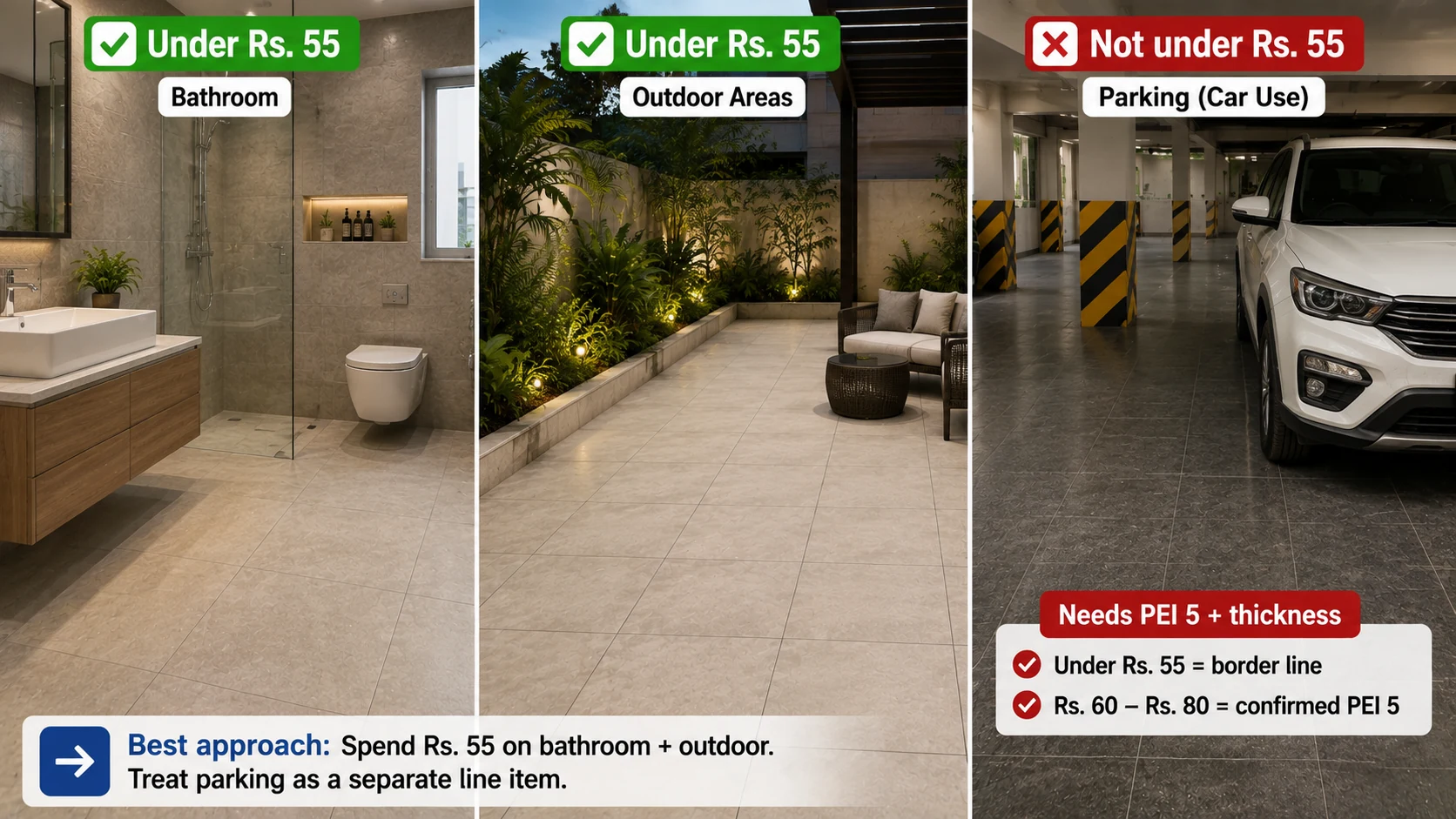
Two of the three applications in this title fit comfortably under Rs. 55. Parking does not, quite: A genuine parking floor needs PEI 5 abrasion resistance and a thickness rated for vehicle load, because the failure mode is not gradual wear but cracking under point loading when a wheel turns on a stationary spot. Under Rs. 55, you will find plenty of tiles marketed for parking, and many will be PEI 4 at standard thickness. For two-wheeler parking and light-duty use, that is often adequate. For regular car parking, it is at the edge of acceptable, and confirming PEI 5 with the correct thickness will usually push the price to somewhere between Rs. 60 and Rs. 80. If your budget is genuinely fixed at Rs. 55, the sound decision is to spend it on the bathroom and outdoor areas and treat parking tile as a separate line requiring its own specification. |
The Three Things That Must Not Be Compromised
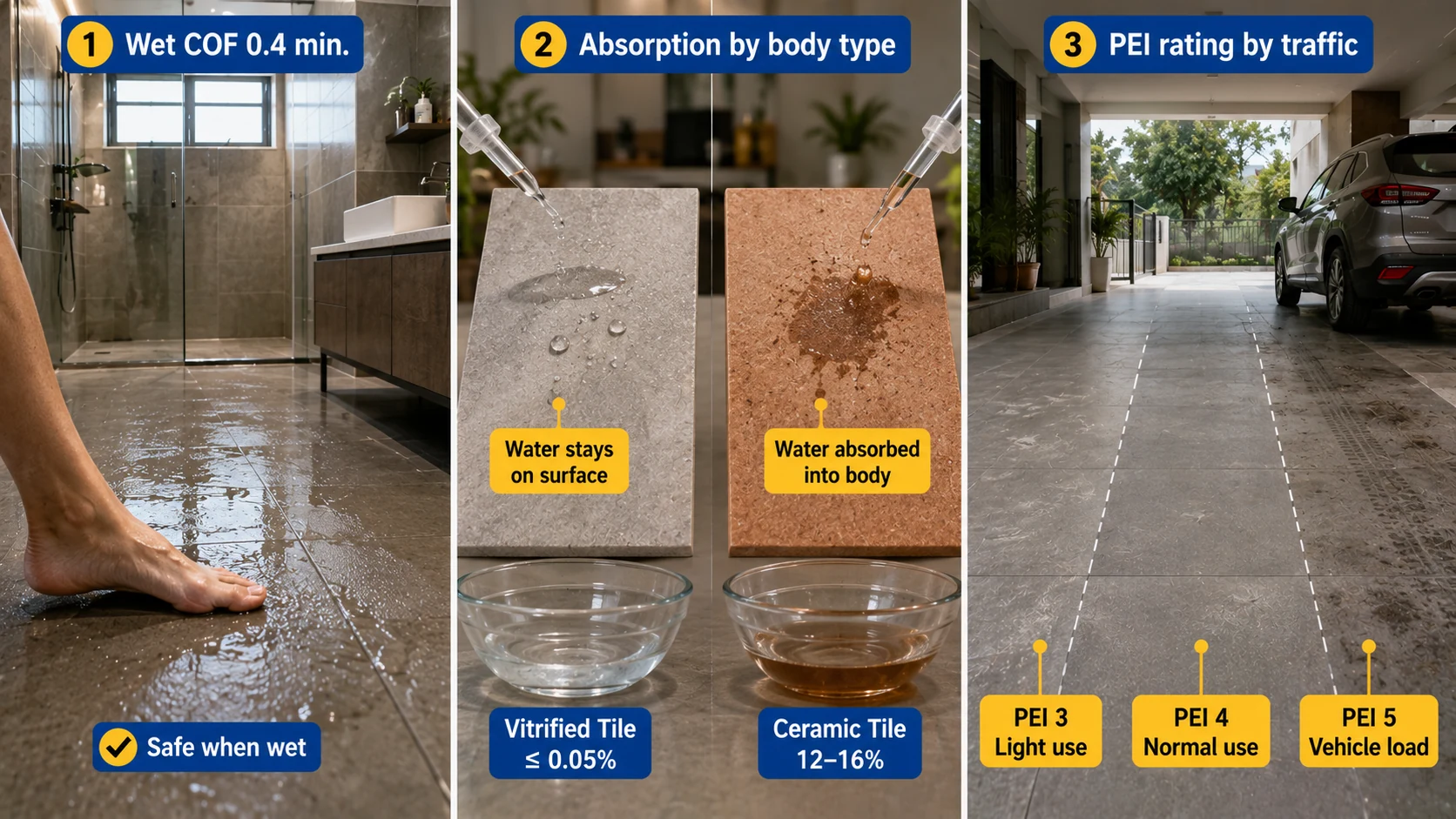
Everything else on the specification sheet is negotiable at this budget. These three are not, because each governs safety or basic fitness for purpose rather than appearance.
- Wet coefficient of friction of 0.4 minimum on any floor that gets wet. This covers bathrooms, wash areas, balconies and outdoor surfaces. A cheap tile can be perfectly safe, but only if the figure is confirmed rather than assumed from the word matte on a label.
- Water absorption appropriate to the body type. Vitrified tile should be 0.05% or below under the Bureau of Indian Standards specification IS 15622. Ceramic is governed by IS 13712 and carries a higher figure, which is acceptable indoors but not for outdoor or heavily wet floors.
- PEI abrasion rating matched to the traffic. PEI 3 suits light residential use, PEI 4 suits normal residential floors, and PEI 5 is required for vehicle load. Buying below the rating your room needs is the one saving that reliably costs more later.
Before comparing budget options, it helps to understand where the 500x500 mm tiles guide format works best across Indian rooms and how its size affects coverage, edge cuts and installation. That broader guide explains the practical arithmetic behind this mid-size format, including bathrooms, kitchens and outdoor applications.
From The Marketplace
Popular tiles right now
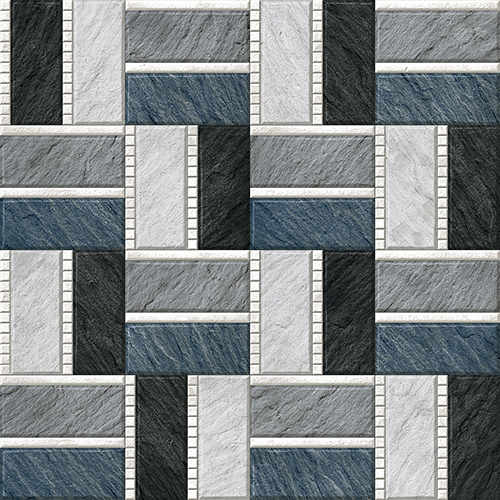
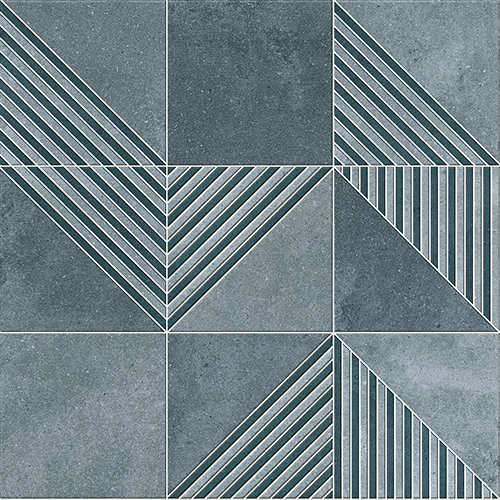
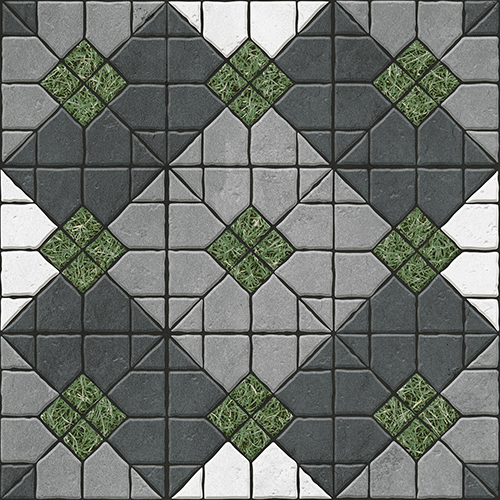
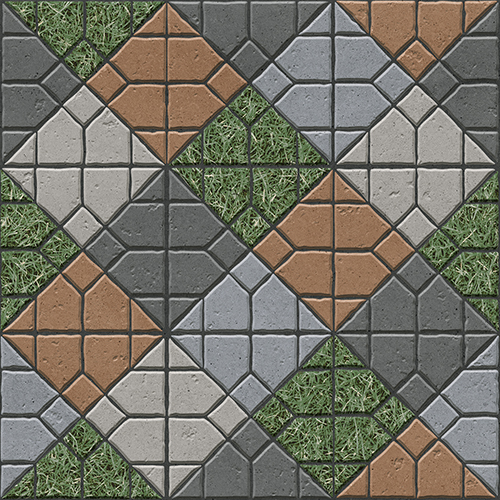
Where Saving Money Is Entirely Sensible
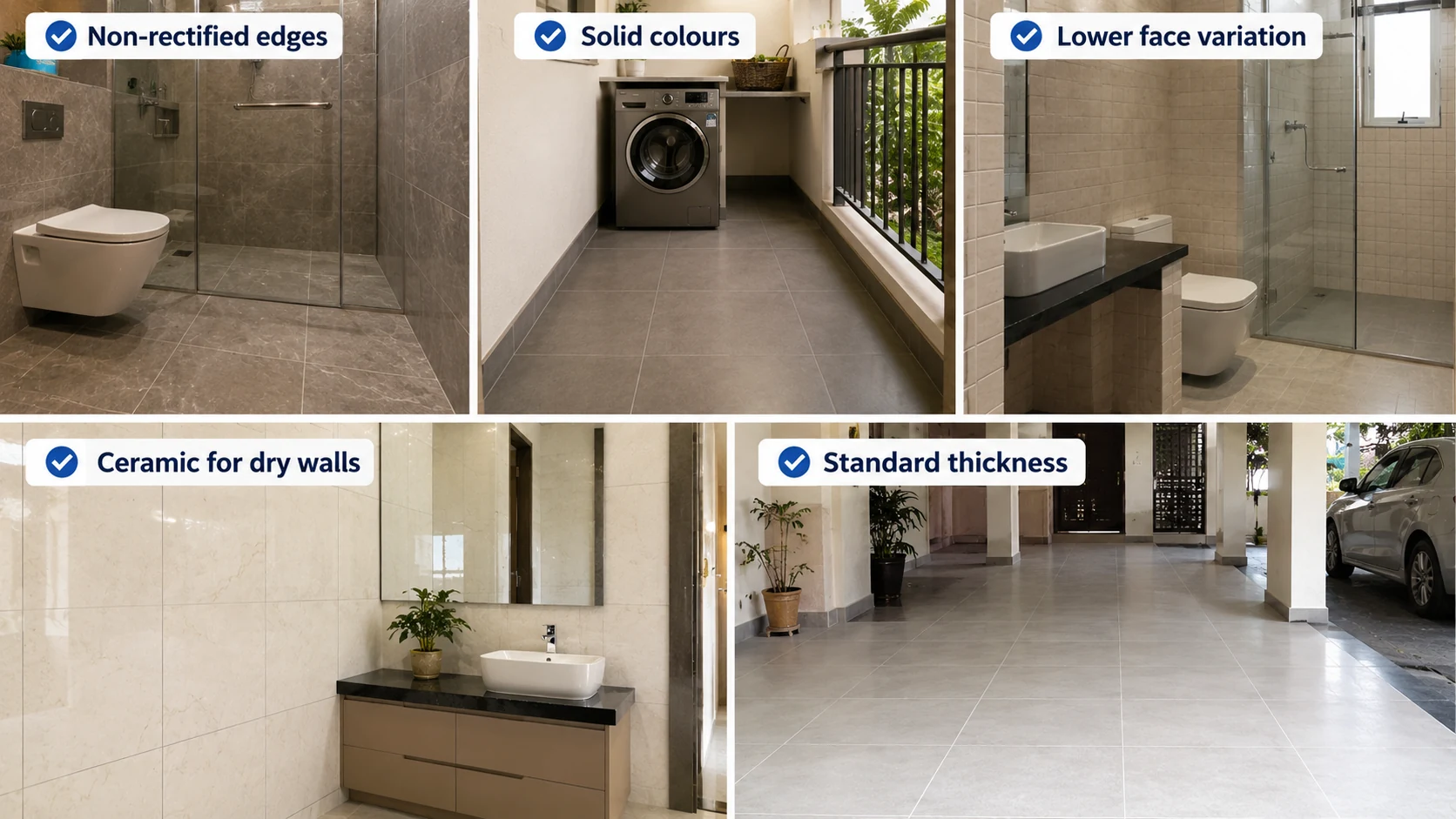
- Non-rectified edges. A wider joint is a legitimate design choice, not a defect, and in a bathroom or utility area nobody is examining the joint width. This saving is genuinely free.
- Solid colours over prints. A plain mid-tone tile in a wash area or parking bay performs identically to a printed one and hides daily soiling just as well.
- Lower face variation, in the right rooms. Repetition is visible across a large open floor, but in a 40 sq.ft bathroom broken up by fixtures, two or three variations are entirely sufficient.
- Ceramic instead of vitrified, for dry indoor walls. Ceramic is the appropriate body for wall cladding and costs less; vitrified is only necessary where water absorption genuinely matters.
- Standard thickness, for foot traffic only. Heavier thickness is a parking and commercial requirement, not a residential one.
Where Saving Money Is a False Economy
| The Saving | What It Costs You Later |
| Skipping confirmed anti-skid in a wet area | A genuine slip risk, and the only failure on this list with a safety consequence rather than a cost one |
| PEI 4 where the room needs PEI 5 | Cracking under vehicle point loading, which means lifting and relaying rather than patching |
| Ceramic body on an outdoor floor | Higher water absorption in a surface exposed to rain and temperature swing, risking failure over time |
| Cutting overage to save two boxes | A shade or calibre mismatch when you buy more later, visible across the finished floor |
| Cement grout in a wet area | Staining and degradation within a few years, and regrouting costs more than epoxy would have |
Bathroom Picks
Idea 1: Warm Beige Anti-Skid Ceramic, Entry Pick
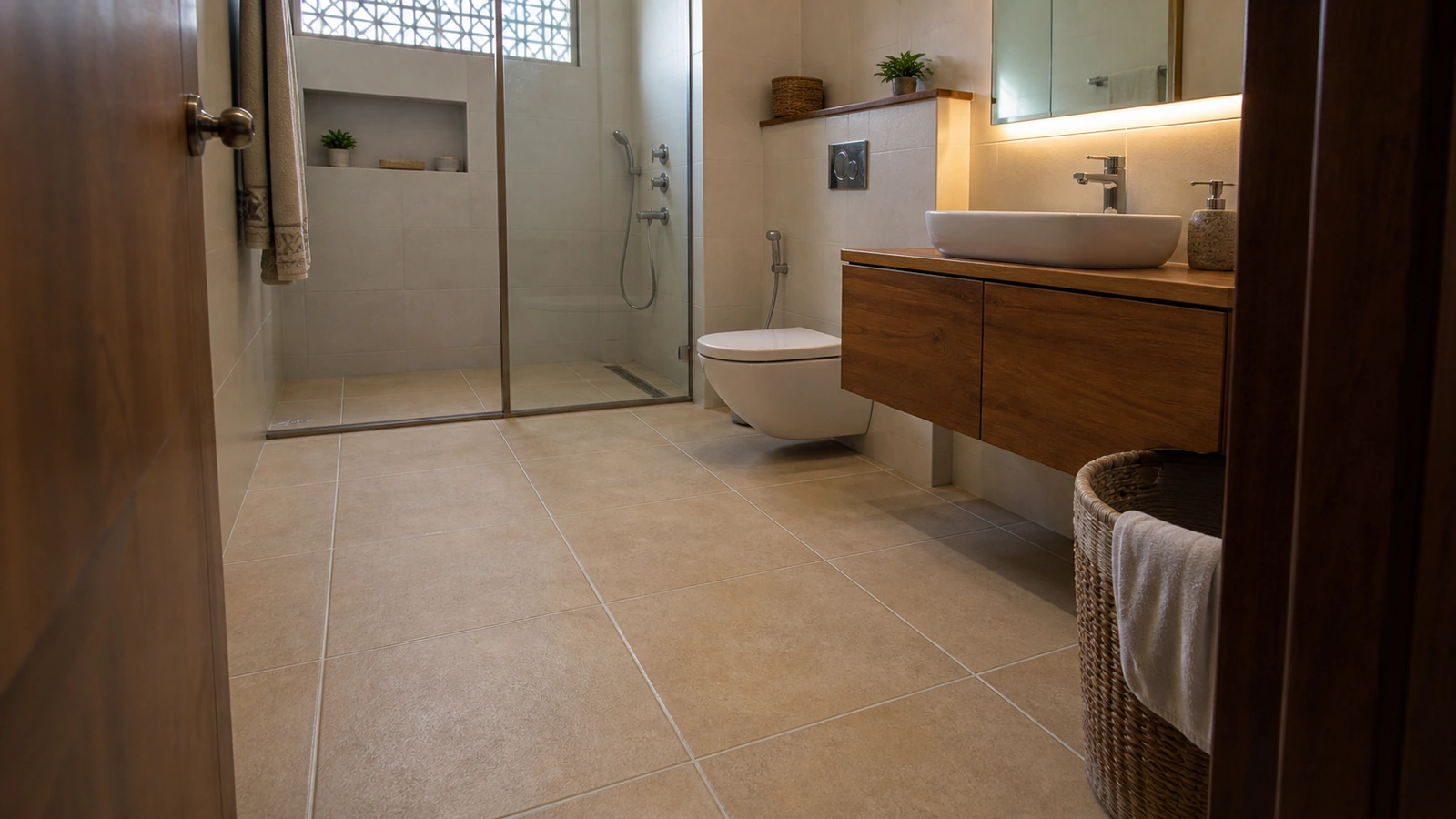
Anti-skid ceramic, confirmed wet COF | 500x500 mm, non-rectified | Matte | Rs. 38 to Rs. 46/sq.ft
The most accessible genuine bathroom pick here. Warm beige hides daily soiling better than white, and at this price the saving comes from ceramic body and non-rectified edges rather than from anything that affects safety or performance.
Idea 2: Mid-Grey Anti-Skid GVT, Best All-Round Bathroom Value
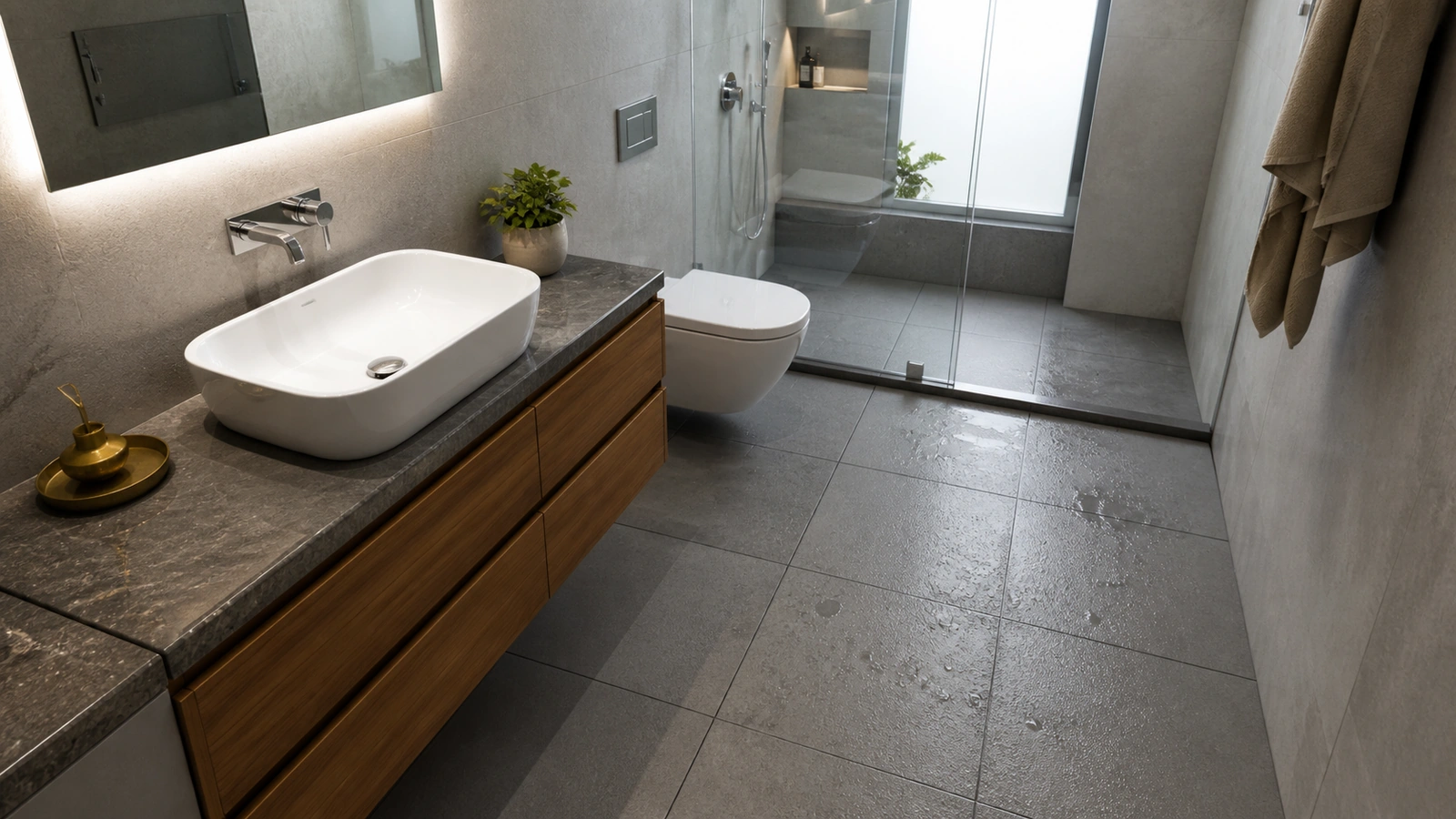
Anti-skid GVT, confirmed wet COF | 500x500 mm, non-rectified | Matte | Rs. 46 to Rs. 55/sq.ft
Moving to a vitrified body at the top of this budget buys lower water absorption and better long-term durability in a genuinely wet room. The strongest value pick in this guide and worth the few rupees over the ceramic option.
Idea 3: Sand-Tone Punch Anti-Skid GVT, Better Grip
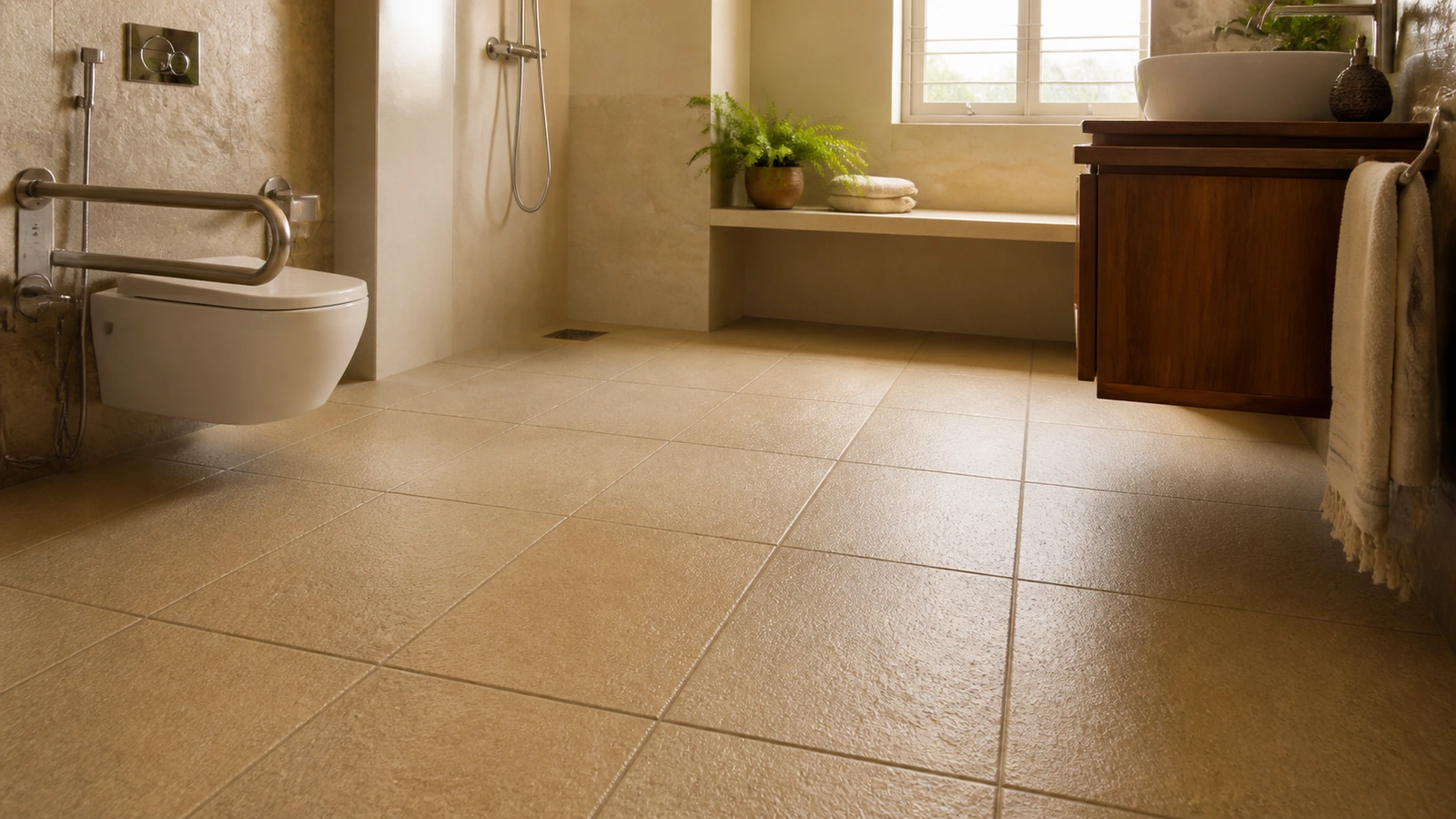
Punch texture GVT, body-moulded, confirmed wet COF | 500x500 mm | Matte | Rs. 48 to Rs. 55/sq.ft
Body-moulded punch texture provides genuine grip underfoot rather than relying on a glaze-level finish, which suits a bathroom used by elderly family members or young children.
Outdoor and Balcony Picks
Idea 4: Grey Stone-Look Anti-Skid GVT, Balcony Standard
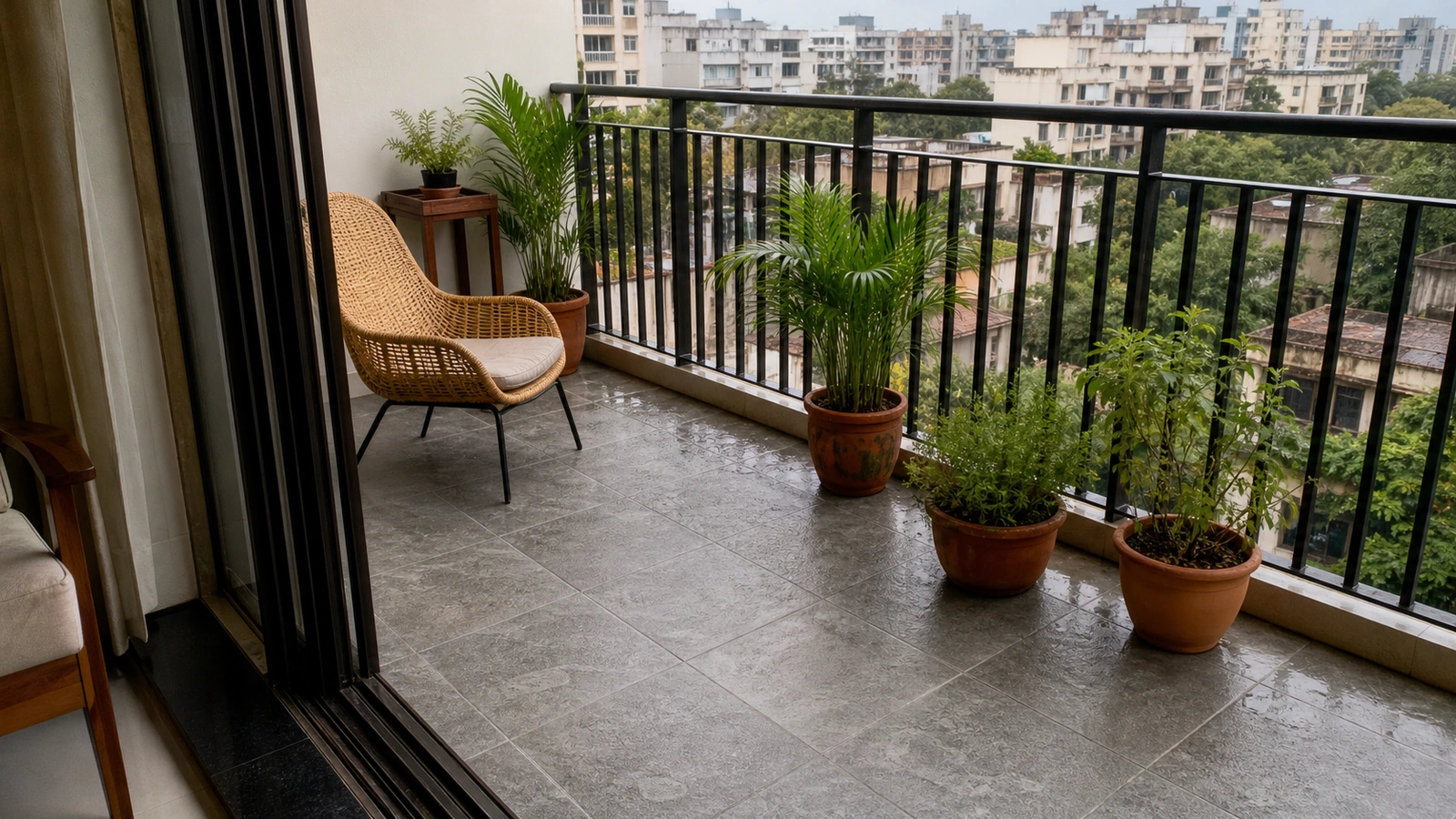
Anti-skid GVT, outdoor rated | 500x500 mm | Matte | Rs. 46 to Rs. 55/sq.ft
Vitrified body is genuinely necessary for outdoor tiles rather than optional, since low water absorption matters where rain and temperature swings are involved. Grey hides dust and monsoon splash marks well.
Idea 5: Terracotta Punch, Outdoor Pathway
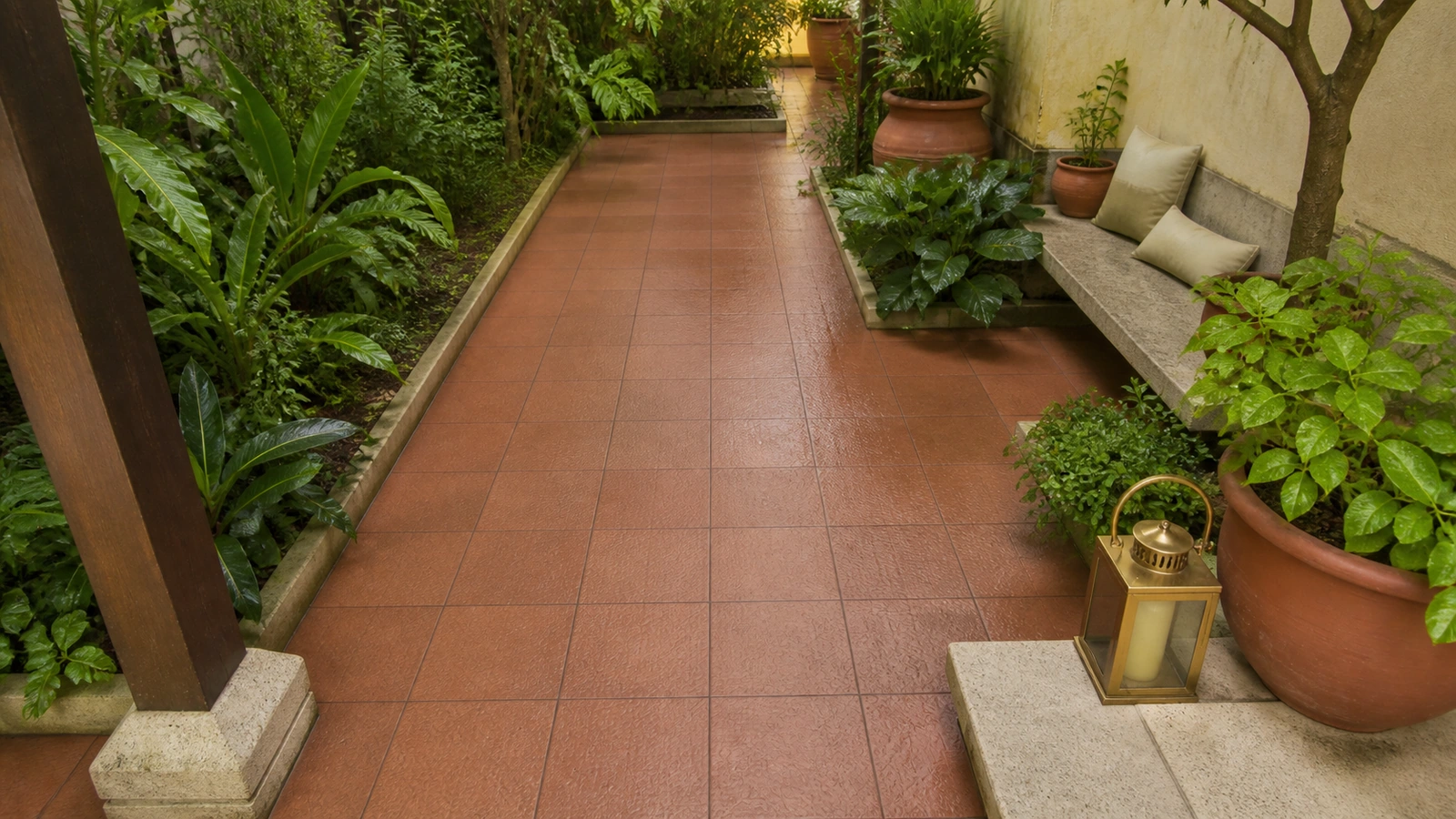
Punch texture GVT, body-moulded, outdoor rated | 500x500 mm | Matte | Rs. 48 to Rs. 55/sq.ft
Moulded texture gives real grip on a surface that will be wet during monsoon, and terracotta suits garden and courtyard settings while hiding soil splash more forgivingly than a pale tone.
Idea 6: Charcoal Anti-Skid GVT, Utility and Wash Area
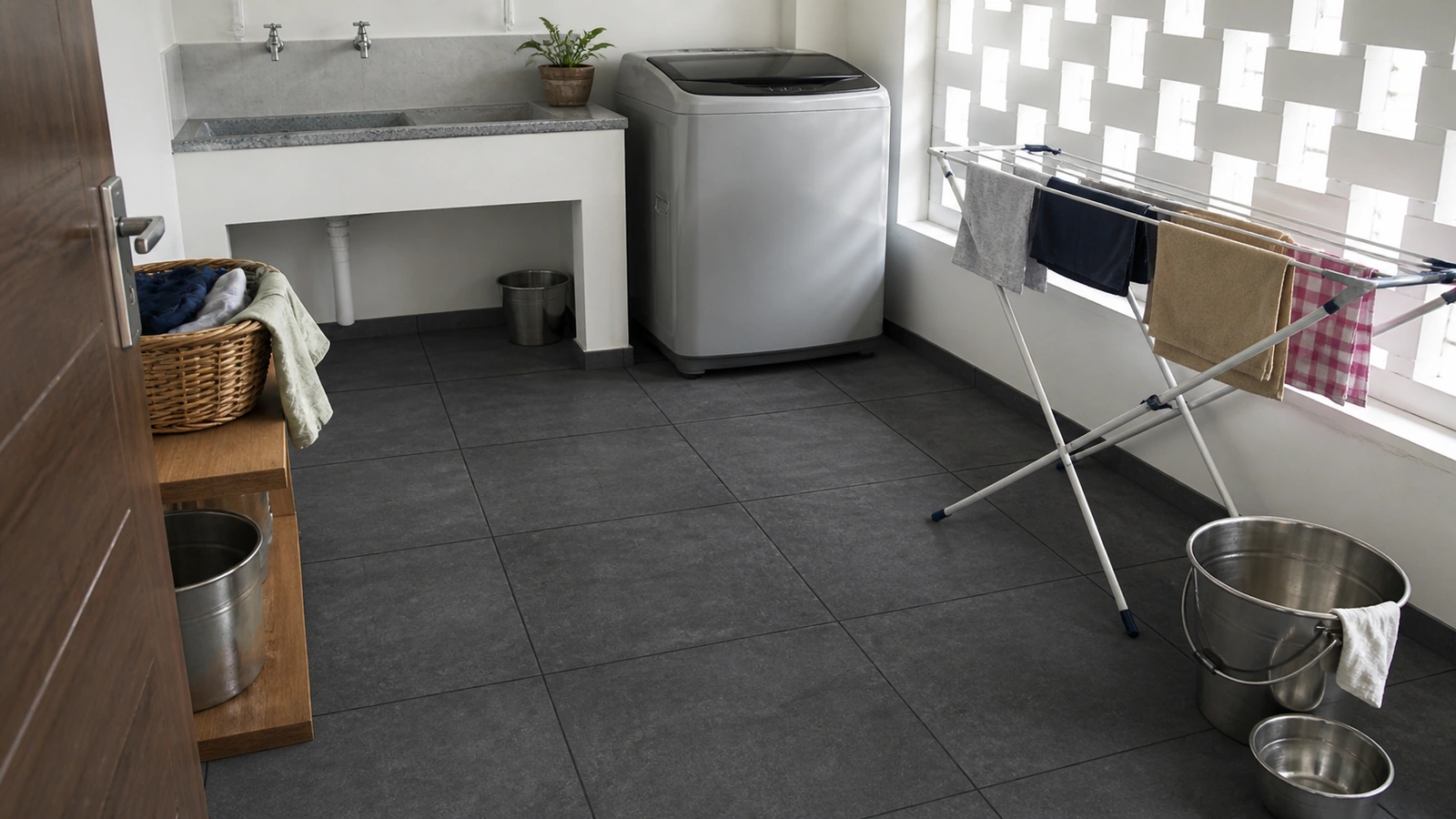
Anti-skid GVT, confirmed wet COF | 500x500 mm | Matte | Rs. 44 to Rs. 52/sq.ft
A dark tone in a wash area hides detergent residue, soil and hard water marks better than anything lighter, and this is a room where appearance matters less than grip and easy cleaning.
Parking Picks, With the Caveat Applied
Idea 7: Grey Anti-Skid GVT, Two-Wheeler and Light-Duty Parking
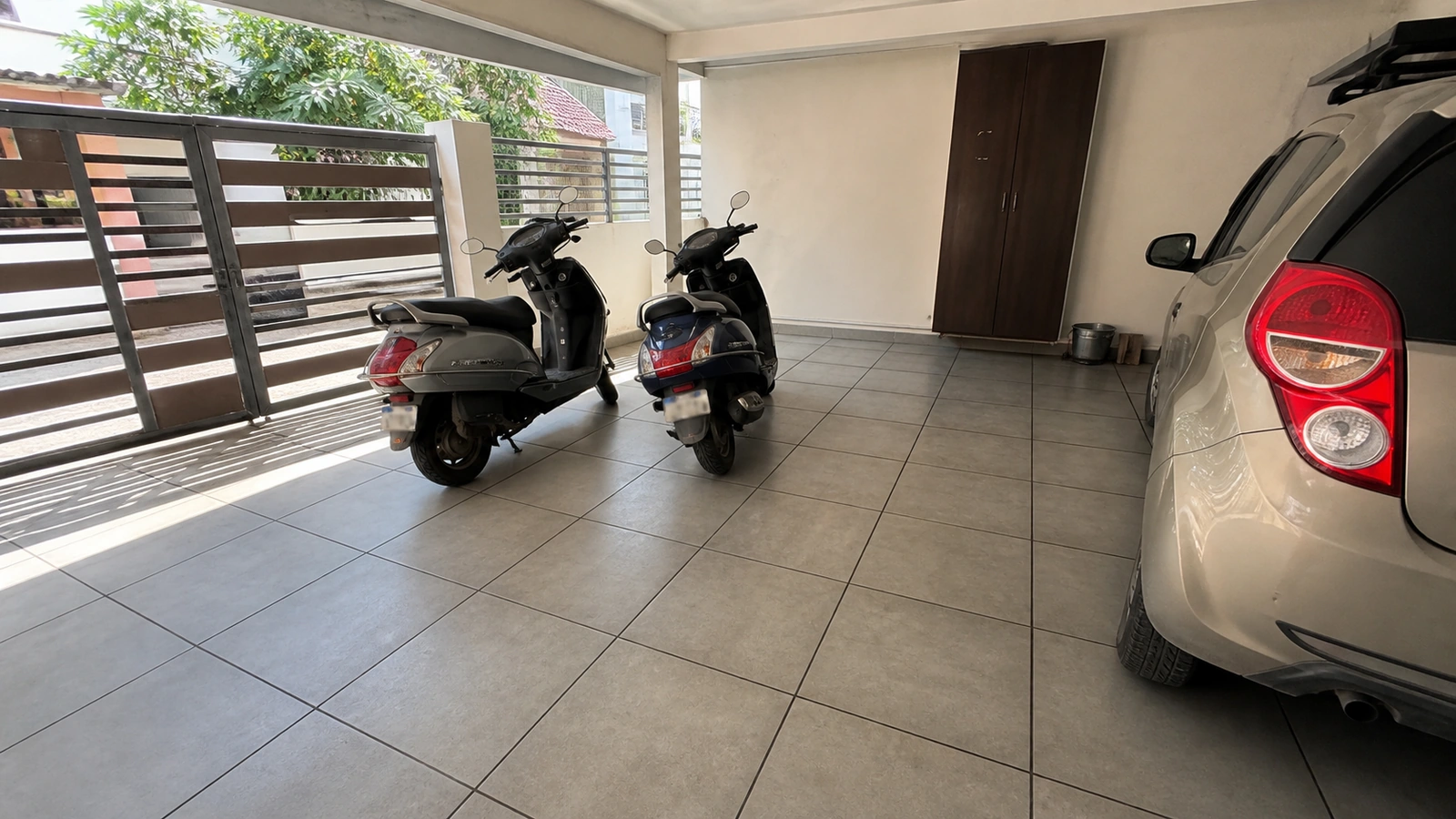
Anti-skid GVT, PEI 4, standard thickness | 500x500 mm | Matte | Rs. 48 to Rs. 55/sq.ft
Appropriate for two-wheeler parking, light-duty use and covered parking bays that see occasional rather than daily car movement. Confirm PEI 4 as a minimum and accept that this is not a full car-parking specification.
Idea 8: Charcoal Punch Texture GVT, Light Parking with Better Grip
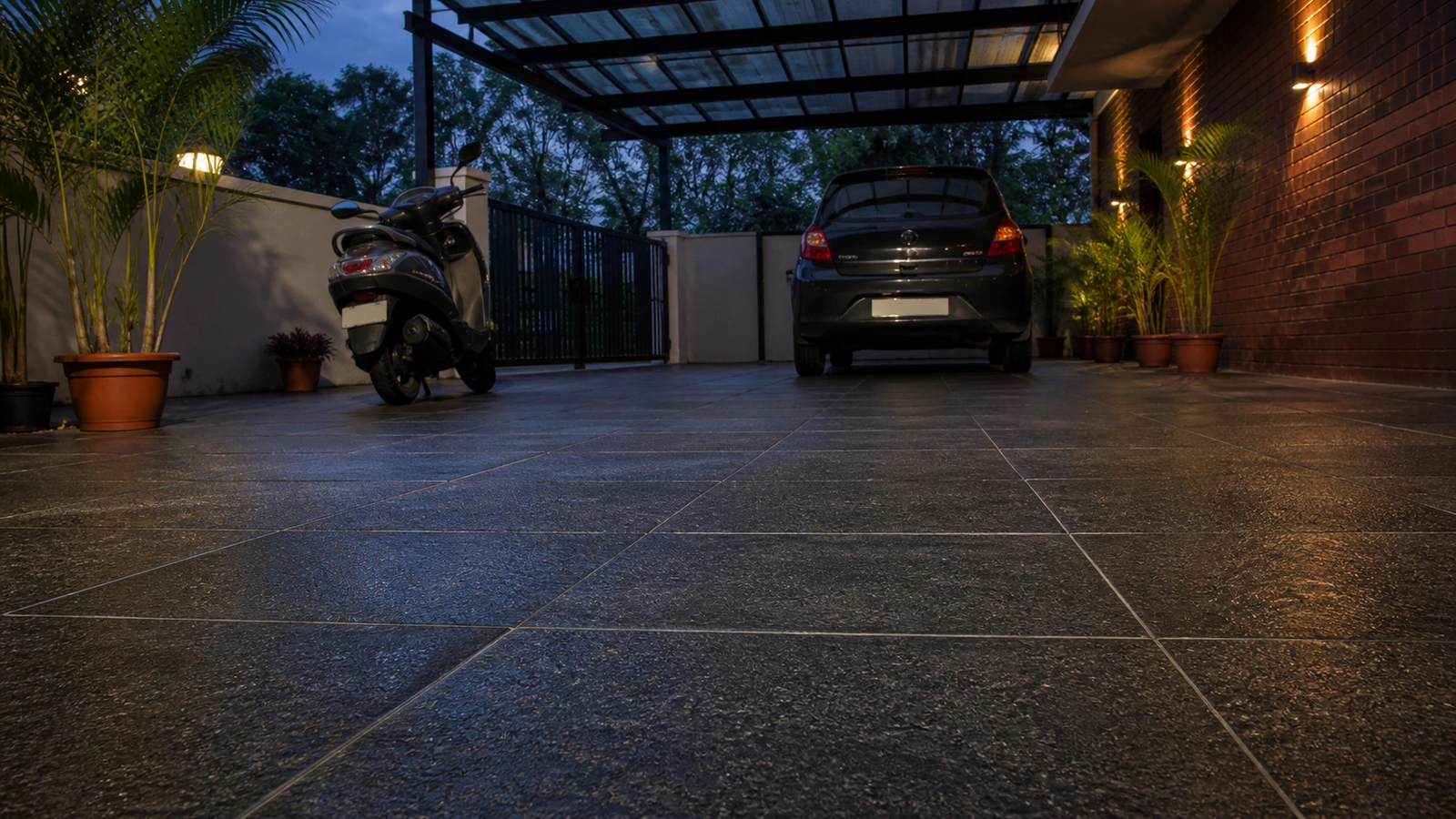
Punch texture GVT, PEI 4, outdoor rated | 500x500 mm | Matte | Rs. 50 to Rs. 55/sq.ft
Body-moulded texture handles wet tyres and monsoon conditions better than a smooth anti-skid surface, and charcoal hides tyre marks and oil residue. Same PEI 4 caveat applies.
For genuine car parking, budget separately: If the bay will take a car daily, specify PEI 5 with a thickness rated for vehicle load and expect Rs. 60 to Rs. 80 per sq.ft. Treating this as a separate line rather than forcing it under the Rs. 55 ceiling is the decision that avoids relaying the floor in three years. |
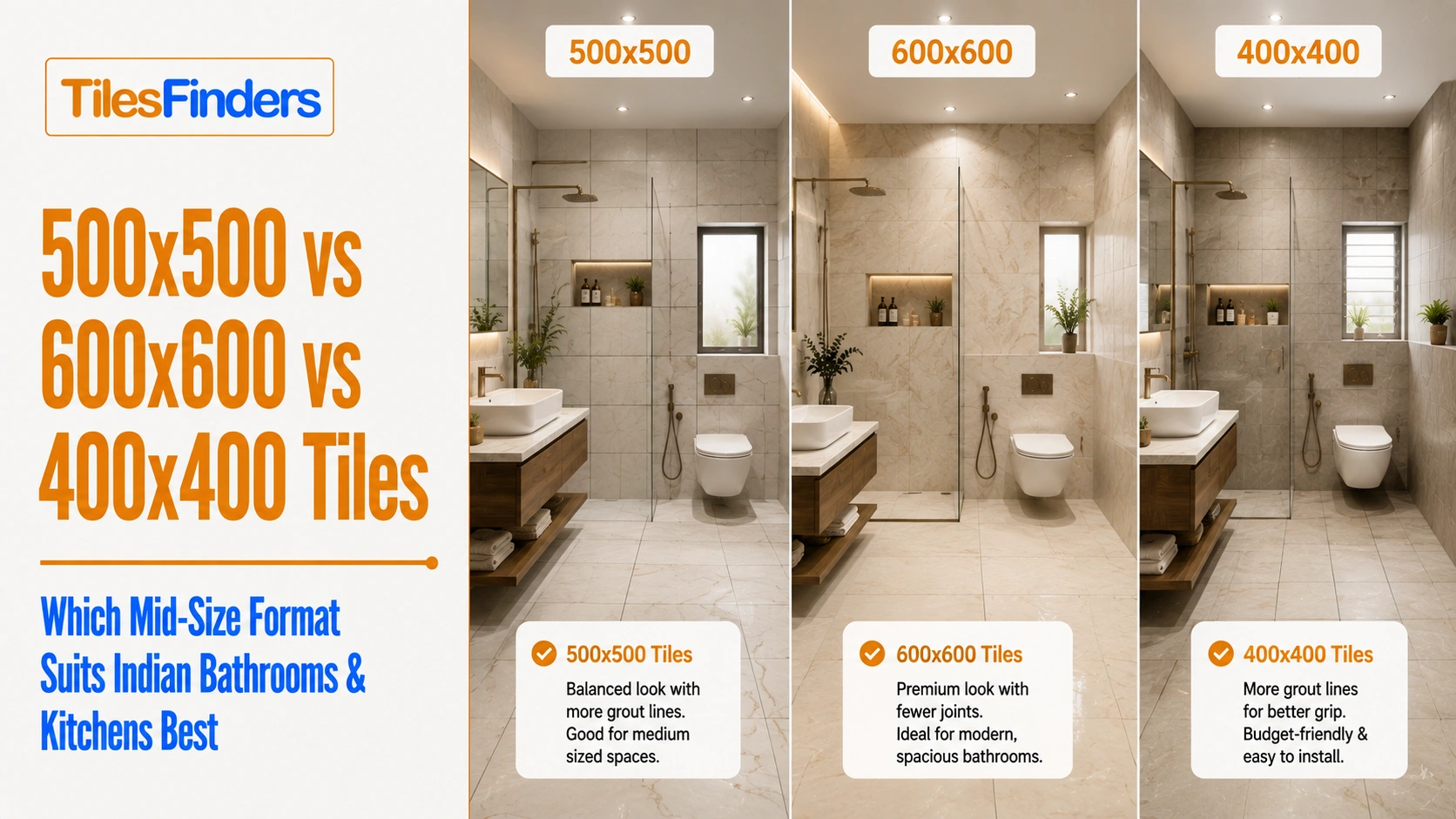
Budget is only one part of the decision; the tile size itself can change cutting waste, joint density and installation difficulty. A 500x500 format is not automatically the most economical choice for every room. For a direct comparison, see 500x500 vs 600x600 vs 400x400 tiles across Indian bathrooms and kitchens.
When Spending Rs. 20 More Is Genuinely Worth It
| Situation | Worth Upgrading? | Reasoning |
| Daily car parking | Yes, without question | PEI 5 and rated thickness are structural requirements, not finish preferences |
| Large open floor above 150 sq.ft | Yes | Low face variation shows repetition clearly across a big uninterrupted area |
| Main bathroom used daily by the household | Worth considering | A vitrified body and better finish quality earn their cost in a room used every day for years |
| Guest bathroom or occasional-use utility | No | Light use genuinely does not justify the upgrade; spend the difference elsewhere |
| Outdoor pathway | No | An entry vitrified anti-skid tile performs the job properly at this budget |
| Wash area | No | Function matters far more than finish quality here |
Once the specification and budget are settled, the next decision is how the 500x500 format should actually look in the room. Different layouts can make the same tile feel traditional, contemporary or more spacious. Explore these 500x500 tile design ideas to see which patterns and combinations suit different Indian spaces.
Before You Order
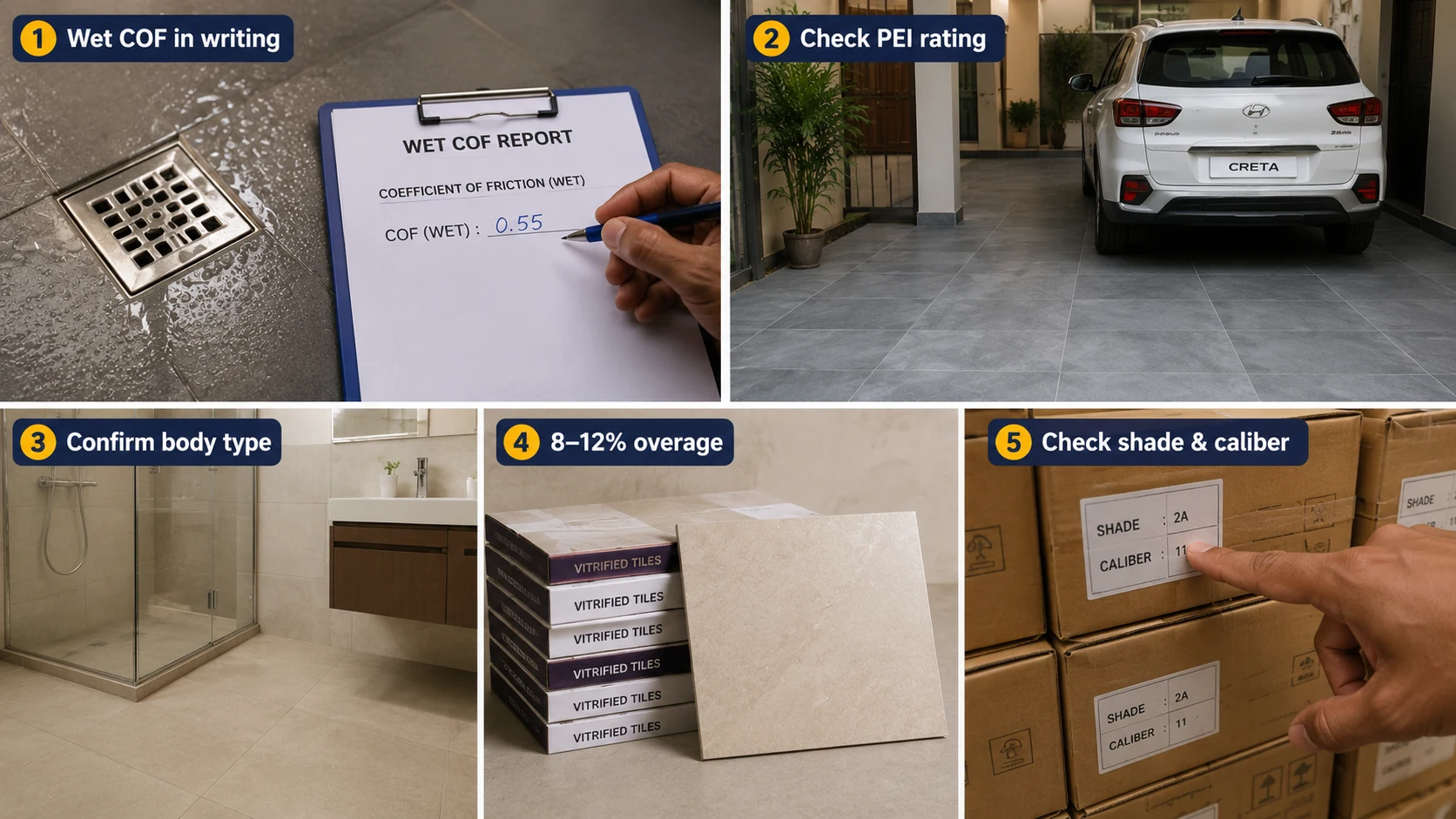
- Ask for the wet COF figure in writing for every wet-area pick, and treat a verbal assurance that a tile is anti-skid as insufficient.
- Ask for the PEI rating and match it honestly to the traffic, particularly for anything involving a vehicle.
- Confirm body type against the room; vitrified for outdoor and wet floors, ceramic acceptable for dry indoor use.
- Order 8 to 12% overage depending on room complexity, and resist trimming it, since matching a later purchase at this tier is unreliable.
- Check shade code and calibre physically at delivery on every pallet, not just the first box.
Compare Budget-Tier 500x500 Ranges on TilesFinders
500x500 mm ranges under Rs. 55 can be filtered on TilesFinders by body type, finish and anti-skid rating, so you can confirm the three non-negotiable specifications before comparing anything on appearance.
FAQs
For two-wheeler and light-duty parking, yes, at PEI 4 and standard thickness. For daily car parking, generally not, since PEI 5 with a thickness rated for vehicle load usually costs Rs. 60 to Rs. 80. Budget parking as a separate line rather than forcing it under the ceiling.
Yes, for an indoor bathroom, provided the wet coefficient of friction is confirmed at 0.4 minimum. A vitrified body offers lower water absorption and better long-term durability, which is worth the few rupees difference in a main bathroom used daily.
Typically, body construction, face variation, edge rectification and format size. It does not have to compromise on anti-skid rating, water absorption appropriate to the body, or PEI rating, and those three should be confirmed rather than assumed.
No. A wider grout joint is a legitimate design choice rather than a defect, and in a bathroom, utility area or parking bay, it makes no practical difference. It is one of the genuinely free savings at this budget.
Mid-grey anti-skid GVT for a bathroom at Rs. 46 to Rs. 55, where moving from ceramic to a vitrified body buys lower water absorption and better durability in a genuinely wet room for a small price difference.
Yes. Outdoor floors face rain and temperature swings, so low water absorption genuinely matters. Ceramic is appropriate for dry indoor use but should not be specified for an outdoor floor, even on a budget.
Skipping confirmed anti-skid in a wet area, using PEI 4 where PEI 5 is needed, ceramic on an outdoor floor, cutting overage below what the room needs, and cement grout in a wet area. Each costs more to remedy than it saved.
8 to 12% depending on room complexity, and do not trim it. Matching a later purchase for shade and calibre is unreliable at any tier and particularly so at entry level, where batch consistency is less tightly controlled.


See our tile guides first
Set TilesFinders as a preferred source and our buying guides surface ahead of the rest for you.
Add as preferred sourceTakes one tap. Nothing to install.
What Readers Say
I was about to redo my parking area with the wrong tile size until I read this. The layout comparisons saved me from a costly mistake.
We reference TilesFinders guides while briefing clients on material selection. The size and pattern breakdowns are accurate and easy to explain visually.
On site, I get asked about grout spacing all the time. This article gave me a solid reference I now share with my team before every job.
Finally a guide that doesn't just push generic advice. The oil stain removal steps actually worked on our clubhouse driveway tiles.
I run a small construction firm and now send this link to clients directly when they ask about entrance tile sizing. Saves me an hour of explaining.
Good practical detail, though I wish there were more examples for compact apartment entrances specifically, not just villas.
My mother-in-law wanted marble, I wanted vitrified. This blog gave us the neutral comparison we needed to actually decide together.
Detailed without being overwhelming. I appreciated that it covered both cost and maintenance, not just the aesthetics.
Used the algae and hard water removal tips on our terrace tiles after the monsoon. Worked better than what our regular cleaner was doing.
As someone who sources tiles for multiple builder projects, I find these comparisons genuinely useful for vendor conversations, not just consumer content.
Recommended this to a client who kept second-guessing the entrance design. The small vs large layout section settled the debate instantly.
Straightforward and honest, no unnecessary jargon. Would like to see a similar breakdown for outdoor pool-deck tiles next.
We've bookmarked several TilesFinders guides for our design handbook. Reliable source when clients want data, not just opinions.
Two paths, one marketplace.
Get free quotes from verified suppliers.
Share your room, budget, and style. Suppliers in Morbi respond within hours.
Get Free QuotesList your business, reach real buyers.
Put your showroom in front of homeowners searching for tiles right now.
List Your Business