Best Outdoor Tiles for Indian Weather Conditions
Create lasting outdoor spaces with the right flooring. Learn why low water absorption, proper grip, and sturdy materials like vitrified tiles are essential for Indian weather conditions.
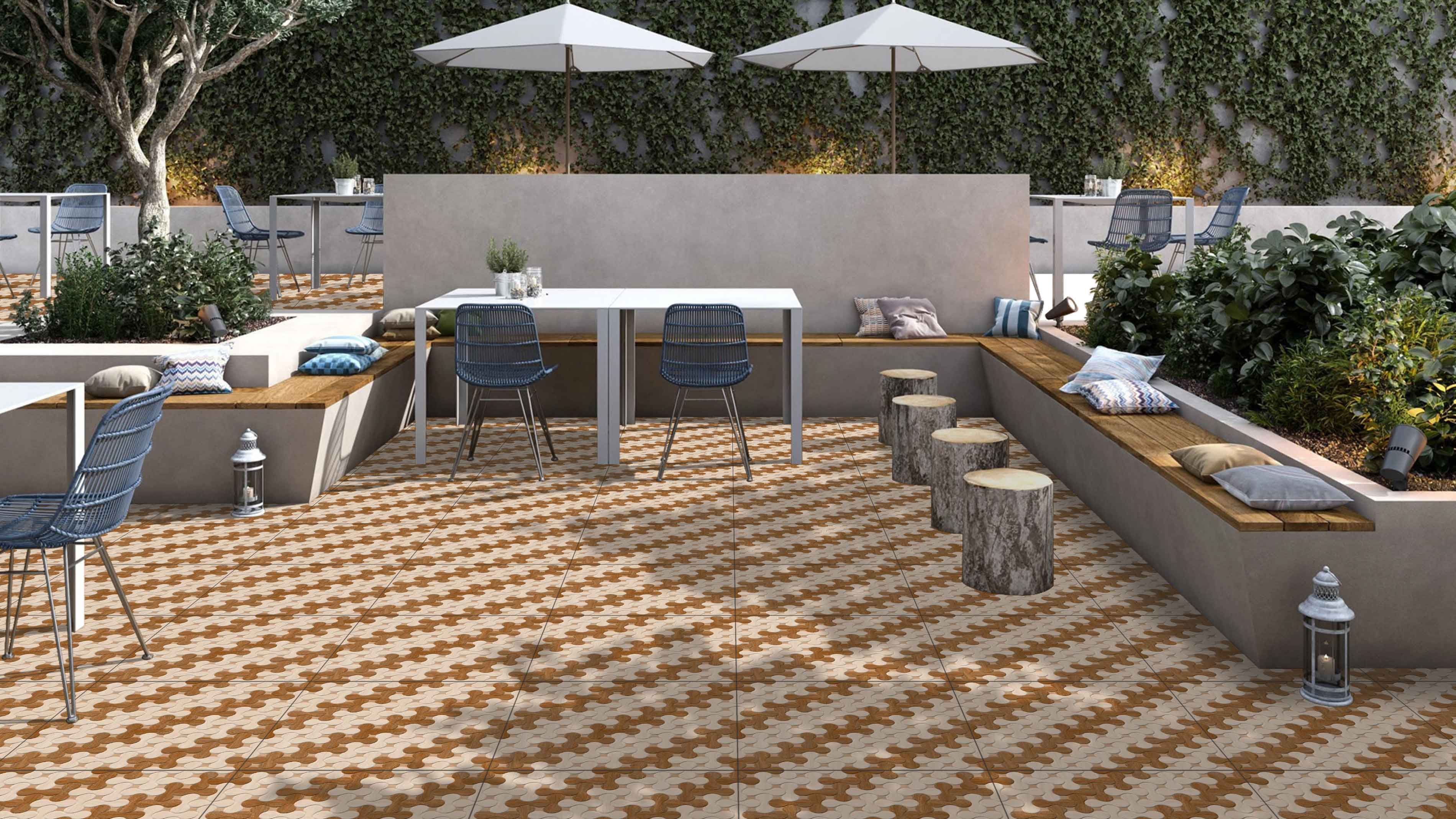
Designing an outdoor space in India is not as simple as picking something that looks good on a catalogue page. Our climate doesn’t play nice. Scorching summers, sudden temperature drops, heavy monsoons, and constant foot traffic all test the limits of your flooring. That’s why choosing outdoor tiles in India isn’t just a design decision, it’s a performance decision.
Outdoor tiles must withstand heat, rain, dust, and daily use without cracking, fading, or becoming slippery. A good tile doesn’t complain when the temperature touches 45°C or when rainwater sits on it for hours. It quietly does its job, keeping your space functional and safe for years.
Built to Last: Key Features for Durability
When it comes to long-term performance, there are a few things you simply cannot compromise on.
Low water absorption is critical in Indian conditions. During the monsoon, porous tiles soak in moisture, leading to moss growth, stains, and dampness seeping into the structure below. Always look for tiles with water absorption below 0.5%. This is where true weather-resistant tiles stand out; they don’t absorb water, swell, or weaken over time.
Temperature resistance matters more than people realise. Indian summers cause tiles to expand, while sudden cooling at night or during rain leads to contraction. If tiles are laid joint-free, they will crack or pop out. A proper 3mm to 4mm spacer gap is non-negotiable for outdoor installations.
Strength and thickness are equally important. Open terraces, driveways, and garden walkways need tiles that can handle heavy furniture and constant movement. Outdoor tiles are typically thicker, often 10mm or more, to withstand load without stress fractures.
Keeping It Safe: Choosing the Right Surface Finish
Outdoor safety is not optional, especially in a country where rain can turn a surface slippery within seconds. This is where anti-slip outdoor tiles come into play.
Tiles with a matte, textured, or rough finish provide better grip under wet conditions. You may come across the term 'COF' (Coefficient of Friction) while shopping. Higher values indicate better slip resistance. When choosing matte tiles, slip ratings matter too: plain-look matte surfaces should ideally meet an R10 rating, while embossed or structured matte finishes can safely perform at R9 due to their added texture. Even without getting technical, remember this: glossy or polished tiles outdoors are an accident waiting to happen
For balconies, patios, and wash areas, textured finishes such as rock, punch, or structured matte surfaces offer the traction needed to prevent slips during the monsoon.
The Best Tiles for Your Specific Outdoor Area
Not every outdoor space behaves the same way, so your tile choice should reflect that.
For terraces and balconies, medium-format tiles in lighter shades work best. They visually open up the space, reflect heat, and are easier to maintain. Proper slope and waterproof grout are essential here. Epoxy grout is highly recommended for terrace flooring tiles in India, as it prevents water from seeping into the roof slab.
For patios and walkways, aesthetics and safety go hand in hand. Stone-look or wood-look tiles bring character while offering durability. Since these areas see frequent movement, patio floor tiles must be skid-resistant and tough enough to handle daily wear.
Material Breakdown: Which Tile Reigns Supreme?
Vitrified Tiles
These are the most reliable all-rounders for Indian outdoor spaces. With extremely low porosity and high strength, they handle monsoons and heat with ease. Available in stone, wood, and concrete looks, they are ideal for high-traffic terraces, balconies, and patios. They come in GVT (glazed vitrified tiles), full-body, and coloured body variants.
Natural Stone (Marble, Kota, Granite, Slate)
Naturally tough and visually rich, stone works beautifully outdoors. However, it requires periodic sealing to prevent staining and moisture absorption. Best for homeowners willing to maintain it.
Terracotta and Quarry Tiles
Perfect for rustic aesthetics and naturally anti-skid, but they are more porous. These work better in dry regions or semi-covered spaces.
Final Considerations Before You Buy
Choosing the right outdoor tiles in India comes down to three essentials: low water absorption, a genuinely anti-slip surface, and strong UV resistance. Ignore any one of these, and your outdoor flooring will struggle to age gracefully.
Also, remember that even the best tile can fail if installed incorrectly. Proper spacing, waterproof grouting, and correct slope matter just as much as material quality.
When done right, outdoor flooring doesn’t just survive Indian weather; it thrives in it. And once you’ve understood what truly works, you’ll be confident enough to buy stylish tiles online that look good today and stay reliable tomorrow.

See our tile guides first
Set TilesFinders as a preferred source and our buying guides surface ahead of the rest for you.
Add as preferred sourceTakes one tap. Nothing to install.
What Readers Say
I was about to redo my parking area with the wrong tile size until I read this. The layout comparisons saved me from a costly mistake.
We reference TilesFinders guides while briefing clients on material selection. The size and pattern breakdowns are accurate and easy to explain visually.
On site, I get asked about grout spacing all the time. This article gave me a solid reference I now share with my team before every job.
Finally a guide that doesn't just push generic advice. The oil stain removal steps actually worked on our clubhouse driveway tiles.
I run a small construction firm and now send this link to clients directly when they ask about entrance tile sizing. Saves me an hour of explaining.
Good practical detail, though I wish there were more examples for compact apartment entrances specifically, not just villas.
My mother-in-law wanted marble, I wanted vitrified. This blog gave us the neutral comparison we needed to actually decide together.
Detailed without being overwhelming. I appreciated that it covered both cost and maintenance, not just the aesthetics.
Used the algae and hard water removal tips on our terrace tiles after the monsoon. Worked better than what our regular cleaner was doing.
As someone who sources tiles for multiple builder projects, I find these comparisons genuinely useful for vendor conversations, not just consumer content.
Recommended this to a client who kept second-guessing the entrance design. The small vs large layout section settled the debate instantly.
Straightforward and honest, no unnecessary jargon. Would like to see a similar breakdown for outdoor pool-deck tiles next.
We've bookmarked several TilesFinders guides for our design handbook. Reliable source when clients want data, not just opinions.
Two paths, one marketplace.
Get free quotes from verified suppliers.
Share your room, budget, and style. Suppliers in Morbi respond within hours.
Get Free QuotesList your business, reach real buyers.
Put your showroom in front of homeowners searching for tiles right now.
List Your BusinessMore Blogs
See all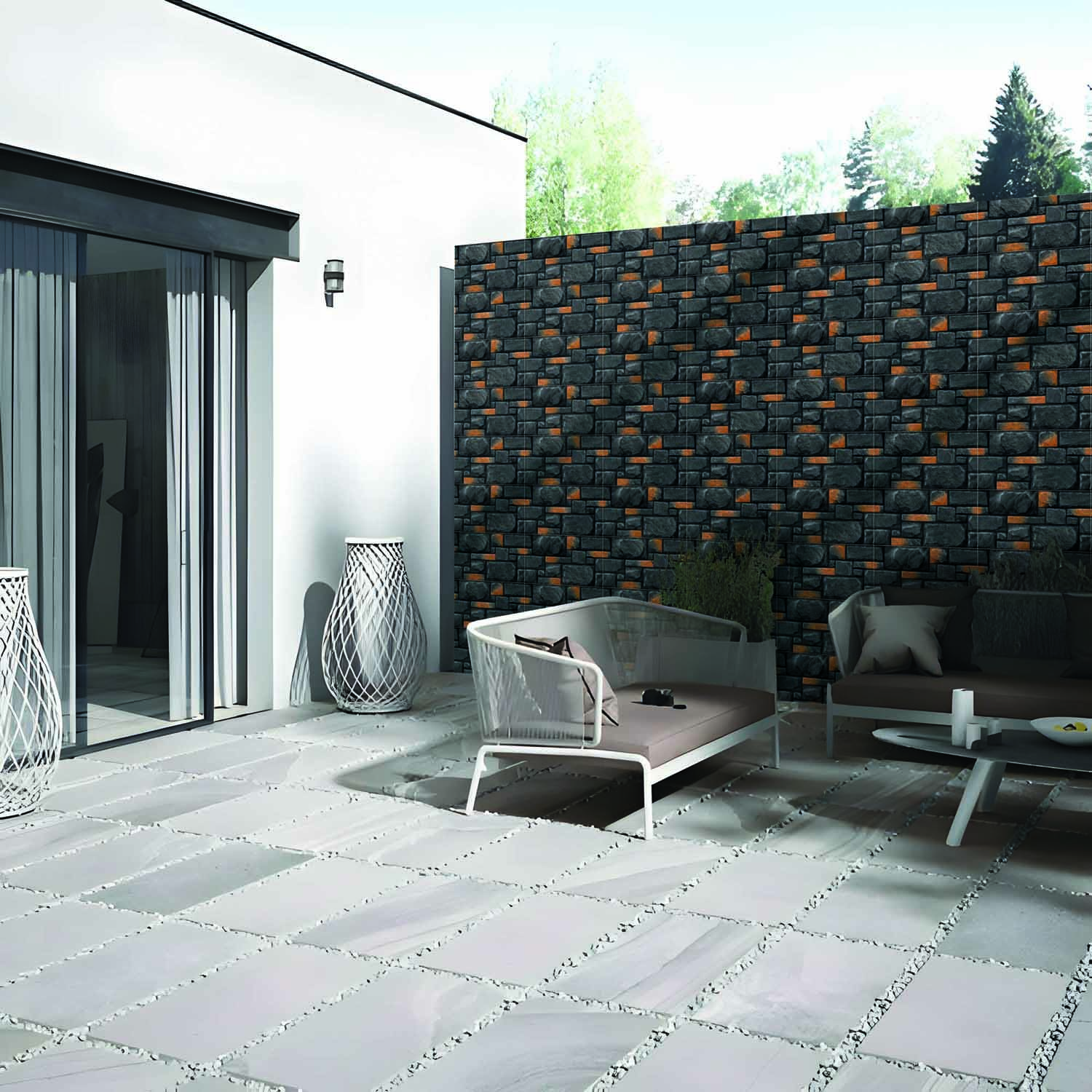
Outdoor Wall & Floor Tile Designs for Indian Climate
Transform your outdoors with durable wall and floor tiles. From rustic brick elevations to stylis...
Read More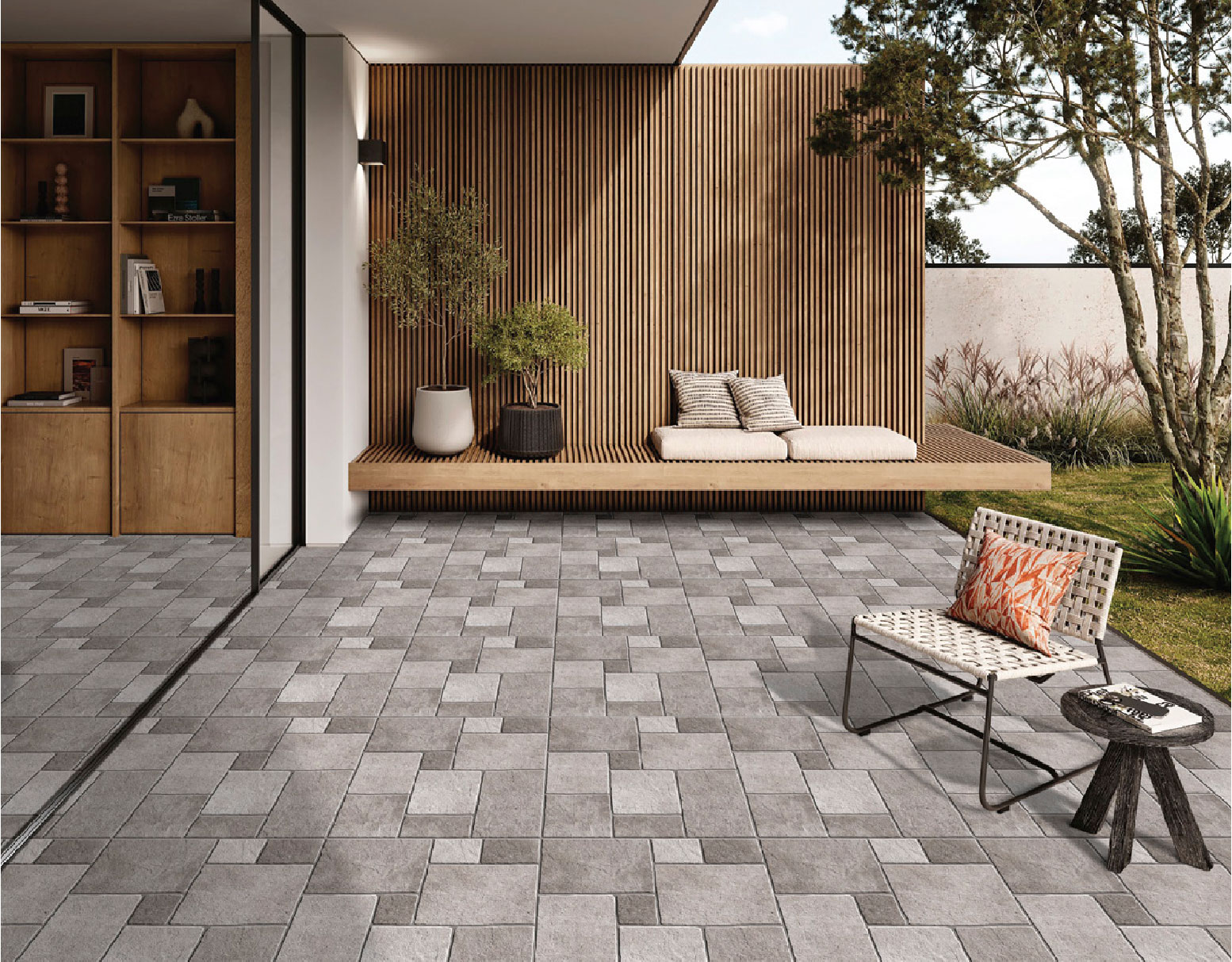
Stone Look Outdoor Tiles vs Natural Stone
Natural stone or stone-look tiles? Find out why vitrified tiles are the ultimate choice for durab...
Read More