

Stone Bathroom Tiles: Slip Rating, Sizing and Colour Guide
Loading designs...
-
W Rockline 01 300x600Matte -
Bucak Light 200x1000Matte -
Navona White 200x1000Matte -
Scabos Honed 200x1000Matte -
Silver Mist Honed 200x1000Matte -
Noir Honed 200x1000Matte -
Silyon Ivory 200x1000Matte -
Vesta White 200x1000Matte -
Silyon Beige 200x1000Matte -
Vesta Grey 200x1000Matte -
Volcano 200x1000Matte -
W Rockline 02 300x600Matte -
W Rockline 03 300x600Matte -
W Rockline 04 300x600Matte -
Lyon 01 300x600Matte -
W Rockline 05 300x600Matte -
W Rockline 06 300x600Matte -
Lyon 02 300x600Matte -
W Rockline 07 300x600Matte -
Lyon 03 300x600Matte
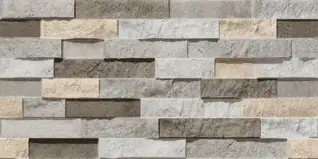





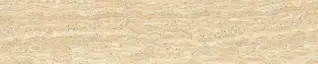



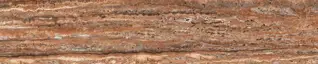
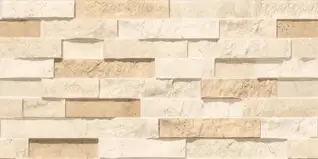
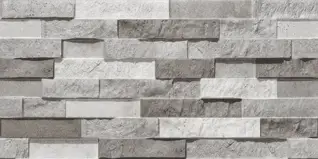
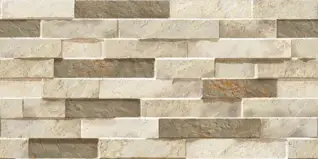
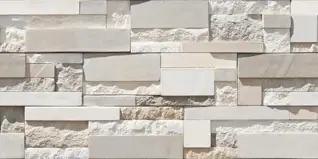
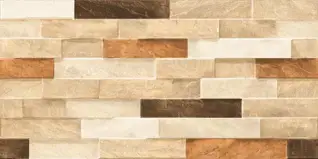
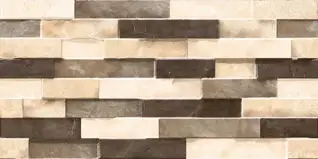
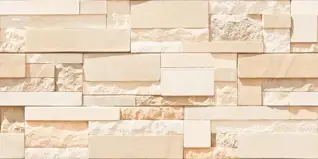
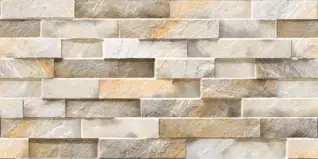
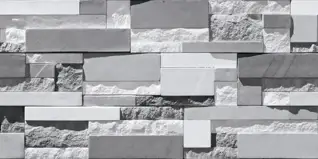
Stone bathroom tiles bring the calm, natural texture of the wider TilesFinders stone tiles range into one of the wettest, highest risk rooms in any Indian home. A bathroom floor deals with standing water, soap residue, and bare feet every single day, which makes slip resistance and water absorption matter more here than on almost any other stone application on this site.
Stone tile flooring bathroom and stone bathroom floor tiles are the two searches that bring most buyers to this page, usually looking for the same thing from slightly different angles: a floor that looks like natural stone but will not turn dangerous or stain within the first year. Natural stone bathroom tiles remain available for buyers who want the real material, though genuine stone brings sealing and etching risks that a porcelain or vitrified stone effect tile simply does not carry into a wet room.
Stone bathroom tiles cost Rs. 50 to Rs. 160 per sq.ft in India, with a compact ceramic tile at the lower end and a large format vitrified slab or genuine natural stone at the top of that range. Most of this stock ships from Morbi, Gujarat, in size aliases such as 1x1 feet (300x300mm) and 2x2 feet (600x600mm), the two formats most Indian bathrooms actually use.
What Makes a Tile Bathroom-Safe?
A bathroom tile answers to two ratings before colour or texture even enter the conversation. Slip resistance, tested as an R rating under DIN 51130, should sit at R10 or above for a bathroom floor, since standing water and soap film turn even a lightly textured surface risky without this rating confirmed on the listing.
Water absorption matters just as much. Full body and double charge vitrified sit under 0.05 percent, glazed vitrified under 0.5 percent, both under IS 15622, while ceramic runs 3 to 10 percent under IS 13630. Ceramic is generally floor rated only in 300x300mm sizes for a light traffic bathroom, which is exactly the exception that shows up most often in Indian bathroom renovations.
A polished stone look finish should never go on a bathroom floor, regardless of how good it looks dry. Matte, honed, or lightly textured surfaces are the safe default, and epoxy grout is worth the extra cost in every bathroom joint, since it resists the mould and staining that ordinary cement grout picks up within a season of daily steam and splashing.
Natural Stone vs Stone Effect Porcelain for Bathrooms
Buyers asking what the best natural stone for bathroom floor use actually is are really asking how to balance look against upkeep, since a bathroom is arguably the hardest room in the house for genuine natural stone. Constant humidity, standing water, and daily contact with soap and shampoo residue accelerate exactly the problems natural stone is prone to elsewhere, only faster.
Calcite-based stones such as marble, travertine, and limestone are particularly at risk here, since acidic substances, including ordinary soap and some cleaning products, can etch the surface and leave a dull, permanently marked patch. Silica-based stones such as quartzite and slate resist this chemical reaction far better, which is worth knowing if genuine stone is non-negotiable for a specific bathroom project.
Stone effect bathroom tiles, also searched as stone look bathroom tiles, sidestep this entire category of risk in porcelain or vitrified form. They arrive sealed by the firing process, resist both water and acidic staining, and need no ongoing maintenance beyond regular cleaning, which is a meaningful advantage in a room that gets used daily without much thought given to upkeep.
| Stone Type | Etching Risk | Slip Safety (unsealed) | Best Suited For |
| Porcelain/vitrified stone effect | None | Good with matte or textured finish | Any bathroom, best all-round choice |
| Quartzite (genuine) | Low | Good when honed | Buyers wanting real stone with less upkeep risk |
| Slate (genuine) | Low | Good when riven or textured | Buyers wanting real stone with natural texture |
| Marble (genuine) | High | Poor when polished | Low traffic, dry powder rooms only |
| Travertine (genuine) | High | Moderate when honed | Low traffic bathrooms with careful sealing |
Stone Bathroom Floor Tiles: Sizes and Slip Safety
Stone bathroom floor tiles typically come in 300x300mm or 600x600mm sizes, both easy to cut around fittings and drains in a standard Indian bathroom layout. Larger formats exist but are less common here simply because most bathrooms are too small and too broken up by fixtures to benefit from the grout line reduction a bigger slab offers elsewhere in the house.
Stone floor tiles for bathroom use should carry a confirmed R10 or R11 rating rather than relying on texture alone to suggest grip. A deeply riven or heavily textured finish looks like it should be safe, but only a tested and stated rating actually confirms it, and this is worth checking on the specific listing rather than assumed from the product photo.
Stone Bathroom Wall Tiles
Bathroom stone wall applications carry none of the slip concerns a floor does, which opens up a wider range of finishes, including polished stone effect tiles and patterned PGVT designs that would never be appropriate underfoot. A shower wall still needs a body rated for constant moisture, generally glazed or full body vitrified, while a dry wall zone away from direct water spray has more flexibility.
Bathroom stone wall tiles work particularly well as a single feature wall behind a vanity or bathtub, keeping the more dramatic, heavily textured look contained to one surface rather than the whole room. For buyers weighing a full stacked stone or heavily textured wall treatment, the fixing and weight considerations covered on the stone cladding tiles page apply here too, particularly for a shower wall carrying a large format or deeply relieved panel.
Choosing a Colour: Grey, White, Beige and Natural Stone Tones
Grey stone bathroom tiles remain the safest, most requested choice, hiding water spots and everyday grime better than any lighter tone while still reading as calm and contemporary. It is the default recommendation for most Indian bathroom renovations for exactly this reason.
White stone bathroom tiles brighten a small or windowless bathroom effectively, though white shows water spots, soap scum, and grout discolouration faster than grey does, which means a white bathroom floor generally needs more frequent cleaning to keep looking fresh.
Beige stone bathroom tones sit between the two, offering a warmer feel than grey while hiding dirt reasonably well. Natural stone for bathroom floor buyers specifically searching this warmer palette are usually picturing a travertine or limestone look, both of which are available as a porcelain stone effect without the etching risk the genuine versions carry into a wet room.
Turquoise and Emerald Green: Bold Colour Trends Beyond Stone
Turquoise bathroom tiles and emerald green tiles bathroom searches point to a genuinely different aesthetic direction from the neutral stone tones covered above. These are bold, saturated glazed ceramic or porcelain colours, not natural stone tones, and they belong on this page mainly because bathroom tile shoppers researching stone options often browse both directions before deciding.
Emerald green subway tile bathroom designs pair a rectangular subway format, usually glossy or semi-gloss, with a jewel-toned green glaze, typically used as a full or partial wall treatment rather than a floor, since a glossy floor finish carries the same slip risk any polished surface does in a wet room. Turquoise works the same way: a striking accent wall colour rather than a stone replacement, best paired with a neutral grey or white stone effect floor so the room has one clear focal point rather than competing colours underfoot and overhead.
How to Choose Stone Bathroom Tiles for Your Space
Start with the floor, since it carries the most safety considerations. A confirmed R10 or R11 slip rating and matte-finish tiles suited to constant moisture, generally glazed or full-body vitrified, should be non-negotiable regardless of which look or colour is chosen.
Next, decide between genuine natural stone and a porcelain stone effect based on how much ongoing care the household is realistically willing to give the floor. A busy family bathroom almost always does better with a sealed, low-maintenance porcelain finish, while a low-traffic guest bathroom has more room for a higher-maintenance genuine stone choice if the look matters enough to justify it.
Finally, use colour to set the mood rather than solve a safety problem. Grey and white handle the practical decisions well on their own, leaving a bolder colour like emerald green or turquoise free to do what it does best: add personality to one wall rather than the whole room.
Water Absorption, Slip Rating and Regional Pricing
Stone bathroom tiles rated for wet floor use carry water absorption under 0.5 percent as glazed vitrified or under 0.05 percent as full body vitrified, both tested to IS 15622:2006, while ceramic runs 3 to 10 percent under IS 13630 and stays limited to 300x300mm light traffic bathroom floors. A 300x300mm tile in this finish typically costs Rs. 50 to Rs. 80 per sq.ft, while a 600x600mm option runs Rs. 85 to Rs. 130 per sq.ft, with genuine natural stone sitting higher again once sealing and fabrication are included.
Most of this stock ships from Morbi, Gujarat, keeping porcelain and vitrified bathroom tile pricing steady across India regardless of which stone look or colour is chosen. Installation for a bathroom floor or wall adds Rs. 20 to Rs. 35 per sq.ft in most of Gujarat and neighbouring states, with epoxy grout adding a further Rs. 8 to Rs. 15 per sq.ft that most bathroom projects consider worth the cost given daily water exposure.
Buyers sourcing directly from Morbi factories typically save on freight for larger renovation orders, though this varies with distance and project size. Before laying any bathroom floor, the waterproofing membrane underneath should be checked and cured properly, since a leak sealed in under new tile is a far more expensive problem to fix later than getting it right during the original renovation.
Get the Bathroom Floor Right Before the Grout Goes Down
A bathroom floor gets walked on wet every single day, so slip rating and water absorption matter more here than in almost any other room covered on this site. A matte or lightly textured porcelain finish in glazed or full-body vitrified, paired with epoxy grout, covers nearly every Indian bathroom without the sealing or etching risk genuine stone can bring into a wet room. TilesFinders lists the slip rating, water absorption, and recommended floor or wall use on every stone bathroom listing, so the safety decision can be made before the tiler arrives rather than after a slip. Get the body type and rating right once, and the bathroom stops being the room in the house that worries you.
FAQs
A matte or textured porcelain stone effect tile with an R10 or R11 slip rating is the safest all-round choice. It combines low water absorption with confirmed grip and needs no sealing, unlike most genuine natural stone.
Yes, but generally only in 300x300mm sizes for light traffic bathrooms. Ceramic absorbs more water than vitrified, so glazed or full body vitrified is the safer default for a busier family bathroom floor.
Yes, most genuine natural stone needs periodic sealing to resist staining and water absorption in a bathroom. Calcite-based stones like marble and travertine also risk etching from soap and some cleaning products.
No, a polished finish should never go on a bathroom floor regardless of how the stone looks dry. A matte, honed, or textured surface with a confirmed slip rating is the safer choice underfoot.
Grey hides water spots and everyday grime better than any other common bathroom colour. White brightens a small bathroom but shows marks faster, while beige sits comfortably between the two.
No, these are bold glazed ceramic or porcelain colours, not natural stone tones. They work well as an accent wall paired with a neutral grey or white stone effect floor.
Compact 300x300mm tiles work best for small or fixture-heavy bathrooms, since they are easier to cut around drains and fittings. Larger 600x600mm tiles suit bigger bathrooms with fewer obstructions.
It is strongly recommended rather than strictly necessary. Epoxy grout resists mould and staining far better than ordinary cement grout in a room that sees daily water and humidity exposure.