

Quartzite and Soapstone Tiles: Hardness, Colour and Price Guide
Loading designs...
-
W Rockline 01 300x600Matte -
Bucak Light 200x1000Matte -
Navona White 200x1000Matte -
Scabos Honed 200x1000Matte -
Silver Mist Honed 200x1000Matte -
Noir Honed 200x1000Matte -
Silyon Ivory 200x1000Matte -
Vesta White 200x1000Matte -
Silyon Beige 200x1000Matte -
Vesta Grey 200x1000Matte -
Volcano 200x1000Matte -
W Rockline 02 300x600Matte -
W Rockline 03 300x600Matte -
W Rockline 04 300x600Matte -
Lyon 01 300x600Matte -
W Rockline 05 300x600Matte -
W Rockline 06 300x600Matte -
Lyon 02 300x600Matte -
W Rockline 07 300x600Matte -
Lyon 03 300x600Matte
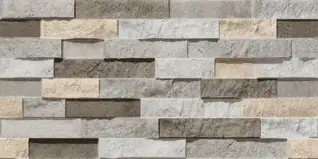





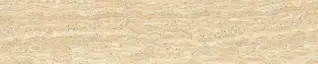



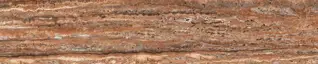
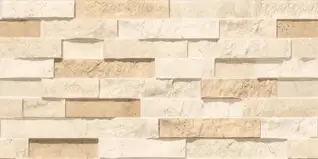
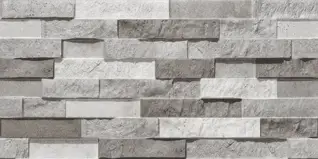
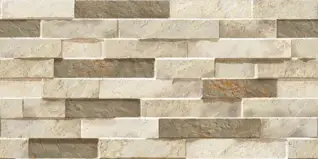
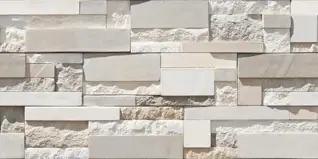
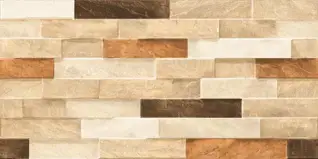
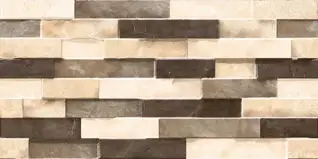
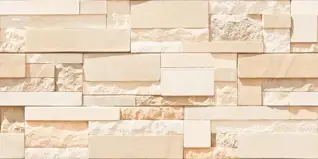
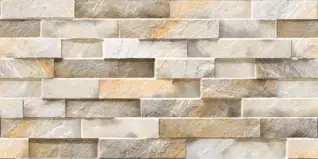
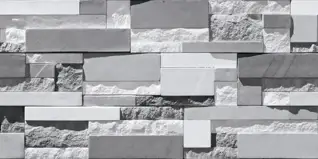
Quartzite tiles bring one of the hardest natural stone looks into TilesFinders' stone tiles range, alongside soapstone tile designs that copy a much softer, traditionally Indian material with a completely different set of strengths. Genuine quartzite is a metamorphic rock formed from sandstone under intense heat and pressure, which makes it harder and more scratch-resistant than granite, while genuine soapstone is a soft, talc-rich rock long used across South Indian homes and temples for flooring and carving. This page covers the porcelain and vitrified versions of both looks, manufactured to copy the colour and texture of each stone without either one's specific drawback.
Quartzite grey and quartzite iron are the two colourways buyers ask for most, reflecting the natural variation real quartzite shows depending on the iron oxide content in the original rock. Soapstone floor tile designs, by contrast, stay in the dark grey to charcoal range that genuine soapstone is known for, since that traditional look is exactly what most soapstone buyers are chasing. Quartzite wall cladding and soapstone wall tiles both work well in porcelain, since a wall carries none of the wear a floor does, though quartzite tiles remain the more popular choice for floors specifically because the genuine stone's hardness reputation carries over into how buyers perceive the porcelain version too.
Quartzite tiles and soapstone tiles cost Rs. 55 to Rs. 160 per sq.ft in India in porcelain and vitrified form, with grey and iron-toned quartzite designs sitting at a similar price to soapstone despite looking very different. Most of this stock ships from Morbi, Gujarat, in size aliases such as 2x2 feet (600x600mm) and 2x4 feet (600x1200mm), with large format slabs available for buyers who want fewer grout lines across a floor or feature wall.
What Are Quartzite and Soapstone Tiles?
Genuine quartzite starts life as sandstone, then gets compressed and heated deep underground until the quartz grains fuse into an extremely dense, hard rock, harder than granite and among the toughest natural stones used in flooring anywhere.
Genuine soapstone sits at the opposite end of the hardness scale, a soft, talc-rich rock that has been carved into cooking vessels, temple idols, and traditional flooring across South India for centuries, prized for staying cool underfoot and resisting heat and acid without reacting or staining.
Full-body vitrified and glazed vitrified versions of both exist for a simple reason: genuine quartzite is so hard that cutting and fabricating it drives labour cost up significantly, while genuine soapstone is soft enough to scratch and dent under everyday foot traffic, so a fired porcelain body actually improves on the real material's weak point rather than just imitating its look.
Quartzite Tiles: Grey, Iron and Natural Colour Variation
Quartzite grey remains the most requested colourway, copying the pale to mid grey tone common in genuine quartzite quarried with minimal iron content. Quartzite iron designs copy the rust, amber, and deep red streaking that appears in real quartzite where iron oxide has worked its way through the rock during formation, giving a warmer, more dramatic look than the plain grey version.
Both colourways are usually printed on a full body or glazed vitrified base, since the depth of colour and vein pattern needs a body that can carry fine detail without it wearing away under foot traffic. Water absorption for these bodies sits under 0.5 percent for glazed vitrified or under 0.05 percent for full body vitrified under IS 15622, a small fraction of what genuine quartzite absorbs, though real quartzite is already dense enough that this matters less here than it does for a softer, more porous stone.
Quartzite Flooring and Wall Use
Quartzite tiles work equally well on floors and walls, largely because both genuine and porcelain quartzite have the hardness to handle whichever job they are given. On a floor, a honed or lightly textured finish rated R10 or above suits everyday traffic and keeps slip risk in check, while a polished quartzite look should stay indoors and off wet floors for the same reason any glossy finish does.
Quartzite wall cladding takes the same colour and vein pattern into a vertical application, where the tile only needs to hang rather than bear foot traffic, opening up thinner formats and, in the case of a genuinely hard stone like quartzite, allowing slightly larger panels than a softer stone could safely support on its own weight.
For anyone comparing quartzite against the harder end of the flagstone and bluestone tiles range already covered on this site, quartzite generally sits above both in raw scratch resistance, which is part of why it carries a premium look even in porcelain form.
Soapstone Tiles: A Traditional Indian Stone Look
Soapstone tile designs bring a specifically Indian architectural tradition into a fired, low-maintenance format. Genuine soapstone floors, still found in older homes and temple courtyards across Tamil Nadu, Kerala, and Andhra Pradesh, stay noticeably cool underfoot even in peak summer heat, which is one reason the look remains popular well beyond the regions where the real stone was traditionally quarried.
A soapstone floor tile in porcelain reproduces this dark grey to charcoal tone and soft sheen without the scratching and denting genuine soapstone is prone to, since real soapstone is soft enough to mark with a dropped utensil or dragged furniture leg. Soapstone wall tiles suit a feature wall, kitchen backsplash, or pooja room setting particularly well, since these are exactly the spaces where the traditional material was historically used for its heat resistance and calm, matte appearance.
Porcelain vs Genuine Quartzite and Soapstone
The comparison runs in opposite directions for these two stones. Genuine quartzite is already harder than most porcelain bodies, so the porcelain version mainly wins on cost, consistent colour, and large format availability rather than on outright toughness, since fabricating real quartzite is slow and expensive precisely because of how hard it is to cut.
Genuine soapstone runs the other way: porcelain soapstone tile designs are meaningfully more scratch and dent resistant than the real stone, which is soft enough that a busy kitchen or hallway will show wear on genuine soapstone within a few years. Both porcelain versions avoid the sealing that real stone eventually needs, though genuine soapstone needs this far less than most natural stone since its low porosity already resists staining reasonably well on its own.
Design and Colour Trends for Quartzite and Soapstone Tiles
Quartzite grey continues to dominate over quartzite iron in overall sales, though the iron-toned version is gaining ground in feature walls and kitchen backsplashes where a warmer, more dramatic vein pattern suits an accent role better than a full floor would.
Soapstone tile designs are seeing a similar shift toward pairing a dark charcoal floor with a lighter quartzite grey wall, mixing the two stone looks in one space rather than choosing only one throughout. Large format slabs in either matte tiles continue to gain share over smaller cut pieces, mainly because fewer grout lines let the natural vein pattern read as one continuous surface rather than a repeated tile.
How to Choose Between Quartzite and Soapstone
Start with the room's traffic and moisture level. A busy kitchen or living room floor suits quartzite tiles well given the natural hardness reputation, while a feature wall, pooja room, or low-traffic accent area works for either look depending purely on colour preference.
If the goal is specifically to copy the cool, traditional soapstone floor feel, choose a soapstone floor tile in a matte or lightly honed finish rather than anything polished, since gloss works against both the traditional look and everyday slip safety.
Finally, decide between grey and iron-toned quartzite based on the rest of the room's palette, since the iron variant reads warmer and pairs better with wood tones, while grey stays neutral against almost anything.
Water Absorption, Hardness and Regional Pricing
Porcelain quartzite and soapstone tiles carry water absorption under 0.5 percent as glazed vitrified or under 0.05 percent as full body vitrified, both tested to IS 15622:2006, regardless of which of the two very different genuine stones the surface is copying.
A 600x600mm quartzite or soapstone tile in porcelain typically costs Rs. 55 to Rs. 95 per sq.ft, while a large format 600x1200mm slab in the same finish runs Rs. 100 to Rs. 160 per sq.ft. Most of this stock ships from Morbi, Gujarat, which keeps porcelain pricing for both looks well below sourcing genuine quartzite, which is expensive to fabricate due to its hardness, or genuine soapstone sourced from traditional quarrying regions in South India.
Installation for quartzite or soapstone look tiles adds Rs. 18 to Rs. 30 per sq.ft in most of Gujarat and neighbouring states, with large format slabs sitting toward the top of that range due to the extra handling involved.
Buyers sourcing directly from Morbi factories typically save on freight for larger orders, though this varies with distance and project size. Before laying either look outdoors, the subfloor should be levelled and cured fully, since standing monsoon water under an uneven base is a common cause of cracking regardless of which stone pattern sits on the surface. This matters more in regions with a long monsoon season, where the base stays damp for weeks rather than days.
Match the Stone to the Way the Room Is Actually Used
Quartzite and soapstone look almost nothing alike, and picking between them should come down to how hard the room actually works the floor rather than which sample looks better under showroom lighting. A full-body or glazed vitrified quartzite tile suits a busy kitchen or living room, while a soapstone floor tile in matte finish suits a calmer space where the traditional look matters more than heavy daily wear. TilesFinders lists the body type, finish, and recommended room for every quartzite and soapstone listing, so that decision can be made before the floor goes down rather than after it shows the first scratch. Get that match right once, and the room stops asking for a redo within a few years.
FAQs
Yes, genuine quartzite is generally harder and more scratch-resistant than granite. This is why quartzite has become a popular choice for both countertops and heavy traffic flooring in recent years.
Both copy natural colour variation in real quartzite. Quartzite grey reflects stone with minimal iron content, while quartzite iron copies the rust and amber streaking that appears where iron oxide has worked through the rock.
Yes, particularly in older homes and temples across Tamil Nadu, Kerala, and Andhra Pradesh. Genuine soapstone stays noticeably cool underfoot, which keeps the look popular even as porcelain versions replace the real stone in new construction.
No, porcelain soapstone tile designs are meaningfully more scratch and dent-resistant than genuine soapstone. Real soapstone is soft enough to mark from a dropped utensil, which porcelain avoids through its fired, dense body.
Yes, quartzite wall cladding works well since the tile only needs to hang rather than bear foot traffic. This also allows slightly larger wall panels than a softer natural stone could safely support.
Porcelain quartzite and soapstone tiles cost roughly the same per sq.ft, both running Rs. 55 to Rs. 160 depending on size and finish. Genuine natural stone pricing differs far more, since real quartzite is costly to fabricate due to its hardness.
A honed or lightly textured finish rated R10 or above works best for quartzite floors. A polished finish looks striking but should stay indoors and off any wet floor, since gloss reduces slip resistance.
Porcelain soapstone tiles need no sealing at all, since the fired body already resists staining. Genuine soapstone needs less sealing than most natural stone too, though it remains more prone to scratching than the porcelain version.