

Flagstone and Bluestone Tiles: Porcelain vs Genuine Stone Guide
Loading designs...
-
URBAN ROCK_11_R1 300x600Matte -
URBAN ROCK_02_R1 300x600Matte -
EARTHSTONE 07_A 300x600Matte -
3066 400x400Matte -
3102 A 400x400Matte -
3102 B 400x400Matte -
5004 400x400Matte -
Active 011 400x400Matte -
Cotto 006 400x400Matte -
Crystal 001 400x400Matte -
Crystal 002 400x400Matte -
Crystal 003 400x400Matte -
Crystal 010 400x400Matte -
D1 P 1104 400x400Matte -
D1 P 1104 L 400x400Matte -
D2 P 1104 400x400Matte -
D2 P 1104 L 400x400Matte -
D3 P 1104 400x400Matte -
D3 P 1104 L 400x400Matte -
Daimond 001 400x400Matte
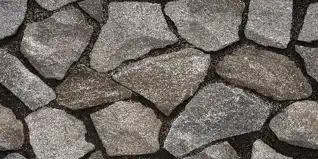
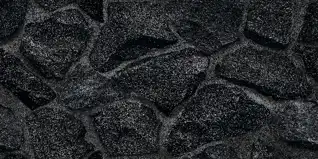
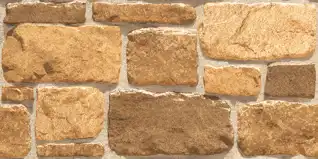
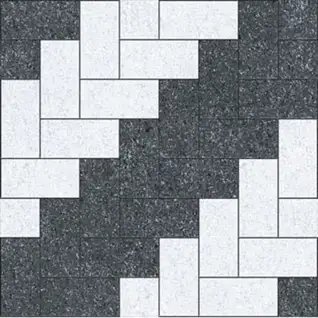
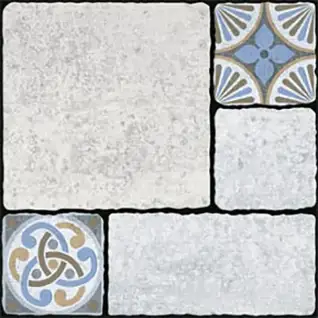
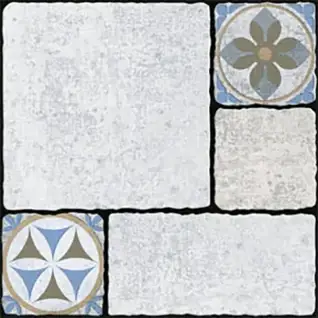
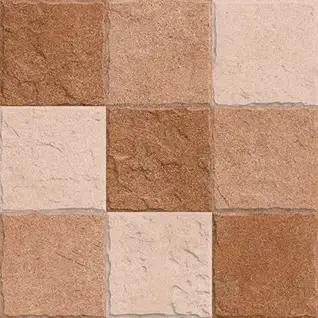
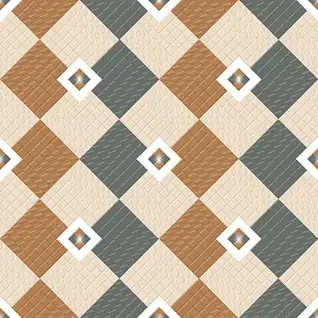






Flagstone tiles and bluestone tiles bring two of the most recognisable natural paving looks into a manufactured porcelain and vitrified format, sitting alongside the rest of TilesFinders' stone tiles range. Genuine flagstone is naturally cleft sedimentary rock, usually sandstone, slate, or quartzite, split along its bedding plane into irregular flat pieces, while genuine bluestone is a dense, fine-grained limestone historically quarried in Belgium and prized for exterior paving. Both are porous, need periodic sealing, and vary piece to piece in thickness, which is exactly what a printed porcelain or vitrified version is built to avoid.
This page also covers a handful of related stone looks that share a similar buying logic: splitface stone for a deep, rough textured cladding surface, quoin stone for the accent corner blocks seen on traditional facades, laterite tile and cladding for the reddish, porous look common across South Indian architecture, and coping stones for capping a wall or parapet edge. Each of these exists in a porcelain or vitrified version manufactured in Morbi, alongside genuine quarried stone sold through separate stone-specific suppliers rather than a tile marketplace.
Flagstone floor tiles and bluestone tiles cost Rs. 60 to Rs. 220 per sq.ft in India in porcelain and vitrified form, with a heavily textured splitface or quoin finish sitting toward the top of that range because of the extra pressing and firing work involved. Most of this stock ships from Morbi, Gujarat, in size aliases such as 2x2 feet (600x600mm) and 2x4 feet (600x1200mm), alongside large format slabs for feature walls and flooring.
Porcelain Flagstone Tiles vs Genuine Flagstone
A porcelain flagstone tile reproduces the irregular, cleft surface of real flagstone through deep digital printing and a textured press mould, rather than through natural fracture. This matters for buyers because genuine flagstone floor tiles vary in thickness from one piece to the next, need sealing every few years since the stone is porous, and often show efflorescence, a white mineral deposit, if laid without a proper moisture barrier.
A porcelain flagstone tile carries a consistent thickness, arrives already sealed by the firing process, and does not need resealing at any point. Water absorption for the vitrified body sits under 0.5 percent for glazed vitrified or under 0.05 percent for full body vitrified tiles under IS 15622, which is a small fraction of what genuine porous flagstone absorbs. The trade-off is texture depth: a real split flagstone surface has more genuine relief than even a well-printed range of porcelain flagstones can fully replicate, though the gap has narrowed significantly with digital printing over the last few years.
Bluestone Tiles: Belgian Bluestone, Honed Finish and Outdoor Use
Belgian bluestone tile designs, sometimes labelled simply as bluestone tile on Indian listings, reproduce a specific blue-grey limestone historically quarried in the Wallonia region of Belgium and used across Europe for exterior paving, steps, and window sills. A honed bluestone finish means the surface has been ground to a smooth, matte texture rather than polished to a reflective shine, which keeps slip resistance high enough for bluestone tiles' outdoor use.
Polished bluestone look tiles exist too, but should stay indoors and off any wet floor, since a glossy surface turns dangerously slick the moment water sits on it. Bluestone veneer, a thinner cladding format rather than a full floor tile, works well on feature walls and fireplace surrounds where no foot traffic or wheel load needs to be carried. For genuinely outdoor bluestone use, an R10 or R11 anti-skid rating under DIN 51130 matters as much as the finish itself, since a honed look alone does not guarantee grip in monsoon rain.
Flagstone Floor Tiles for Indoor and Outdoor Spaces
Flagstone tiles suit both indoor and outdoor floors, though the finish needed for each differs. A flagstone kitchen floor tiles benefits from a lightly textured, matte surface that hides grease and footprints between cleanings, while flagstone tiles for outdoor use need the same anti-skid consideration as any other exterior floor, since a smooth flagstone effect floor tile with no grip rating turns dangerous in wet weather.
Flagstone floor tiles for indoor use have more flexibility, since a lightly honed or satin finish reads as natural stone without the outdoor grip requirement. Large format flagstone tile flooring, in 600x1200mm or larger, reduces the grout line pattern that a smaller cut piece would otherwise create, giving a cleaner look for buyers who want the flagstone texture without quite as busy a joint pattern.
Splitface Stone and Quoin Stone for Feature Walls
Splitface stone carries the deepest texture on this page, mimicking a rock face cleaved straight from the quarry rather than a ground or honed surface. This depth makes it unsuitable for most floors, since the uneven surface collects dirt and is uncomfortable underfoot, but it excels as a feature wall texture in an entryway, feature fireplace, or exterior facade panel.
Quoin stone tiles reproduce the traditional masonry detail of alternating large corner blocks seen on older Indian and European facades, typically used as an accent strip along a building corner or door surround rather than across an entire wall.
Both of these sit firmly in wall territory rather than floor territory, which puts them close to the concerns covered in more depth on the stone wall tiles page, including fixing methods for heavy textured panels and weight limits for vertical installation. A textured splitface or quoin panel in porcelain also needs a rated exterior adhesive if used outdoors, since the deeper texture adds weight compared to a flat tile of the same size.
Laterite Tile and Cladding: A South Indian Stone Look
Genuine laterite is a reddish, iron-rich rock formed under tropical weathering, historically cut into blocks for walls and forts across Kerala and coastal Karnataka, prized for staying relatively cool and for the way it ages with a natural patina.
Laterite stone tiles in porcelain or vitrified form reproduce this reddish, porous-looking texture at a fraction of the weight and without the periodic sealing genuine laterite blocks need to resist moisture absorption.
Laterite cladding tile panels work well on exterior feature walls and boundary walls, giving a regional, grounded look that reads differently from a plain grey stone finish. Laterite wall cladding in a thinner veneer format keeps the visual texture without the load a full-thickness block would add to a wall structure.
Laterite tile price in porcelain form runs lower than sourcing genuine cut laterite blocks directly from a quarry, mainly because the tile ships pre-finished and needs no on-site cutting or shaping.
Coping Stones for Walls and Pools
A coping stone caps the exposed top edge of a wall or parapet, and its main job is shedding water away from the wall face rather than letting it soak straight down through the masonry.
Once weathered, coping stones, a look that mimics stone aged by years of sun and rain, are popular for boundary walls and garden features where a brand new, uniform finish would look out of place.
Bullnose porcelain coping stones, with a rounded front edge, are especially common around outdoor pool decks, since the smooth curve removes the sharp edge a swimmer's hand or foot might otherwise catch on.
Bluestone coping tiles bring the same blue-grey tone as bluestone flooring to a wall cap or pool edge, letting a floor and its surrounding wall or pool coping match without mixing two different stone families.
How to Choose Between Flagstone, Bluestone and Related Stone Looks
Start with the surface. A floor needs a body type and finish rated for foot traffic and, if outdoors, an anti-skid rating, which points toward flagstone or honed bluestone tiles rather than a deep splitface or quoin texture.
A wall or cladding application opens up splitface, quoin, and laterite cladding, since none of these needs to handle foot traffic or wheel load. Next, weigh genuine stone against the porcelain or vitrified version: real flagstone, bluestone, and laterite offer texture depth and natural variation that no printed tile fully matches, but they need sealing, vary in thickness, and cost more to source and lay than a consistent porcelain equivalent.
Finally, match the specific look to the setting, since a laterite look reads as distinctly South Indian while Belgian bluestone reads as a more European, formal exterior finish.
Water Absorption, Sealing and Regional Pricing
Porcelain and vitrified versions of flagstone, bluestone, and laterite tiles carry water absorption under 0.5 percent as glazed vitrified or under 0.05 percent as full body vitrified, both tested to IS 15622:2006, compared to genuine quarried stone, which can absorb several times more and typically needs resealing every two to three years to resist staining.
A 600x600mm flagstone or bluestone effect tile in porcelain typically costs Rs. 60 to Rs. 110 per sq.ft, while a heavily textured splitface or quoin panel runs Rs. 140 to Rs. 220 per sq.ft due to the extra pressing depth involved.
Most of this stock ships from Morbi, Gujarat, which keeps porcelain stone-look pricing well below sourcing genuine bluestone or laterite from a stone-specific quarry and shipping it across state lines.
Installation for a textured stone-look tile, whether flagstone, splitface, or quoin, adds Rs. 20 to Rs. 35 per sq.ft in most of Gujarat and neighbouring states, higher than a flat tile of the same size because deep texture takes longer to align and grout evenly.
Coping and wall cladding installation costs more again per sq.ft than a floor, since vertical fixing with a rated adhesive takes longer than laying a flat floor tile. Buyers sourcing directly from Morbi factories typically save on freight for larger flagstone or bluestone orders, though this varies with distance and project size.
Before laying any outdoor flagstone or bluestone floor, the base should be sloped away from the house and fully cured, since standing monsoon water against a textured, uneven surface is a common cause of staining in the grout lines between pieces.
Get the Stone Look Without the Stone Problems
A flagstone or bluestone floor gets judged on how well it still looks after a few monsoons, not on the showroom sample, so water absorption and finish matter as much as the texture itself. A honed or lightly textured porcelain finish in full body or glazed vitrified covers most flagstone and bluestone applications without the sealing genuine stone would need. TilesFinders lists the water absorption figure, recommended floor or wall use, and slip rating on every flagstone and bluestone listing, so the choice can be made before the tile goes down rather than after it stains. Get that match right once, and the stone look stops asking for the upkeep the real thing would.
FAQs
Yes, and often more consistent. Porcelain flagstone tiles carry water absorption under 0.5 percent, far lower than genuine porous flagstone, and never need the periodic resealing real stone requires to resist staining and efflorescence.
Bluestone refers to a specific blue-grey limestone, often Belgian in origin. Flagstone is a broader term for any flat sedimentary stone split for paving, and both are now available as porcelain or vitrified tiles that copy the original look.
Yes, provided the finish carries an R10 or R11 anti-skid rating rather than a polished or glossy surface. A textured or honed flagstone effect floor tile handles monsoon rain and daily foot traffic without turning slippery.
Honed means the surface has been ground to a smooth, matte texture rather than polished to a shine. This keeps slip resistance higher than a polished finish, which is why honed bluestone suits floors better than a glossy version.
Yes, laterite cladding tiles work well on exterior feature and boundary walls. They give a reddish, regional look without the weight or sealing needs of genuine cut laterite blocks, and a thinner veneer format keeps the wall load manageable.
Quoin stone tiles reproduce the traditional corner block detail seen on older facades. They are typically used as an accent strip along a building corner or door surround, rather than across a full wall or floor.
A coping stone caps the top of a wall or parapet. It sheds water away from the wall face rather than letting it soak down through the masonry, and bullnose profiles are common around pool edges for a smooth, safe finish.
Laterite stone tiles in porcelain form typically cost less per sq.ft than genuine cut laterite blocks from a quarry. This is mainly because the tile ships pre-finished, and exact pricing varies by size, texture depth, and floor or wall use.