

Kitchen Counter Tile: Heat, Impact, Grout and Edge Guide
Loading designs...
-
W Rockline 01 300x600Matte -
Bucak Light 200x1000Matte -
Navona White 200x1000Matte -
Scabos Honed 200x1000Matte -
Silver Mist Honed 200x1000Matte -
Noir Honed 200x1000Matte -
Silyon Ivory 200x1000Matte -
Vesta White 200x1000Matte -
Silyon Beige 200x1000Matte -
Vesta Grey 200x1000Matte -
Volcano 200x1000Matte -
W Rockline 02 300x600Matte -
W Rockline 03 300x600Matte -
W Rockline 04 300x600Matte -
Lyon 01 300x600Matte -
W Rockline 05 300x600Matte -
W Rockline 06 300x600Matte -
Lyon 02 300x600Matte -
W Rockline 07 300x600Matte -
Lyon 03 300x600Matte
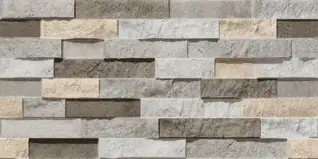








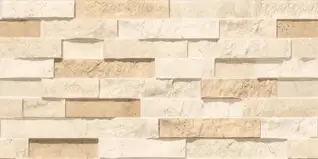
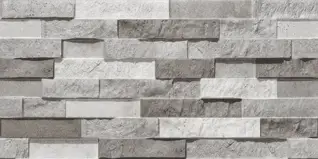
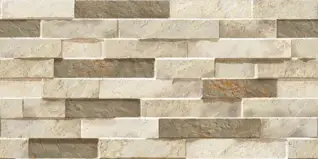
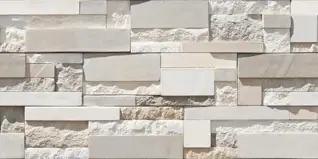
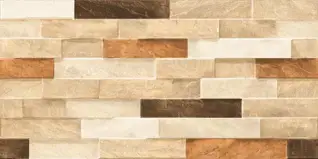
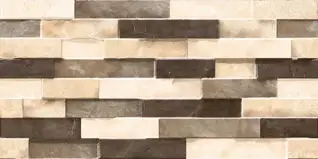
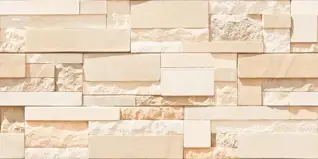
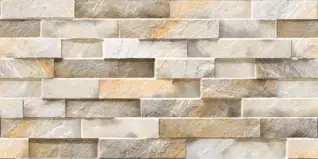
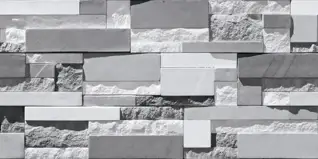
Kitchen counter tile searches bring more buyers to this page than any other stone-related query on TilesFinders' stone tiles range, and a kitchen counter genuinely does ask something different of a tile than a floor or wall ever does. A counter has to survive hot pans set down without a trivet, a knife dropped edge first, turmeric and oil splashed across the surface, and daily wiping down with whatever cleaner is closest to hand.
This page also covers stone kitchen tiles more broadly, since stone flooring kitchen and stone kitchen wall tiles searches usually come from the same renovation project as a counter search, just a different surface within the same room. Natural stone kitchen floor and natural stone kitchen tiles remain available for buyers who want genuine material, though the counter itself is where natural stone runs into the most daily wear of any surface in an Indian kitchen.
Kitchen counter tile and stone kitchen floor tile prices run Rs. 55 to Rs. 170 per sq.ft in India, with ceramic at the lower end and full body vitrified or genuine stone toward the top. Most of this stock ships from Morbi, Gujarat, in size aliases such as 1x1 feet (300x300mm) for counters and larger 2x2 feet (600x600mm) formats for floors.
What Makes a Tile Countertop-Safe?
A kitchen counter faces three specific stresses a floor or wall never has to deal with in quite the same way. Heat resistance matters first: a fired ceramic or vitrified body handles a hot pan set down briefly without damage, though a trivet is still worth using, since a sudden temperature jump from a very hot pan onto a cool tile can occasionally cause thermal shock cracking in exactly the spot the heat lands.
Impact resistance matters just as much. A dropped knife or a heavy pot corner striking edge first tests a tile far harder than dropped cookware ever tests a floor, which is why full body vitrified, where colour and density run through the entire tile rather than sitting on a glazed surface layer, is the safer choice for a counter than ceramic or a thin glazed finish.
Grout hygiene is the third consideration, and it is specific to a food preparation surface in a way no other room on this site needs to worry about. Epoxy grout is close to mandatory on a kitchen counter rather than simply recommended, since ordinary cement grout absorbs oil, turmeric, and food residue in a way that becomes both a staining and a hygiene problem over time.
Best Stone Tile Options for Kitchen Counters
Full body vitrified remains the strongest general recommendation for a kitchen counter tile, since its water absorption sits under 0.05 percent under IS 15622 and its colour runs through the full thickness of the tile, which means a chip from a dropped knife does not expose a lighter layer underneath. Glazed vitrified works as a lighter budget option, provided the specific listing is rated for counter use rather than floor use alone.
Quartz tiles for kitchen searches deserve a direct clarification, since quartz as a countertop material usually means something different from what this site sells. Engineered quartz countertops are solid slabs made from crushed quartz bound in resin, fabricated and installed as a single continuous surface by a slab specialist, not a tile product at all. What TilesFinders lists instead is quartzite look tiles, a porcelain or vitrified finish that copies the appearance of natural quartzite stone, covered in more detail on the dedicated quartzite tiles page. The two are easy to confuse by name but are fabricated, sold, and fixed in completely different ways.
Counter edges need their own attention too. Any kitchen counter tile used to build a countertop surface, rather than laid flat against a floor or wall where every edge butts against another tile, needs a bullnose or rounded edge trim piece wherever the counter ends, since a plain square cut edge left exposed is both unfinished looking and sharp enough to catch a hand.
Stone Kitchen Floor Tiles
Stone effect kitchen floor tiles deal with a mix of grease, dropped utensils, and near constant foot traffic, which points toward the same full body vitrified or glazed vitrified recommendation as the counter above, just in a floor rated thickness and slip class rather than a counter profile. Stone tile flooring kitchen use benefits from a matte or lightly textured finish specifically because oil underfoot is a real slip risk that a glossy floor makes considerably worse.
Stone kitchen floor tiles in a mid grey or warm beige tone hide the daily reality of a working kitchen floor, oil spots, dropped food, and general foot traffic, better than a pale or white floor ever manages between cleanings.
Stone Kitchen Wall Tiles and Backsplashes
Stone kitchen wall tiles carry none of the foot traffic or slip concerns a floor does, which makes the backsplash strip behind a hob or sink the one place in the kitchen where a heavily textured or patterned stone effect finish, including a PGVT design that would never suit a floor, actually works well.
Stone effect kitchen wall tiles behind a hob specifically need to handle direct heat and grease splatter, which again points toward a vitrified body over ceramic, and epoxy grout here for the same hygiene reasons already covered for the counter.
Natural Stone vs Stone Effect for Kitchen Counters and Floors
A kitchen is a demanding room for genuine natural stone, arguably second only to a bathroom in how quickly daily use exposes its weaknesses. Calcite-based stones such as marble are particularly vulnerable on a counter specifically, since acidic ingredients common in Indian cooking, lemon, tamarind, and vinegar among them, can etch a dull mark into the surface within seconds of contact if not wiped up quickly.
Natural stone kitchen floor tiles and natural stone kitchen tiles used on a counter both need regular sealing to resist oil and turmeric staining, a maintenance routine that a porcelain or vitrified stone effect tile skips entirely, since the fired body is already sealed and resists both oil and acidic staining without ongoing care.
Colour Trends: Turquoise, Red and White Kitchen Tiles
Turquoise kitchen tiles and turquoise tiles for kitchen searches point toward a bold glazed colour rather than a natural stone tone, most often used as a backsplash accent behind a hob or sink where a small dose of strong colour reads as a deliberate design choice rather than overwhelming the room. It pairs well with a neutral grey or white stone effect floor and counter, keeping the boldest colour contained to one wall strip.
Red and white tiles for kitchen searches usually point to a classic checkerboard or two-tone retro look, most often achieved with plain glazed ceramic rather than any stone effect finish, and typically used as a floor statement in a smaller kitchen rather than spread across a large counter or wall area.
How to Choose Kitchen Counter and Floor Tiles for Your Space
Start with the kitchen counter tile choice, since it takes the most direct daily abuse of any surface in the room. Full-body vitrified with epoxy grout and a bullnose edge trim covers nearly every Indian kitchen counter without the sealing, staining, or etching risk genuine stone brings to a food preparation surface.
Next, match the floor to the same body type logic, adjusted for slip rating and a matte or lightly textured finish given how often oil ends up underfoot in a working kitchen. Finally, treat the wall and backsplash as the one place a bolder colour, textured stone effect, or even a heavier pattern can be used freely, since it carries none of the wear a counter or floor does.
Water Absorption, Heat Resistance and Regional Pricing
Kitchen counter tile and stone kitchen floor tile options in full body vitrified carry water absorption under 0.05 percent under IS 15622:2006, while glazed vitrified sits under 0.5 percent, both well suited to a kitchen's mix of heat, oil, and daily impact.
A 300x300mm full body vitrified tile suited to counter use typically costs Rs. 70 to Rs. 110 per sq.ft, while a bullnose edge trim piece adds a further Rs. 15 to Rs. 25 per running foot along any exposed counter edge. Most of this stock ships from Morbi, Gujarat, keeping kitchen tile pricing across counters, floors, and walls broadly consistent regardless of which surface in the room is being tiled.
Installation for a tiled kitchen counter adds Rs. 25 to Rs. 40 per sq.ft in most of Gujarat and neighbouring states, higher than a floor of the same size because cutting around a sink and hob, fitting edge trims, and applying epoxy grout all take longer than a flat floor lay.
Buyers sourcing directly from Morbi factories typically save on freight for a full kitchen renovation covering counter, floor, and wall together. Before tiling any kitchen counter, the underlying support structure should be checked for level and load capacity, since an uneven base under a rigid tile surface is a common cause of cracking once heavy cookware starts landing on it daily.
Get the Counter Right, Then Match the Room to It
A kitchen counter takes more daily punishment than almost any other surface in an Indian home, so heat resistance, impact strength, and grout hygiene matter more here than how the sample looks in a showroom. Full-body vitrified with epoxy grout and a proper bullnose edge covers nearly every counter project without the sealing or etching risk genuine stone would add to a food preparation surface. TilesFinders lists the body type, edge trim options, and recommended counter, floor, or wall use on every kitchen listing, so the full room can be planned together rather than surface by surface. Get the counter right first, and the floor and walls become a much easier decision.
FAQs
Full body vitrified tiles work well for kitchen counters when paired with epoxy grout and a bullnose edge trim. Ceramic is less ideal, since its glazed surface layer chips more easily than a full body tile under a dropped knife.
No, engineered quartz is a solid countertop slab made from crushed quartz and resin, fabricated by a slab specialist rather than sold as tiles. Quartzite look tiles are a separate porcelain or vitrified product that copies natural quartzite's appearance.
Epoxy grout is close to essential on a kitchen counter rather than simply preferred. Ordinary cement grout absorbs oil and food residue in a way that creates both staining and hygiene problems on a food preparation surface.
It needs more care than porcelain or vitrified alternatives. Calcite based stones like marble can etch from acidic ingredients such as lemon or vinegar within seconds, so quick wiping and regular sealing both matter more than on a floor.
A mid grey or warm beige tone in a matte finish hides oil spots and daily wear best. This works far better than a pale or white floor, and gloss finishes also carry a higher slip risk once oil reaches the floor.
No, turquoise is a bold glazed ceramic colour rather than a natural stone tone. It works best as a backsplash accent behind a hob or sink, paired with a neutral stone effect floor and counter.
Exposed counter edges need a bullnose or rounded edge trim piece rather than a plain square cut. This avoids both a sharp edge and an unfinished look wherever the counter is not butted against a wall.
Yes, though each surface usually needs a different finish or thickness. A counter needs an edge trim and epoxy grout, a floor needs a slip rating, and a wall or backsplash has the most flexibility of the three.