Highlighter Tiles in India: Accent Strip Design Guide for Walls and Floors
Learn how to use highlighter tiles for walls and floors with correct sizing, placement, design ideas, and buying tips to create elegant accent bands in Indian homes.
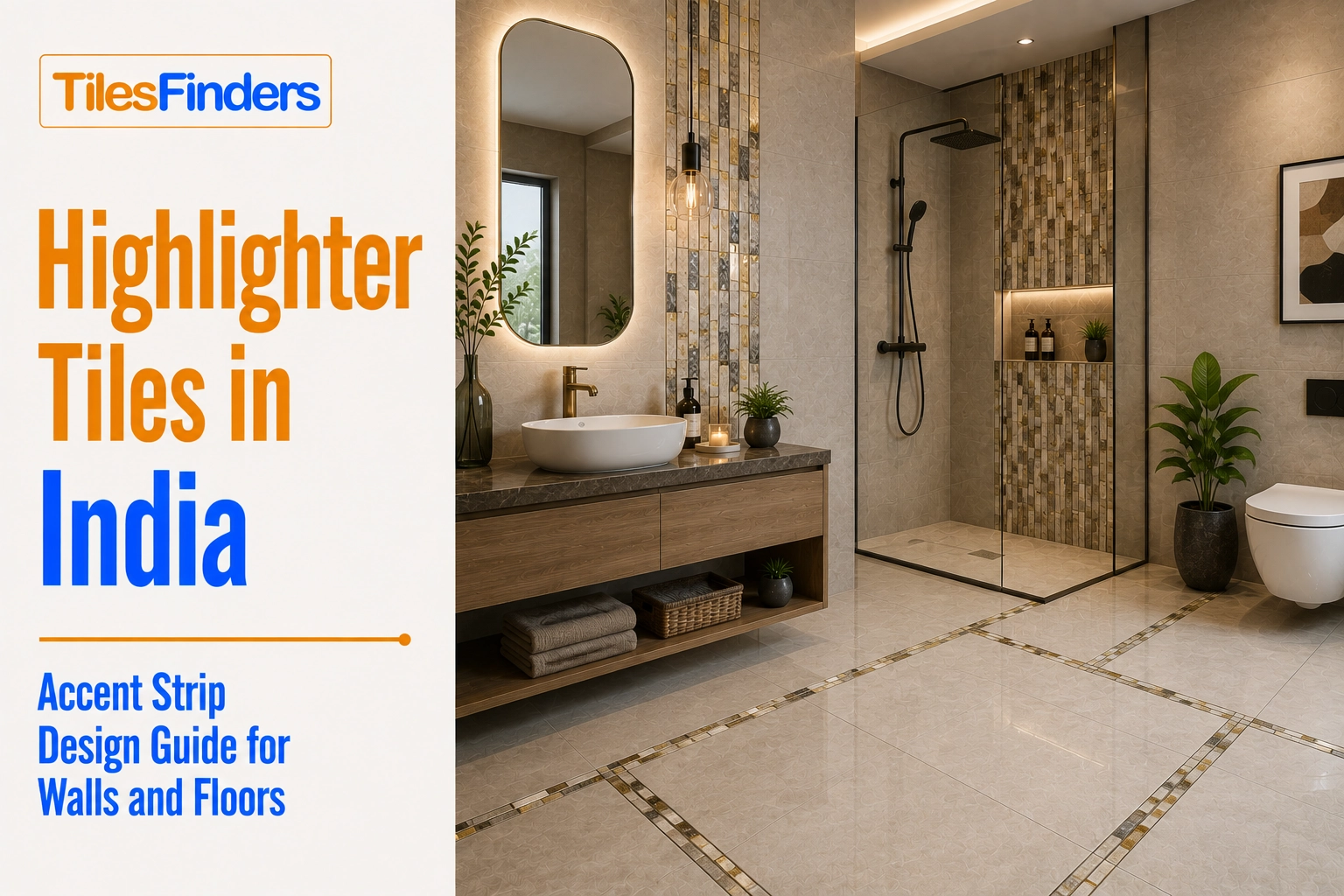
Highlighter tiles are decorative accent strips that add visual interest without overwhelming a space. Use them sparingly, position them correctly, and match them with field tiles for a balanced, elegant finish.
Highlighter tiles, the narrow decorative strip tiles that Indian manufacturers produce specifically to break up a field of plain tile, are one of the most underutilized design tools in Indian residential specifications. A single well-placed highlighter band can transform a plain wall or floor without the cost or commitment of a full patterned or premium tile field. This guide covers what highlighter tiles are, how to size and place them correctly, and the design decisions that separate a considered accent from a cluttered one.
What a Highlighter Tile Actually Is
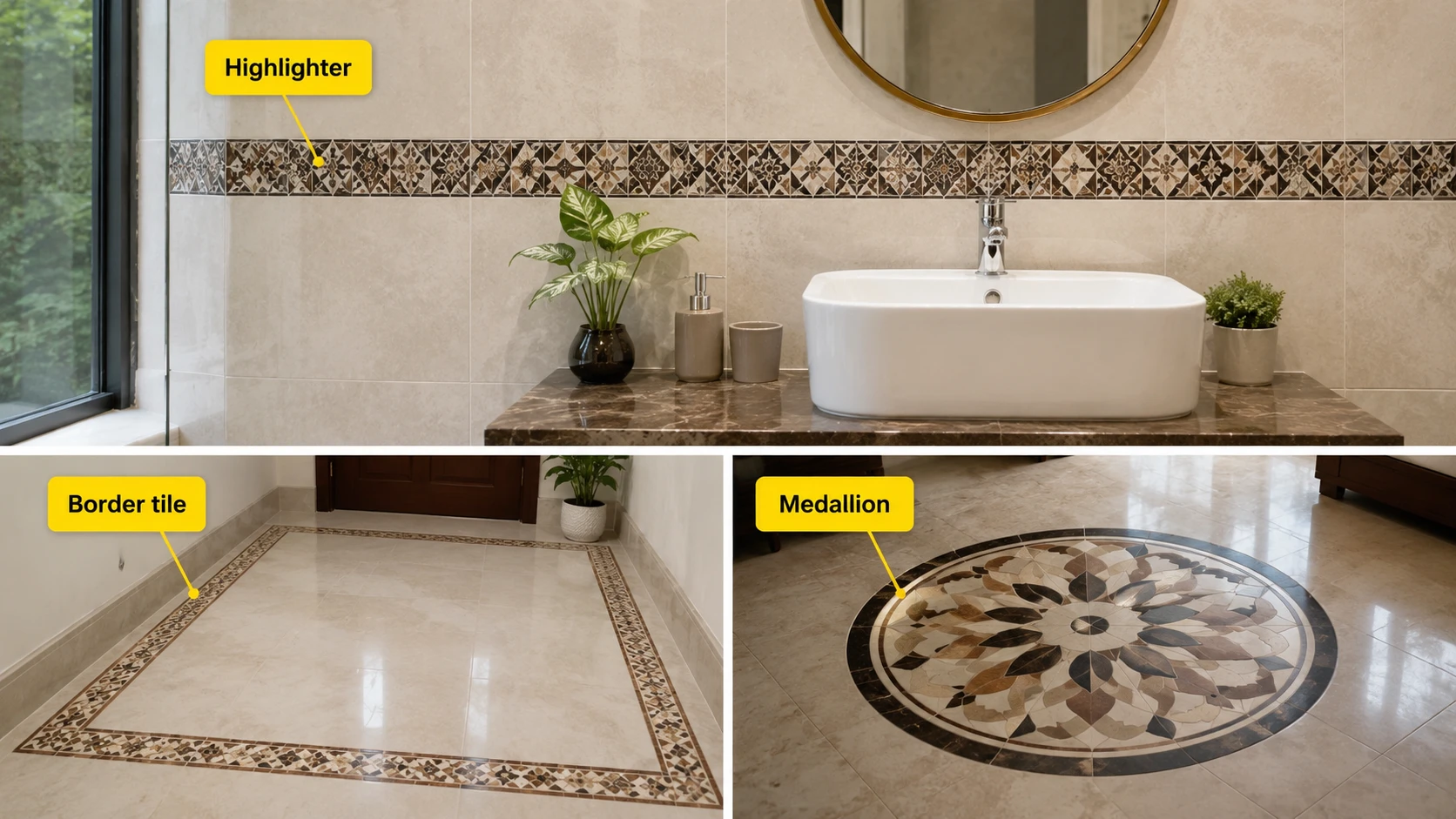
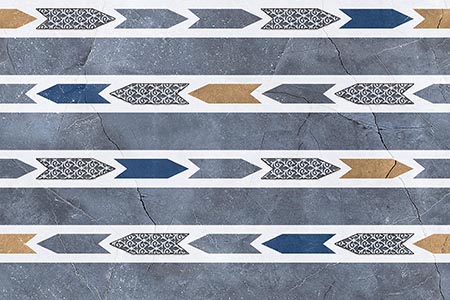
A highlighter is a narrow-format decorative tile, typically printed or textured with a pattern, metallic accent, or contrasting colour, designed to be inserted as a band or strip within a field of plain tile rather than used to cover a full surface on its own. It is a distinct product category from a border tile (which frames a room's perimeter) and a medallion (a standalone decorative centrepiece), though all three serve a related accenting function.
| Accent Type | What It Does | Typical Placement |
| Highlighter | A narrow decorative band inserted within a field, usually as one or two rows within a larger tiled area | Wall accent band at eye height, floor accent row within a larger field, backsplash accent within a plain run |
| Border tile | A frame running the full perimeter of a room or zone | Foyer or room edge, framing a field rather than interrupting it |
| Medallion | A standalone decorative centrepiece, usually round or geometric | Centre of a foyer or formal floor, a focal point rather than a repeating band |
Standard Highlighter Sizes
| Format | Typical Use |
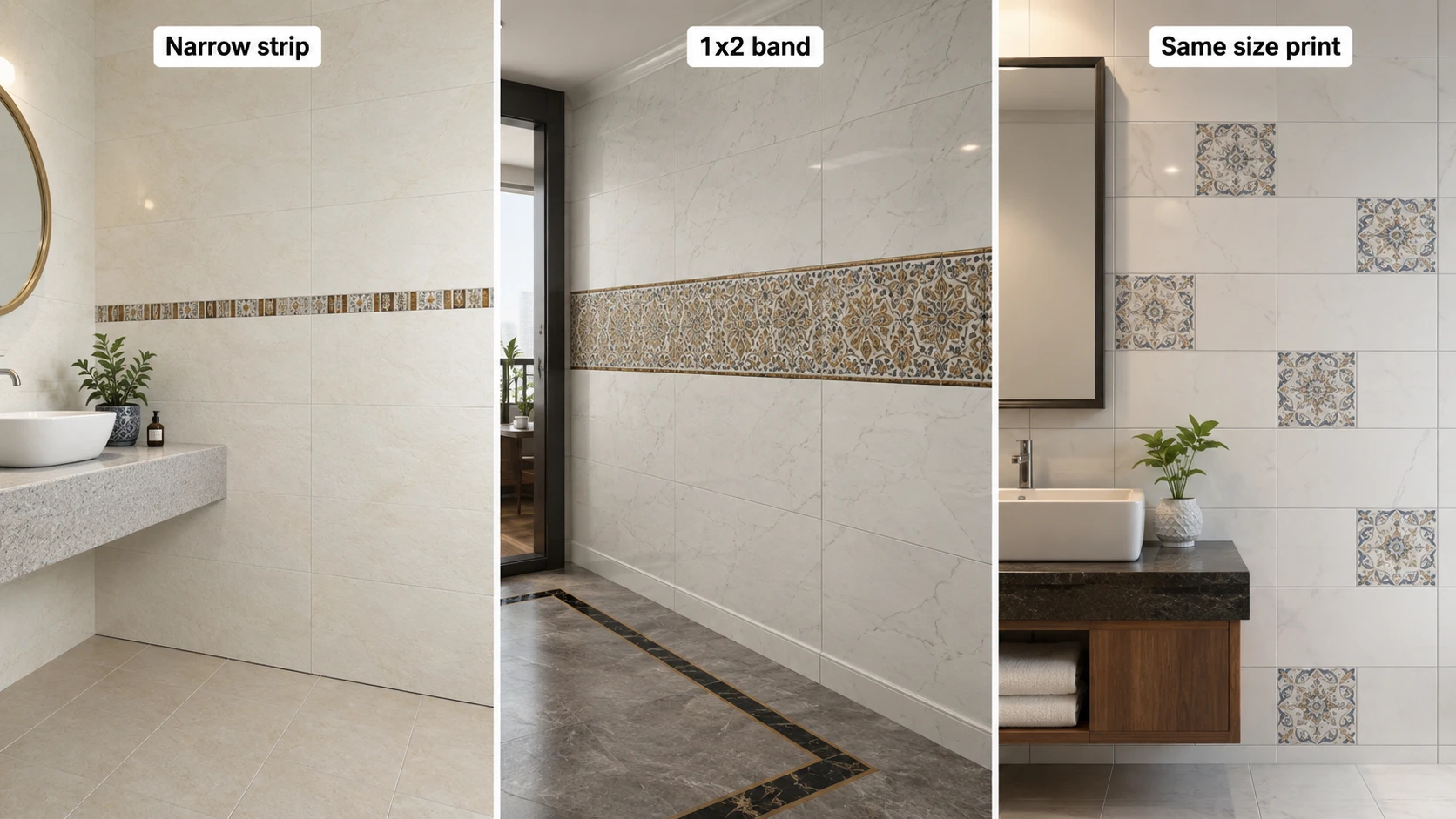
| Narrow strip, 100mm to 150mm wide, cut to field tile length | The most common wall highlighter format is inserted as a single row within a plain field |
| 1x2 (300x600 mm) | A wider highlighter band suited to larger walls or as a floor border accent |
| Same size as a field tile with a distinct print | A less common approach where every third or fourth tile in the field is swapped for a highlighter design rather than using a narrower strip |
From The Marketplace
Popular tiles right now
-3fd233b0-1764-4e16-8fe2-b903b02d1779.jpg)
-f331fc94-d285-4f9f-bab7-880db81cef7d.jpg)


Wall Highlighter Placement Rules
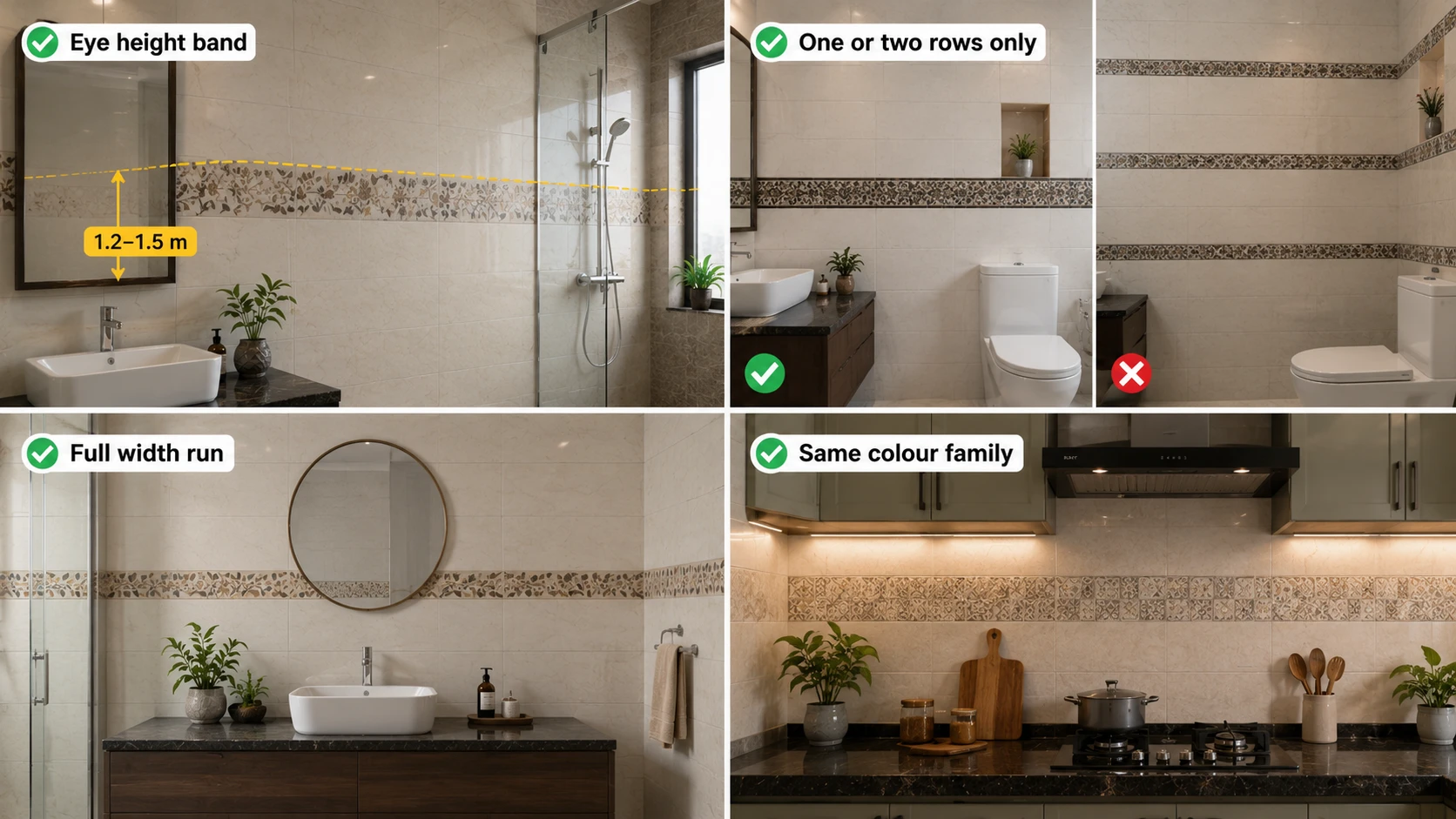
- Position a single horizontal band at eye height, typically 1.2 to 1.5 metres from the floor, for a bathroom or kitchen wall, the height at which it registers most naturally without requiring the viewer to look up or down.
- Use one, or at most two, highlighter rows per wall. A wall with three or more highlighter bands reads as busy rather than accented, undermining the specific value of using a highlighter in the first place.
- Run the highlighter band the full width of the wall, not a partial section, so it reads as a deliberate architectural line rather than an interrupted pattern.
- Choose a highlighter that shares a colour family with the field tile, ideally, so the accent complements rather than fights the surrounding plain surface.
Floor Highlighter Placement Rules
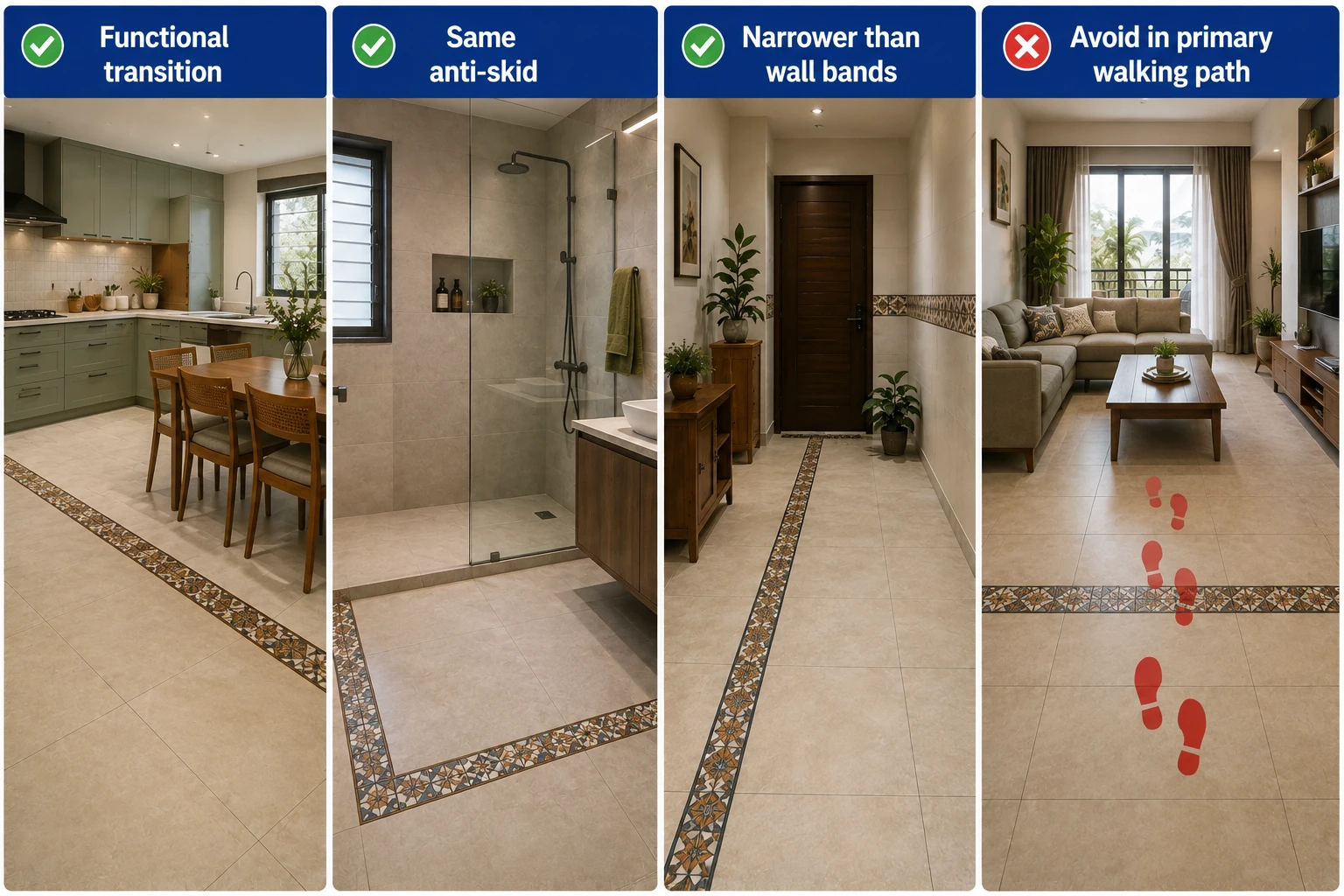
- Use a highlighter row to mark a functional transition, such as the boundary between a kitchen and dining zone in an open-plan layout, giving the accent a practical as well as decorative purpose.
- Confirm the highlighter carries the same anti-skid rating as the surrounding field for any wet-area or entrance floor, since a decorative accent tile is not automatically anti-skid rated.
- Keep floor highlighter bands narrower than wall bands, typically a single row of field-width tile, since a wide decorative band underfoot draws more visual attention than the same width on a wall.
- Avoid placing a floor highlighter directly in a primary walking path where furniture legs or heavy foot traffic will obscure or wear it disproportionately faster than the surrounding field.
Highlighter Design Types
Idea 1: Metallic Gold-Tone Linear Highlighter
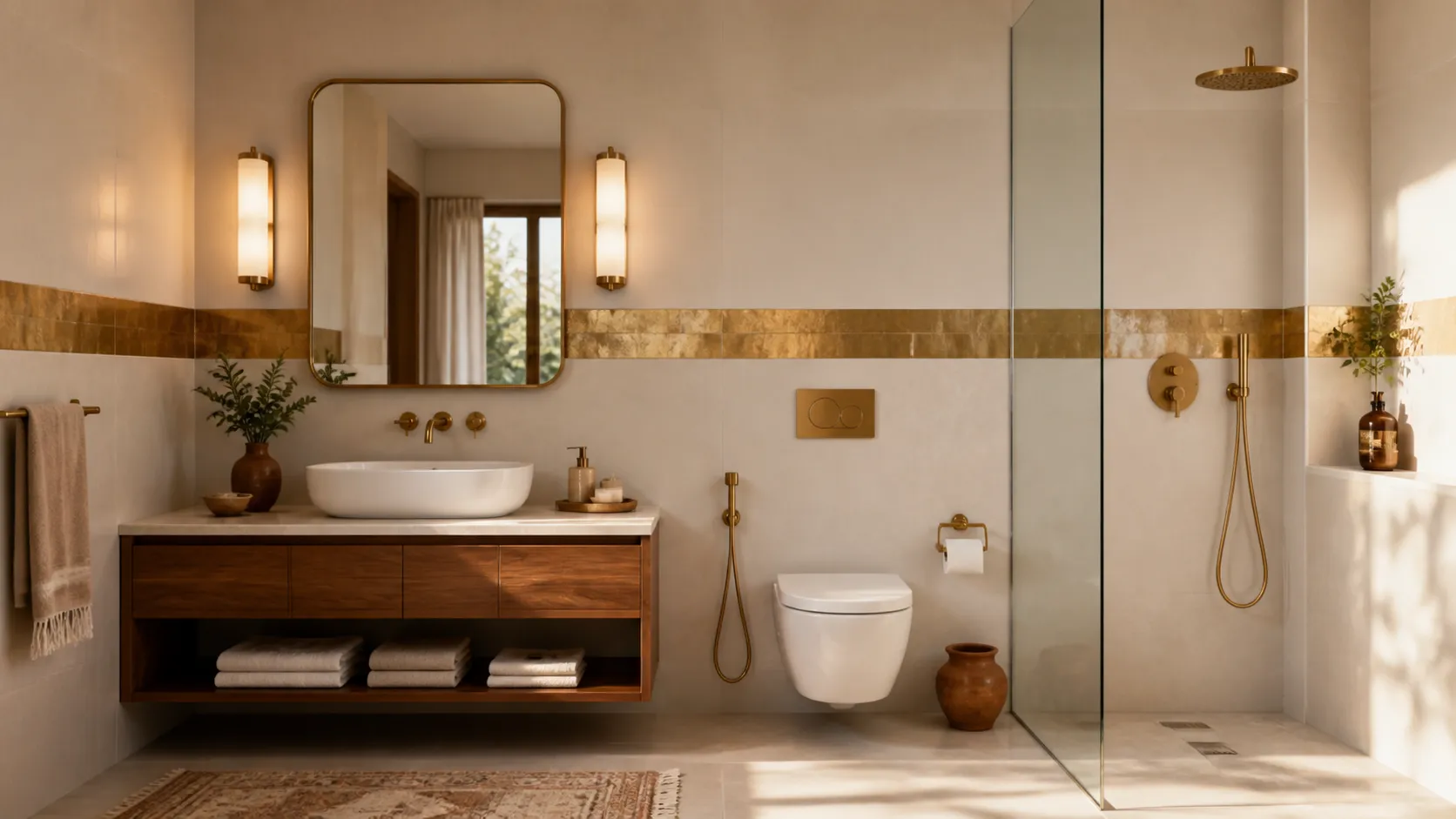
Gold-tone metallic ceramic strip | 100mm to 150mm wide | Glossy metallic | Rs. 150 to Rs. 350/sq.ft
A single gold-tone metallic band within a plain white or ivory bathroom wall creates a luxurious accent line at a fraction of the cost of a full metallic wall, the most widely specified highlighter style in premium Indian bathroom projects.
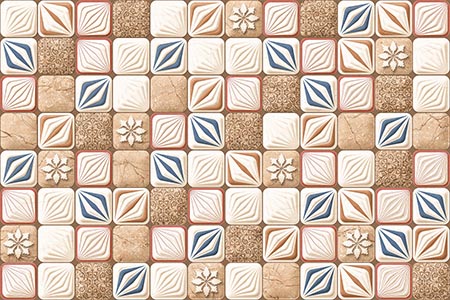
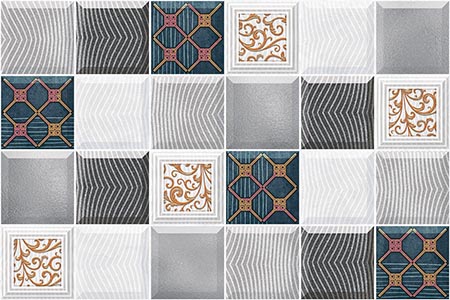
Idea 2: Geometric Print Highlighter
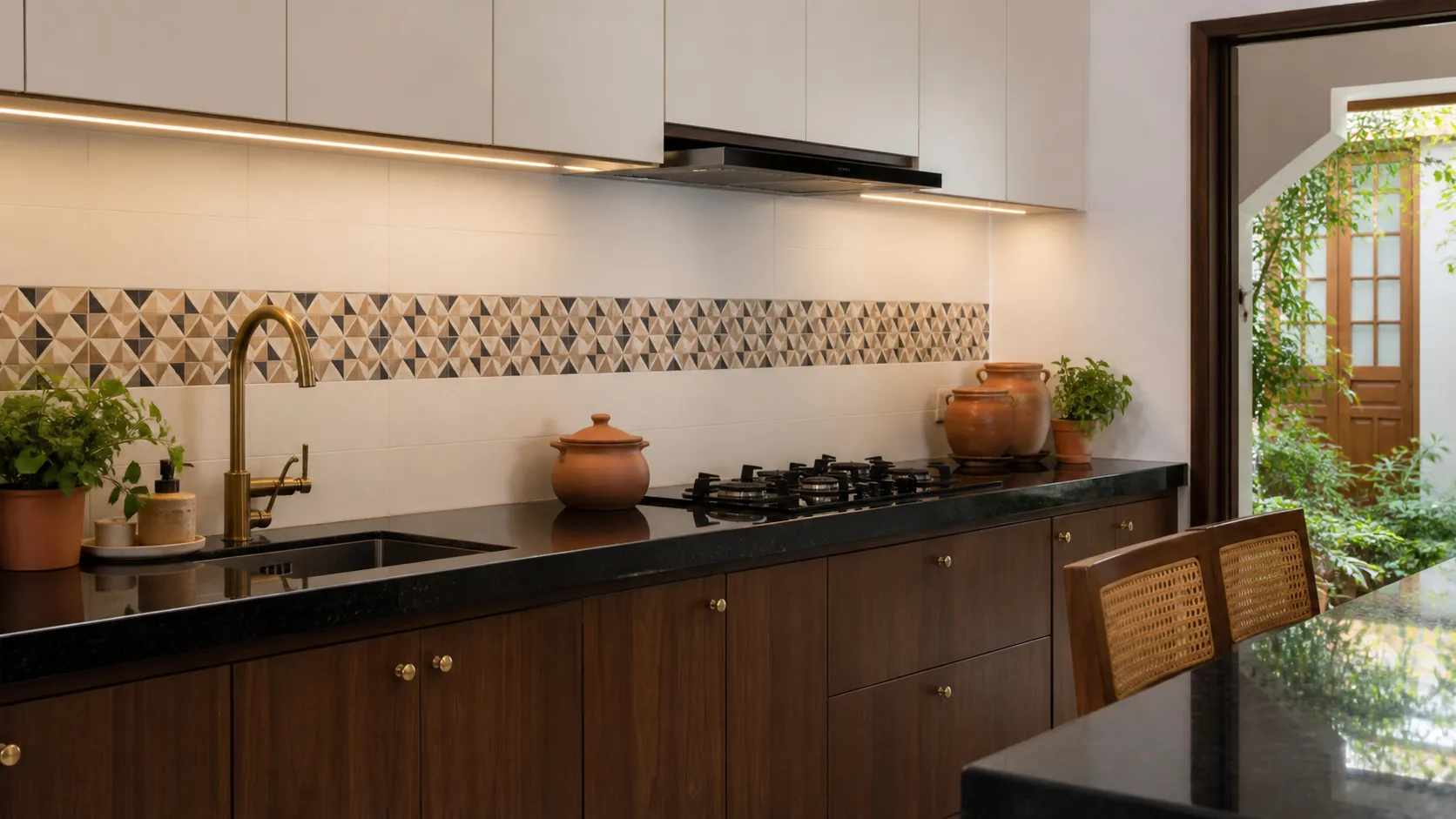
Ceramic, geometric pattern print | 100mm to 150mm wide | Matte or glossy | Rs. 80 to Rs. 160/sq.ft
A geometric-patterned highlighter band introduces graphic interest within an otherwise plain field, a strong choice for a contemporary kitchen backsplash or bathroom wall wanting a considered accent without a full patterned wall.
Idea 3: Marble-Look Contrast Highlighter
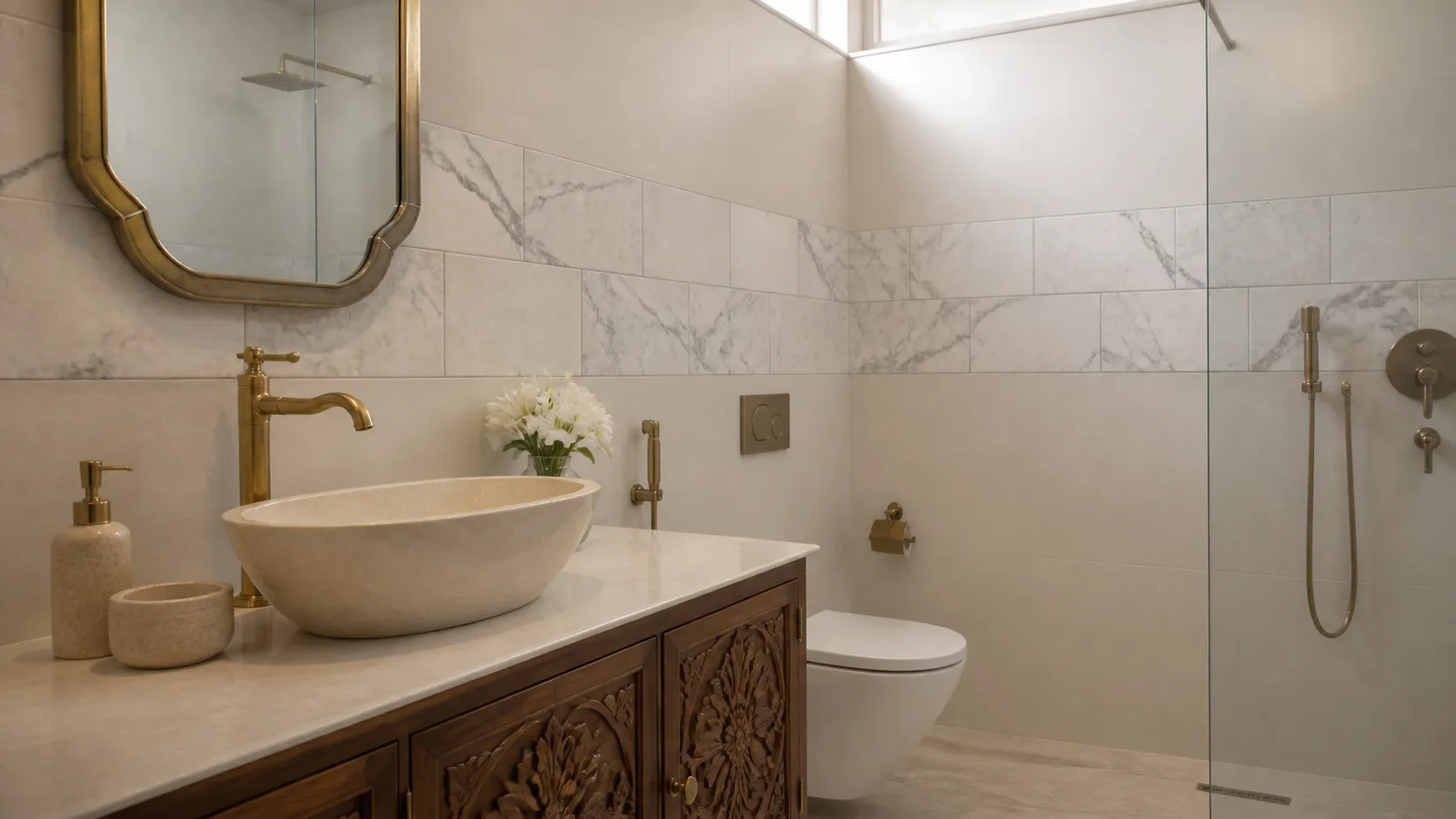
GVT, marble-look print | 1x2 (300x600 mm) | Matte or satin matte | Rs. 90 to Rs. 165/sq.ft
A marble-look highlighter band in a contrasting tone to a plain field, such as grey veining within an ivory field, references classical stone inlay work at a fraction of the cost of a full marble-look floor or wall.
Idea 4: Floral or Botanical Print Highlighter
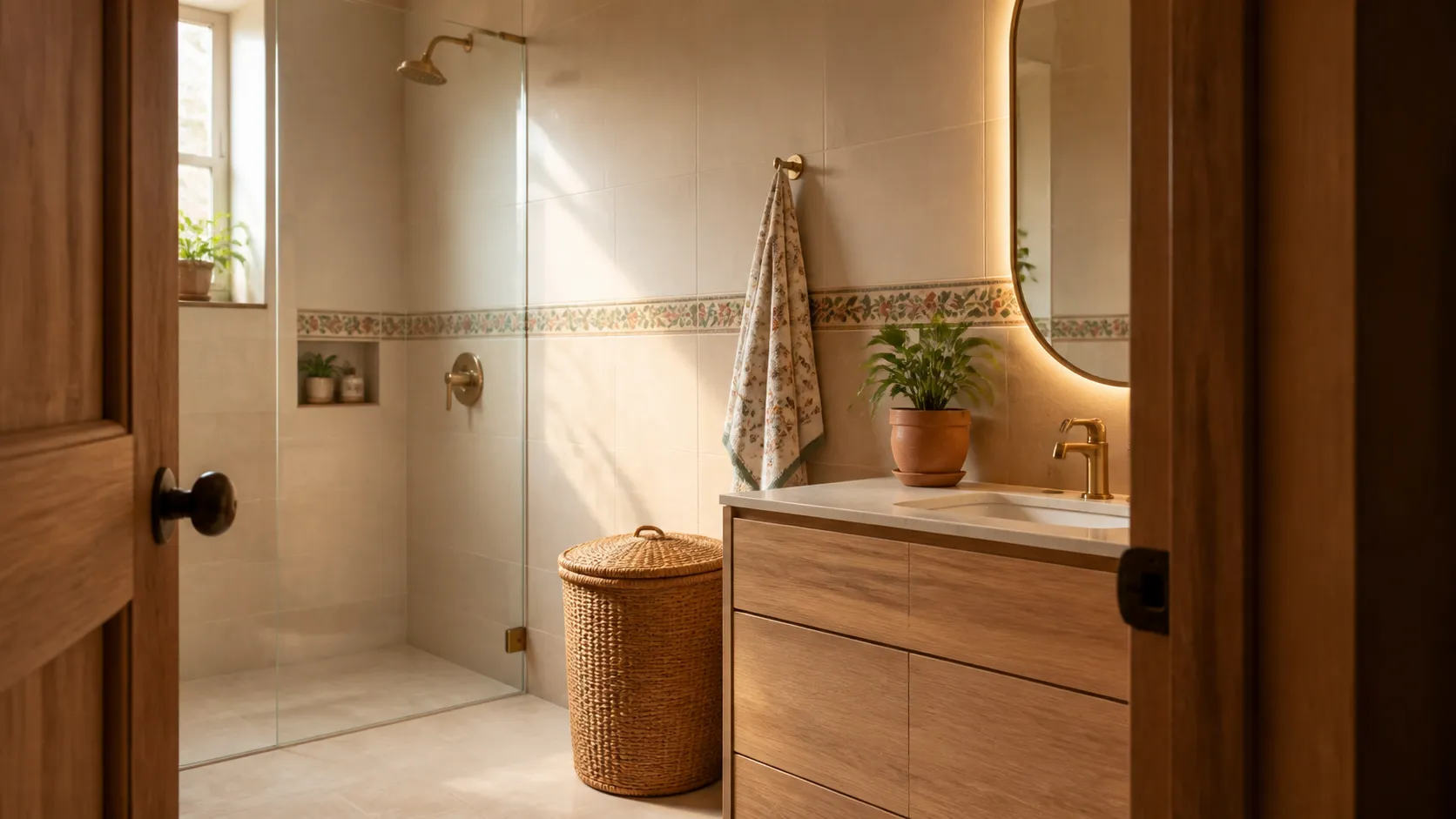
Ceramic, printed floral pattern | 100mm to 150mm wide | Matte or glossy | Rs. 85 to Rs. 155/sq.ft
A botanical or floral printed highlighter within a plain field brings warmth and character to a bathroom or kitchen wall, particularly suited to a traditional or transitional Indian interior brief.
Idea 5: Textured Stone-Look Highlighter
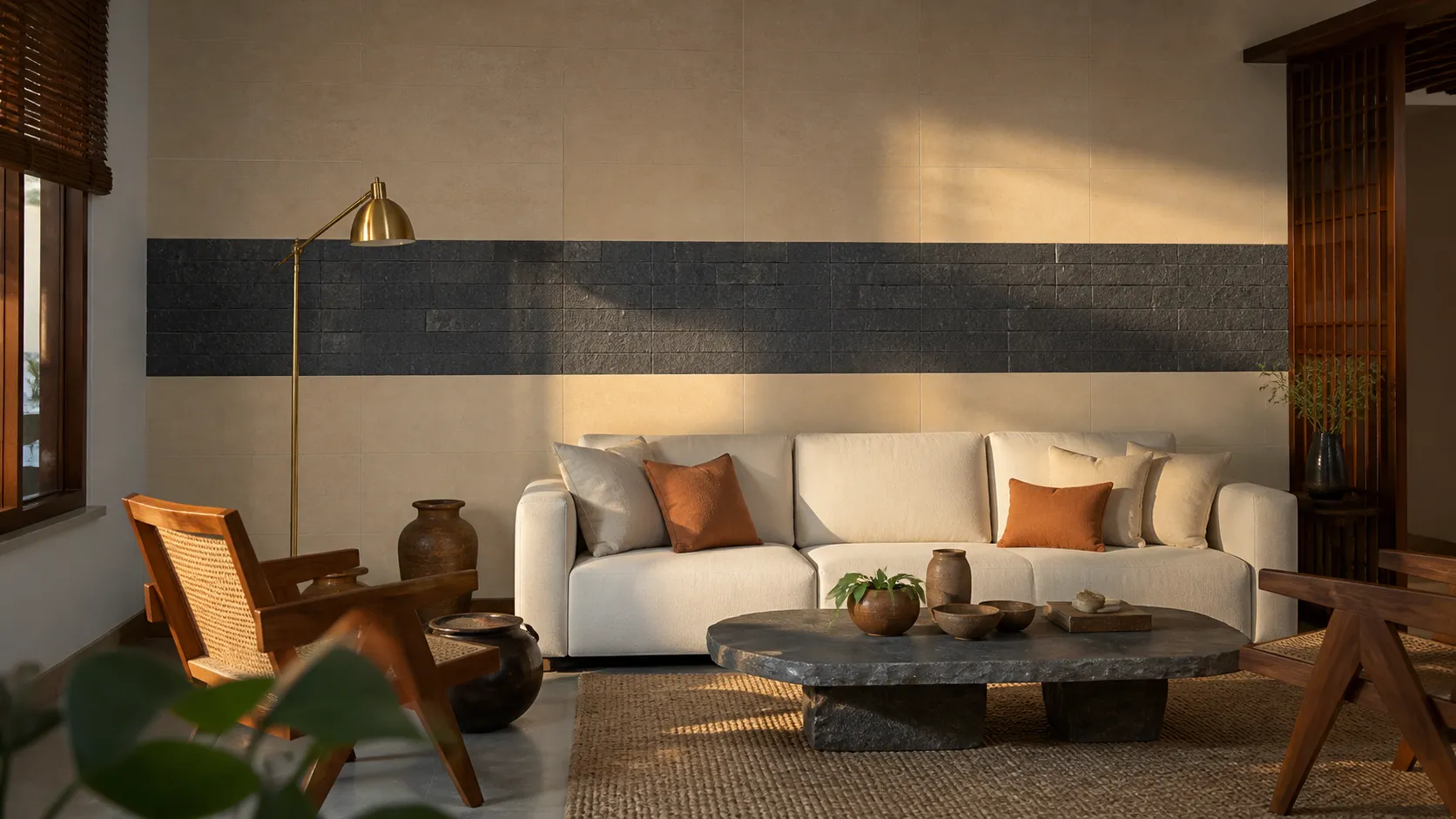
GVT, textured stone print | 1x2 (300x600 mm) | Matte | Rs. 90 to Rs. 160/sq.ft
A textured stone-look highlighter band adds tactile and visual depth within a smooth plain field, effective on a living room or bedroom feature wall wanting subtle material contrast without a full textured surface.
Buying Checklist
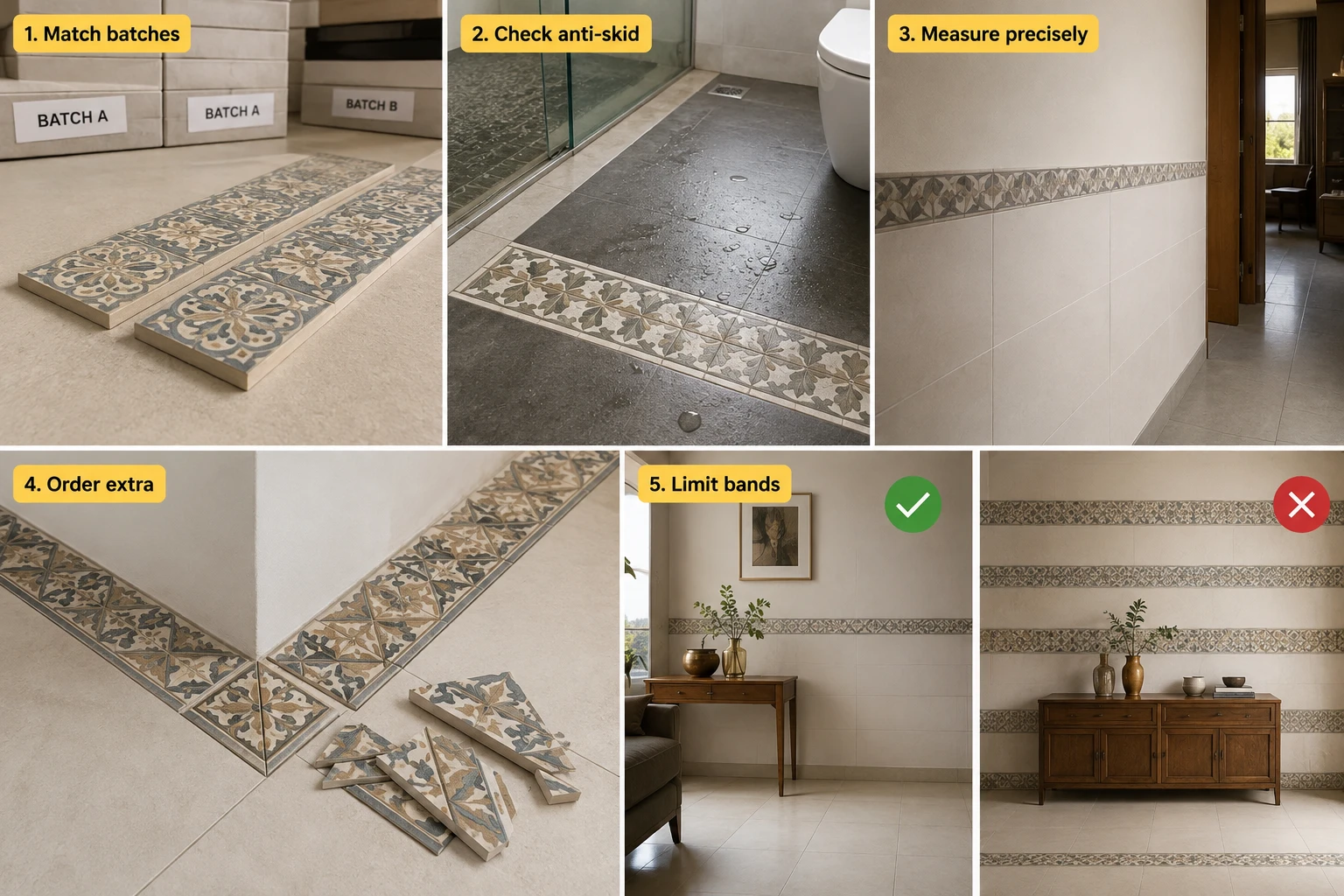
- Confirm the highlighter and field tile are ordered from compatible or matched batches, since colour drift between a highlighter and its surrounding field is more visible than a mismatch within a single plain tile order.
- Confirm anti-skid COF for any floor highlighter used in a wet-area or entrance application, since the accent tile is not automatically rated the same as the field around it.
- Measure the wall or floor precisely before ordering, since highlighter placement typically needs to run the full width of the surface for the band to read as intentional.
- Order slightly more highlighter material than the linear measurement suggests, since cut waste at corners and returns is proportionally higher for a narrow strip tile than for a full-size field tile.
- Limit highlighter placement to one or two bands per surface, resisting the temptation to add more for additional decorative interest, which typically undermines rather than enhances the accent's effect.
Highlighter Tiles in India: 2026 Manufacturing Context
Highlighter and decorative strip tiles are produced widely across Indian ceramic manufacturing centres, including Morbi, Gujarat, typically as a companion product line to a manufacturer's plain field tile ranges, allowing a genuinely colour-matched highlighter and field combination when purchased together. Metallic and premium print highlighters are produced by a smaller subset of manufacturers specialising in this decorative accent category, worth confirming for availability and lead time separately from standard field tile production.
Browse Highlighter Tiles on TilesFinders
Metallic, geometric, marble-look, and botanical highlighter strips designed to pair with plain field tiles can be filtered by colour family on TilesFinders, with matched-batch ordering support available for your accent wall or floor project.
FAQs
A highlighter tile is a narrow-format decorative tile, typically printed or textured with a pattern, metallic accent, or contrasting colour, designed to be inserted as a band or strip within a field of plain tile, distinct from a full-perimeter border tile or a standalone medallion.
One, or at most two, per wall. A wall with three or more highlighter bands reads as busy rather than accented, undermining the specific value of using a highlighter in the first place.
Typically 1.2 to 1.5 metres from the floor, roughly eye height, the position at which a horizontal accent band registers most naturally without requiring the viewer to look up or down.
Yes, commonly used to mark a functional transition such as the boundary between a kitchen and dining zone in an open-plan layout. Confirm the highlighter carries the same anti-skid rating as the surrounding field for any wet-area or entrance application.
Ceramic geometric and botanical print highlighters range from Rs. 80 to Rs. 165 per sq.ft. Metallic highlighters range from Rs. 150 to Rs. 350 per sq.ft, reflecting their more specialised production.
Either can work, though sharing a colour family with the field tile generally produces a more cohesive result for a first-time highlighter project, with a bold contrast reserved for a household confident in a more graphic design statement.
Slightly more than the linear measurement suggests, since cut waste at corners and returns is proportionally higher for a narrow strip tile than for a full-size field tile.
A highlighter is a narrow band typically inserted within a field, often at wall height or as a single floor row, while a border tile frames the full perimeter of a room or zone. Both accent a plain field but serve different placement functions.


See our tile guides first
Set TilesFinders as a preferred source and our buying guides surface ahead of the rest for you.
Add as preferred sourceTakes one tap. Nothing to install.
What Readers Say
I was about to redo my parking area with the wrong tile size until I read this. The layout comparisons saved me from a costly mistake.
We reference TilesFinders guides while briefing clients on material selection. The size and pattern breakdowns are accurate and easy to explain visually.
On site, I get asked about grout spacing all the time. This article gave me a solid reference I now share with my team before every job.
Finally a guide that doesn't just push generic advice. The oil stain removal steps actually worked on our clubhouse driveway tiles.
I run a small construction firm and now send this link to clients directly when they ask about entrance tile sizing. Saves me an hour of explaining.
Good practical detail, though I wish there were more examples for compact apartment entrances specifically, not just villas.
My mother-in-law wanted marble, I wanted vitrified. This blog gave us the neutral comparison we needed to actually decide together.
Detailed without being overwhelming. I appreciated that it covered both cost and maintenance, not just the aesthetics.
Used the algae and hard water removal tips on our terrace tiles after the monsoon. Worked better than what our regular cleaner was doing.
As someone who sources tiles for multiple builder projects, I find these comparisons genuinely useful for vendor conversations, not just consumer content.
Recommended this to a client who kept second-guessing the entrance design. The small vs large layout section settled the debate instantly.
Straightforward and honest, no unnecessary jargon. Would like to see a similar breakdown for outdoor pool-deck tiles next.
We've bookmarked several TilesFinders guides for our design handbook. Reliable source when clients want data, not just opinions.
Two paths, one marketplace.
Get free quotes from verified suppliers.
Share your room, budget, and style. Suppliers in Morbi respond within hours.
Get Free QuotesList your business, reach real buyers.
Put your showroom in front of homeowners searching for tiles right now.
List Your Business