Best Kitchen Tiles Under Rs 60 per Sq Ft in India: 2027 Picks
A kitchen is the smallest tiled room and the hardest working, so per sq ft rates mislead most here. This guide shows what Rs 60 buys, six honest picks, and where to spend extra.
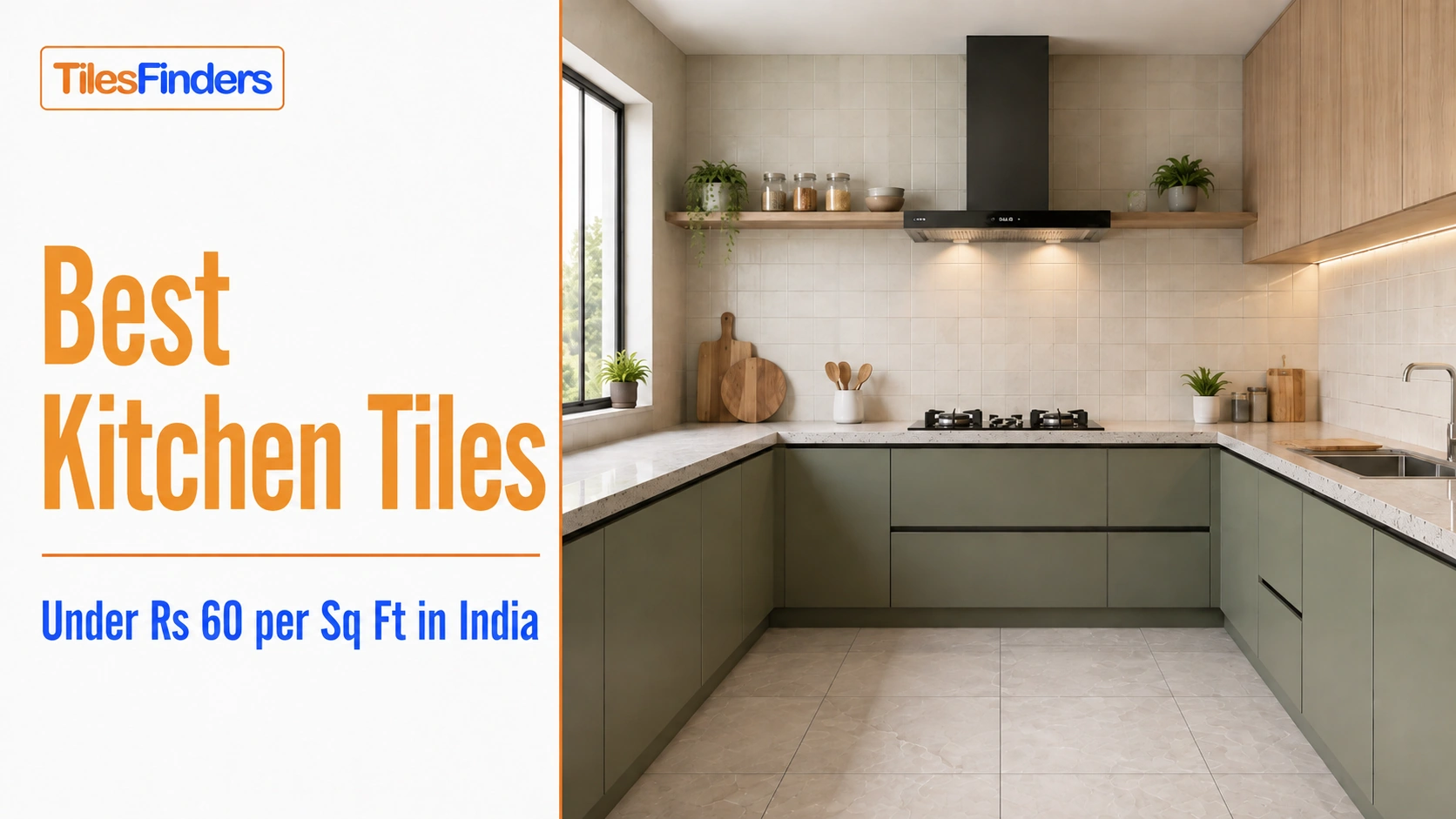
- What Rs 60 per Sq Ft Actually Buys in a Kitchen
- Run the Absolute Number Before You Trust the Rate
- Where the Rate Genuinely Matters, and Where It Doesn't
- Six Honest Picks Under Rs 60 per Sq Ft
- The Upgrade Worth More Than a Higher Tile Rate
- What You Genuinely Give Up at This Price
- A Spending Order for a Tight Kitchen Budget
- Checking the Number Before Accepting the Constraint
A standard 8x10 Indian kitchen tiles out at roughly 115 sq ft, so the gap between budget and near premium tile is often under Rs 6,000 for the whole room. This guide covers what Rs 60 buys, six honest picks, and the upgrade worth more than a higher tile rate.
Rs 60 per sq ft is a workable kitchen tile budget, and this guide gives real picks at that number. But before the picks, there is a piece of arithmetic worth doing, because a kitchen is the one room where the per-square-foot rate misleads more than it informs.
A kitchen is simultaneously the smallest tiled area in most homes and the hardest-working surface in it. Those two facts pull in opposite directions, and understanding how they interact changes what a tight kitchen budget should actually be spent on.
What Rs 60 per Sq Ft Actually Buys in a Kitchen
The honest answer is that this budget lands you in genuinely decent territory, not compromise territory. At Rs 60 per sq ft you are shopping across good-quality glossy ceramic for the backsplash, entry-level GVT for the floor, and double-charge vitrified in standard format, all of which are legitimate kitchen-appropriate products rather than substitutes for something better.
Ceramic wall tile in India commonly runs Rs 35 to Rs 90 per sq ft, so Rs 60 sits comfortably mid-range for a backsplash rather than at the bottom. Entry GVT floor tile starts around Rs 60, meaning this budget reaches the category rather than falling just short of it. Nobody needs to apologise for a kitchen specified at this number.
Run the Absolute Number Before You Trust the Rate
Here is where a kitchen genuinely differs from every other room. The standard Indian kitchen is around 8 by 10 feet, which is roughly 80 sq ft of floor, with a typical backsplash adding another 30 to 40 sq ft. Call it 115 sq ft of total tiled area for a standard kitchen.
Now compare what the budget decision actually costs across that area.
Standard 8x10 kitchen: 80 sq ft floor + 35 sq ft backsplash = 115 sq ft
At Rs 60 per sq ft: 115 x 60 = Rs 6,900
At Rs 110 per sq ft (near-premium): 115 x 110 = Rs 12,650
Total difference across the entire kitchen: Rs 5,750
That is the whole gap between a budget kitchen tile specification and a near-premium one, for the complete room. Roughly the price of a decent mixer grinder.
Run the same comparison on a 250 sq ft living room, and the gap becomes Rs 12,500. Run it across a full 1,100 sq ft flat, and it exceeds Rs 55,000. The rate is identical in all three cases. The consequence of that rate is completely different, because the area it multiplies across is completely different.
This does not mean the budget is fake or that anyone should be talked into spending more than they have. It means that in a kitchen specifically, the per square foot framing exaggerates the stakes of the decision, and it is worth checking the absolute rupee figure before assuming an upgrade is out of reach.
From The Marketplace
Popular tiles right now
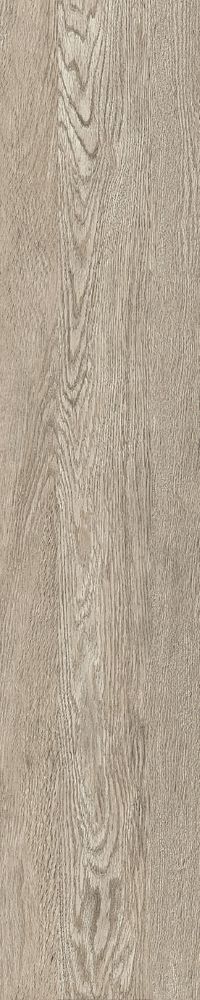
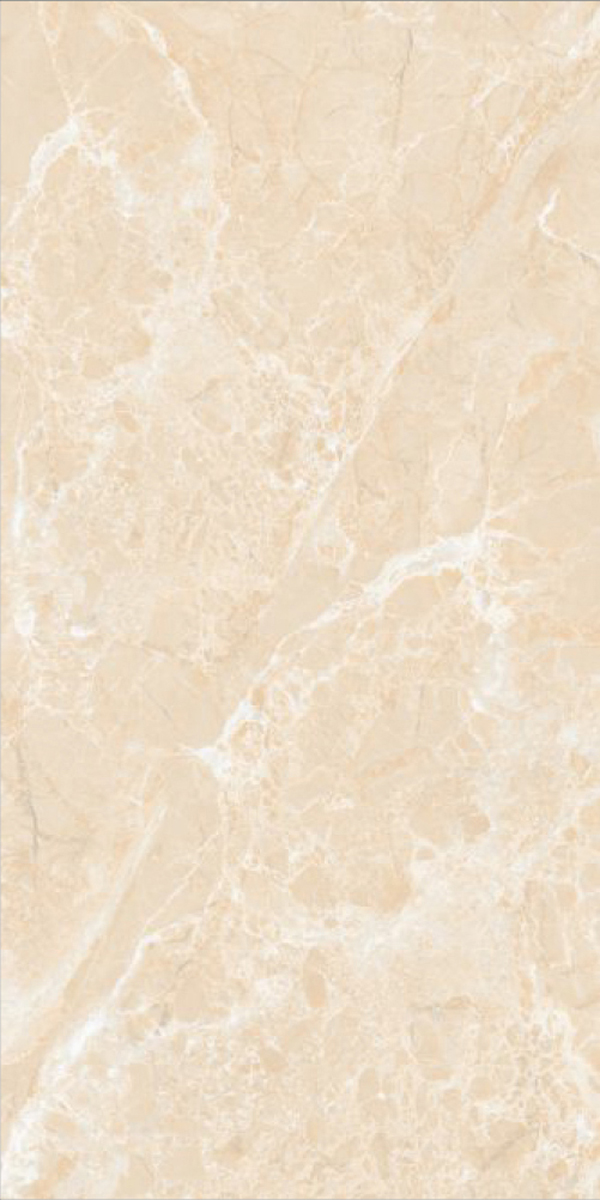
-d47fd16c-7c13-4090-a106-9dab32f8ed61.jpg)

-17d8f441-13a9-44fe-b5a0-5fc5de7baac4.jpg)
-4a5a3ada-af65-4c38-8990-eaf70829c59b.jpg)
-1ffbd51f-aa6b-40f9-a0bc-3e01d7a88a73.jpg)


Where the Rate Genuinely Matters, and Where It Doesn't
| Surface | Area in a Standard Kitchen | Does the Rate Matter? |
| Floor | Around 80 sq ft | Moderately; this is where most of the area and most of the stress sits |
| Backsplash | Around 30 to 40 sq ft | Barely; a Rs 30 rate difference costs about Rs 1,000 across the whole splash |
| Accent or feature strip | Under 10 sq ft | Almost not at all; premium tile here is genuinely affordable |
The backsplash row is worth dwelling on. A 35 sq ft backsplash upgraded from Rs 60 to Rs 90 per sq ft costs an additional Rs 1,050 in total. That is the entire financial consequence of choosing a considerably better backsplash tile, and it is the single most cost-effective upgrade available in a kitchen renovation.
Six Honest Picks Under Rs 60 per Sq Ft
1. Glossy Ceramic Subway for the Backsplash
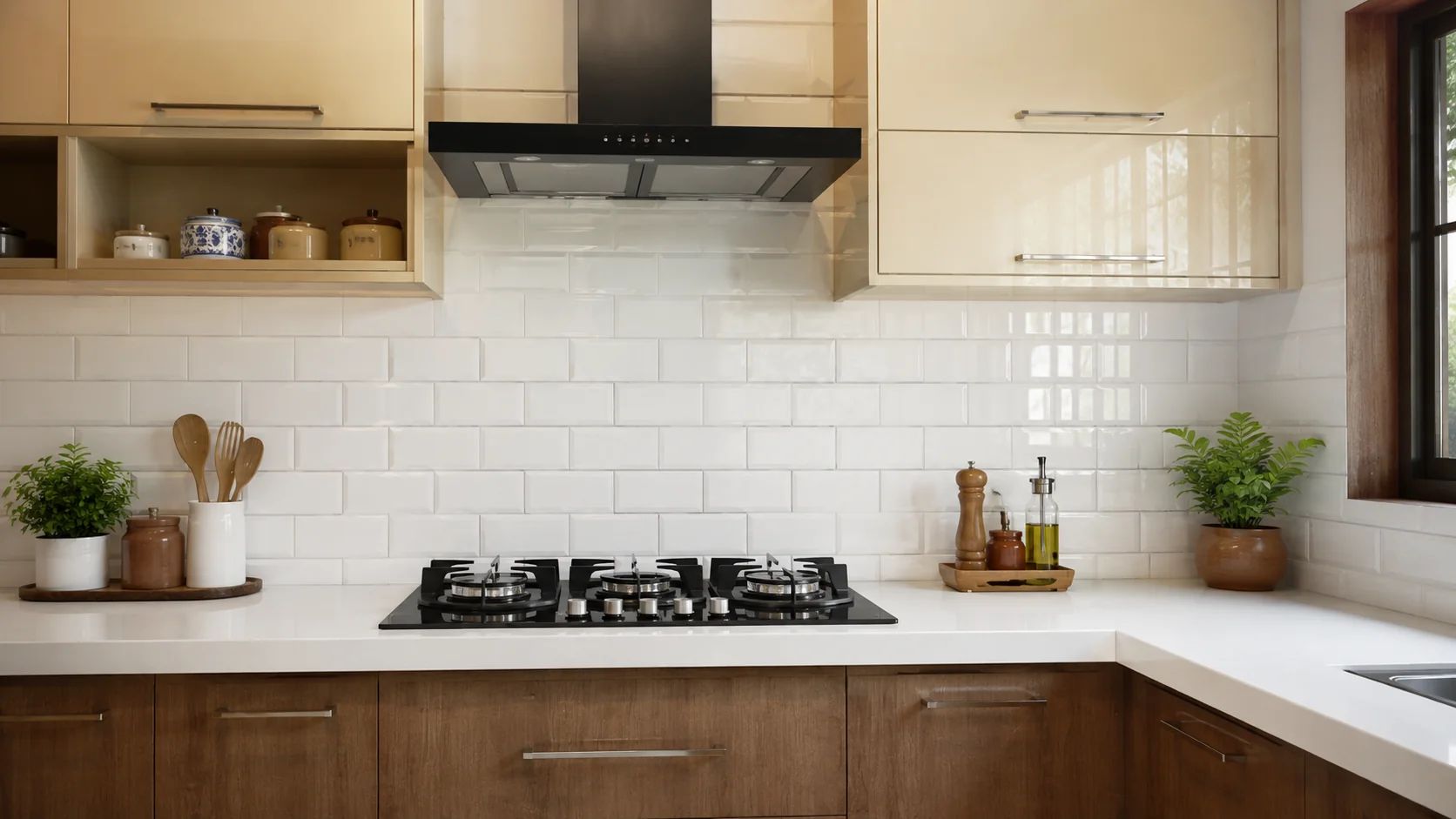
The strongest value pick in a kitchen at any budget. A plain glossy white or off-white ceramic subway tile sits comfortably under Rs 60, releases oil and grease residue with a single wipe, and suits practically every kitchen style. There is no version of this decision that goes wrong.
2. Double-Charge Vitrified Floor Tile
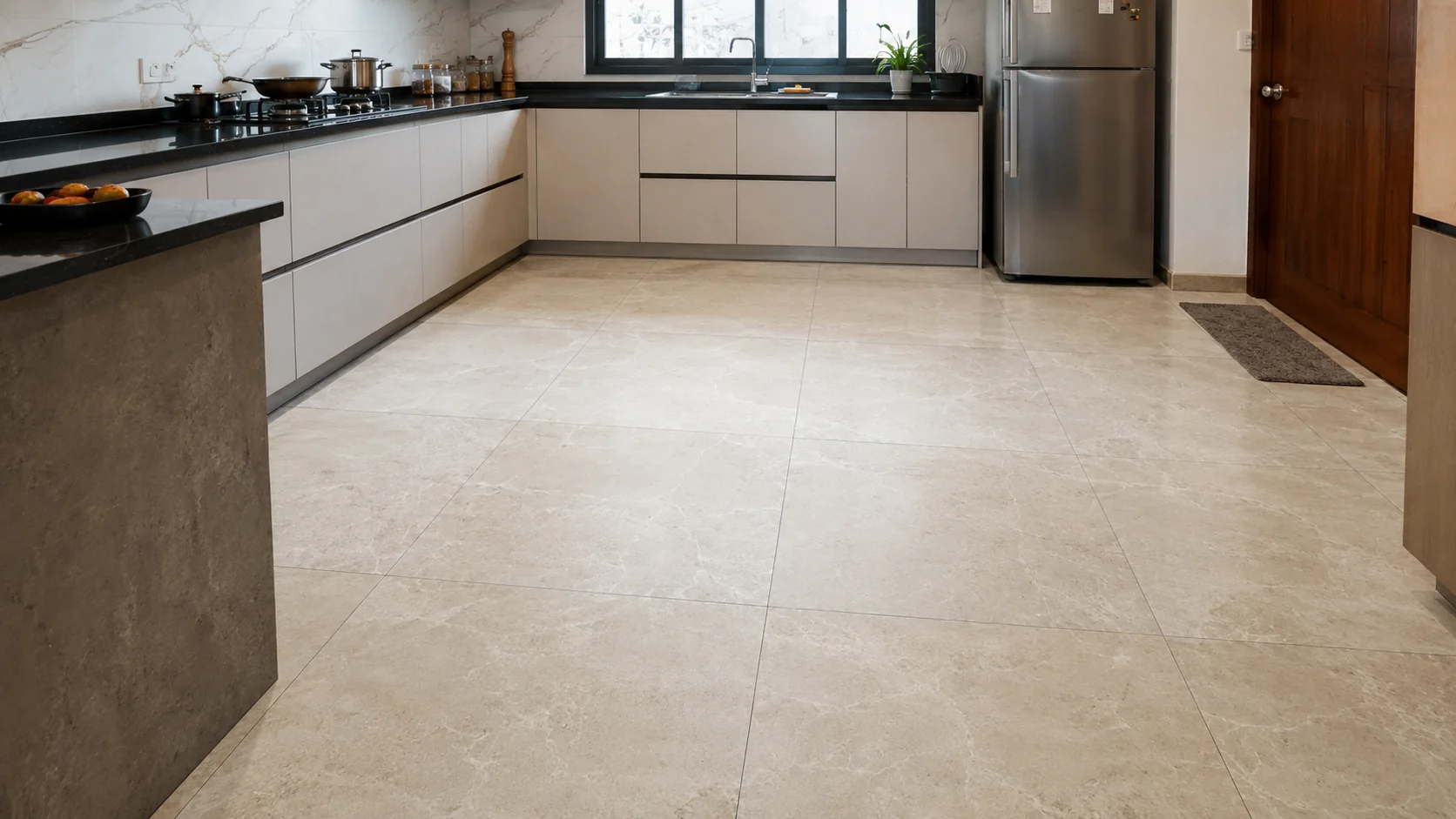
At Rs 35 to Rs 55 per sq ft in standard 600x600mm format, double-charge vitrified is the best durability-per-rupee available in this budget. Colour and pattern run through the top layer of the tile body rather than sitting on a surface glaze, which means chips from dropped utensils, a genuine kitchen risk, show far less than on a purely glazed tile.
3. Entry GVT in a Matte or GHR Finish
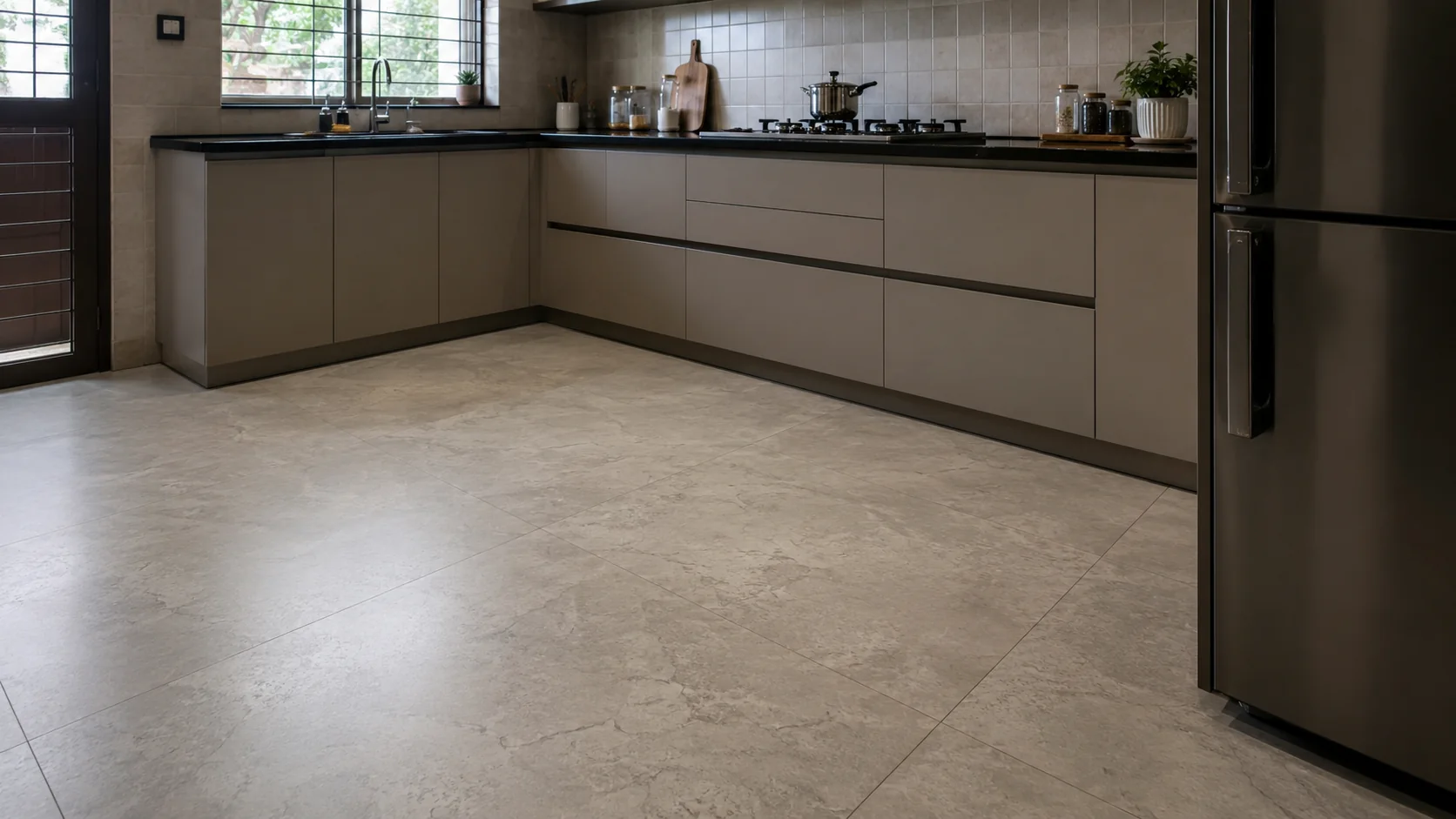
Entry-level GVT starts around Rs 60 per sq ft and delivers a wider design range than double-charge, with matte and GHR finishes offering better underfoot grip than a gloss floor. For a kitchen floor that will get oil on it, that grip is worth having.
4. Digital Print Ceramic for a Feature Backsplash
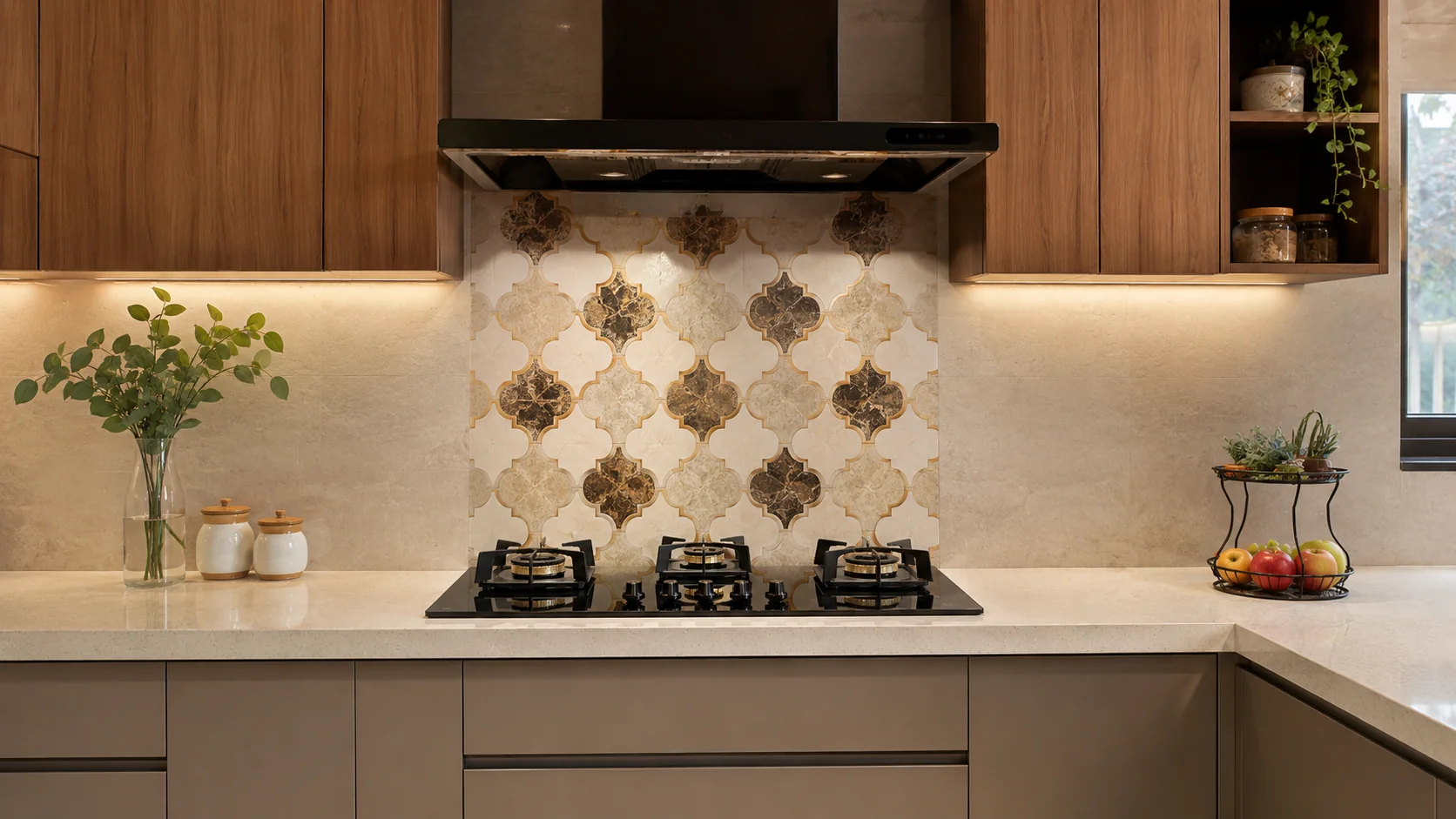
Digital printing has made marble-look and patterned ceramic genuinely affordable, commonly Rs 45 to Rs 100 per sq ft. Given how small a backsplash is, even the upper end of that range is affordable across the actual area involved.
5. Plain Solid-Tone Vitrified Floor
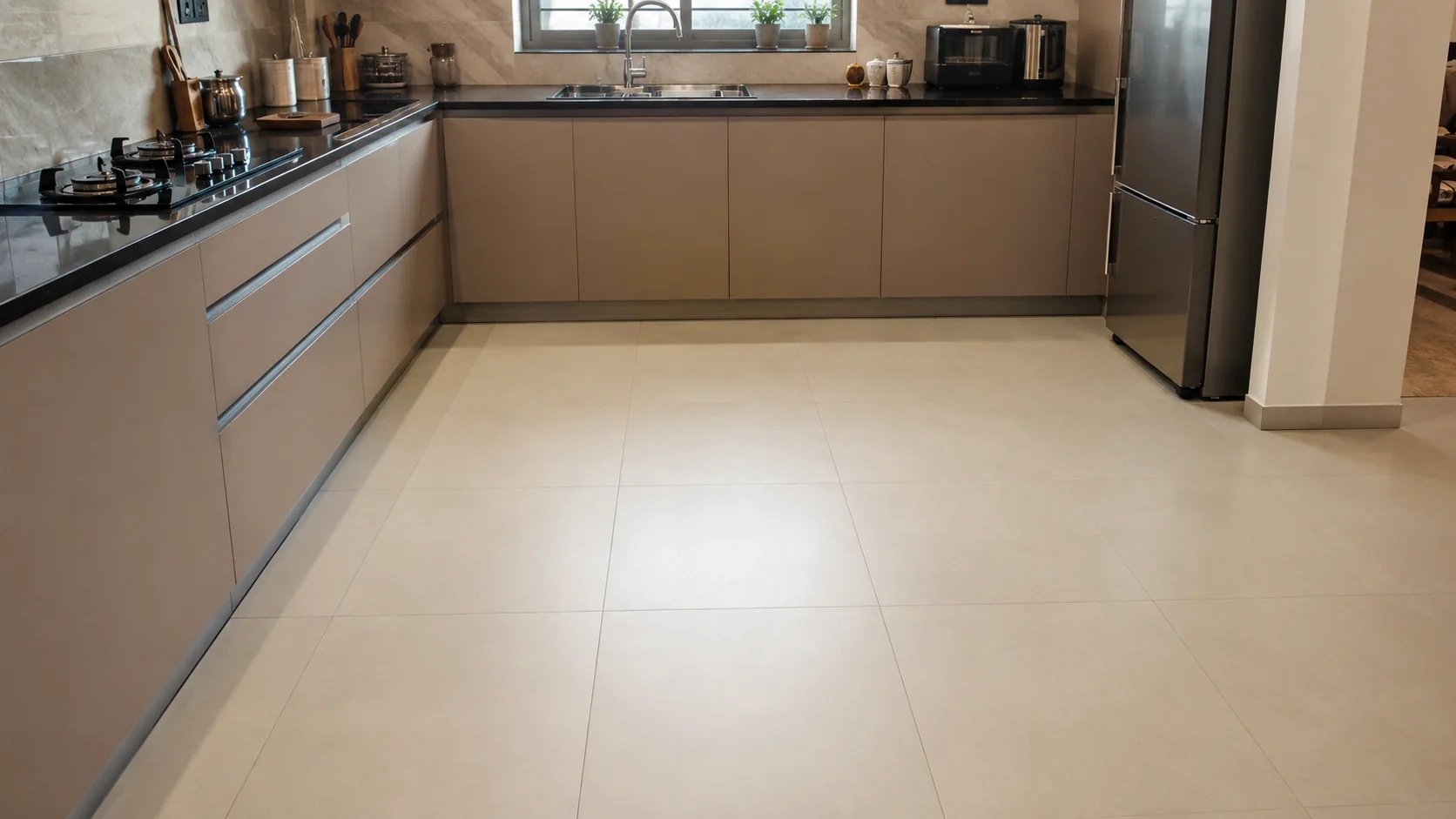
An unpatterned single tone is consistently the cheapest genuinely good vitrified option, since it avoids the print and texture premium entirely. In a kitchen where cabinetry and the backsplash carry the visual interest, a plain floor is a defensible design choice rather than only a budget one.
6. Larger Format Floor Tile Where the Layout Allows
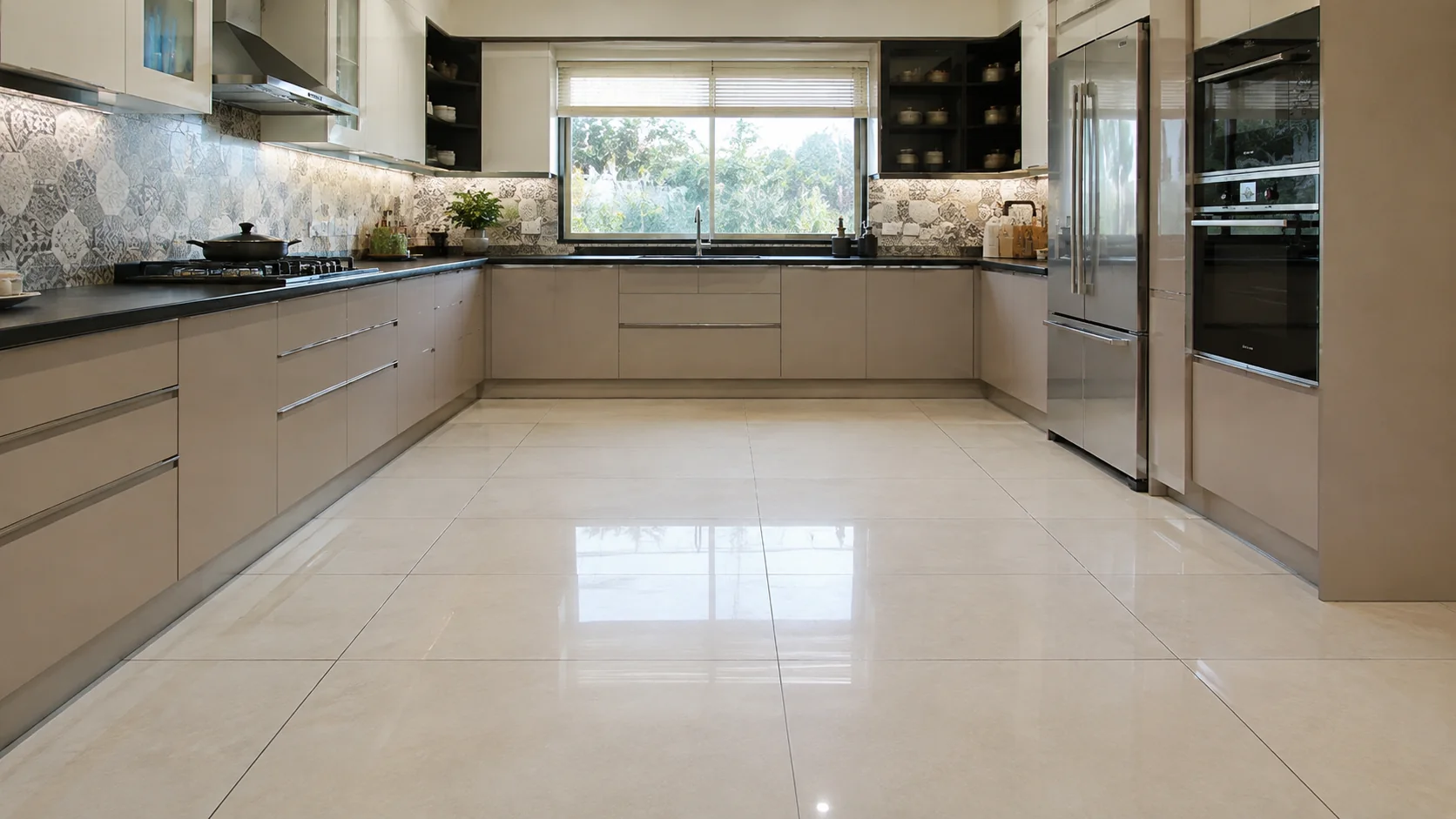
A 600x600mm tile carries fewer grout lines per square foot than a 300x300mm, and grout is what actually ages badly in a kitchen. Where the kitchen is large enough to take it without excessive cutting, the larger format is the better long-term choice at the same rate.
The Upgrade Worth More Than a Higher Tile Rate
If a kitchen budget has any flexibility at all, the most valuable place to spend it is not on a higher tile rate. It is on grout.
Tile glaze is close to non-porous and releases oil readily. Cement-based grout is porous, absorbs oil and pigment, and dulls progressively in a way that surface cleaning does not reverse. This is why an older kitchen backsplash looks tired long before the tiles themselves have any real problem; the grout has aged, not the tile.
Epoxy grout typically adds Rs 15 to Rs 40 per sq ft over standard cement grout. Applied to a backsplash and hob zone of around 35 sq ft, that is roughly Rs 500 to Rs 1,400 for the area where it matters most. Compare that against upgrading the tile rate itself, and the grout upgrade delivers considerably more visible longevity per rupee.
The practical version: if you have Rs 3,000 of flexibility in a kitchen budget, epoxy grout in the hob zone plus a slightly better backsplash tile will do more for how the kitchen looks in five years than spending the same Rs 3,000 pushing the floor tile rate up.
What You Genuinely Give Up at This Price
- Large format options: 800x800mm and above generally sit outside this budget, meaning more grout lines across the floor than a premium specification would carry.
- Full body vitrified: at Rs 90 and up, full body construction is out of reach here. Double-charge is the closest available substitute and genuinely capable, but it is not the same product.
- Design exclusivity: budget-tier designs are shared across multiple dealer catalogues rather than being manufacturer-exclusive, so a specific pattern is unlikely to feel unique.
- Batch consistency margin: entry-tier manufacturing carries wider tolerances, making it more important to buy the full kitchen quantity from a single batch in one purchase.
A Spending Order for a Tight Kitchen Budget
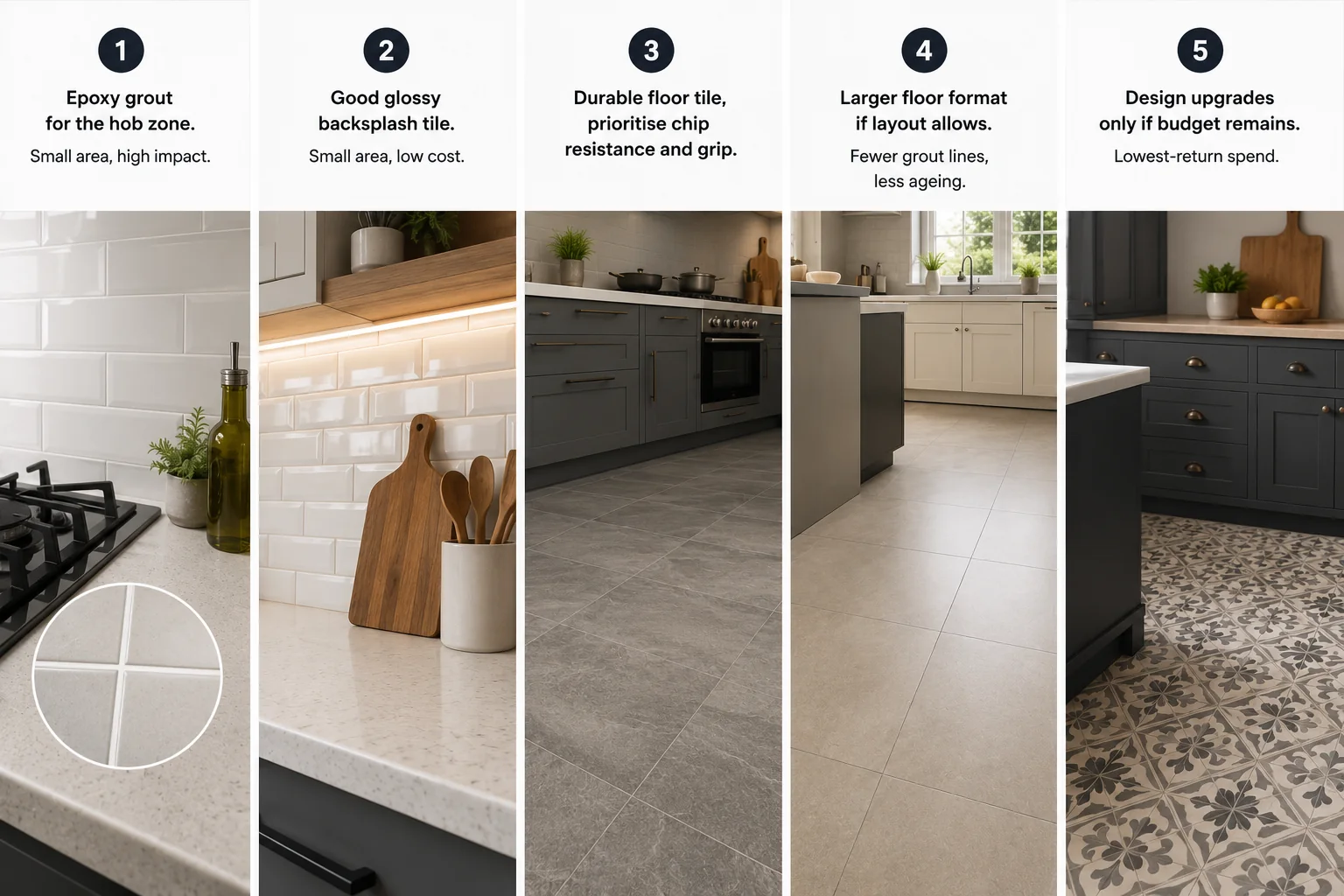
If the budget is genuinely fixed, spend it in this order rather than spreading it evenly.
- First, epoxy grout for the hob zone. Small area, low absolute cost, highest impact on how the kitchen ages.
- Second, a good glossy backsplash tile. The area is small enough that quality here costs very little in absolute terms.
- Third, a durable floor tile, double-charge or entry GVT, prioritising chip resistance and grip over design.
- Fourth, larger floor format if the layout takes it without heavy cutting, since fewer grout lines means less visible ageing.
- Last, and only if budget remains, design upgrades on the floor. This is the lowest-return spend in a kitchen, since cabinetry covers a good portion of the floor anyway.
Checking the Number Before Accepting the Constraint
A Rs 60 kitchen budget buys genuinely capable tile, and this guide's picks stand on their own merits. But the more useful takeaway is the arithmetic, because in a room this small, the entire distance between budget and near-premium is often a few thousand rupees rather than the significant sum a per square foot comparison implies.
If you are planning a kitchen tile purchase, you can compare ceramic, double-charge and GVT ranges by price and design, and connect with verified dealers on TilesFinders.

FAQs
Yes, genuinely. It reaches good-quality glossy ceramic for the backsplash and entry GVT or double-charge vitrified for the floor, all legitimate kitchen-appropriate products rather than compromises.
A standard 8 by 10 foot kitchen involves roughly 115 sq ft of tiled area, including the backsplash. At Rs 60 per sq ft, that is around Rs 6,900 in material, with installation labour typically adding Rs 35 to Rs 65 per sq ft on top.
The backsplash offers better value per rupee, because it is a much smaller area. Upgrading a 35 sq ft backsplash from Rs 60 to Rs 90 per sq ft costs only around Rs 1,050 in total, which is the cheapest meaningful quality improvement available in a kitchen.
Yes, and arguably it should come before a tile rate upgrade. Grout is what visibly ages in a kitchen, not tile, and applying epoxy to just the hob zone typically costs only Rs 500 to Rs 1,400 given how small that area is.
Double-charge tile carries colour and pattern through the upper portion of the tile body rather than only on a surface glaze, which means chips from dropped utensils show far less. At Rs 35 to Rs 55 per sq ft, it offers the best durability per rupee in this budget.
Because per square foot pricing exaggerates the stakes in a small room. The same Rs 50 rate difference costs about Rs 5,750 across a kitchen but over Rs 55,000 across a full flat. Checking the absolute figure for your actual area often reveals more flexibility than the rate suggests.


See our tile guides first
Set TilesFinders as a preferred source and our buying guides surface ahead of the rest for you.
Add as preferred sourceTakes one tap. Nothing to install.
What Readers Say
I was about to redo my parking area with the wrong tile size until I read this. The layout comparisons saved me from a costly mistake.
We reference TilesFinders guides while briefing clients on material selection. The size and pattern breakdowns are accurate and easy to explain visually.
On site, I get asked about grout spacing all the time. This article gave me a solid reference I now share with my team before every job.
Finally a guide that doesn't just push generic advice. The oil stain removal steps actually worked on our clubhouse driveway tiles.
I run a small construction firm and now send this link to clients directly when they ask about entrance tile sizing. Saves me an hour of explaining.
Good practical detail, though I wish there were more examples for compact apartment entrances specifically, not just villas.
My mother-in-law wanted marble, I wanted vitrified. This blog gave us the neutral comparison we needed to actually decide together.
Detailed without being overwhelming. I appreciated that it covered both cost and maintenance, not just the aesthetics.
Used the algae and hard water removal tips on our terrace tiles after the monsoon. Worked better than what our regular cleaner was doing.
As someone who sources tiles for multiple builder projects, I find these comparisons genuinely useful for vendor conversations, not just consumer content.
Recommended this to a client who kept second-guessing the entrance design. The small vs large layout section settled the debate instantly.
Straightforward and honest, no unnecessary jargon. Would like to see a similar breakdown for outdoor pool-deck tiles next.
We've bookmarked several TilesFinders guides for our design handbook. Reliable source when clients want data, not just opinions.
Two paths, one marketplace.
Get free quotes from verified suppliers.
Share your room, budget, and style. Suppliers in Morbi respond within hours.
Get Free QuotesList your business, reach real buyers.
Put your showroom in front of homeowners searching for tiles right now.
List Your BusinessMore Blogs
See all
Counter Top Tiles vs Granite vs Quartz Slabs: Cost, Hygiene, and Durability Compared for Indian Kitchens
Beyond material comparisons, discover how countertop surfaces differ in design, maintenance, and ...
Read More
Best Multi-Colour Mosaic and Decor Tiles India 2027: Statement Kitchen and Bathroom Picks
Compare the best multi-colour mosaic and decor tiles for Indian kitchens and bathrooms, from affo...
Read More
Hexagon Tiles in India: Complete Shape Guide for Bathrooms, Kitchens and Feature Walls
A 2027 guide to hexagon tiles in India, covering wet-zone grip, room-by-room sizing, 15–20% wasta...
Read More