

Outdoor Stone Tile Flooring and Porcelain Paving: Why Thickness Matters
Loading designs...
-
10009 HL 400x400Matte -
1001 300x450Matte -
1001 300x450Matte -
1001 300x450Matte -
1002 600x600Matte -
1002 300x450Matte -
1003 300x450Matte -
1004 300x450Matte -
1005 300x450Matte -
1005 300x450Matte -
1006 300x450Matte -
1006 300x450Matte -
1007 300x450Matte -
1008 300x450Matte -
1008 300x450Matte -
1016 600x600Matte -
1036 600x600Matte -
1052 300x600Matte -
10527-D 300x450Glossy -
10527-D 300x450Glossy
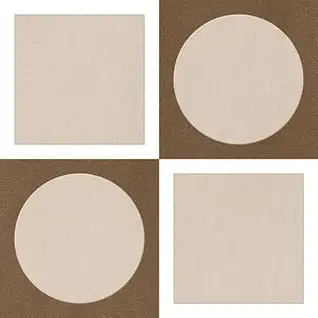
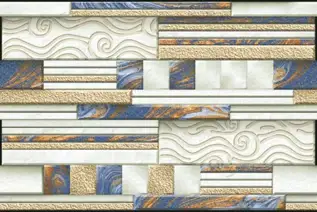
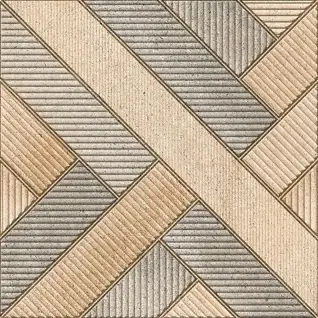
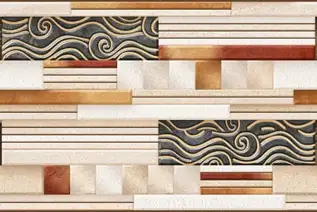
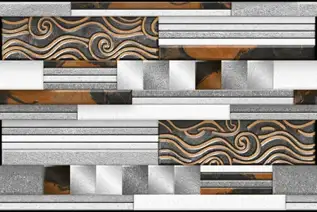
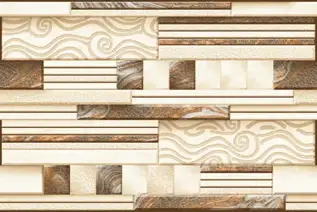
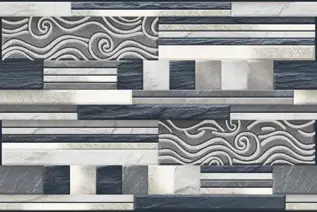
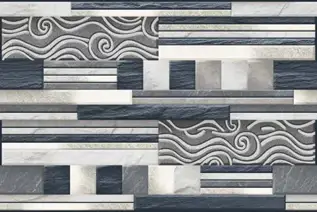
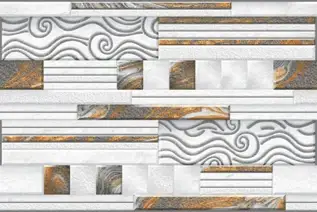
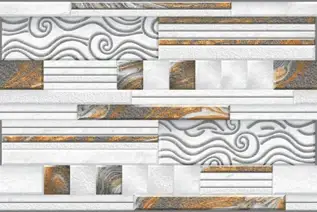
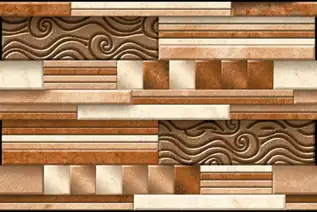
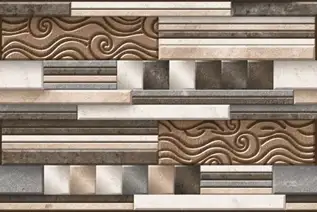
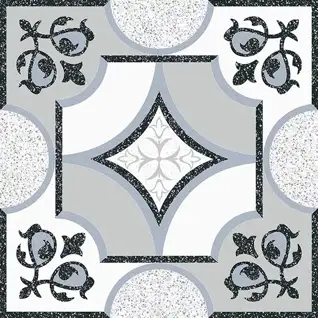
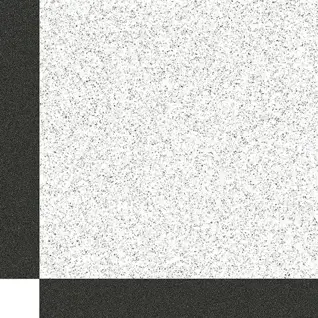
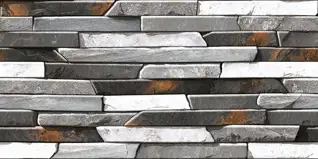
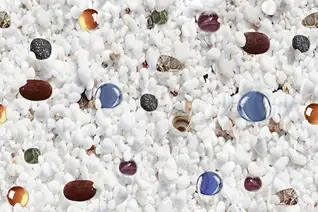
The single biggest mistake in outdoor tiling is treating an outdoor stone tile flooring project the same as an indoor one. Indoor tile runs 8mm to 10mm thick and sits on a full mortar bed, while genuine outdoor stone tile and external porcelain paving are made in a thicker 20mm format specifically so they can handle direct foot and furniture load with a much thinner setting bed, or even no mortar at all on some installation systems. This page starts with that thickness distinction, then covers patio, pool, decking, roofing, and named stone varieties.
Thickness First: Why Outdoor Tile Isn't Just Thin Indoor Tile
| Factor | Indoor Stone/Porcelain Tile | Outdoor Stone Tile Flooring / Paving |
| Typical thickness | 8mm to 10mm | 20mm (2cm) |
| Installation base | Full mortar bed required | Mortar, gravel, sand, or a raised pedestal system |
| Load handling | Needs continuous support beneath | Can bridge small gaps without cracking |
| Finish requirement | Any finish is safe indoors | Textured, honed, or riven only |
Note: Never substitute standard 8mm to 10mm indoor porcelain for an outdoor patio or pool deck project. The thinner body cracks under point loads and weather cycling that 20mm outdoor-rated paving is built to withstand.
One Category, Many Word Orders
Searches for this category shuffle the same core words into many different orders: outdoor stone flooring, stone outdoor floor tiles, natural stone tiles outdoor, outdoor natural stone flooring, outdoor floor stone tiles, stone tiles for outdoor floor, natural stone flooring outdoor, outdoor stone tiles for patio, and stone floor tiles outdoor all point to the same underlying product. Whichever order the words appear in, the buying decision stays the same: confirm thickness, finish, and whether the material is natural stone or porcelain paving before comparing price.
Patio, Decking, and Stepping Applications
Stone patio tiles, stone slabs for patio, and outdoor patio stone tiles all describe the same general application: a continuous outdoor floor surface for seating and dining areas. Stone decking tiles specifically refer to raised, pedestal-mounted paving systems that allow drainage and cabling to run beneath the surface, common on rooftop terraces and balconies. Outdoor stepping tiles differ from both, being individual pieces set with gaps into grass, gravel, or soil rather than laid edge to edge across a continuous surface.
- Stone patio tiles/stone slabs for patio: continuous surface for seating and dining areas.
- Stone decking tiles: pedestal-mounted, allowing drainage and cabling beneath the surface.
- Outdoor stepping tiles: individual pieces set into grass or gravel with visible gaps.
- Outdoor wall tiles stone: vertical cladding, more finish freedom since walls face less foot traffic.
Pro tip: For a rooftop terrace or balcony, stone decking tiles on a pedestal system are often easier and faster to install than mortar-bedded stone patio tiles, since the pedestal system also handles the slope needed for drainage.
Pool Surrounds: Stone, Porcelain, and Named Colours
Stone pool tile and natural stone pool tile need the same core rule as any pool surface: matte or textured finish at the waterline and deck, since polished stone becomes dangerously slippery around water. Turquoise pool tile in porcelain replicates the tropical lagoon look without natural stone's sealing requirement, while Bali stone pool tiles, styled on Indonesia's Green Sukabumi volcanic stone, bring the same lagoon-green tone through either genuine imported stone or a porcelain imitation, roughly half the price of the authentic material. Blue stone tile patio and blue stone patio tile applications extend this same colour family from the pool deck onto the surrounding patio for a continuous look.
Note: Genuine Bali stone (Green Sukabumi) is rare and costly to import. Porcelain Bali stone tile replicates the look closely enough that most buyers cannot tell the difference once installed, at roughly half the material cost.
Porcelain Paving: External, Cream, and Named Ranges
External porcelain paving, porcelain paving stones, and roadstone porcelain paving all describe the 20mm-thick outdoor porcelain category discussed at the top of this page, engineered specifically for patios, walkways, and pool decks rather than indoor use. Cream porcelain paving sits at the lighter end of the available colour range, popular for reflecting heat and keeping a paved area cooler underfoot through Indian summers. Stone look tiles outdoor and stone effect outdoor tiles both describe porcelain paving printed to replicate natural stone texture, giving the outdoor stone tile flooring look without the sealing that real stone needs.
Stone Roof Tiles: A Separate Product Entirely
Stone roof tiles, including named varieties like Cotswold stone roof tiles, are a distinct roofing product rather than a floor or paving tile, cut and shaped specifically to shed water and interlock across a pitched roof surface. Cotswold stone roof tiles prices run considerably higher than standard concrete or clay roof tiles due to the natural stone's weight, sourcing, and the specialist labour needed for correct interlocking installation.
Outdoor Stone and Porcelain Specifications for Indian Buyers
External porcelain paving in the 20mm format follows the same IS 15622:2006 water absorption standard as indoor porcelain, but is tested separately for freeze-thaw and impact resistance suited to outdoor exposure. Outdoor stone tile flooring in natural stone costs Rs. 80 to Rs. 350 per sq. ft., depending on stone type, while external porcelain paving and porcelain paving stones in 20mm thickness run from Rs. 100 to Rs. 250 per sq ft. Best outdoor stone tile choices for Indian conditions generally favour dense, low-absorption stone or porcelain paving over softer, more porous natural stone, given the intensity of both monsoon rainfall and summer heat.
Buyers ordering natural stone for outdoor flooring in bulk, including named varieties like Bali stone or Cotswold stone, should confirm the supplier's freight and import timeline in addition to price, since many of these named stones are sourced from outside India.
Built for Monsoon, Sourced Through Gujarat
Outdoor stone tile flooring, external porcelain paving, and named varieties like Bali stone and Cotswold stone sit together on Tilesfinders, spanning patios, pool decks, stepping applications, and stone roof tiles. Thickness, finish, and material can all be compared before ordering samples, with prices ranging from Rs. 80 to Rs. 350 per sq.ft depending on whether the choice is natural stone or porcelain paving.
FAQs
No. Outdoor stone tile flooring and porcelain pavers are made thicker, usually 20mm, to handle foot traffic without a mortar bed, unlike thinner 8 to 10mm indoor tile.
Outdoor stone flooring costs Rs. 80 to Rs. 350 per sq.ft for natural stone, while external porcelain paving costs Rs. 100 to Rs. 250 per sq.ft for the thicker 20mm format.
Outdoor stepping tiles are typically individual, irregularly placed pieces set into grass or gravel, while pavers are laid edge to edge across a full, continuous surface.
Both exist. Genuine Bali stone, also called Green Sukabumi, is a natural volcanic stone from Indonesia. Porcelain versions replicate the same lagoon-green look at a lower cost and with less maintenance.
Yes. Thick 20mm porcelain paving stones can be laid on a pedestal system, gravel, or sand base without a mortar bed, unlike standard indoor tile.
Textured, honed, or riven finishes are safest for stone patio tiles and pool decks. Polished or glossy finishes should never be used outdoors, since they become dangerously slippery when wet.
No. Stone roof tiles, including named varieties like Cotswold stone roof tiles, are a separate roofing product, cut and rated for weather shedding rather than foot traffic.
Both work, but natural stone pool tile needs sealing, while turquoise pool tile and other porcelain options need none. Either way, a matte or textured finish is required at the waterline and deck.