Tiles vs Marble vs Granite – Cost Comparison
Compare the real costs of tiles, marble, and granite. Learn why budget-friendly, low-maintenance large-format tiles are replacing expensive marble for a seamless, luxury look.
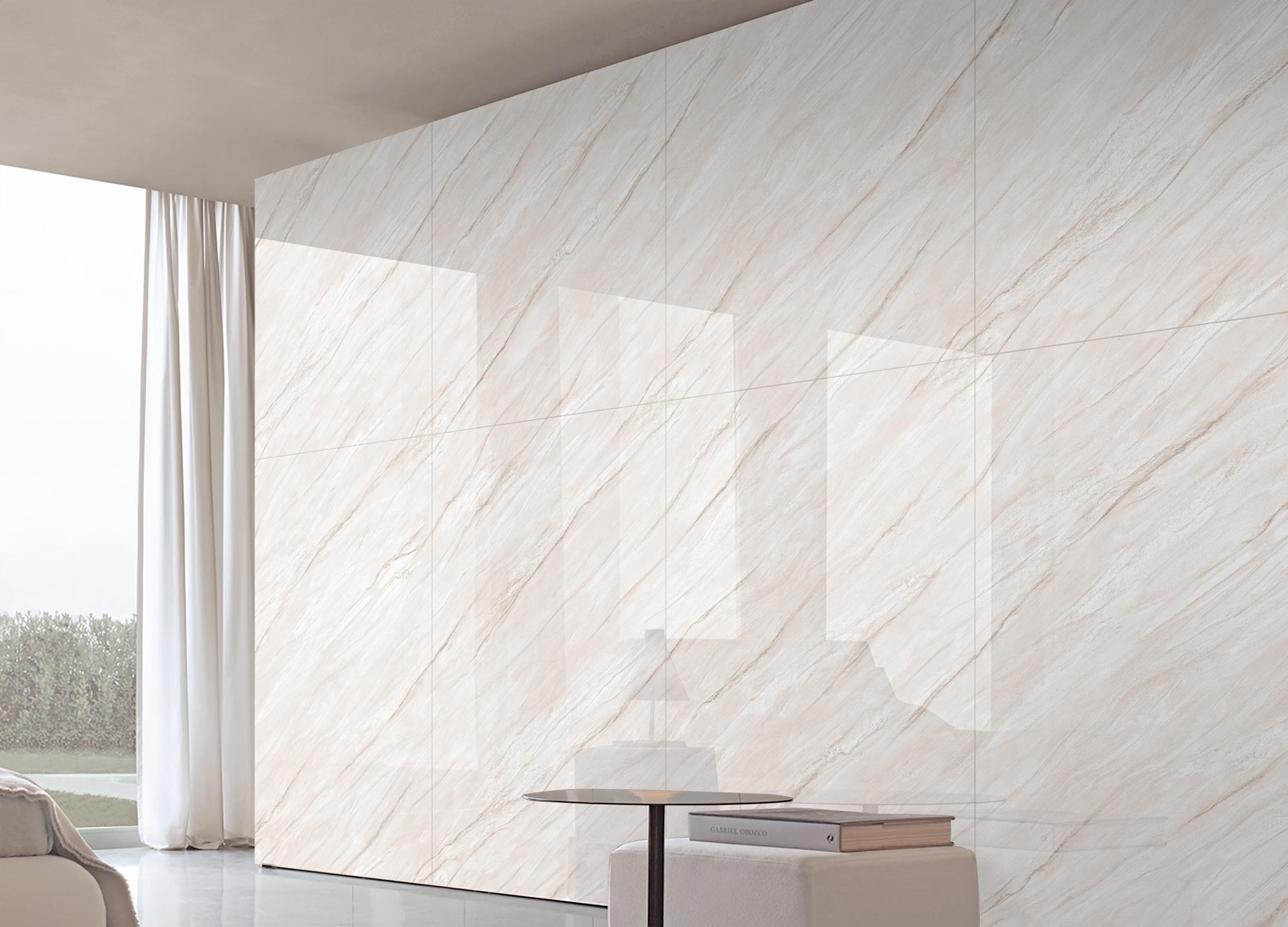
When comparing flooring costs, vitrified tiles are usually the most budget-friendly and easiest to maintain. Granite sits in the middle with strong durability for heavy-use areas. At the same time, marble is the most expensive option due to higher material costs, specialised labour, and ongoing polishing and sealing requirements.
Comparing Flooring Materials by Cost, Strength, and Maintenance
The cost of flooring depends on more than just the price per square foot. Durability, maintenance, appearance, and where the material can actually be used all affect the long-term value. While marble is often seen as the most luxurious option, vitrified tiles usually provide the best balance between cost, durability, and maintenance.
| Feature | Vitrified Tiles | Granite | Marble |
| Best For | All indoor areas, living rooms, wet zones | Kitchens, outdoor areas, high-traffic floors | Living rooms, bathrooms, and feature walls |
| Durability | Highly resistant to scratches and stains | Very High; strong and dense | Moderate; softer surface prone to scratching |
| Appearance | Can mimic marble, wood, or stone | Natural speckled texture | Smooth surface with flowing veins |
| Maintenance | Very low; no polishing or sealing needed | Low to moderate; occasional sealing required | High; needs regular sealing and polishing |
| Cost Range | ₹50 – ₹300+ / sq. ft. | ₹80 – ₹400+ / sq. ft. | ₹100 – ₹3000+ / sq. ft. depending on origin |
While marble offers the most premium appearance, vitrified tiles often provide better value overall. Granite remains a strong middle-ground option for homeowners who want durability without the ongoing maintenance of marble.
The Hidden Installation Costs: Labour, Adhesives, and Polishing
Buying the material is only one part of the budget. Installation can make a major difference to the final cost.
Vitrified Tiles
- Lightweight and factory-finished
- Installed using adhesive and grout
- No polishing required after installation
- Faster and easier to lay compared to stone
Granite
- Heavier than tiles and requires a stronger base support
- Needs special cutting tools and edge finishing
- Additional labour is required for polishing stair edges and counters
Marble
- Requires skilled labour during installation
- Needs multiple rounds of on-site polishing
- More fragile during transport and handling
- Final cost increases due to polishing and sealing work
Natural stone projects often look affordable at first, but installation costs can significantly increase the total budget.
Total Cost of Ownership: Maintenance over 10 Years
The real cost of flooring becomes clearer over time.
- Tiles: Vitrified tiles require the least maintenance. They do not need sealing, polishing, or expensive chemical treatments. Daily cleaning with water and a mop is usually enough.
- Granite: Granite is strong and scratch-resistant, but it still needs periodic sealing to prevent water or oil stains.
- Marble: Marble requires the most maintenance. Acidic liquids can damage the surface, and regular polishing is needed to maintain its shine.
Over 10 years, marble often becomes the most expensive flooring material due to ongoing maintenance expenses.
The Smart Value Play: Replacing Stone with Extra-Large Tile Formats
Many homeowners want the look of Italian marble but do not want the maintenance or price tag that comes with it. This is where engineered slab tiles become a smarter option.
The demand for Extra-large format tiles in India has increased because they create the same seamless appearance as natural stone while remaining easier to install and maintain.
Floor Applications
- In premium homes, 1200x2400 marble look tiles create a broad, uninterrupted surface that resembles natural marble slabs.
- For modern apartments, 800x1600 large floor tiles are often preferred because they reduce grout lines without becoming too difficult to install.
Larger tile sizes make floors look cleaner, more spacious, and more expensive than smaller formats with heavy grout grids.
Wall Applications: Why Slab Tiles Work Better Than Natural Stone
Using natural marble or granite on walls increases both cost and structural load. Large slab tiles create a similar visual effect while being lighter and easier to install.
- 4x8 slab tiles for wall applications are often used in double-height living rooms, reception areas, and TV unit backdrops.
- A 600x1200 wall tile design is one of the most common choices for bathrooms and kitchen walls because it creates a seamless look with fewer joints.
These wall tile sizes help create a cleaner and more premium finish without the weight and installation difficulty of real stone.
Conclusion: Where to Source the Right Material
Comparing prices is only one part of the process. The better decision comes from balancing cost, durability, appearance, and maintenance.
Platforms like TilesFinders make this process easier by acting as an Online Marketplace for Tile Buyers & Sellers, where homeowners, architects, dealers, and contractors can compare materials, sizes, finishes, and suppliers in one place.
FAQs
Traditionally, yes, because marble is often associated with luxury. However, premium large-format tiles are becoming more desirable because they provide a similar look with far lower maintenance.
In many cases, the base price is similar. However, granite is usually more affordable in the long run because it requires less polishing and maintenance.
Tiles can chip if a heavy object is dropped directly on the surface. However, marble is softer overall and more prone to scratches, cracks, and surface damage over time.

See our tile guides first
Set TilesFinders as a preferred source and our buying guides surface ahead of the rest for you.
Add as preferred sourceTakes one tap. Nothing to install.
What Readers Say
I was about to redo my parking area with the wrong tile size until I read this. The layout comparisons saved me from a costly mistake.
We reference TilesFinders guides while briefing clients on material selection. The size and pattern breakdowns are accurate and easy to explain visually.
On site, I get asked about grout spacing all the time. This article gave me a solid reference I now share with my team before every job.
Finally a guide that doesn't just push generic advice. The oil stain removal steps actually worked on our clubhouse driveway tiles.
I run a small construction firm and now send this link to clients directly when they ask about entrance tile sizing. Saves me an hour of explaining.
Good practical detail, though I wish there were more examples for compact apartment entrances specifically, not just villas.
My mother-in-law wanted marble, I wanted vitrified. This blog gave us the neutral comparison we needed to actually decide together.
Detailed without being overwhelming. I appreciated that it covered both cost and maintenance, not just the aesthetics.
Used the algae and hard water removal tips on our terrace tiles after the monsoon. Worked better than what our regular cleaner was doing.
As someone who sources tiles for multiple builder projects, I find these comparisons genuinely useful for vendor conversations, not just consumer content.
Recommended this to a client who kept second-guessing the entrance design. The small vs large layout section settled the debate instantly.
Straightforward and honest, no unnecessary jargon. Would like to see a similar breakdown for outdoor pool-deck tiles next.
We've bookmarked several TilesFinders guides for our design handbook. Reliable source when clients want data, not just opinions.
Two paths, one marketplace.
Get free quotes from verified suppliers.
Share your room, budget, and style. Suppliers in Morbi respond within hours.
Get Free QuotesList your business, reach real buyers.
Put your showroom in front of homeowners searching for tiles right now.
List Your Business