Nano Tiles in India: The Ultra-Dense Polish Technology Explained for Buyers
Nano tiles in India use nano-particle surface treatment to improve polished-surface stain resistance, making them a premium option for high-traffic and spill-prone spaces.
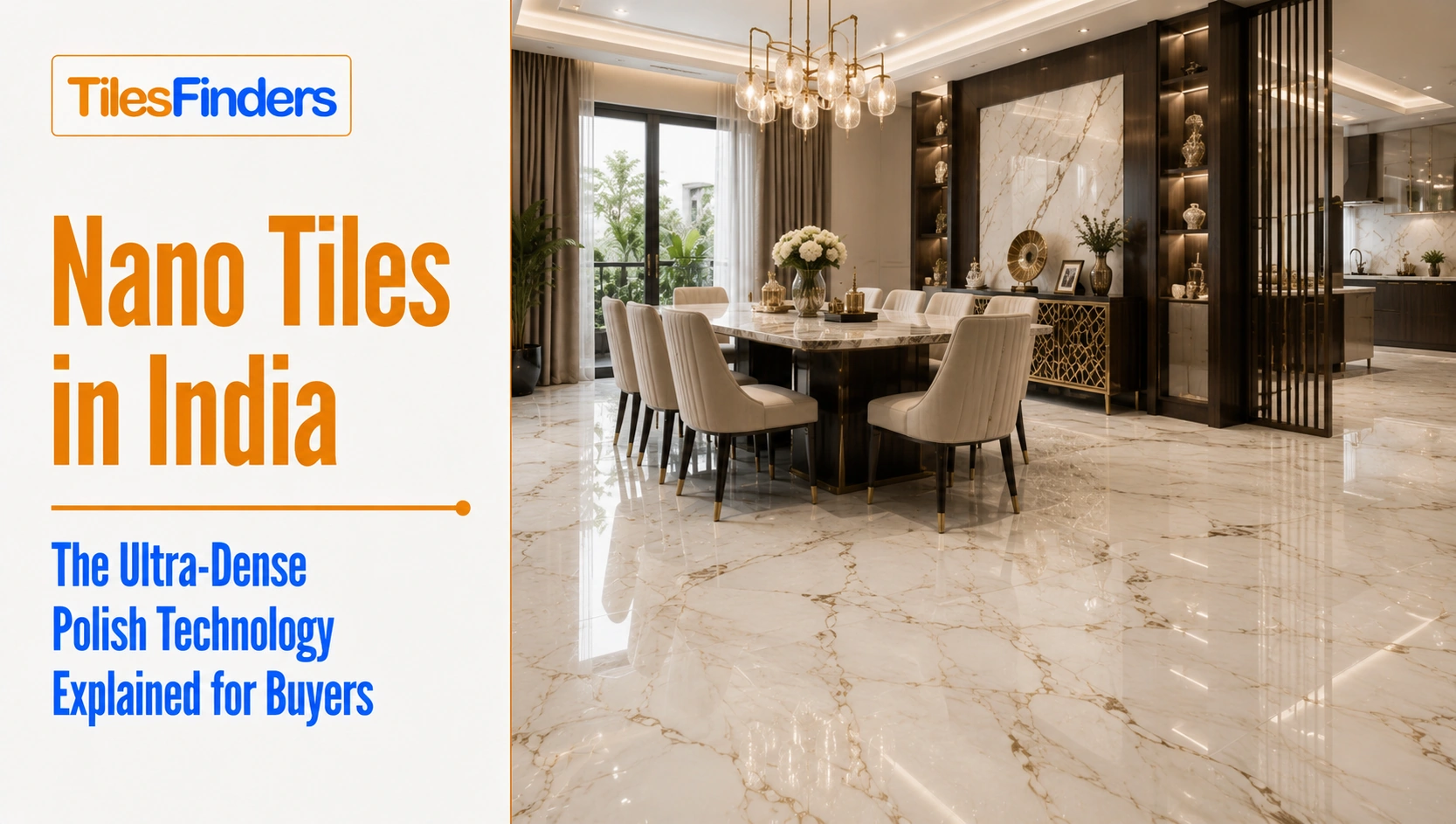
Nano tiles add a nano-particle coating after polishing to improve stain and marginal scratch resistance compared with standard polished GVT tiles. They make the most sense for high-traffic, spill-prone spaces, but the coating does not improve wet-floor safety.
Nano tiles apply a nano-particle surface treatment during or immediately after mechanical polishing, addressing a specific vulnerability standard polished tiles carry that most buyers never hear explained: the polishing process itself opens micro-pores at the surface, making a polished tile more stain-prone at that surface than its own bulk water absorption figure would suggest. This guide explains what nano technology actually does and whether it is worth the premium over standard polished GVT tiles.
The problem nano technology actually solves: A standard tile's 0.05% water absorption rating describes the bulk body of the tile, but mechanical polishing removes a thin surface layer and can open microscopic pores that were previously sealed by the tile's fired glaze or surface skin. This means a freshly polished GVT tile, despite its excellent bulk specification, can be more vulnerable to surface staining right at that polished layer than an unpolished matte tile of the same base material. Nano technology fills these open micro-pores with a nano-particle coating during the finishing process, restoring stain resistance at the polished surface closer to the unpolished tile's original performance.
From The Marketplace
Popular tiles right now

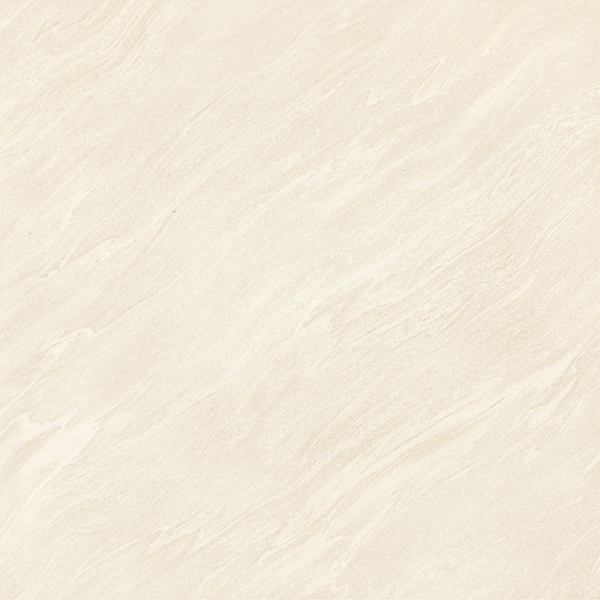

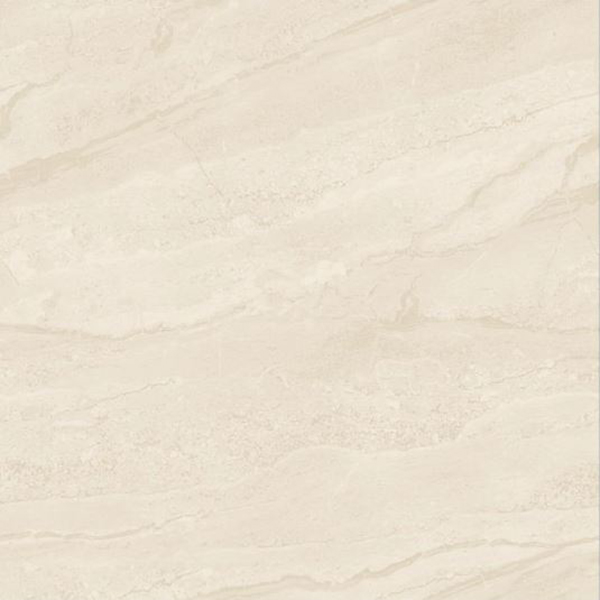
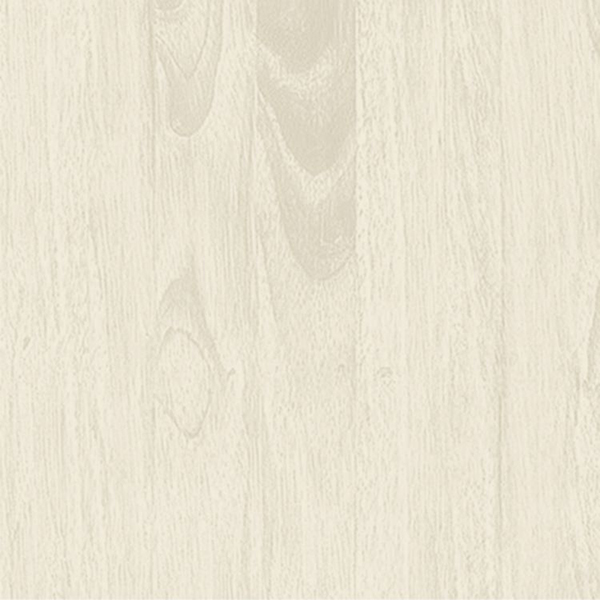

Nano Tiles vs Standard Polished Tiles
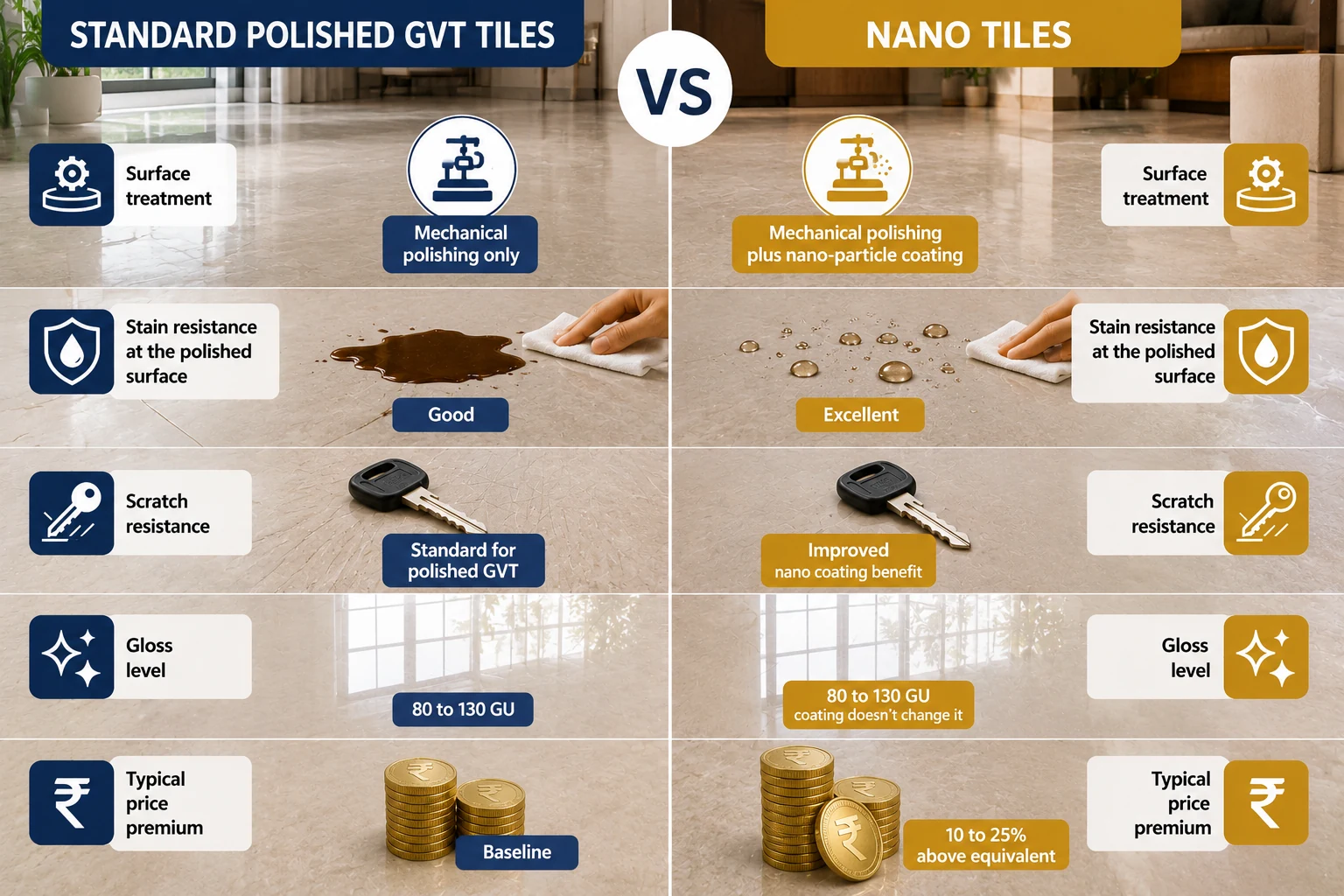
| Property | Standard Polished GVT Tiles | Nano Tiles |
| Surface treatment | Mechanical polishing only | Mechanical polishing plus nano-particle coating |
| Stain resistance at the polished surface | Good, though marginally reduced from the unpolished base material | Excellent, restored close to unpolished-tile performance |
| Scratch resistance | Standard for polished GVT | Improved, the nano coating adds a marginal hardness benefit |
| Gloss level | 80 to 130 GU depending on product | Comparable GU range; the coating does not significantly change reflectivity |
| Typical price premium | Baseline | 10 to 25% above equivalent standard polished GVT tiles |
Where Nano Tiles Genuinely Earn the Premium
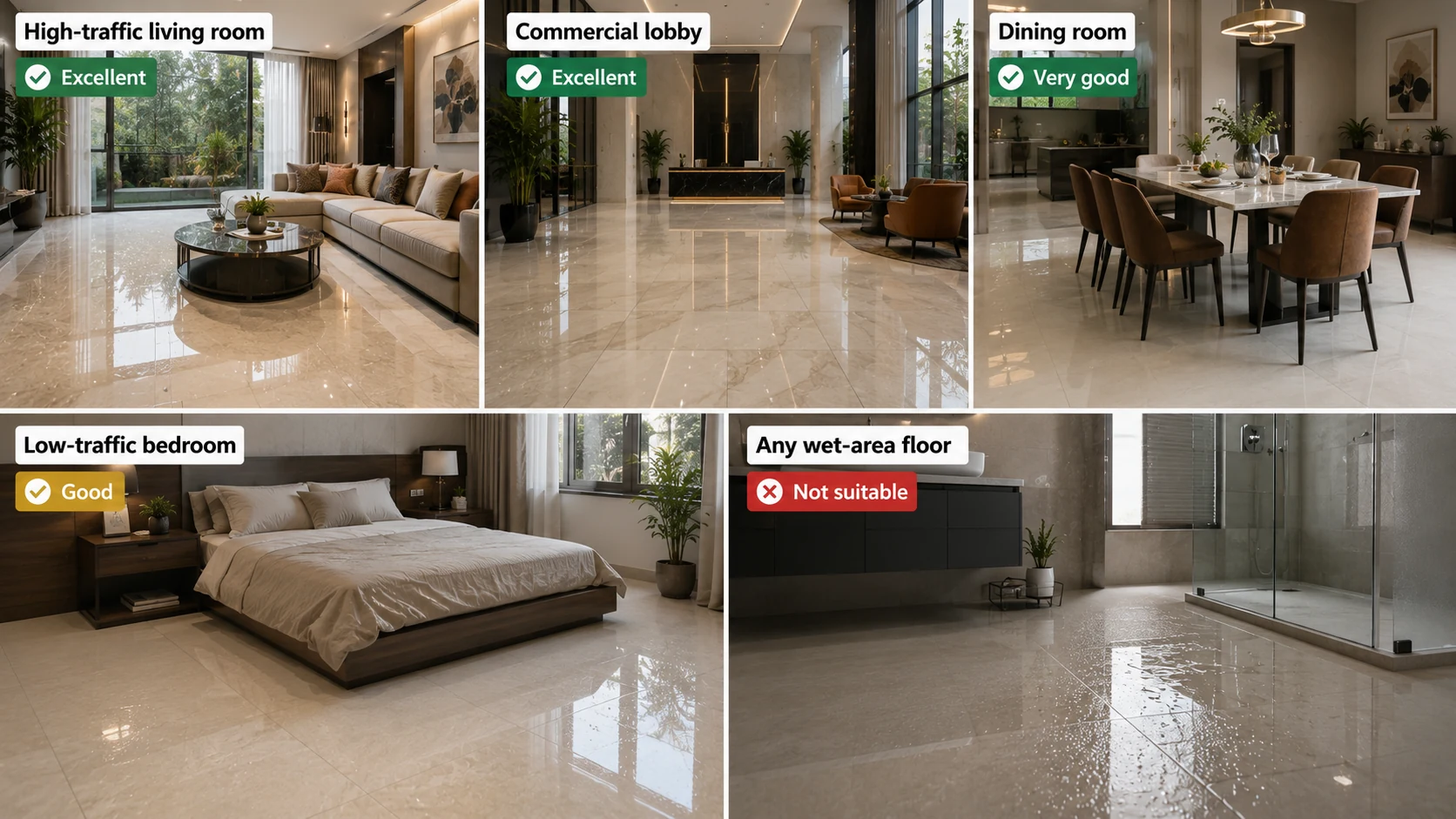
| Application | Suitability | Why |
| High-traffic formal living room floor tiles | Excellent | The improved stain and scratch resistance pays off most clearly where a polished floor sees genuine daily wear |
| Commercial lobby floor tiles | Excellent | Heavy foot traffic and frequent spills make the nano coating's stain resistance a genuine operational advantage |
| Dining room floor tiles | Very good | Food and drink spill risk is exactly the scenario nano technology is designed to resist |
| Low-traffic bedroom floor tiles | Good, though the premium may not be justified | Lower spill and wear exposure means standard polished tiles may perform adequately at lower cost |
| Any wet-area floor tiles | Not suitable regardless of nano coating | Nano technology addresses staining, not slip safety; the wet coefficient of friction remains the same as standard polished GVT |
Buying Checklist
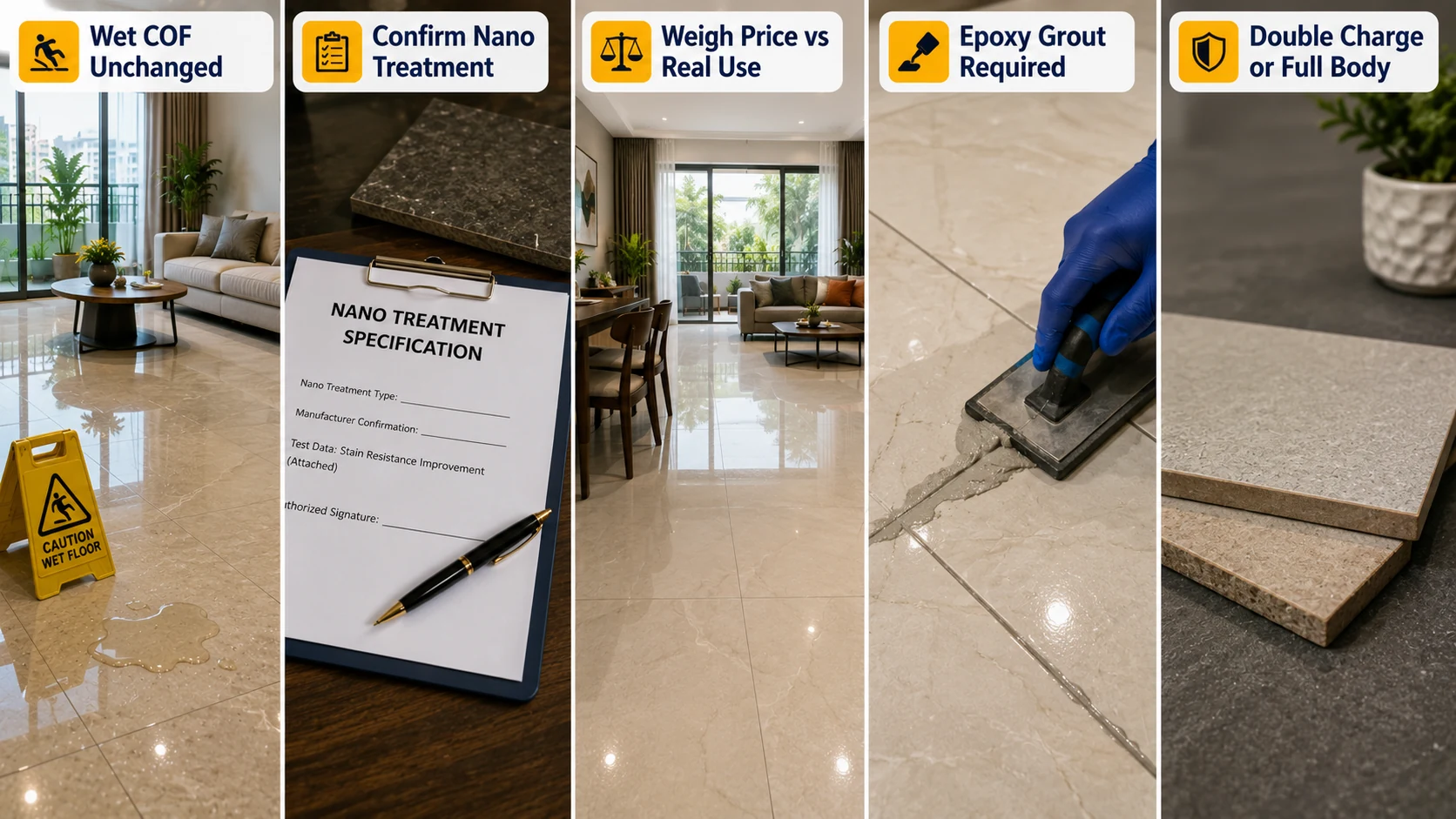
- Never assume nano technology improves wet-floor safety. It addresses staining and scratch resistance only; wet COF remains the same as standard polished GVT tiles, so the same anti-skid caution applies.
- Confirm the specific nano treatment in writing, since the term is used somewhat variably across Indian manufacturers, and request test data showing the actual stain resistance improvement.
- Weigh the 10 to 25% price premium against realistic traffic and spill exposure for the specific room, since the benefit is most pronounced in high-traffic or high-spill-risk applications.
- Confirm epoxy grout for any nano tile floor, the same requirement as any polished floor regardless of the nano coating.
- Confirm double charge or full body construction for the best long-term wear consistency, since nano coating improves the surface but does not change the tile's underlying colour-through-thickness construction.
Nano Tiles in India: 2026 Manufacturing Context
Nano tiles are produced by a specialist subset of Morbi, Gujarat manufacturers who have adopted nano-particle finishing technology as a premium tier above standard polished GVT tiles. Since the specific nano treatment and its performance improvement can vary between manufacturers, buyers comparing nano tile products from different suppliers should request independent stain-resistance test data rather than assuming consistency across brands based on the term alone.
Explore Nano Tiles on TilesFinders
Nano tile options across standard, double charge, and full body construction can be compared against standard polished GVT tiles on TilesFinders, with stain-resistance documentation available before you order at scale.
FAQs
Nano tiles apply a nano-particle surface coating during or immediately after mechanical polishing, filling the micro-pores that polishing can open at the surface, which improves stain resistance and adds a marginal scratch resistance benefit compared to standard polished GVT tiles.
No. Nano technology addresses staining and scratch resistance only. The wet coefficient of friction remains the same as standard polished GVT, so nano tiles carry the same wet-floor safety caution and should not be specified for any bathroom, kitchen, or outdoor floor.
Depends on the application. For a high-traffic formal living room, commercial lobby, or dining room floor with genuine spill risk, the 10 to 25% premium is generally justified. For a lower-traffic bedroom, standard polished GVT tiles may perform adequately at lower cost.
Mechanical polishing removes a thin surface layer and can open microscopic pores that were previously sealed by the tile's fired surface skin, meaning a freshly polished tile can be more vulnerable to surface staining at that polished layer than its own bulk water absorption figure would suggest.
Not significantly. Nano tiles fall within a comparable GU range to standard polished GVT tiles, roughly 80 to 130 GU, since the coating addresses porosity rather than surface reflectivity.
Similar to standard polished GVT tiles, professional re-polishing is generally possible, though buyers should confirm with the specific manufacturer whether re-polishing removes or preserves the nano coating layer.
Epoxy grout, the same requirement as any polished floor regardless of the nano coating, since standard cement grout develops visible staining in the joint over time on any polished surface.
Request independent stain-resistance test data for the specific product rather than assuming consistency across brands, since the term nano tile is used somewhat variably across Indian manufacturers and the actual performance improvement can differ.


See our tile guides first
Set TilesFinders as a preferred source and our buying guides surface ahead of the rest for you.
Add as preferred sourceTakes one tap. Nothing to install.
What Readers Say
I was about to redo my parking area with the wrong tile size until I read this. The layout comparisons saved me from a costly mistake.
We reference TilesFinders guides while briefing clients on material selection. The size and pattern breakdowns are accurate and easy to explain visually.
On site, I get asked about grout spacing all the time. This article gave me a solid reference I now share with my team before every job.
Finally a guide that doesn't just push generic advice. The oil stain removal steps actually worked on our clubhouse driveway tiles.
I run a small construction firm and now send this link to clients directly when they ask about entrance tile sizing. Saves me an hour of explaining.
Good practical detail, though I wish there were more examples for compact apartment entrances specifically, not just villas.
My mother-in-law wanted marble, I wanted vitrified. This blog gave us the neutral comparison we needed to actually decide together.
Detailed without being overwhelming. I appreciated that it covered both cost and maintenance, not just the aesthetics.
Used the algae and hard water removal tips on our terrace tiles after the monsoon. Worked better than what our regular cleaner was doing.
As someone who sources tiles for multiple builder projects, I find these comparisons genuinely useful for vendor conversations, not just consumer content.
Recommended this to a client who kept second-guessing the entrance design. The small vs large layout section settled the debate instantly.
Straightforward and honest, no unnecessary jargon. Would like to see a similar breakdown for outdoor pool-deck tiles next.
We've bookmarked several TilesFinders guides for our design handbook. Reliable source when clients want data, not just opinions.
Two paths, one marketplace.
Get free quotes from verified suppliers.
Share your room, budget, and style. Suppliers in Morbi respond within hours.
Get Free QuotesList your business, reach real buyers.
Put your showroom in front of homeowners searching for tiles right now.
List Your Business