8x48 (200x1200 mm) vs 8x40 (200x1000 mm) vs 12x48 (300x1200 mm): Which Narrow Plank Tile Fits Indian Room Layouts Best
Compare 200x1200, 200x1000 and 300x1200 tiles by plank authenticity, room fit and design flexibility to select the right elongated format for Indian interiors.
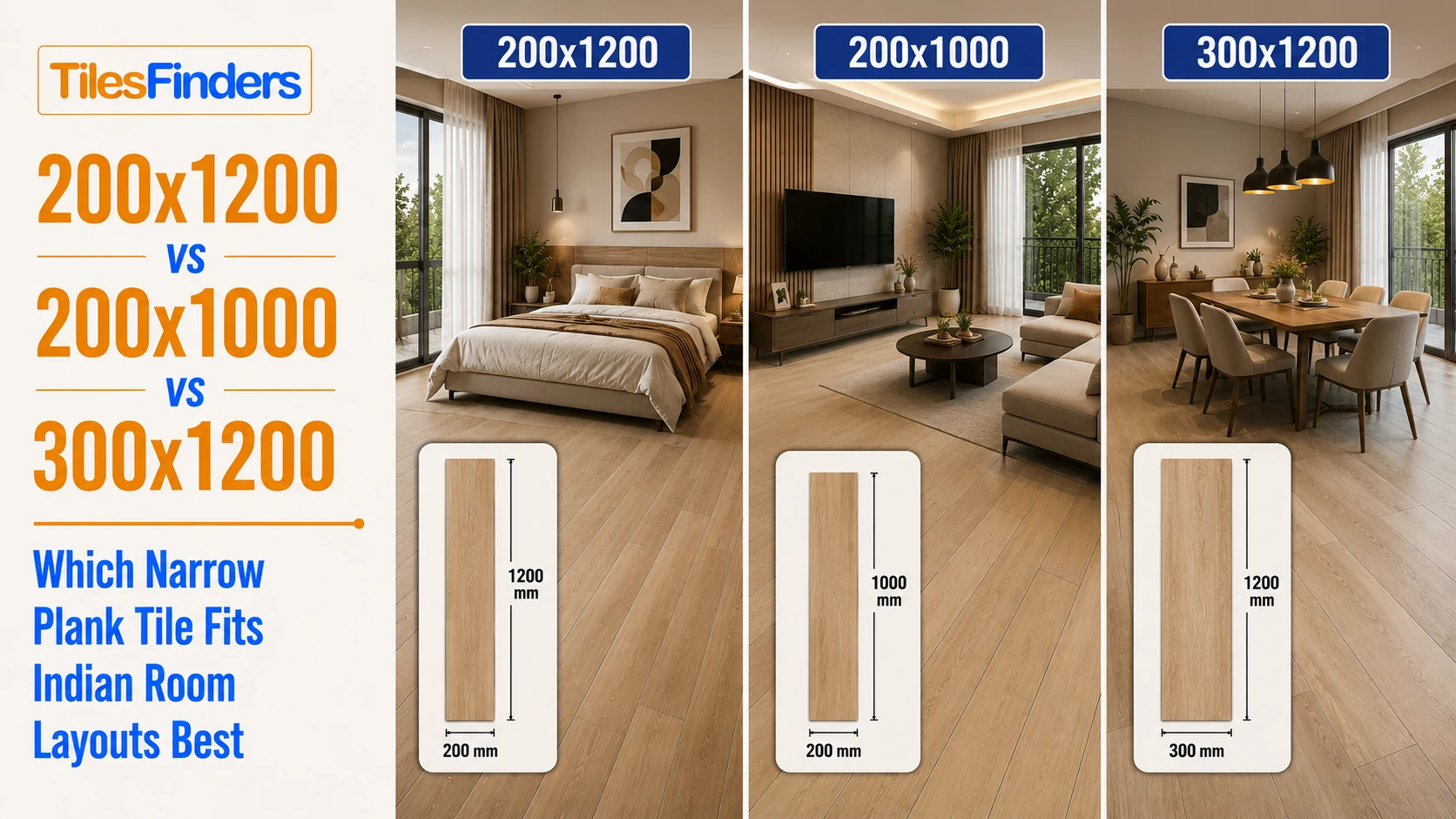
8x40 is the versatile choice for standard rooms; 8x48 delivers maximum timber-plank authenticity for large spaces, while 12x48 offers broader design flexibility with its wider proportion. Choose the width based on the design intent first, then match the plank length to the room's dimensions to minimise awkward cuts and waste.
These three formats share a common length dimension approach but differ in a way that changes their character considerably: 200x1200 (8x48 inch) tiles and another format keep the narrow 200mm width that defines genuine plank proportion, while the third widens to 300mm, shifting the format from timber-plank territory toward a more general elongated rectangle. This guide compares all three directly against real Indian room layouts.
From The Marketplace
Popular tiles right now

-c55fd3da-e642-4ba4-bb70-b4fa4fdbccd9.jpg)
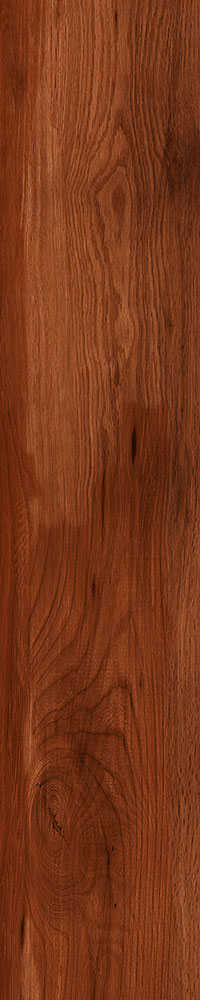
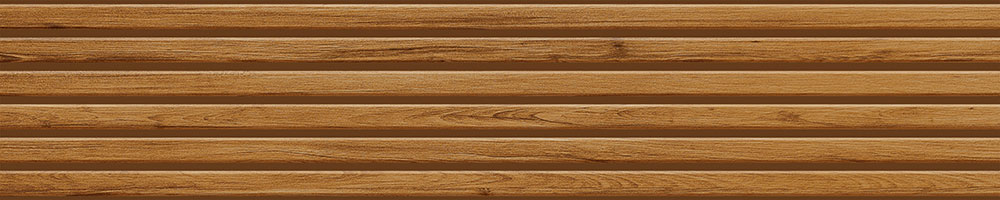
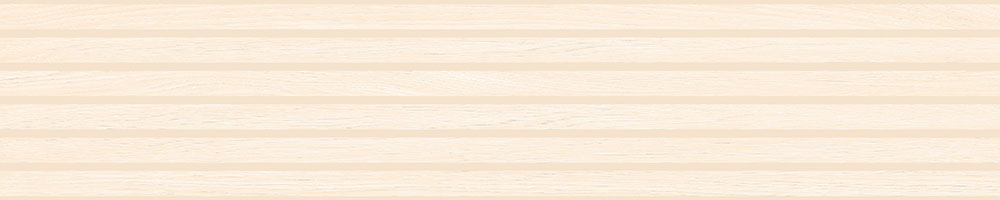
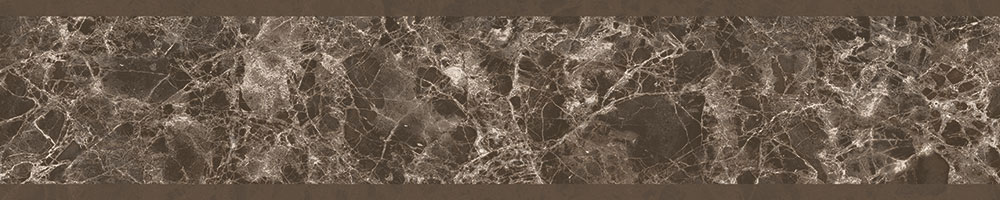
The Three Formats Compared
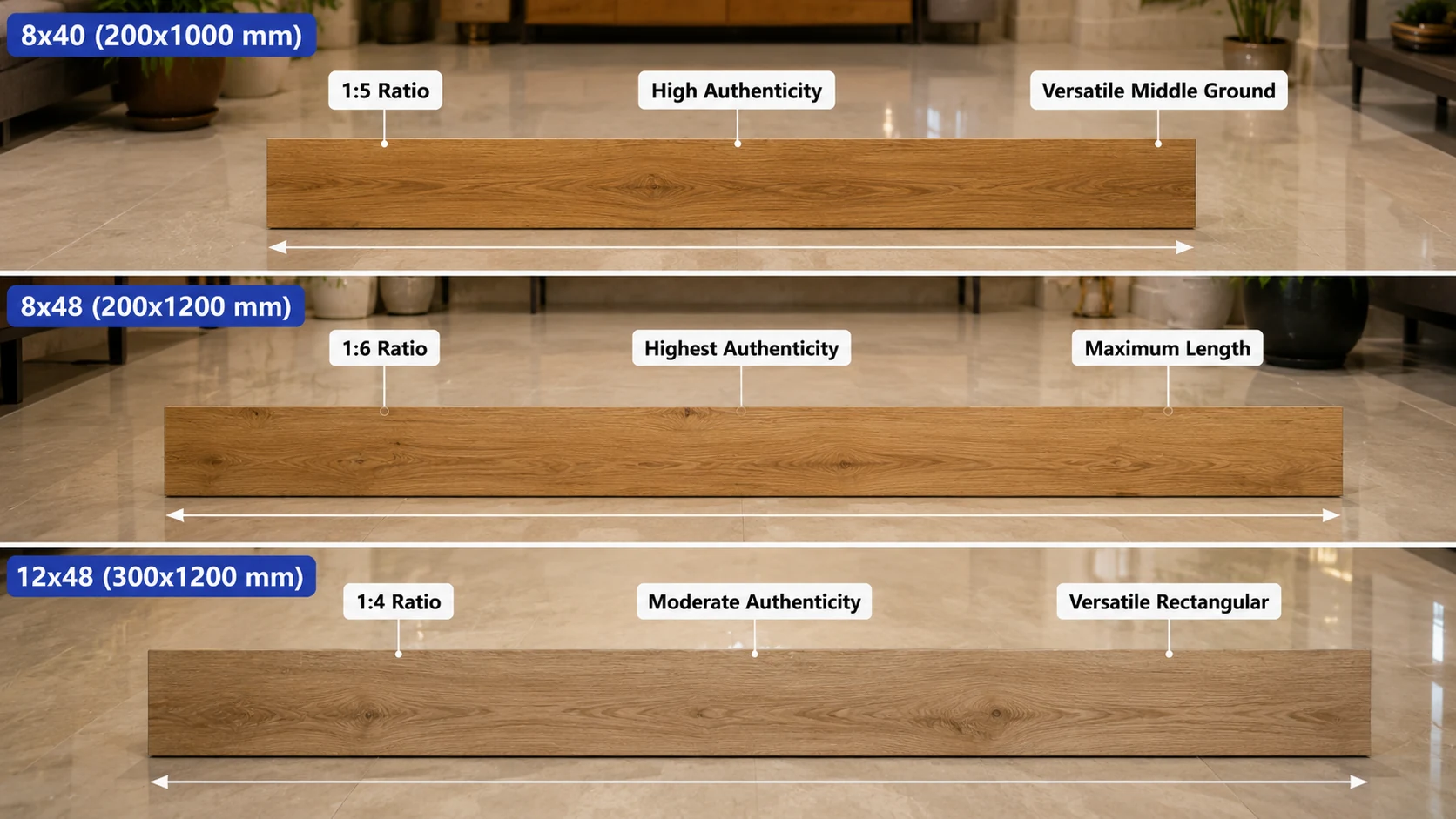
| Format | Width to Length Ratio | Timber Plank Authenticity | Best Character |
| 8x40 (200x1000 mm) | 1:5 | High, closely matches genuine hardwood plank proportion | The versatile middle ground for most room sizes |
| 8x48 (200x1200 mm) | 1:6 | Highest, the most elongated narrow-width plank available | Maximum directional length for genuinely large rooms and hallways |
| 12x48 (300x1200 mm) | 1:4 | Moderate, wider proportion reads as a general elongated tile rather than specifically timber-plank | A more versatile rectangular format suited to both wood-look and non-wood-look designs |
Among these formats, 200x1200 long-plank tiles offer the strongest timber-plank proportion and directional length. For a deeper look at where this premium format works best, the guide covers room suitability, layout orientation, cut waste, face variation, and specification requirements.
Room-by-Room Winner
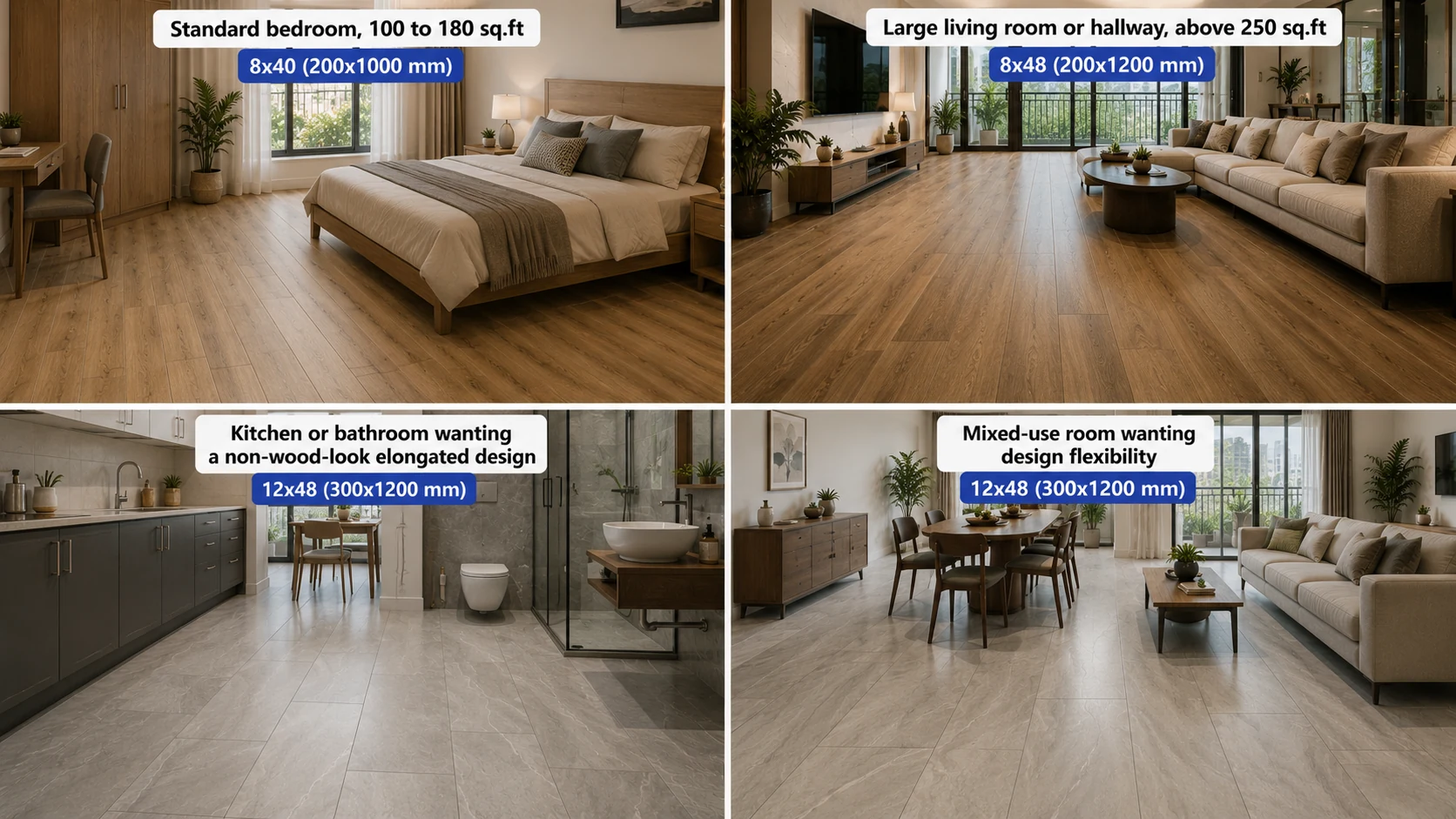
| Room Type | Best Format | Why |
| Standard bedroom, 100 to 180 sq.ft | 8x40 (200x1000 mm) | The practical middle ground, delivering strong timber authenticity without 8x48's greater cut-waste risk at this room size |
| Large living room or hallway, above 250 sq.ft | 8x48 (200x1200 mm) | Maximum directional length reads as proportionate and continues to look authentically timber-like at genuine scale |
| Kitchen or bathroom wanting a non-wood-look elongated design | 12x48 (300x1200 mm) | The wider proportion suits stone-look, concrete-look, and other non-timber prints more naturally than the narrower plank formats |
| Mixed-use room wanting design flexibility | 12x48 (300x1200 mm) | Its more general rectangular proportion works across a broader range of print designs than the narrower, more specifically timber-coded formats |
When Width Matters More Than Length
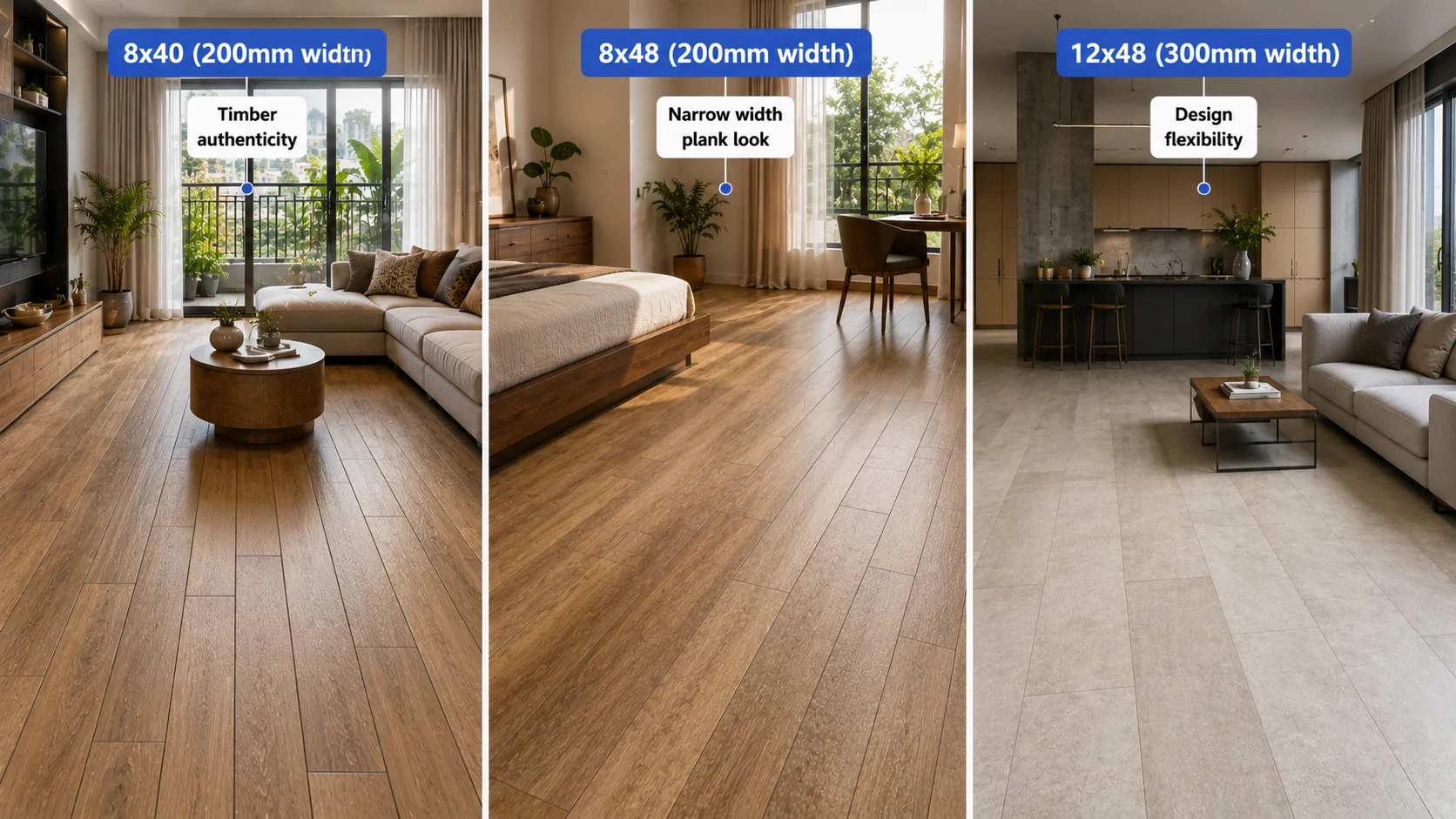
The genuine trade-off between these three formats: 200x1000 (8x40 inch) tile and 8x48 both commit to the narrow 200mm width because that width is what makes a plank format read as genuine timber rather than a stretched square tile. 12x48 sacrifices some of that timber-specific authenticity by widening to 300mm, but gains genuine design flexibility, since a 300mm width suits stone-look, concrete-look, and abstract prints more naturally than a narrow plank width does. Choose based on whether the room's brief specifically wants maximum timber authenticity or general elongated design flexibility.
If 200x1200 tiles are the preferred choice, the next step is selecting a design that suits the room's scale and function. Explore 200x1200 tile design ideas spanning wood-look, stone-look, textured, two-tone, kitchen, bedroom, and hallway applications.
Buying Checklist
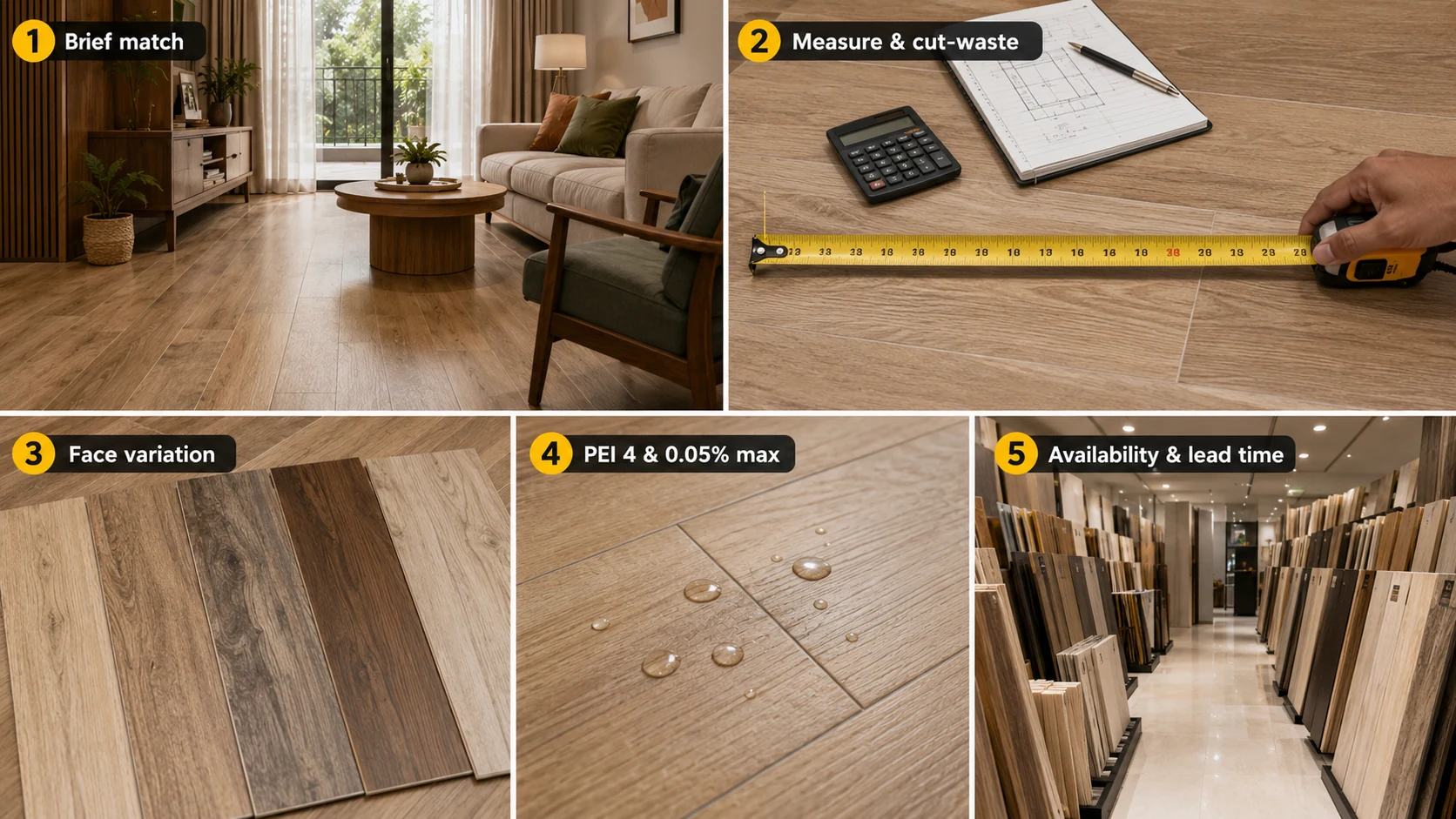
- Decide whether the room's brief specifically wants timber authenticity or general design flexibility before choosing between the narrow and wider format options.
- Measure your room's dominant dimension and apply the cut-waste calculation for whichever format is under consideration.
- Confirm face variation count, higher for the longer 8x48 format given its greater visibility of repeating patterns.
- Confirm PEI 4 and water absorption at 0.05% or below across all three formats.
- Confirm production availability and lead time, particularly for 8x48 given its narrower manufacturing base among the three.
Plank and Elongated Format GVT in India: 2026 Context
8x40 has the widest general availability of the three given its versatile mid-length proportion, while 8x48 remains the most specialist given its production complexity at maximum plank length. 12x48 sits in a different manufacturing category entirely, produced more broadly given its use across both wood-look and non-wood-look design ranges, making it generally easier to source than the narrower plank-specific formats.
Compare All Three Formats on TilesFinders
8x40, 8x48, and 12x48 GVT can be compared by room fit, design range, and price on TilesFinders, with guidance to help you choose between timber-specific plank authenticity and general elongated design flexibility.

FAQs
8x48 (200x1200 mm) retains the narrow 200mm width that defines genuine timber-plank proportion, while 12x48 (300x1200 mm) widens to 300mm, shifting toward a more general elongated rectangular format suited to a broader range of print designs beyond wood-look specifically.
8x40 (200x1000 mm), the practical middle ground that delivers strong timber authenticity without the greater cut-waste risk, 8x48's additional length carries at this moderate room size.
It works, but 8x40 or 8x48 deliver stronger timber authenticity given their narrower, more genuinely plank-proportioned width. 12x48 is a better choice when the brief wants an elongated format for a non-wood-look design specifically.
8x48, given its maximum directional length among the three, which visually elongates a hallway more effectively than either 8x40 or the wider 12x48.
Yes, and this is one of its stronger applications, since the wider 300mm proportion suits stone-look, concrete-look, and other non-timber prints more naturally than the narrower plank-width formats.
Generally comparable at similar design tiers, though 8x48 typically carries a modest premium over 8x40 given its greater length and production complexity, while 12x48 pricing varies more by design range given its broader application across print types.
8x40 for plank-specific wood-look applications, and 12x48 more broadly across both wood-look and non-wood-look design ranges given its production by a wider manufacturer base.
Decide width first, based on whether the room specifically wants timber-plank authenticity (choose 200mm width, either 8x40 or 8x48) or general design flexibility (choose 300mm width, 12x48), then select length based on the room's actual dimensions.


See our tile guides first
Set TilesFinders as a preferred source and our buying guides surface ahead of the rest for you.
Add as preferred sourceTakes one tap. Nothing to install.
What Readers Say
I was about to redo my parking area with the wrong tile size until I read this. The layout comparisons saved me from a costly mistake.
We reference TilesFinders guides while briefing clients on material selection. The size and pattern breakdowns are accurate and easy to explain visually.
On site, I get asked about grout spacing all the time. This article gave me a solid reference I now share with my team before every job.
Finally a guide that doesn't just push generic advice. The oil stain removal steps actually worked on our clubhouse driveway tiles.
I run a small construction firm and now send this link to clients directly when they ask about entrance tile sizing. Saves me an hour of explaining.
Good practical detail, though I wish there were more examples for compact apartment entrances specifically, not just villas.
My mother-in-law wanted marble, I wanted vitrified. This blog gave us the neutral comparison we needed to actually decide together.
Detailed without being overwhelming. I appreciated that it covered both cost and maintenance, not just the aesthetics.
Used the algae and hard water removal tips on our terrace tiles after the monsoon. Worked better than what our regular cleaner was doing.
As someone who sources tiles for multiple builder projects, I find these comparisons genuinely useful for vendor conversations, not just consumer content.
Recommended this to a client who kept second-guessing the entrance design. The small vs large layout section settled the debate instantly.
Straightforward and honest, no unnecessary jargon. Would like to see a similar breakdown for outdoor pool-deck tiles next.
We've bookmarked several TilesFinders guides for our design handbook. Reliable source when clients want data, not just opinions.
Two paths, one marketplace.
Get free quotes from verified suppliers.
Share your room, budget, and style. Suppliers in Morbi respond within hours.
Get Free QuotesList your business, reach real buyers.
Put your showroom in front of homeowners searching for tiles right now.
List Your Business