

Reality Between Vitrified and Porcelain Tiles in Greater Noida: Understanding the Market Difference
Loading designs...
-
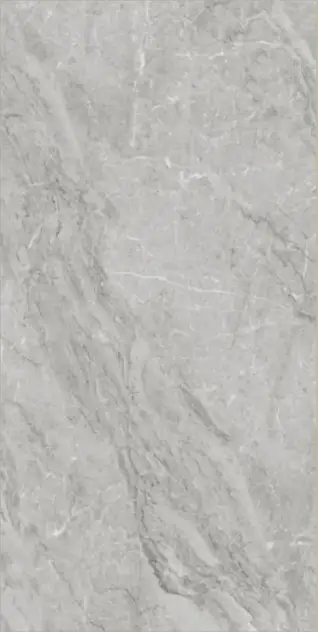 Eracco Grey
 -
 Gress Velvet Tortora
 -
Gress Velvet Tortora LT
-
Eracco White
-
Leon Beige
-
Landmark Lemon
-
Lumina White
-
CWP 5011
-
Galaxy Crema
-
Lupit Grey
-
Lendmark Beige
-
Galaxy Grey
-
Greek Crema
-
Damas Bianco
-
Lendmark Brown
-
Marfil Fab Light
-
Greek Grey
-
Lendmark Crema
-
Italia Beige
-
Asterix Statuario













In Greater Noida, the terms 'porcelain' and 'vitrified' tiles are frequently used interchangeably, often causing confusion among homeowners and builders. While globally, porcelain is the dominant terminology, India's manufacturing hub, Morbi, has developed distinct categories based on marketing and performance. Understanding this market difference is crucial for making informed decisions, whether you're tiling a high-rise apartment in Noida Extension or a commercial complex in Alpha 1, ensuring you select the right material for Greater Noida's diverse architectural demands and climatic conditions.
Global Terminology vs Indian Market Terminology
How the World Defines Porcelain
Internationally, the tile industry primarily uses the term 'porcelain tile,' with 'vitrified' rarely used in global markets. Tiles are classified based on rigorous technical performance standards, particularly their water absorption rates. Globally, porcelain tiles must exhibit water absorption below 0.5%, with density, firing temperature, and compact structure being key defining factors. Vitrification is understood as an integral part of the manufacturing process that achieves these properties, not a separate retail category. Essentially, worldwide standards recognize low-absorption tiles as porcelain, without a distinct marketing category called vitrified, which simplifies selection for international buyers.
How India (Especially Morbi) Uses These Terms
In India, particularly from Morbi, Gujarat—the manufacturing hub producing approximately 95% of the nation's tiles—terminology has evolved differently. Both 'porcelain' and 'vitrified' are used, depending on product positioning and performance. In the Indian market, porcelain tiles often have a water absorption rate between 2%–5%, making them moderately dense. Vitrified tiles, however, boast a significantly lower water absorption rate, typically between 0.5%–0.05%, indicating higher density and superior performance. Dealers in Greater Noida often use 'vitrified' to denote a premium product with enhanced durability, suitable for the city’s high-traffic commercial spaces. Manufacturers may label products differently for domestic and export markets, which further contributes to the terminology confusion for buyers in Greater Noida.
Water Absorption: The Real Technical Benchmark
The water absorption percentage is the most critical technical parameter for distinguishing tile performance and durability in Greater Noida's varied climate. Porcelain (in the common Indian market context) typically has a water absorption rate of 2%–5%, making it moderately dense and suitable for indoor residential spaces. These tiles are often available in matte finishes and represent a cost-effective option for bedrooms, light-use living rooms, and kitchens in Greater Noida homes. Their performance is generally adequate for moderate residential traffic. However, vitrified tiles boast a significantly lower water absorption of 0.5%–0.05%, indicating an extremely dense and compact structure.
This low absorption makes vitrified tiles highly resistant to stains and moisture, available in a wide array of finishes like polished glossy, matte, and high gloss. They are notably stronger under heavy loads and better suited for commercial use, making them a preferred choice for high-traffic areas in Greater Noida's commercial complexes. The principle is simple: lower absorption equates to higher density, which translates to better strength and a longer lifespan. For buyers in Greater Noida, focusing on water absorption specifications rather than just the label provides real clarity, ensuring they choose tiles that can withstand the local environmental conditions and usage demands. For outdoor applications, a Parking tiles with low water absorption is crucial.
Size-Based Market Reality in Greater Noida
Tile size often correlates with whether a product is classified as porcelain or vitrified in the Greater Noida market. Smaller formats, like 400x400 mm and 500x500 mm tiles, are predominantly produced as porcelain, with water absorption typically ranging from 2–5%. These are considered a budget-friendly category, suitable for bedrooms and rental properties, with limited vitrified production in these sizes due to pricing sensitivity and demand patterns in Greater Noida. The 600x600 mm size, however, is the most popular in Greater Noida homes and is available in both porcelain and vitrified variants. Matte surfaces are commonly porcelain, while polished glossy and double-charged options are often vitrified, creating the highest confusion in the market for this size.
Larger formats, such as 600x1200 mm and even bigger slabs, are a premium segment in Greater Noida. Polished glossy, high glossy, and full-colour body tiles in these sizes are typically vitrified, offering lower water absorption. For matte and carving matte surfaces, both vitrified and porcelain options are available. These larger tiles are extensively used in living rooms, commercial spaces, and showrooms, especially in luxury developments like those along the Yamuna Expressway. Large formats demand higher structural integrity, which aligns with vitrified production standards, making them a preferred choice for sophisticated tile design ideas. Consider using 2*4 tiles design for expansive living areas.
Performance, Strength & Practical Usage in Greater Noida
Residential Usage
For standard homes in Greater Noida, tile selection varies by area. Porcelain tiles are generally sufficient for bedrooms, offering a cost-effective yet aesthetically pleasing solution. For kitchens, either porcelain or vitrified tiles can be used, depending on the anticipated usage and desired durability. Living rooms benefit from the enhanced strength and stain resistance of vitrified tiles, especially in high-traffic family areas. Bathroom floors require low-absorption tiles to prevent moisture damage, while outdoor areas like balconies and patios demand vitrified options that can withstand Greater Noida’s diverse weather conditions. This nuanced approach ensures optimal performance and longevity for residential properties.
Commercial & Heavy Traffic Usage
For commercial spaces in Greater Noida, such as shops in Alpha 1, offices in Sector 132, clinics, and parking areas, vitrified tiles are strongly recommended. Their superior load-bearing capacity, higher scratch resistance, and improved long-term durability make them ideal for heavy footfall and constant activity. Commercial environments benefit significantly from the lower water absorption of vitrified tiles, which translates to better resistance against spills and stains, ensuring a professional and clean appearance for years. This makes vitrified tiles a wise investment for businesses across Greater Noida. For accentuating certain areas, golden tiles can also be found in durable vitrified options.
Cost Consideration
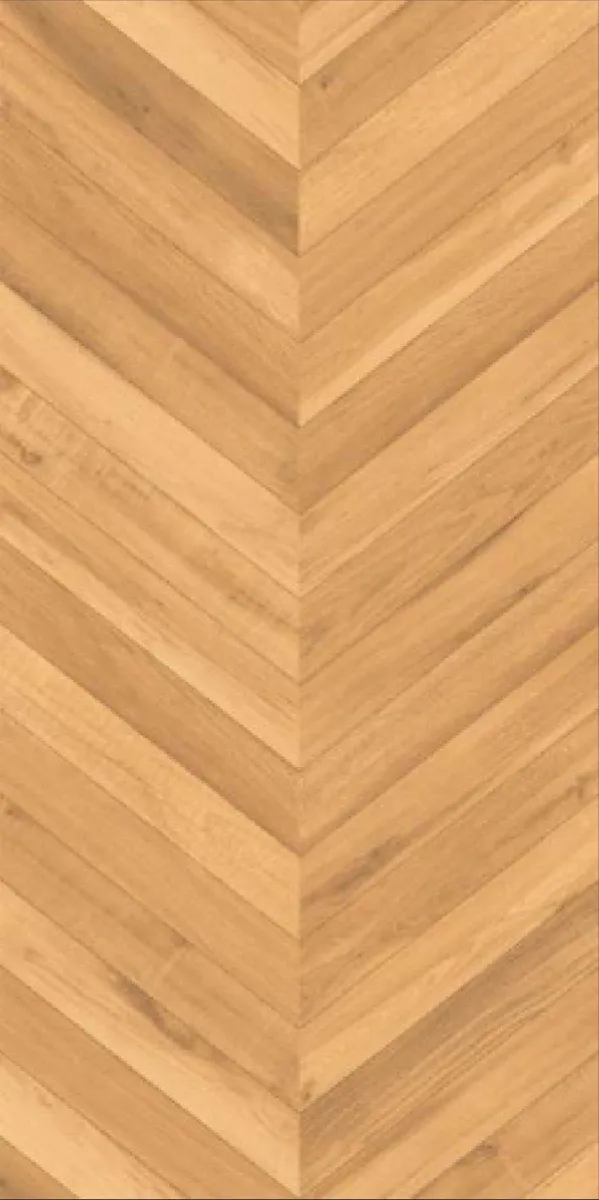
In Greater Noida, porcelain tiles are generally more budget-friendly, making them a popular choice for rental properties and projects with strict financial constraints. Vitrified tiles, while costing slightly more due to their higher firing temperature and increased density, often justify the investment through their superior long-term durability in high-use areas. For budget housing projects in Greater Noida, porcelain remains a go-to option due to its affordability and decent performance. However, for properties where longevity and minimal maintenance are priorities, the slightly higher initial cost of vitrified tiles proves to be a more economical choice over time. Many developers also incorporate Wooden tiles which come in both vitrified and porcelain varieties with different price points.
Why Terminology Confusion Continues
Manufacturer-Level Differences
Morbi manufacturers significantly contribute to the terminology confusion in Greater Noida's tile market. While they use 'porcelain' terminology widely for their products, they often label items differently for export markets compared to domestic sales. For the Indian market, 'vitrified' is strategically used to position products as premium, signifying higher performance. This dual labeling system, driven by market segmentation, means that similar tiles might carry different classifications depending on their intended destination, complicating the purchasing process for local buyers in Greater Noida and beyond.
Dealer-Level Marketing
Tile dealers in Greater Noida further perpetuate this confusion through their marketing strategies. They may promote 'vitrified' tiles as a premium option, emphasizing their superior qualities, while using 'porcelain' to simplify explanations for customers. Often, their focus is more on price points rather than delving into precise technical parameters. This can lead to a situation where the same tile might be called 'porcelain' in one showroom and 'vitrified' in another, adding to the ambiguity for buyers trying to make informed choices for their homes or commercial projects in Greater Noida. Accurate information is key for making the right choice.
The Technical Truth
In simple technical terms, all vitrified tiles are inherently porcelain because the vitrification process is what gives them their dense, low-absorption properties. However, not all porcelain tiles achieve the extremely low water absorption levels characteristic of truly vitrified tiles. The differentiation in India is largely marketing-driven, designed to highlight perceived quality tiers. For buyers in Greater Noida, understanding this means realizing that while 'vitrified' implies a higher standard of porcelain, the term 'porcelain' itself can encompass a wider range of quality. This distinction is crucial for selecting tiles that meet specific durability and performance needs.
Final Conclusion: What Greater Noida Buyers Should Really Ask
Instead of merely asking, “Is this porcelain or vitrified?” buyers in Greater Noida should specifically inquire: “What is the water absorption percentage?” This single technical number provides definitive clarity on the tile's strength, durability, stain resistance, suitable application, and long-term performance. For normal residential needs in Greater Noida homes, porcelain tiles generally perform well and are cost-effective. However, for high-traffic areas, commercial spaces, or requirements demanding maximum long-term durability, vitrified tiles are unequivocally the better choice, offering superior resilience. Understanding the science behind the terminology empowers buyers in Greater Noida to make truly informed decisions, moving beyond mere market labels to select tiles that perfectly fit their project requirements and endure the test of time. A simple practical check can also help: spray a small amount of water on the backside of the tile. If the water gets absorbed or leaves a damp patch after a few minutes, it is likely porcelain (higher absorption). If the water remains on the surface without soaking in, it indicates a vitrified tile with lower porosity. This helps in real-time decision making for discerning customers in Greater Noida. Additionally, for large format choices, a 2*4 tiles design can offer both aesthetic appeal and robust functionality.
tiles showroom and dealer in greater-noida
Jain Tiles
Contact: +91 +91 93135 93881
Kajaria Tiles Authorised Showroom - Shree Kunjbihari Enterprises
Contact: +91 +91 84479 80810
Tiles•Nation | Tiles & Sanitation | Jaquar Authorised Dealer | Simpolo Tiles Gallery
Contact: +91 +91 98125 66014
-9f831d48-b3bd-4701-a2a1-136f1cbd1251.jpg)