Shower Area Tile Design Ideas with Texture Tiles
March 31, 2026 43
Combine safety and style in your shower. Discover how textured tiles improve grip, explore stone and wood-look designs, and find the perfect tile sizes for a spa-like bathroom retreat.
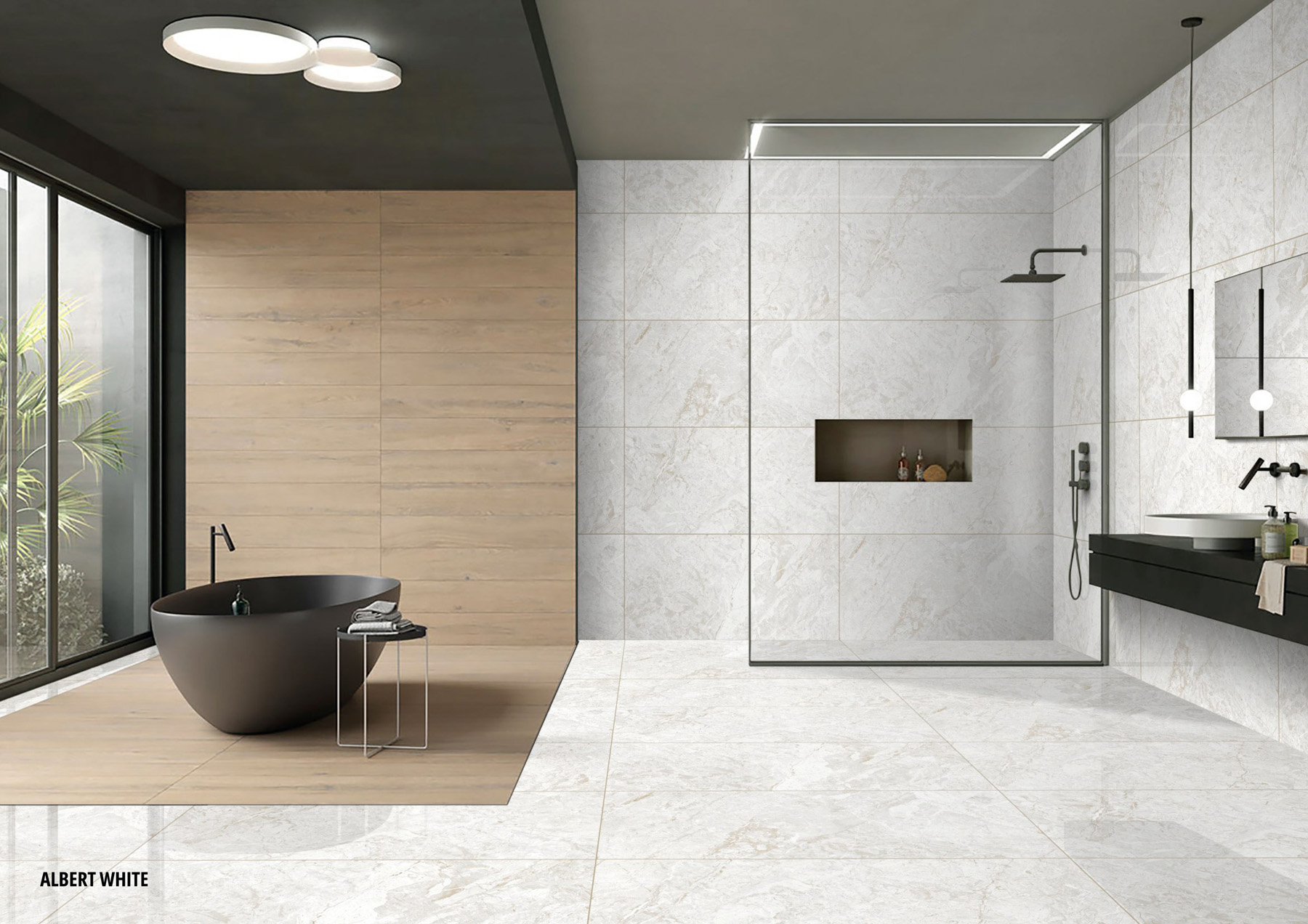
Textured tiles bring together safety and design in modern shower spaces. While textured surfaces improve grip under wet conditions, they also add visual depth to walls. Combining textured wall tiles with properly sized anti-skid floor tiles helps create a shower area that is both stylish and safe.
Why textured tiles are essential for shower floors
The shower floor is one of the most slip-prone areas in a home. Water, soap, and shampoo residues can make smooth surfaces extremely slippery. This is why textured tiles are commonly used for shower flooring.
Tiles designed with micro-textures provide better grip for bare feet, reducing the risk of slipping. Many modern bathrooms now use anti-slip tiles for the shower floor to ensure safety without compromising on appearance.
Another important factor is the tile finish. Surfaces such as sugar finish, carving finish, or rustic textures provide a subtle grip while still feeling comfortable to walk on. These finishes are often used in matte textured tiles for bathroom shower areas because they maintain traction even when wet.
For shower floors, tiles with higher slip-resistance ratings are typically recommended to ensure safety during daily use.
Choosing the right tile sizes for shower floors and walls
Tile size plays a very important role in shower area design. The size used on the floor is usually different from the size used on the walls.
Shower floor tiles
Smaller tiles work better for floors because they can easily follow the slope required for water drainage.
Common floor sizes include:
- 300x300 textured tiles
- 600 x 600 mm tiles
These sizes allow installers to create a proper slope toward the drain without making awkward tile cuts. Smaller tiles also create more grout joints, which improves grip in wet areas.
Shower wall tiles
Walls benefit from slightly larger tiles because they reduce grout lines and create a cleaner appearance.
Popular wall sizes include:
- 300x600 mm tiles
- 600 x 1200 mm tiles
Using 300x600 textured shower wall tiles vertically can visually increase the height of the shower space while maintaining a balanced pattern.
How textured tiles transform shower accent walls
While floors rely on texture for safety, walls use texture to create visual interest.
Modern bathrooms often feature shower area textured tile design on one accent wall behind the shower head. These tiles may include ribbed, fluted, or carved patterns that interact with lighting.
When light falls on textured surfaces, it creates subtle shadows that give the wall depth. This effect can turn a simple shower enclosure into a spa-like space.
Using stone texture tiles for the shower area is especially popular because the surface resembles natural rock, creating a relaxing and organic atmosphere inside the bathroom.
Wood-look vs stone-look textured shower designs
Textured tiles are available in many design styles, but two trends dominate modern shower spaces.
Wood-look textures
Wood-inspired tiles create a warm and natural atmosphere similar to a sauna environment. Unlike real timber, these tiles are completely waterproof and resistant to swelling or decay.
Wood-look textures are often used to soften modern bathrooms and add warmth to neutral interiors.
Stone and slate textures
Stone-inspired tiles create a more dramatic and earthy appearance. Dark slate textures or charcoal tones give the shower a bold and luxurious look.
These surfaces also hide watermarks better than glossy tiles, making them easier to maintain over time.
How to maintain textured shower tiles
Some homeowners worry that textured surfaces may trap soap or dirt inside grooves. However, modern vitrified tiles have extremely low water absorption, which prevents moisture from entering the tile body.
Regular cleaning usually requires only mild cleaners and soft brushes.
To maintain textured shower tiles:
- Use a soft nylon brush to clean grooves
- Avoid abrasive steel pads that can damage the surface
- Clean with pH-neutral cleaners instead of harsh acids
Another important factor is grout. Using epoxy grout helps prevent water absorption and staining. Unlike cement grout, epoxy grout resists discolouration and prevents bacteria buildup in wet areas.
FAQs
No. Most modern textured finishes use micro-patterns that improve grip without creating sharp edges. This allows them to remain comfortable while still providing slip resistance.
Yes. Some designs wrap the entire shower area in the same textured tile to create a continuous look. But the floor tile must have an anti-slip surface and low water absorption (like vitrified tiles). Walls can use the same design without these strict requirements.
Not necessarily. While glossy white surfaces reflect watermarks clearly, many matte textures in grey, beige, or stone tones can hide water spots and soap residue very well.
