


Insight Vitrified vs Porcelain Tiles in zira-and-firozpur: Understanding the Market Difference











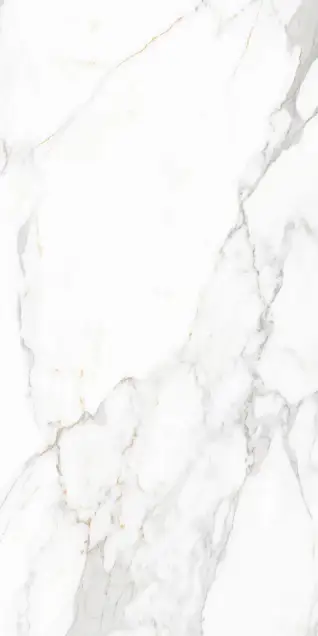
In zira-and-firozpur, the terms porcelain and vitrified tiles are often used interchangeably, yet they possess distinct technical differences. While globally porcelain is the dominant term, in India, particularly from the Morbi manufacturing hub, terminology varies based on marketing and performance, creating confusion for buyers in Firozpur and Zira.
Global Terminology vs Indian Market Terminology
Globally, the tile industry primarily uses 'porcelain tile,' classifying them based on technical performance standards, specifically water absorption below 0.5%. Vitrification is merely part of the manufacturing process, not a separate retail category. In contrast, in the Indian market, especially from Morbi, 'porcelain tiles' often have water absorption between 2%–5%, while 'vitrified tiles' boast a lower absorption rate of 0.5%–0.05%. Dealers in zira-and-firozpur often use 'vitrified' to denote higher density and superior performance, a marketing strategy that can create confusion for local buyers in Zira and Firozpur, as manufacturers may label products differently for domestic versus export markets. This dual terminology necessitates clarity for consumers.
Water Absorption: The Real Technical Benchmark
Water absorption is the most critical parameter distinguishing tile performance in zira-and-firozpur. Porcelain tiles, in the common Indian market context, have a moderate density with 2%–5% water absorption, making them suitable for indoor residential spaces and often available in matte finishes as a cost-effective option for bedrooms and light-use living rooms. Vitrified tiles, however, are extremely dense with significantly lower water absorption (0.5%–0.05%), making them highly resistant to stains and moisture. They are available in polished glossy, matte, and high gloss finishes, offering superior strength under heavy loads and better suitability for commercial use. For buyers in Firozpur and Zira, asking for water absorption specifications provides clearer insight into durability and longevity, and they can verify this with a tile mockups expert.
Size-Based Market Reality in zira-and-firozpur
Tile size often correlates with whether a product is classified as porcelain or vitrified in zira-and-firozpur. Smaller sizes like 400x400 mm and 500x500 mm are mostly produced as porcelain, typically having 2%–5% water absorption. These are budget-friendly, suitable for rental properties and bedrooms, with limited vitrified production due to pricing sensitivity. The popular 600x600 mm size is available in both porcelain and vitrified; matte surfaces are commonly porcelain, while polished glossy and double-charged versions are often vitrified, creating market confusion in Firozpur. Larger formats like 600x1200 mm and 800x1600 mm are predominantly vitrified, especially polished glossy and full colour body tiles, due to the need for higher structural integrity for premium segments like living rooms, commercial spaces, and showrooms in Zira.
Performance, Strength & Practical Usage in zira-and-firozpur
For residential usage in zira-and-firozpur, porcelain is sufficient for bedrooms and kitchens, but vitrified tiles are preferred for living rooms and outdoor areas due to their low absorption. For bathrooms, low absorption is crucial given the moisture. In commercial and heavy-traffic areas like shops, offices, clinics, and parking lots in Firozpur and Zira, vitrified tiles are strongly recommended for their superior load-bearing capacity, higher scratch resistance, and improved long-term durability. While porcelain is generally more budget-friendly, the long-term durability of vitrified tiles often justifies the slightly higher investment, especially for high-use areas or rental properties seeking robust solutions in zira-and-firozpur. A tile selection tool can guide choices.
Why Terminology Confusion Continues
The terminology confusion persists in zira-and-firozpur due to manufacturer and dealer practices. Morbi manufacturers often use 'porcelain' broadly, reserving 'vitrified' for domestic premium positioning, while labeling products differently for export. Dealers may promote 'vitrified' as premium or use 'porcelain' to simplify explanations, focusing more on price than technical parameters. Consequently, the same tile might be called porcelain in one showroom and vitrified in another. Technically, all vitrified tiles are porcelain, but not all porcelain tiles meet the low absorption standards of vitrified. This differentiation is primarily marketing-driven in India, rather than globally standardized, making it challenging for consumers in Firozpur and Zira.
Final Conclusion: What zira-and-firozpur Buyers Should Really Ask
Instead of asking, “Is this porcelain or vitrified?” buyers in zira-and-firozpur should ask, “What is the water absorption percentage?” This single number determines the tile’s strength, durability, stain resistance, suitable application, and long-term performance. For normal residential needs in Firozpur, porcelain works well. However, for high-traffic, commercial, or long-term durability requirements in Zira, vitrified is the superior choice. Understanding the science behind the terminology empowers buyers to make informed decisions rather than relying purely on market labels, ensuring they select the best latest tile designs for their project.
Vitrified vs Porcelain Tiles Showroom and Dealer in zira-and-firozpur
BHARAT TRADERS ZIRA BERGER PAINTS STORE
Contact: +91 98147 01682
-9f831d48-b3bd-4701-a2a1-136f1cbd1251.jpg)