

Reality Between Vitrified and Porcelain Tiles in abohar-and-fazilka: Understanding the Market Difference
Loading designs...
-
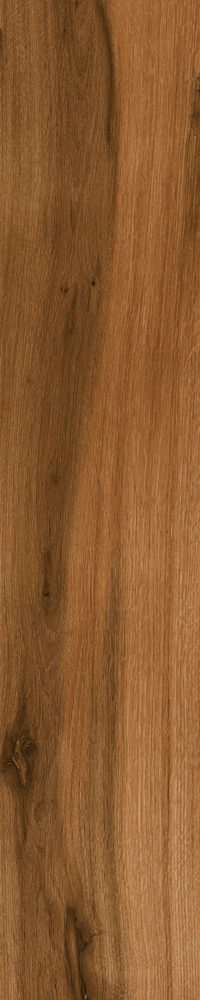
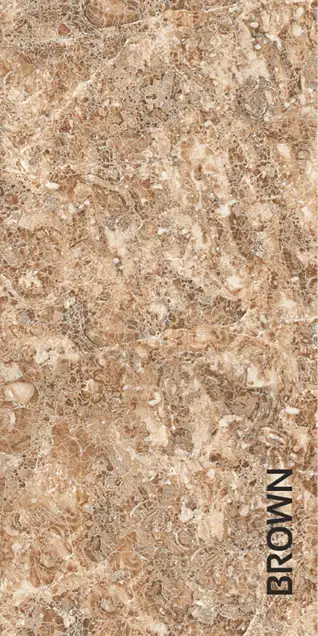 Classic Empredor Brown
 -
 6119
6119 -
Pantone Dalim Mint
-
10817-HL1
-
1120
-
17143
-
60120CL FLANT RECTENGULAR(END)
-
20825-L
-
20931-HL-2
-
Onyx Gold Wave
-
Navyat Dark
-
10823-HL1
-
1143
-
8004
-
Navona White
-
INDIGO MORROCCAN
-
20819-L
-
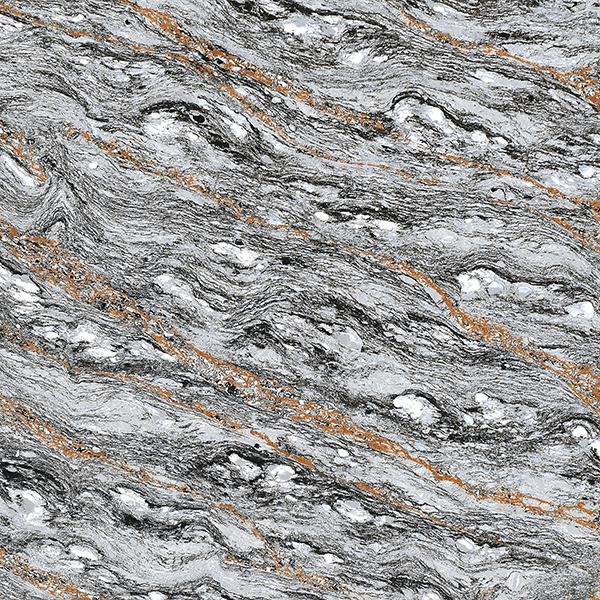
Patagonia Grey
-
Statuario Glanza
-
Anosa Natural




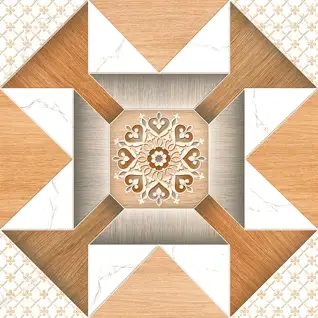


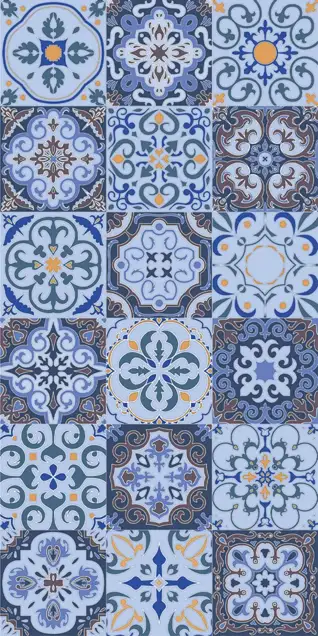

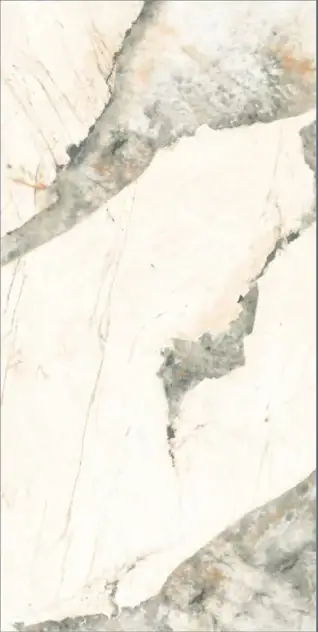

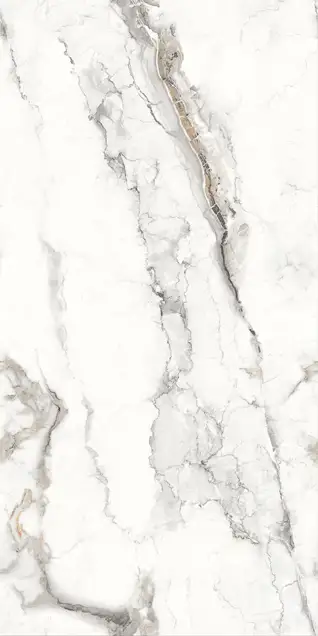
In abohar-and-fazilka, the terms 'porcelain' and 'vitrified' tiles are frequently used interchangeably, yet they possess distinct technical differences. Globally, porcelain is the dominant term, while in Morbi, India's tile manufacturing hub, terminology varies based on marketing and performance characteristics, leading to some confusion for local buyers.
Global Terminology vs Indian Market Terminology
Globally, the tile industry primarily refers to 'porcelain tile,' with the term 'vitrified' rarely used. Tiles are classified by technical performance, specifically water absorption rates, where porcelain must have absorption below 0.5%. Vitrification is merely a manufacturing process, not a separate retail category worldwide. However, in India, particularly from Morbi, terminology differs. Here, 'porcelain tiles' often have water absorption between 2%–5%, while 'vitrified tiles' boast a much lower 0.5%–0.05%. Dealers in abohar-and-fazilka often use 'vitrified' to denote higher density and superior performance, causing confusion for local buyers accustomed to varied labels. For clarity, many customers consult tiles catalogue India.
Water Absorption: The Real Technical Benchmark
Water absorption percentage stands as the most crucial technical parameter distinguishing tile performance in abohar-and-fazilka. Porcelain (Common Indian Market Context) tiles typically exhibit 2%–5% water absorption, making them moderately dense and suitable for indoor residential spaces like bedrooms and light-use living rooms. These are often cost-effective and available in matte finishes. Vitrified Tiles, however, feature extremely low water absorption, ranging from 0.5% to as low as 0.05%. This translates to exceptional density, compactness, and high resistance to stains and moisture. Available in diverse finishes such as polished glossy, matte, and high gloss, they offer superior strength under heavy loads and are better suited for commercial use or areas requiring enhanced durability in abohar-and-fazilka. Lower absorption means fewer pores, ensuring a longer lifespan and better stain resistance, which is vital in a city with varying climatic conditions. Consider glossy tiles design for low absorption vitrified options.
Why Water Absorption Matters
For buyers in abohar-and-fazilka, understanding why water absorption is critical provides genuine clarity beyond mere labels. Lower water absorption directly correlates with higher tile density, which in turn translates to better strength. This superior strength leads to a significantly longer lifespan, particularly important for flooring in busy households or commercial establishments in the city. Tiles with minimal porosity are also more resistant to stains and moisture, reducing maintenance efforts and preserving their aesthetic appeal over time. Thus, when purchasing tiles in abohar-and-fazilka, prioritizing water absorption specifications over common marketing terms is crucial for making an informed and durable investment, ensuring the chosen tiles meet specific performance needs. Local architects often advise on these technical aspects during project planning, and often use tile mockups.
Size-Based Market Reality in abohar-and-fazilka
Tile size often dictates whether a product in abohar-and-fazilka's market is categorized as porcelain or vitrified. Smaller sizes like 400x400 mm and 500x500 mm are predominantly produced as porcelain, typically with 2–5% water absorption. These are budget-friendly, ideal for bedrooms and rental properties, with limited vitrified production in these formats due to pricing sensitivity. However, 600x600 mm tiles, the most popular size in abohar-and-fazilka homes, are available in both categories; matte surfaces are commonly porcelain, while polished glossy and double-charged variants are often vitrified, causing the most market confusion. Larger formats like 600x1200 mm and above are typically vitrified, especially for polished glossy, high glossy, and full color body tiles, due to their lower water absorption and requirement for higher structural integrity, fitting the premium segment for living rooms and commercial spaces in abohar-and-fazilka. For large formats, explore 600x1200 tile ideas.
Performance, Strength & Practical Usage in abohar-and-fazilka
For Residential Usage in standard homes in abohar-and-fazilka, porcelain tiles are generally sufficient for bedrooms, while kitchens can use either. For living rooms, vitrified tiles are preferred for their durability. Bathroom floors and outdoor areas, especially with the city's climate, benefit from low-absorption tiles. Porcelain tiles adequately handle moderate residential traffic. For Commercial & Heavy Traffic Usage in shops, offices, clinics, and parking areas, vitrified tiles are strongly recommended due to their superior load-bearing capacity, higher scratch resistance, and improved long-term durability, crucial for bustling public spaces in abohar-and-fazilka. In terms of Cost Consideration, porcelain is generally more budget-friendly, while vitrified tiles cost slightly more due to higher firing temperatures and density. However, the long-term durability of vitrified often justifies the investment in high-use areas, though porcelain remains popular for affordability in rental or budget housing projects in abohar-and-fazilka. Many homeowners consult tile preview designs before making their choices.
Why Terminology Confusion Continues
The persistent terminology confusion in abohar-and-fazilka's tile market stems from both manufacturer and dealer practices. Morbi manufacturers, while using 'porcelain' globally, differentiate 'vitrified' for domestic premium positioning. Dealers further market 'vitrified' as a superior option and use 'porcelain' to simplify explanations, often prioritizing price over technical parameters. This means the same tile might be labeled differently across showrooms in abohar-and-fazilka. The technical truth is that all vitrified tiles are technically porcelain, but not all porcelain tiles achieve vitrified-level low absorption. This distinction is more marketing-driven in India than globally standardized, making it challenging for local buyers to discern true performance without specific technical details. This confusion impacts purchasing decisions across the city, from small apartments to large commercial projects.
Final Conclusion: What abohar-and-fazilka Buyers Should Really Ask
Instead of simply asking, 'Is this porcelain or vitrified?' buyers in abohar-and-fazilka should directly inquire, 'What is the water absorption percentage?' This single numerical specification unequivocally determines the tile’s strength, durability, stain resistance, suitable application, and long-term performance. For typical residential needs in abohar-and-fazilka homes, porcelain often suffices. However, for high-traffic areas, commercial spaces, or requirements demanding maximum durability and longevity, vitrified tiles are undeniably the superior choice. Understanding the scientific basis behind the terminology empowers local buyers to make truly informed decisions, rather than relying solely on potentially ambiguous market labels, ensuring a wise investment for their properties.
Vitrified vs Porcelain Tiles Showroom and Dealer in abohar-and-fazilka
Goyal Bath Gallery - Sanitary Store / / Jaquar Showroom / Cera Showroom Dexart Showroom / Tiles Showroom in Abohar
Contact: +91 +91 98141 22012
J.s tiles and sanitary store
Contact: +91 +91 97801 77771
𝗧𝗮𝗷 𝗠𝗮𝗿𝗯𝗹𝗲𝘀 𝗔𝗯𝗼𝗵𝗮𝗿 || Best Tiles And Sanitary Showroom | Bath Fitting Store| Italian Marbles Or Granite Stone
Contact: +91 +91 97808 56000
-9f831d48-b3bd-4701-a2a1-136f1cbd1251.jpg)