Skirting Tiles In Tuni: Usage, Benefits & Cost
Loading designs...
-
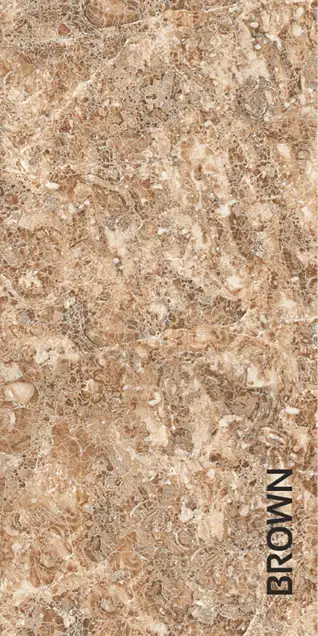 Classic Empredor Brown
 -
 6119
6119 -
Pantone Dalim Mint
-
10817-HL1
-
1120
-
17143
-
60120CL FLANT RECTENGULAR(END)
-
20825-L
-
20931-HL-2
-
Onyx Gold Wave
-
Navyat Dark
-
10823-HL1
-
1143
-
8004
-
Navona White
-
INDIGO MORROCCAN
-
20819-L
-
Patagonia Grey
-
Statuario Glanza
-
Anosa Natural
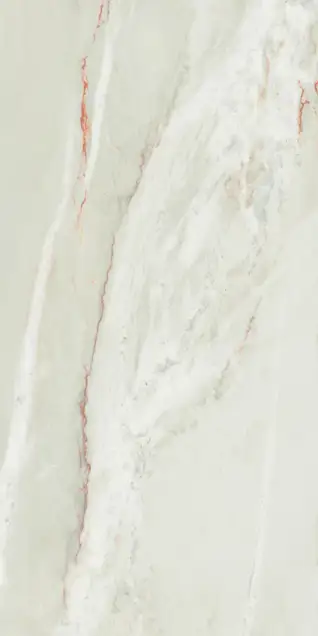

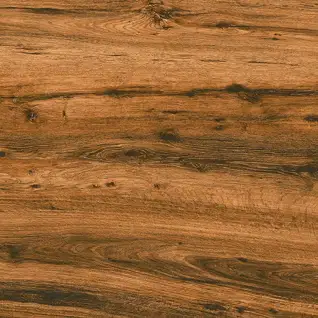
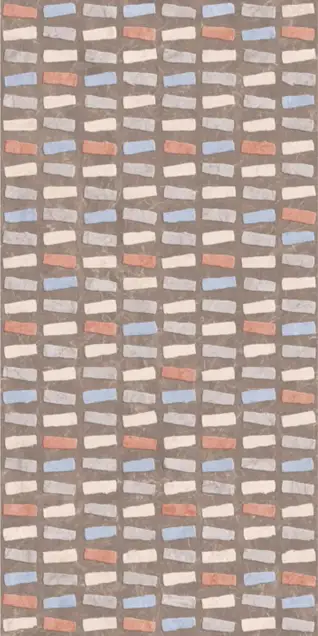



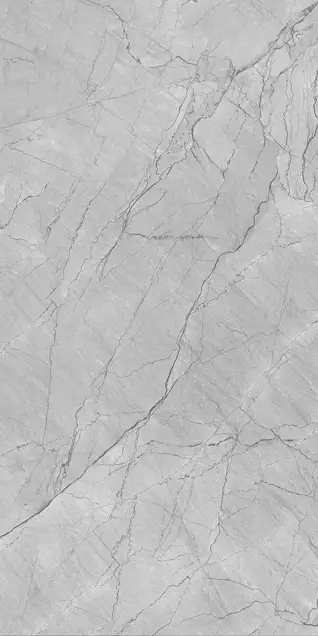

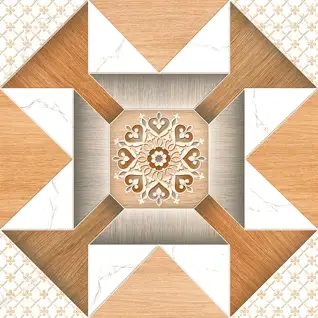
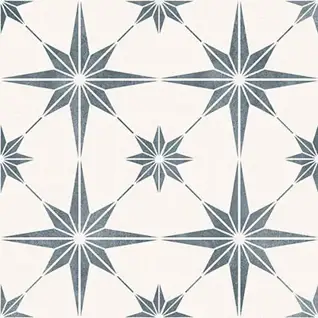
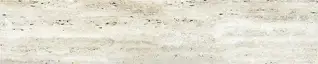
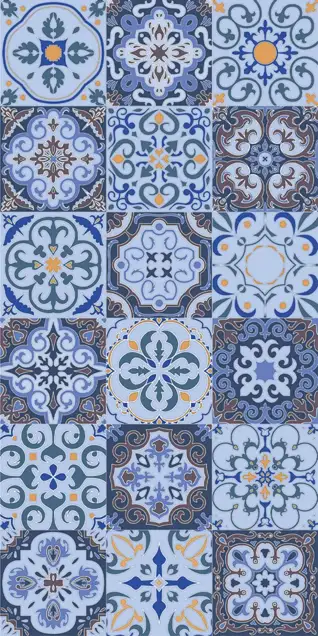

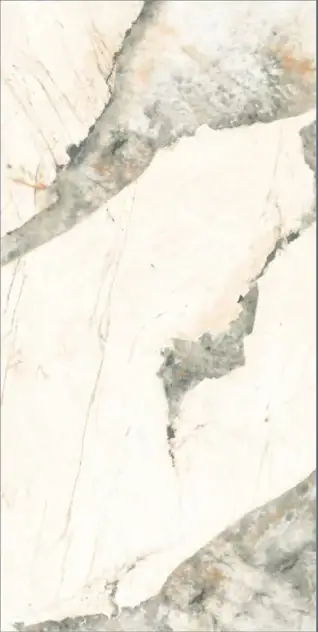

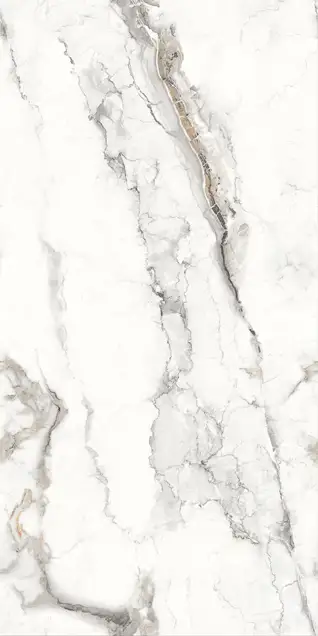
Skirting tiles, the crucial 4-inch border at the base of your walls, are indispensable for homes in Tuni. Far from being merely decorative, they serve as a critical structural shield, protecting your walls from daily mopping damage, expansion cracks, and the effects of Tuni's varying climate. These tiles ensure longevity and a clean finish, aligning with the practical and aesthetic demands of Tuni homeowners, providing a vital layer of defense against everyday wear and tear.
The Structural Usage: Hiding Expansion Gaps and Uneven Edges
Many homeowners in Tuni might not realize the primary structural purpose of skirting: concealment. During Tuni’s intense summers, building materials expand. Masons must leave a 3mm to 5mm gap between floor tiles and walls; without it, tiles would buckle. Skirting tiles cover this essential expansion gap, allowing the floor to shift naturally while hiding the unsightly joint. Additionally, the bottom edge of a plastered wall is rarely perfectly straight. Skirting acts as a clean, sharp visual boundary, neatly concealing any wavy or uneven plasterwork at the base of the room, ensuring a polished look for Tuni homes. You can explore various tile preview designs online.
The Daily Defence Benefit: Protecting Walls from Mopping (Pochha) Damage
This is arguably the most crucial practical benefit for Indian households in Tuni. The city experiences dry, dusty winds for much of the year, making daily wet mopping (pochha) essential for cleanliness. Without skirting, a wet mop repeatedly splashes water onto painted walls, which are not designed for constant moisture exposure. This leads to rising dampness ('seelan'), causing expensive wall paint to bubble, flake, and peel at the bottom over months. A 4-inch tile skirting acts as an impenetrable, waterproof shield, absorbing the impact from the wet mop and keeping your walls pristine and well-maintained in Tuni homes.
Hygiene & Maintenance Benefits: Keeping Corners Dust-Free
The 90-degree junction where a bare floor meets a bare wall in Tuni homes is a notorious magnet for dirt, dust, and spider webs. Sweeping against a rough painted wall can leave unsightly broom marks. A smooth, glossy, or satin skirting tile, however, allows the broom to glide effortlessly, making daily cleaning faster and more hygienic. A growing trend in modern Tuni duplexes is 'Concealed' or 'Flush' skirting. Here, the tile is embedded into the wall, sitting completely flat. This innovative design eliminates the dust-catching ledge entirely, delivering a premium, 100% dust-free finish that aligns with Tuni's evolving architectural standards. For a clear visual of how these can transform your space, consider using tile mockups.
Understanding Skirting Tile Cost in Tuni: Running Foot vs. Sq. Ft.
Tile pricing in Tuni can be confusing; while floor tiles are sold by square foot or box, skirting is calculated by the Running Foot (RFT). When budgeting for skirting, Tuni homeowners have two main options: cutting leftover floor tiles into 4-inch strips is cost-effective, using existing material and incurring only a small labor charge per RFT for cutting and installation. However, the cut edge will be sharp and flat. Alternatively, factory-finished skirting tiles, available from showrooms, offer beautifully rounded, polished top edges (bullnose finish) for a luxurious look. These cost slightly more per RFT but save on cutting labor, providing a flawless, high-end finish. Exact design matches with floor tiles are less common for ready-made skirting, and local Tuni dealers may not stock a wide variety.
Frequently Asked Questions (FAQs)
Question: What is the typical height for skirting tiles in Tuni?
Answer: In Tuni, common skirting heights are 3, 4, and 6 inches. The industry standard for most homes is 4 inches (100mm), balancing protection and aesthetics. Shorter skirting is for a minimalist look, while 6-inch skirting is rare, used only in grand living rooms with high ceilings to make a bold architectural statement in Tuni.
Question: Should skirting in Tuni match floor tiles or wall paint?
Answer: Matching skirting to floor tiles is the most popular choice in Tuni. This creates an illusion of the floor extending up the wall, making the room appear larger. For a traditional 'border' effect, a contrasting color like black or dark brown on a light floor can be used, depending on the interior design of Tuni homes.
Question: Can wooden skirting be used instead of tile skirting in Tuni?
Answer: While wooden skirting looks appealing, it's not recommended for ground-floor homes in Tuni. Real wood or MDF skirting will absorb water from daily wet mopping, swell, and attract termites. Tile skirting is waterproof and termite-proof, making it a far more durable and practical choice for Tuni's climate and household routines.
Skirting Tiles Showroom and Dealer in tuni
LAKSHMI SRINIVASA GRANITES and TILES
Contact: +91 +91 70133 74029
H & R Johnson Tiles - Bank Colony, Tuni
Contact: +91 +91 8071 821 063
Umamaheswari Granites and Tiles
Contact: +91 +91 77298 80044