Skirting Tiles in Shahjahanpur: Structural Function, Daily Protection and Cost Guide
Loading designs...
-
 3D 001
 -
 3D 002
 -
3D 003
-
3D 004
-
3D 005
-
3D 006
-
3D 007
-
3D 008
-
3D 009
-
3D 010
-
Adison Grey
-
Adison chocco
-
Afyon Bianco
-
Adison Ivory
-
3D 011
-
Albert White
-
Armani chocco
-
Aldur Brown
-
3D 012
-
Armani Nero









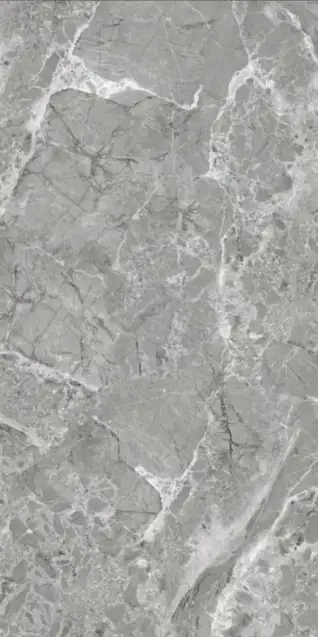
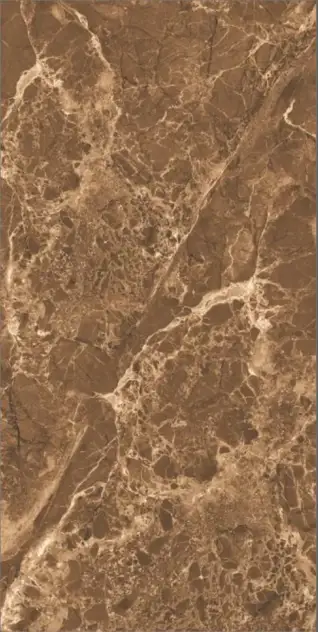
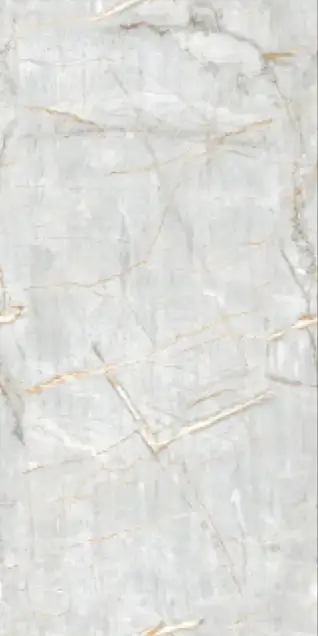
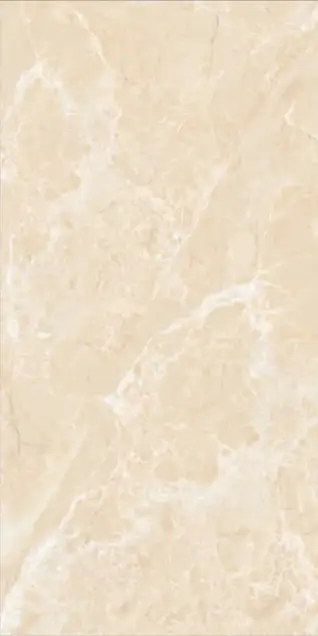


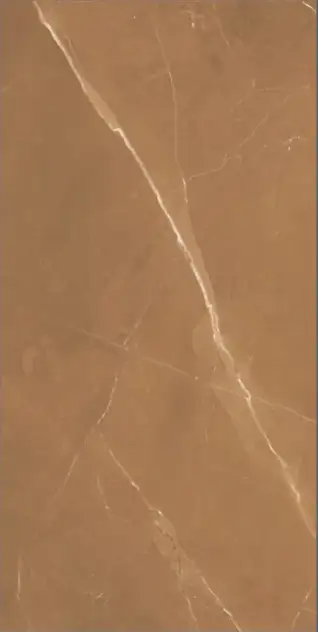
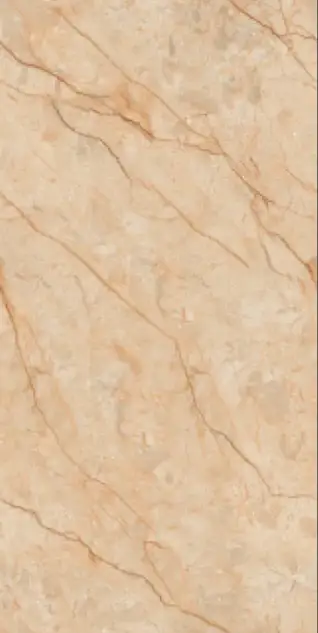

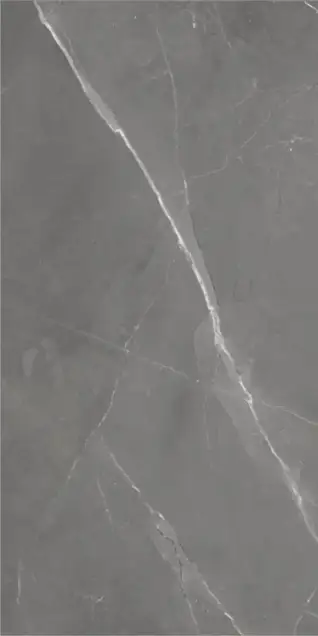
Skirting tiles in Shahjahanpur are the 3 to 6 inch tile border installed at the base of all room walls, bridging the junction between the floor tile and the wall surface. In most Shahjahanpur homes, skirting is specified in tile using the floor tile material (cut to strip form) or purpose-made factory-finished skirting tiles with bullnose rounded top edges. Skirting tiles serve three simultaneous functions in Shahjahanpur homes: structural concealment of the mandatory floor tile expansion gap, daily waterproofing protection for wall base against wet mopping damage, and hygienic sealing of the floor-to-wall corner junction against dust accumulation. All three functions are practically important in Shahjahanpur's context: the seasonal temperature range from peak 42 degrees Celsius summer to cold winter nights creates real thermal expansion in floor tiles; daily wet mopping (pochha) is mandatory in Shahjahanpur's dusty dry season; and the 90-degree wall-floor corner is the primary dust trap in any Indian household. Understanding these three functions helps Shahjahanpur homeowners make the correct skirting height, material, and installation choice for each room. The dominant housing type in Shahjahanpur being independent houses and mid-rise apartments means skirting is a common feature.
Structural Function: Hiding the Expansion Gap in Shahjahanpur Floors
During Shahjahanpur's peak summer temperature of 42 to 46 degrees Celsius, building materials including floor tiles expand. When floor tiles are laid, masons must leave a 3 to 5 mm gap between the edge of the last floor tile and the base of the wall. If the tiles are laid flush against the wall with no gap, the summer expansion has nowhere to go: tiles buckle upward and pop off the floor. This expansion gap is structurally mandatory. The skirting tile covers this expansion gap completely, hiding the necessary but unattractive junction between the floor tile and the wall. Without skirting, the expansion gap would be visible as an irregular gap at the base of every wall, often with the floor tile adhesive visible. Skirting creates a clean, finished junction that conceals the structural necessity while providing the three practical functions listed above. The base of plastered Shahjahanpur walls is rarely a perfectly straight, 90-degree junction with the floor. Skirting tiles cover the naturally uneven and wavy plasterwork at the lowest 4 inches of the wall, creating a clean, sharp horizontal visual boundary that defines where the floor ends and the wall begins. Buyers in Shahjahanpur also look at tile design ideas to find styles that work with this colour palette.
Daily Protection: Defending Shahjahanpur Walls from Wet Mopping
Shahjahanpur homes require daily wet mopping (pochha) throughout the year and particularly intensively during the dry, dusty season from November to May. Standard wall putty and emulsion paint at the base of Shahjahanpur walls is not designed for repeated daily water contact: mop water hits the bottom of the wall with every stroke, and over months this repeated wetting causes the wall putty to soften, the paint to bubble, and eventually the base of the wall to develop seelan (rising dampness) that peels and flakes the wall finish. A 4-inch ceramic or vitrified tile skirting permanently resolves this problem. The tile surface is waterproof and designed for daily wet cleaning. The mop hits the tile, not the wall. The wall above the skirting line remains perpetually dry and the paint finish at the base of Shahjahanpur walls stays intact for the full painting cycle rather than degrading within months.
Hygiene and Dust Management in Shahjahanpur
The 90-degree corner at the base of walls in Shahjahanpur homes is the primary dust accumulation point in any room. Without skirting, fine Shahjahanpur agricultural dust and household debris pack into the irregular junction between the rough plaster base and the floor tile edge. With smooth tile skirting, the corner is sealed and smooth: a broom or vacuum can clean to the corner without leaving a gap where dust hides. Traditional skirting tiles protrude 6 to 8 mm from the wall face, creating a small horizontal ledge at the base of the wall that itself catches dust. The premium alternative increasingly popular in modern Shahjahanpur duplexes and independent houses is flush or concealed skirting: the wall plaster is cut back at the base, and the skirting tile is embedded into the wall so its face sits flush with the wall surface. No protruding ledge, no dust accumulation point, and a visual effect that is significantly more refined and contemporary.
Skirting Tile Cost Options in Shahjahanpur
The most cost-effective skirting approach in Shahjahanpur involves the mason cutting leftover floor tiles from the same project into 4-inch (100 mm) strips and installing them as skirting. The cost is primarily the mason's cutting and installation labour (Rs. 10 to Rs. 18 per running foot in Shahjahanpur). Advantages include a perfect design match with the floor tile and minimal extra material cost. The disadvantage is that the cut edge is sharp and flat rather than rounded. Ready-made skirting tiles from the showroom with a factory-rounded top edge (bullnose finish) are a premium approach. The rounded top edge looks more refined and is safer (no sharp cut edge). Disadvantages for Shahjahanpur buyers include a higher cost per running foot, difficulty in finding an exact design match with the floor tile, and local dealers rarely carrying large skirting stock, making special orders necessary. Cost: typically 1.5 to 2 times the per-running-foot cost of Option A.
Standard Skirting Heights in Shahjahanpur
Three standard heights are available in Shahjahanpur's tile market: 3 inches (75 mm) offers minimal, subtle skirting for contemporary Shahjahanpur interiors where a small visual boundary is preferred. 4 inches (100 mm) is the standard Shahjahanpur specification. It provides adequate wall protection, covers the expansion gap, and has the right visual weight for standard ceiling heights. 6 inches (150 mm) is used rarely in Shahjahanpur for large rooms with high ceilings where the 4-inch skirting looks too small. It creates a strong architectural boundary statement. Buyers in Shahjahanpur also look at living room tiles to find styles that work with this colour palette.
Skirting tiles in Shahjahanpur come in heights typically from 3 to 6 inches, with prices for installation ranging from Rs. 10 to Rs. 35 per running foot. They are made from vitrified or ceramic materials, ensuring durability and water resistance for wall bases in Shahjahanpur homes.
These tiles, often sourced from Gujarat, are essential for homes in Shahjahanpur, protecting walls from the effects of daily wet mopping and the monsoon season. Their ability to conceal expansion gaps and prevent dust accumulation makes them a practical and hygienic choice for maintaining clean and aesthetically pleasing interiors in Shahjahanpur. Buyers in Shahjahanpur also look at kitchen tiles to find styles that work with this colour palette.
Skirting Tiles Showroom and Dealer in shahjahanpur
Prince Tiles And Sanitary Traders
Contact: +91 72758 88325
Kajaria Tiles Authorised Showroom - New Rajasthan Marble And Granite
Contact: +91 95716 89751
Kajaria Tiles Authorised Showroom - Hindustan Building Materials
Contact: +91 94150 81768