

Reality Between Vitrified and Porcelain Tiles in Seoni: Understanding the Market Difference
Loading designs...
-
 20933-L
 -
 20933-HL2
 -
20933-HL1
-
20933-D
-
20932-HL2
-
20932-HL1
-
20932-L
-
20931-HL-2
-
20931-HL-1
-
20931-L
-
20930-L
-
20930-HL-2
-
20930-HL-1
-
20930-D
-
20929-HL-2
-
20929-HL-1
-
20929-L
-
20928-L
-
20928-HL-2
-
20928-HL-1






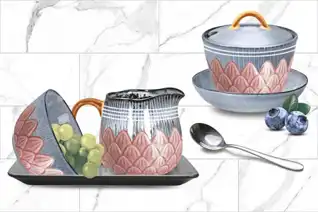
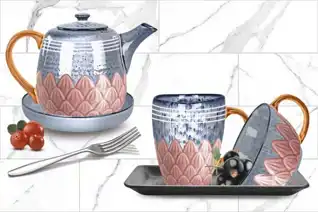
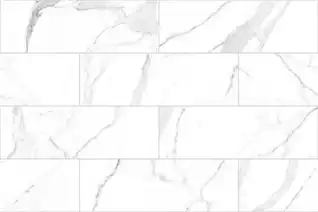

In Seoni, porcelain and vitrified tiles are frequently used interchangeably, yet they possess distinct technical differences. Globally, porcelain is the dominant term, while in Morbi, the terminology varies due to marketing strategies and performance characteristics. Understanding these nuances is crucial for Seoni buyers seeking the best tile solutions for their homes and commercial projects.
Global Terminology vs Indian Market Terminology
The distinction between porcelain and vitrified tiles often depends on whether one is referring to global standards or the specific lexicon of the Indian market, particularly in tile-producing hubs like Morbi, which influences buying trends in Seoni.
How the World Defines Porcelain
Internationally, the tile industry primarily utilizes the term porcelain tile, with the word vitrified rarely appearing in global markets. Tiles are categorized based on stringent technical performance standards, most notably water absorption rates.
- Globally:
- Porcelain tiles must have water absorption below 0.5%.
- Density, firing temperature, and compact structure define their classification.
- Vitrification is a manufacturing process, not a separate retail category.
In essence, worldwide standards classify low-absorption tiles as porcelain; there is no distinct marketing category termed vitrified, a fact often misunderstood by consumers in Seoni.
How India (Especially Morbi) Uses These Terms
In India, terminology has evolved uniquely. Morbi, Gujarat, which produces nearly 95% of India’s tiles, employs both terms depending on market positioning, leading to some confusion among dealers and buyers in Seoni.
- In the Indian market:
- Porcelain tiles often have water absorption between 2%–5%.
- Vitrified tiles have water absorption between 0.5%–0.05%.
- Dealers in Seoni use vitrified to denote higher density and superior performance.
- Manufacturers may label products differently for domestic and export markets.
This dual terminology contributes to confusion for buyers in cities like Seoni, necessitating a clearer understanding of technical specifications over labels.
Water Absorption: The Real Technical Benchmark
The percentage of water absorption is the most critical parameter for distinguishing tile performance. It directly correlates with a tile’s density, strength, and suitability for various applications, offering true clarity for Seoni buyers.
Porcelain (Common Indian Market Context)
- Water absorption: 2%–5%
- Moderately dense
- Suitable for indoor residential spaces
- Often available in matte finishes
- Cost-effective option
These tiles perform well for bedrooms, light-use living rooms, and kitchens in Seoni homes, providing a balance of aesthetics and affordability, especially popular in budget-friendly housing projects.
Vitrified Tiles
- Water absorption: 0.5%–0.05%
- Extremely dense and compact
- Highly resistant to stains and moisture
- Available in wide finishes like polished Glossy, Matte, High Gloss
- Stronger under heavy loads
- Better suited for commercial use
Lower absorption signifies fewer pores, which translates to enhanced durability, superior stain resistance, and greater strength, making vitrified tiles a premium choice for many Seoni projects. For design ideas, consider tile design ideas.
Why Water Absorption Matters
- Lower absorption = higher density
- Higher density = better strength
- Better strength = longer lifespan
For Seoni buyers, instead of solely focusing on the label, requesting water absorption specifications provides genuine clarity, enabling them to make truly informed decisions for their properties.
Size-Based Market Reality in Seoni
Tile size frequently influences whether a product is classified as porcelain or vitrified in the Seoni market. This distinction often relates to manufacturing capabilities and consumer demand for specific dimensions.
400x400 & 500x500 Tiles
- Mostly produced as porcelain
- Water absorption is typically 2–5%
- Budget-friendly category
- Suitable for bedrooms and rental properties in Seoni
- Limited vitrified production in these sizes
Manufacturers rarely produce vitrified tiles in these smaller formats due to pricing sensitivity and demand patterns in Seoni, where cost-effectiveness often drives choices for such sizes.
600x600 Tiles
- Available in both porcelain and vitrified
- Matte surface is commonly porcelain.
- Polished Glossy and double-charged often vitrified
- Most popular size in Seoni homes, creating considerable market confusion.
This size category generates the highest confusion in the Seoni market precisely because both categories coexist, making it vital for buyers to inquire about water absorption. You can also explore tile mockups for these options.
600x1200 and Larger Formats
- Polished Glossy, High Glossy, Full Colour Body tiles are available in Vitrified Body
- For Matte and Carving Matte surface available in both vitrified and Porcelain
- Lower water absorption
- Premium segment
- Used in living rooms, commercial spaces, and showrooms in Seoni
Large formats necessitate higher structural integrity, which aligns perfectly with vitrified production standards, making them a preferred choice for upscale projects and expansive spaces throughout Seoni.
Performance, Strength & Practical Usage in Seoni
Understanding the practical implications of porcelain versus vitrified tiles is crucial for making the right choice for various applications in Seoni, balancing durability with aesthetic needs.
Residential Usage
For standard homes in Seoni:
- Bedrooms → Porcelain is sufficient for light traffic.
- Kitchens → Porcelain or vitrified, depending on usage intensity.
- Living rooms → Vitrified is preferred for durability and aesthetics.
- Bathroom floors → Low absorption recommended for wet conditions.
- Outdoor → Vitrified for weather resistance.
Porcelain tiles are generally adequate for moderate residential traffic in Seoni, offering a cost-effective yet reliable solution.
Commercial & Heavy Traffic Usage
For shops, offices, clinics, and parking areas in Seoni:
- Vitrified tiles are strongly recommended due to their superior qualities.
- Better load-bearing capacity for heavy footfall and equipment.
- Higher scratch resistance for long-term aesthetic appeal.
- Improved long-term durability, crucial for commercial longevity.
Commercial spaces in Seoni greatly benefit from the lower water absorption of vitrified tiles, ensuring extended performance and reduced maintenance.
Cost Consideration
- Porcelain is generally more budget-friendly.
- Vitrified tiles typically cost slightly more due to higher firing temperatures and increased density.
- Long-term durability often justifies the investment in vitrified tiles for high-use areas in Seoni.
In rental properties or budget housing projects in Seoni, porcelain remains popular due to its affordability and acceptable performance for moderate use.
Why Terminology Confusion Continues
The persistent confusion surrounding porcelain and vitrified tiles in Seoni stems from manufacturer-level differences and dealer-level marketing strategies, often prioritizing sales over technical accuracy.
Manufacturer-Level Differences
Morbi manufacturers:
- Use porcelain terminology widely for exports.
- Label products differently for the domestic market.
- Differentiate vitrified for premium domestic positioning in India.
This dual approach creates a complex landscape for buyers in Seoni, who rely on local dealers for guidance.
Dealer-Level Marketing
Dealers in Seoni may:
- Promote vitrified as premium, emphasizing its superior qualities.
- Use porcelain to simplify explanations for a broader audience.
- Focus more on price than technical parameters to close sales.
It’s not uncommon for the same tile to be presented as porcelain in one showroom and vitrified in another in Seoni, highlighting the marketing-driven nature of these terms.
The Technical Truth
In simple terms, for clarification:
- All vitrified tiles are technically porcelain (because they undergo vitrification).
- Not all porcelain tiles meet vitrified-level low absorption standards.
The differentiation in India is more marketing-driven than globally standardized, which necessitates informed questioning from Seoni buyers.
Final Conclusion: What Seoni Buyers Should Really Ask
For buyers in Seoni, obtaining clarity requires a shift in inquiry, moving beyond simple labels to specific technical details.
Instead of asking:
“Is this porcelain or vitrified?”
Ask:
“What is the water absorption percentage?”
Because that single number determines:
- Strength
- Durability
- Stain resistance
- Suitable application
- Long-term performance
For Seoni homes, porcelain works well for normal residential needs, offering a good balance of cost and performance. For high-traffic, commercial, or long-term durability requirements, vitrified is unequivocally the better choice, ensuring lasting value. Understanding the science behind the terminology empowers Seoni buyers to make truly informed decisions rather than relying purely on market labels.
Vitrified vs Porcelain Tiles Showroom and Dealer in seoni
Anand Traders
SHREE TRADERS TILES SHOWROOM
Contact: +91 99260 91509
Gokulam Tiles and Home Decor
Contact: +91 93991 29792
-9f831d48-b3bd-4701-a2a1-136f1cbd1251.jpg)