Skirting Tiles In Seoni: Usage, Benefits & Cost
Loading designs...
-
 KDT 209
 -
 11005
11005 -
3021 HL 1
-
Wenge Wood
-
20901-L
-
Badas Cyan
-
ROYAL BOTTOCHINO
-
ELE-1203
-
7068
-
ALPHAINE BLUE
-
Kempas
-
CR Endless Glam Grey(800x1600)
-
Biscuit
-
10018
-
10001 DK
-
Escros Bright (800 x 1600)
-
NEROLI SILVER
-
2383 HL 1
-
Zic Zak 01
-
Nor Gold(800x1600)






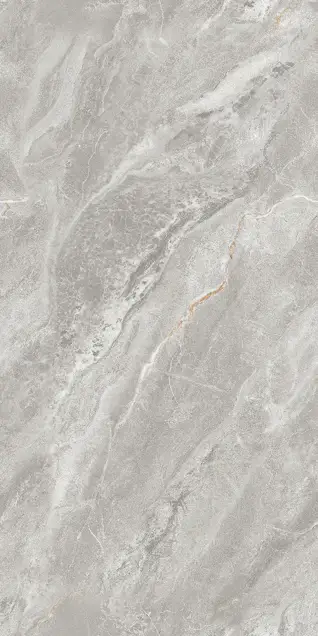




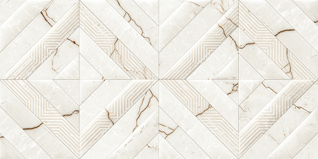


Skirting tiles, the 4-inch tile border at the base of your walls, are essential for homes in Seoni. Far from just a decorative frame, they act as a critical structural shield to protect your walls from daily mopping damage and expansion cracks, which are common issues given Seoni's climatic conditions and household routines.
The Structural Usage: Hiding Expansion Gaps and Uneven Edges
Most homeowners don't realise exactly why skirting is installed in the first place. Its primary purpose is structural concealment, a crucial aspect of quality construction in Seoni. The Expansion Gap: During the intense heat of a Seoni summer, building materials expand. When laying floor tiles, masons must leave a slight gap (around 3mm to 5mm) between the edge of the floor tile and the wall. If the tiles are pushed flush against the wall, the summer heat will cause them to expand, buckle, and pop out, a costly problem to fix. The Concealment: Skirting tiles are installed over this necessary expansion gap, hiding the ugly joint while still allowing the floor underneath to breathe and shift naturally, ensuring the longevity of your flooring in Seoni. Hiding Plaster Imperfections: The bottom edge of a plastered wall is rarely a perfect, straight 90-degree line. Skirting acts as a clean, sharp visual boundary that covers up any wavy or uneven plasterwork at the base of the room, providing a neat finish for homes in Seoni.
The Daily Defence Benefit: Protecting Walls from Mopping (Pochha) Damage
This is arguably the most important practical benefit for Indian households, especially in Seoni where daily cleaning is essential due to dust. The Waterproof Shield: Without skirting, a wet mop repeatedly hits the bottom of your painted walls every single day. Wall putty and emulsion paints are not meant to handle constant water exposure, leading to premature damage. Preventing "Seelan" (Dampness): When the wall absorbs this mop water, it leads to rising dampness (seelan). Over a few months, your expensive wall paint will start bubbling, flaking, and peeling off at the bottom. A 4-inch tile skirting acts as an impenetrable, waterproof shield that takes the hit from the wet mop, keeping your walls pristine and looking new in Seoni homes. You can also explore various [tile design ideas](https://tilesfinders.com/design) that complement skirting.
Hygiene & Maintenance Benefits: Keeping Corners Dust-Free
The 90-degree corner where a bare floor meets a bare wall is a notorious trap for dirt. Skirting tiles address this common issue in Seoni homes. Easy Sweeping: Dust, pet hair, and spider webs naturally accumulate in room corners. Sweeping against a rough painted wall can leave dirty broom marks. A smooth, glossy, or satin skirting tile allows the broom to glide effortlessly, making daily cleaning faster and more hygienic for residents in Seoni. The "Flush Skirting" Upgrade: A massive trend right now in modern Seoni duplexes is "Concealed" or "Flush" skirting. Here, the wall plaster is cut out, and the skirting tile is embedded into the wall so it sits completely flat. This removes the dust-catching ledge entirely, giving a premium, 100% dust-free finish, a desirable feature for contemporary properties. Homeowners often check [tile mockups](https://tilesfinders.com/mockup) to see how flush skirting will look.
Understanding Skirting Tile Cost in Seoni: Running Foot vs. Sq. Ft.
Tile pricing can be confusing because floor tiles are sold by the square foot (Sq. Ft.) or by the box, whereas skirting is calculated by the Running Foot (RFT)—meaning it is measured by length, not area. When budgeting for skirting in Seoni, you have two main options:
- Option A: Cutting Leftover Floor Tiles (Cost-Effective): You can ask your contractor to cut leftover floor tiles into 4-inch strips. This is cheaper because you are using existing material. You only pay the mistri (mason) a small labor charge per running foot for cutting and installation. However, the cut edge will be sharp and flat, not rounded. This is a common practice in budget-conscious projects in Seoni.
- Option B: Factory-Finished Skirting (Premium): You can buy ready-made skirting tiles from the showroom. These come with beautifully rounded, polished top edges (bullnose finish) that look much more luxurious. They cost slightly more per RFT, but they save on cutting labor and provide a flawless, high-end finish without sharp edges. However, there is a much lower possibility of getting an exact design match with your floor tiles. Additionally, local dealers in Seoni rarely keep these in stock because managing such a large, specific inventory is difficult, and the final price per RFT is often double that of Option A. For a better visual, [tile preview designs](https://tilesfinders.com/design) can be helpful. For those considering a seamless look, exploring [large format tiles design](https://tilesfinders.com/size/800x3000-mm-tiles) might complement the skirting. Many also look at [latest tile designs](https://tilesfinders.com/design) for skirting.
Skirting Tiles Showroom and Dealer in seoni
Shriram Tiles and granite
SHREE SHOBHA TRADERS TILES AND GRANITE
Shubham traders tiles & granite
Contact: +91 88718 56433