Skirting Tiles In Satna: Usage, Benefits & Cost
Loading designs...
-
 KDT 209
 -
 11005
11005 -
3021 HL 1
-
Wenge Wood
-
20901-L
-
Badas Cyan
-
ROYAL BOTTOCHINO
-
ELE-1203
-
7068
-
ALPHAINE BLUE
-
Kempas
-
CR Endless Glam Grey(800x1600)
-
Biscuit
-
10018
-
10001 DK
-
Escros Bright (800 x 1600)
-
NEROLI SILVER
-
2383 HL 1
-
Zic Zak 01
-
Nor Gold(800x1600)
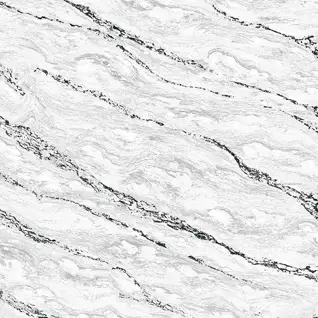


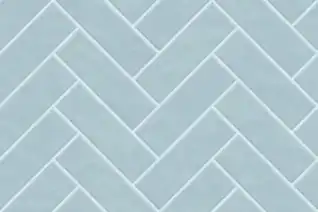


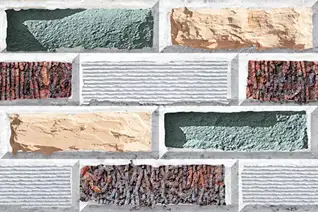
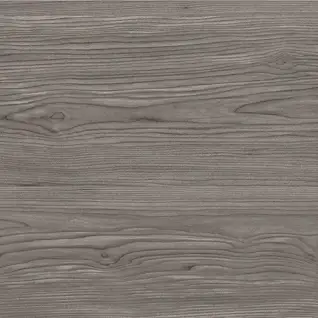


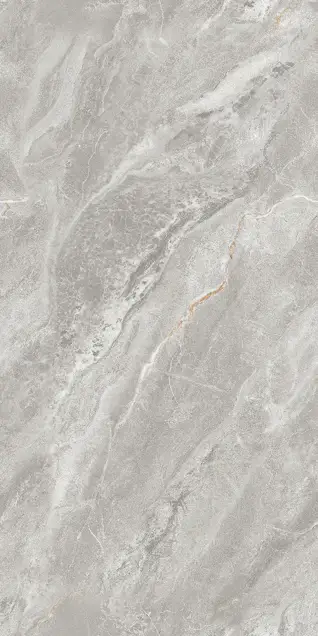
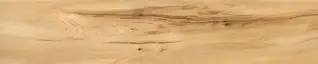

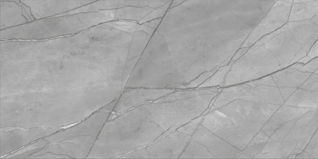


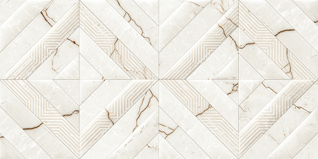


Skirting tiles, the approximately 4-inch tile border installed at the base of walls, are an indispensable feature for homes and commercial establishments in Satna. Far from being merely decorative, they serve as a crucial structural shield, protecting your walls from daily mopping damage, preventing dampness, and cleverly concealing expansion cracks, which are particularly relevant in Satna's varied climate conditions.
The Structural Usage: Hiding Expansion Gaps and Uneven Edges
Many homeowners in Satna might not fully appreciate the primary structural purpose of skirting: concealment. During Satna's intense summer heat, building materials naturally expand. When laying floor tiles, masons must intentionally leave a small gap (around 3mm to 5mm) between the edge of the floor tile and the wall. This 'expansion gap' is essential; without it, the expanding tiles would buckle and pop out. Skirting tiles are installed directly over this necessary gap, effectively hiding the unsightly joint while allowing the floor underneath to naturally shift and breathe. Additionally, the bottom edge of a plastered wall is rarely perfectly straight. Skirting acts as a clean, sharp visual boundary that neatly covers any wavy or uneven plasterwork at the base of the room, providing a polished finish to properties across Satna, from new apartments to traditional houses. For tile design ideas, many consider skirting as a finishing touch.
The Daily Defence Benefit: Protecting Walls from Mopping (Pochha) Damage
This is arguably the most vital practical benefit for Indian households in Satna. Given Satna's dry, dusty winds for much of the year, daily wet mopping ('pochha') is essential to maintain cleanliness in homes. Without skirting, a wet mop repeatedly comes into contact with the bottom of painted walls every day. Wall putty and emulsion paints are not designed to withstand constant water exposure. When the wall absorbs this mop water, it leads to rising dampness ('seelan'), which can cause expensive wall paint to bubble, flake, and peel off at the bottom over a few months. A 4-inch tile skirting acts as an impenetrable, waterproof shield that takes the direct impact from the wet mop, keeping your walls pristine and significantly reducing maintenance efforts and costs for Satna residents, especially in high-traffic areas like entryways and kitchens. Many consult tile mockups to envision how skirting integrates with their chosen floor and wall tiles.
Hygiene & Maintenance Benefits: Keeping Corners Dust-Free
The 90-degree corner where a bare floor meets a bare wall is a notorious magnet for dirt and dust in any Satna home. Dust, pet hair, and spider webs naturally accumulate in these room corners. Sweeping against a rough painted wall can leave unsightly dirty broom marks. A smooth, glossy, or satin skirting tile allows the broom to glide effortlessly, making daily cleaning faster and more hygienic for Satna households. A significant trend in modern Satna duplexes is 'Concealed' or 'Flush' skirting. In this design, the wall plaster is precisely cut, and the skirting tile is embedded into the wall, sitting completely flat. This innovative approach entirely eliminates the dust-catching ledge, providing a premium, 100% dust-free finish that aligns with contemporary architectural demands in areas like Civil Lines. This also contributes to modern tile designs overall clean aesthetic.
Understanding Skirting Tile Cost in Satna: Running Foot vs. Sq. Ft.
Tile pricing can be somewhat complex in Satna because floor tiles are typically sold by the square foot (Sq. Ft.) or by the box, whereas skirting is calculated by the Running Foot (RFT)—measured by length, not area. When budgeting for skirting in Satna, homeowners have two primary options: Option A: Cutting Leftover Floor Tiles. You can ask your contractor to cut leftover floor tiles into 4-inch strips. This is the more cost-effective choice as it utilizes existing material. You only pay the 'mistri' (mason) a small labor charge per running foot for cutting and installation. However, the cut edge will be sharp and flat, not rounded. Option B: Factory-Finished Skirting. You can purchase ready-made skirting tiles from showrooms in Satna, particularly around Jawahar Nagar. These come with beautifully rounded, polished top edges (bullnose finish) that offer a much more luxurious look. While they cost slightly more per RFT, they save on cutting labor and provide a flawless, high-end finish without sharp edges. However, finding an exact design match with your floor tiles might be challenging, and local dealers often stock a limited variety due to inventory management complexities, with the final price per RFT often being double that of Option A. This also influences living room tile design ideas.
Skirting Tiles Showroom and Dealer in satna
Shanti Traders
GAURAV TRADERS
Contact: +91 81093 53534
Kajaria Tiles Authorised Showroom - Shiv Ganga Traders
Contact: +91 91794 45699