Pooja Room Tiles in Sambhal: Designs, Vastu Colours and Prices
Loading designs...
-
 EBANA-MIST
 -
 FOGG-GREY
 -
VISUAL-BLUE
-
BRASS-MULTY
-
7039
-
VISUAL-GREEN
-
FOGG-AQUA
-
FOGG-SILVER
-
7007
-
EBANA-BIANCO
-
FOGG-BLUE
-
7040
-
STATUARIO-STREET
-
VISUAL-MULTY
-
7038
-
7041
-
5054 L 2
-
1784 HL 1
-
5092 HL 2
-
5092 LT 2














Pooja room tiles in Sambhal are chosen with more care than tiles for any other room. The mandir space is used daily for prayer and must stay pristine with minimum cleaning effort. In Sambhal homes, where incense sticks, oil diyas, and flower offerings are common, tile selection needs stain resistance, light reflectivity, and a spiritual aesthetic. Glossy ceramic and vitrified wall tiles conforming to IS 13630 are common, with water absorption below 1% for vitrified variants for easy cleaning. Many Sambhal homeowners follow Vastu Shastra principles when selecting pooja room tile colours, preferring shades that promote purity and positive energy.
Latest Pooja Room Tile Designs in Sambhal
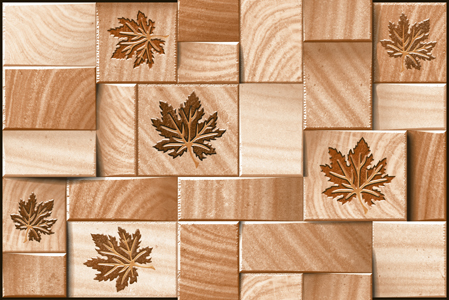
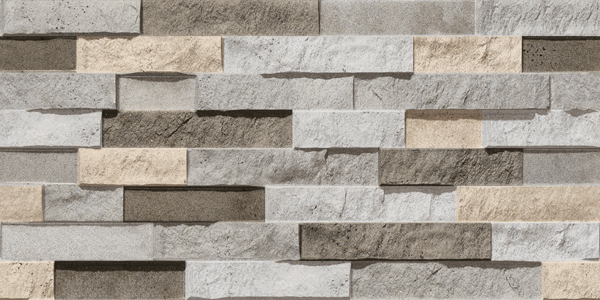
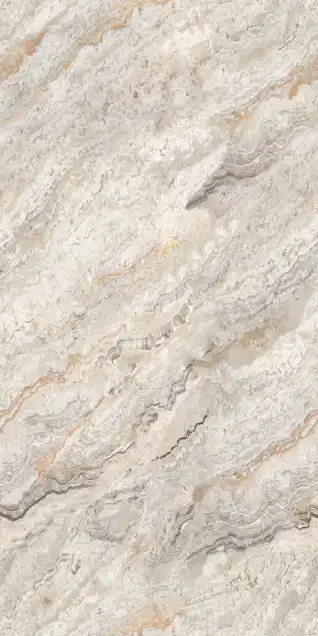
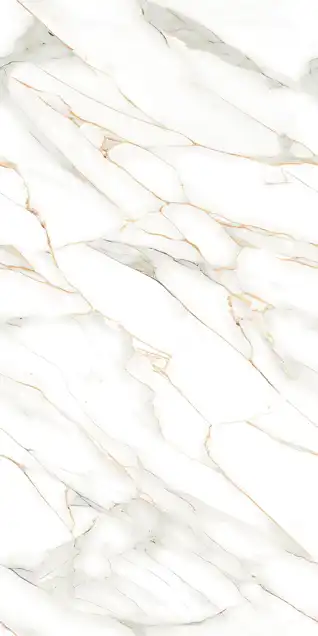
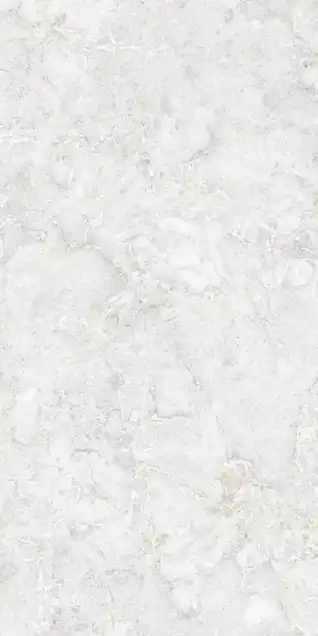
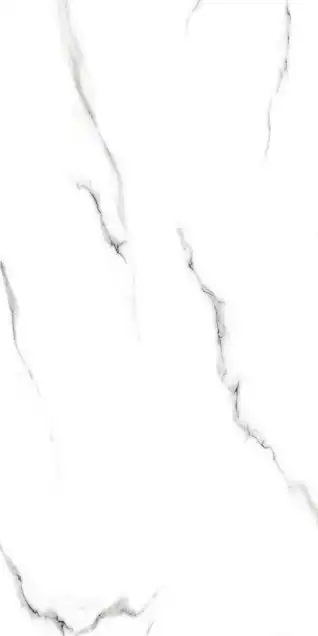
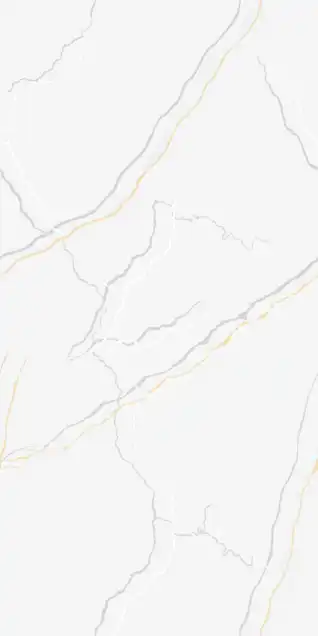
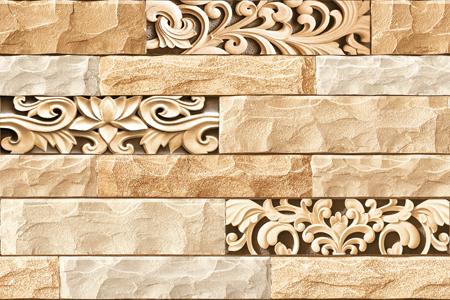
Marble-look pooja room tiles are the most preferred design in Sambhal for mandir walls. White marble-vein tiles with soft grey or gold veining create a divine and luminous appearance behind the idol placement area. Available in GVT and ceramic body in sizes 300x450 mm, 300x600 mm, and 600x600 mm. The reflective surface of glossy marble-look tiles amplifies diya light and makes small pooja rooms feel more open. Decorative religious motif tiles with Om, Swastik, lotus, bell, and mandala patterns are available at select Sambhal dealers near Moradabad Road. These are typically used for one feature section, combined with plain white tiles. Marble look tiles are always in demand. Glossy white wall tiles are the most widely used tile type in Sambhal pooja rooms. Plain glossy white ceramic or vitrified tiles (300x450 mm or 300x600 mm) symbolize purity, reflect maximum light, and are easiest to clean. 3D texture and carved tiles are used for the feature wall directly behind the idol in Sambhal premium homes. Designs include floral reliefs, geometric emboss, and traditional jaali patterns. Stone and natural texture tiles in matte finishes create an earthy, grounded feel. Buyers often seek tile design ideas for their pooja rooms.
Pooja Room Tile Prices in Sambhal
Prices are Sambhal retail estimates, excluding GST and local delivery. Transport adds Rs. 2 to Rs. 4 per sq.ft. Prices may vary slightly in nearby towns due to secondary transport from Sambhal city dealers near the main market area.
| Tile Category | Finish | Price Range (Rs./sq.ft) | Best Use |
|---|---|---|---|
| Ceramic Wall Tiles | Glossy/Matte | Rs. 22 to Rs. 38 | Full wall coverage, compact mandirs |
| Vitrified Wall Tiles | Polished/Satin | Rs. 30 to Rs. 48 | Premium pooja rooms, feature walls |
| Decorative Motif Tiles | Glossy/Carved | Rs. 38 to Rs. 95 | Idol back wall, accent sections |
| 3D Designer Tiles | Textured/Embossed | Rs. 48 to Rs. 110 | Feature wall behind deity placement |
| Marble-Look Tiles | Polished | Rs. 32 to Rs. 60 | Luxury mandir rooms, main walls |
Vastu-Friendly Pooja Room Tile Colours in Sambhal
Vastu Shastra is actively consulted for pooja room design in Sambhal homes. Key Vastu-aligned colour recommendations for mandir tiles are: White and off-white are most auspicious, symbolizing purity and calm. They reflect maximum light onto deity idols. Cream and ivory offer a warm, grounded alternative, creating a welcoming devotional atmosphere. Light yellow and gold shades represent prosperity and spiritual elevation, used as accent tiles or grout colour. Soft grey marble veins are a modern interpretation of the marble aesthetic. Pastel peach and soft ivory are popular in compact apartment pooja rooms in newer areas of Sambhal. Vastu discourages dark colours (black, dark brown, dark grey) in pooja rooms, as they reduce brightness and are believed to negatively affect the meditative atmosphere. Golden tiles can provide an auspicious accent. Avoid them for mandir wall tiles.
Practical Buying Tips for Pooja Room Tiles in Sambhal
Most pooja rooms in Sambhal homes are compact: an alcove of 4 to 6 sq.ft wall area, or a dedicated room of 30 to 50 sq.ft. The total tile quantity needed is small, allowing buyers flexibility to choose a decorative design without a large budget impact. A common approach in Sambhal is to use standard plain white ceramic tiles for side and ceiling walls (Rs. 22 to Rs. 32 per sq.ft) and invest in a premium marble-look or motif tile only for the idol back wall (Rs. 48 to Rs. 95 per sq.ft). Incense stick smoke and oil diya residue are main staining agents. A nano-polished glaze on ceramic or vitrified tiles makes a practical difference: smoke and oil wipe off without scrubbing. Confirm nano-polish with your Sambhal dealer. Tilesfinders connects Sambhal buyers with verified dealers carrying genuine Morbi-manufactured pooja room tiles with consistent colour and finish quality. Glossy tiles are good for easy cleaning.
Pooja room tiles in Sambhal, sourced from Morbi, Gujarat manufacturers, ensure compliance with IS 13630 for ceramic or IS 15622:2006 for vitrified tiles. This ensures durability against Sambhal's climate. Vitrified variants offer water absorption below 1%, making them easy to clean. A popular size is 300x600 mm for walls, with prices typically ranging from Rs. 22 to Rs. 60 per sq.ft. These tiles offer a robust body suitable for the spiritual space.
For Sambhal, where independent houses and smaller apartments emphasize traditional practices, pooja room tile selection is a significant decision. Upgrading from painted walls to easy-to-clean, Vastu-aligned tiles is common. These tiles, designed to withstand Sambhal's hot summers and moderate monsoon, provide a pristine and reflective surface. Homeowners also consider the overall harmony with living room tiles.
Pooja Room tiles showroom and dealer in sambhal
KAJARIA JAQUAR MOHINI Showroom Bathroom Kitchen wall floor vitrified tiles, Granite & Marbles
Contact: +91 99977 77875
New Hinduatan Tiles Sambhal
Contact: +91 99977 28069
-036730dd-93cb-4190-801f-1175640f7eb0.jpg)